


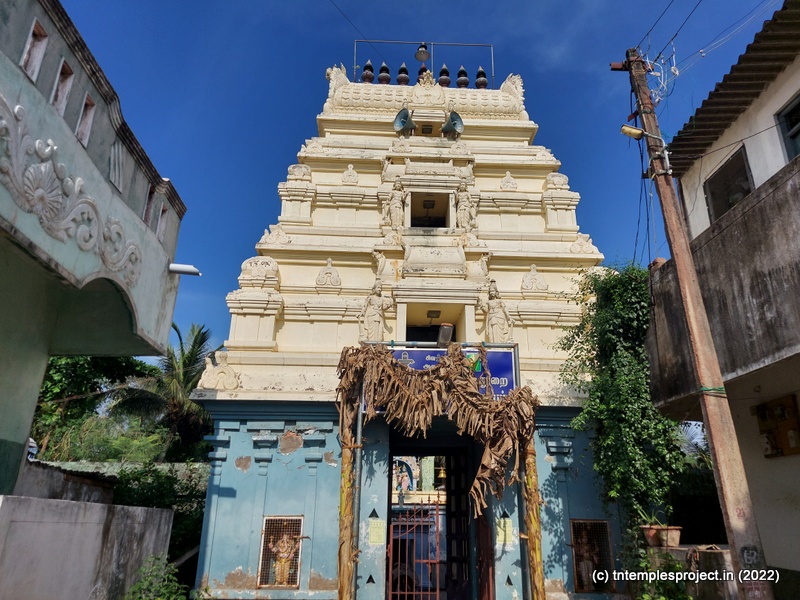
Apathsahayeswra Temple and gateway with Horses, Sendamangalam
About Apathsahayeswra Temple and gateway with Horses, Sendamangalam
Sendamangalam holds considerable importance in Tamil history. In 1231 CE, the final major battle of the Chola dynasty took place here when Maravarman Sundara Pandyan defeated Raja Raja Chola III, marking the effective end of Chola military dominance. Following this upheaval, Kopperunjinga, a Kadava ruler with connections to the Cholas through marriage, seized the opportunity to establish Sendamangalam as his military stronghold and capital. The temple's premises once formed part of Kopperunjinga's fort, which explains the unusually large scale of many of its structures and shrines. The region was later ruled by the Vijayanagara dynasty and the Nayaks before coming under British administration. The temple's historical name, Jananatha Chaturvedi Mangalam, indicates that the settlement was home to Vedic scholars—the suffix Mangalam denotes a brahmin settlement.
According to local tradition preserved in the temple's sthala puranam, the Pandavas worshipped Siva at this site during their period of exile, connecting the temple to the Mahabharata narrative. The Archaeological Survey of India currently manages the temple and has undertaken a gradual process of reconstruction and preservation of the damaged structures.
Distinctive Architectural and Sculptural Features
The temple's sculptural programme includes several unusual elements that distinguish it from typical Shaivite shrines. A shrine housing Dakshinamurti seated upon a rishabham (bull) has been integrated into the main temple structure itself, an uncommon architectural choice. The Murugan shrine displays a six-faced form with only six arms rather than the more commonly depicted twelve, suggesting regional sculptural conventions or specific theological preferences of the original builders.
Most notably, the temple complex includes an abandoned stone horse located near the temple tank. This sculpture possesses a remarkable acoustic property: when struck on different parts of its surface, it produces varying musical notes. This "musical stone horse" remains one of the temple's most distinctive features and reflects the sophisticated craftsmanship of medieval Tamil sculptors. Scattered throughout the premises are numerous original pillars, vigrahams, and construction stones from earlier phases of the temple, visible reminders of its long history and the reconstruction efforts underway.
Visiting Hours and Practical Information
The temple is open daily from 09:00 to 12:00 in the morning and from 16:00 to 19:00 in the evening. Visitors should plan their darshan during these published hours. As with most Hindu temples, festival days and special occasions may alter the regular schedule, so it is advisable to contact the temple or check locally before visiting, particularly if planning a weekend visit or arriving during significant festival dates. The temple is located on the Grand Southern Trunk Road in Nainakuppam, Kallakurichi District, at coordinates 11.746051163813, 79.377193978011.
Location and Access
The temple sits south of the Gadilam river in Sendamangalam. The nearest major town is Kallakurichi, approximately 32 kilometres away. Visitors travelling from Viluppuram (32 km), Cuddalore (52 km), or Tiruvannamalai (81 km) can use these as reference points for journey planning. The temple's position on the Grand Southern Trunk Road makes it accessible by road. Visitors new to the area should use mapping applications for turn-by-turn directions and to identify parking options. The nearby Bhaktajaneswarar temple in Viluppuram district offers an opportunity to visit multiple temples in a single trip if time permits.
Visiting Etiquette and Considerations
As a functioning Hindu temple, visitors should observe standard temple etiquette: remove footwear before entering the sanctum, dress modestly, and maintain respectful behaviour within the premises. The temple serves the local Hindu community and remains an active place of worship. Given that the Archaeological Survey of India is engaged in ongoing reconstruction work, some areas may be restricted or under repair. Visitors should be mindful of any barriers or notices indicating sections undergoing conservation. The temple's historical significance and its connection to both regional history and Mahabharata tradition make it a site of interest for those studying Tamil Nadu's medieval heritage as well as for devotional pilgrimage.
How to reach


Temples near Apathsahayeswra Temple and gateway with Horses, Sendamangalam
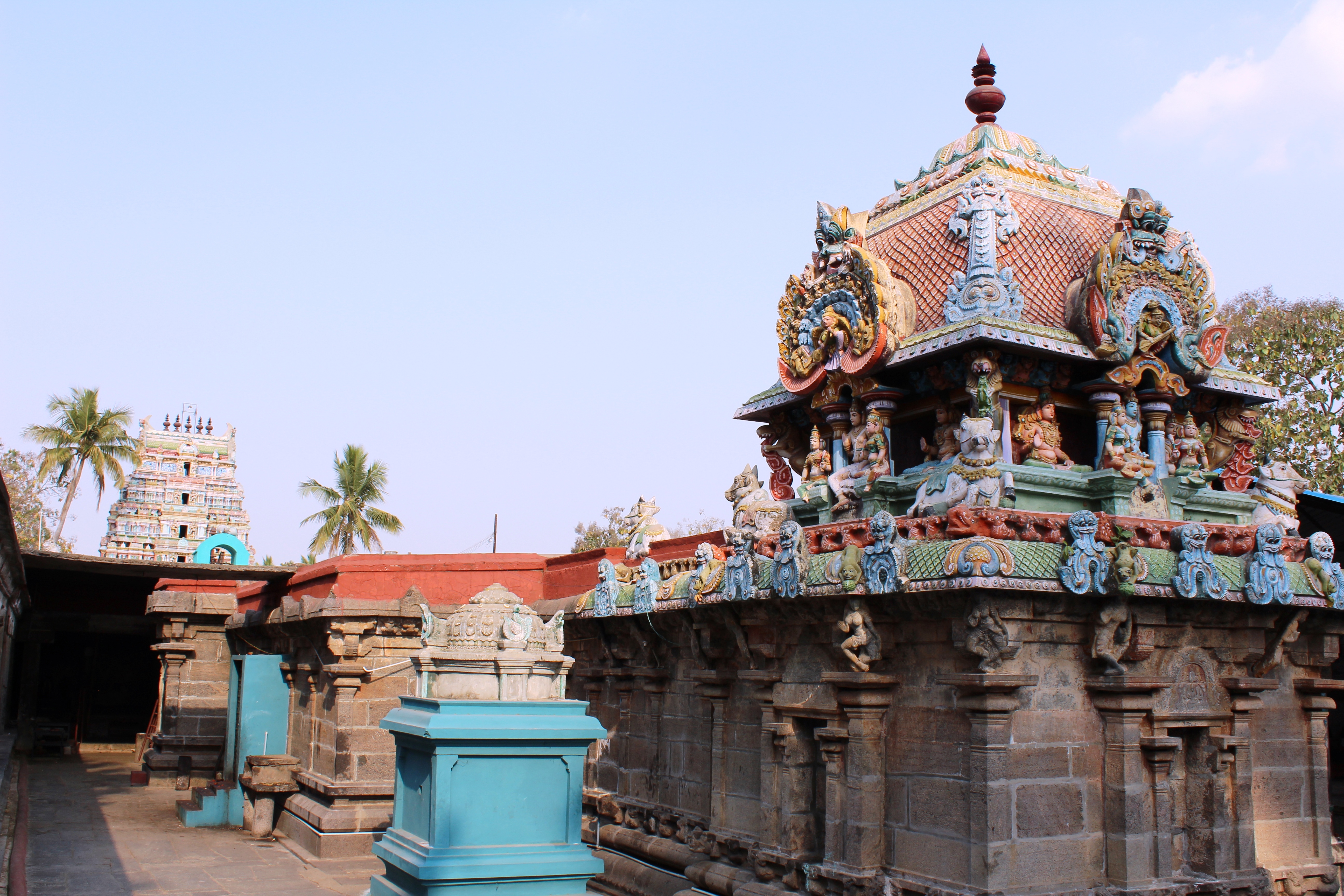
Bhaktajaneswarar temple
Bhaktajaneswarar Temple in Thirunavalur is a 7th-century Shaiva shrine where Shiva is worshipped as Bhaktajaneswarar through the lingam, with his consort Parvati depicted as Man…
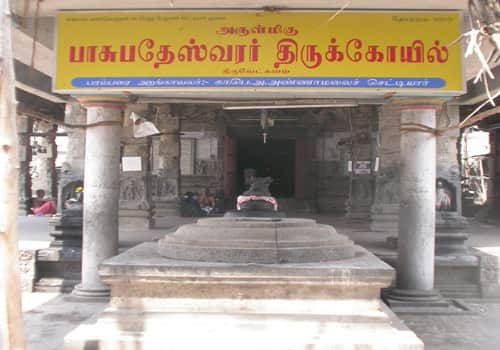
Tiruvamur Pasupadeeswarar Temple
Pasupadeeswarar Temple in Tiruvetkalam, Chidambaram is an ancient Shiva shrine where Lord Shiva is believed to have granted the Pasupatha missile to Arjuna, praised in Thevaram…
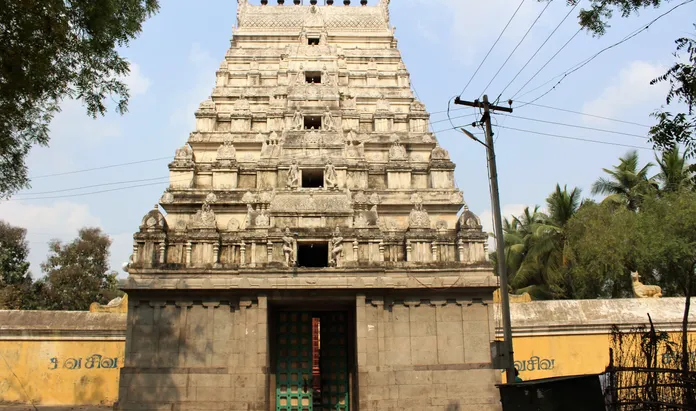
Sivalokanathar temple, Gramam
Sivalokanathar temple in Gramam, Villupuram district, is an ancient Shaiva shrine where Shiva is worshipped as Sivalokanathar through the lingam, with his consort Parvati depict…

Kripapureeswarar Temple
Kripapureeswarar Temple in Thiruvennainallur is a 7th-century Shiva shrine revered in the Tevaram and closely associated with the saint Sundarar, who began composing his sacred…
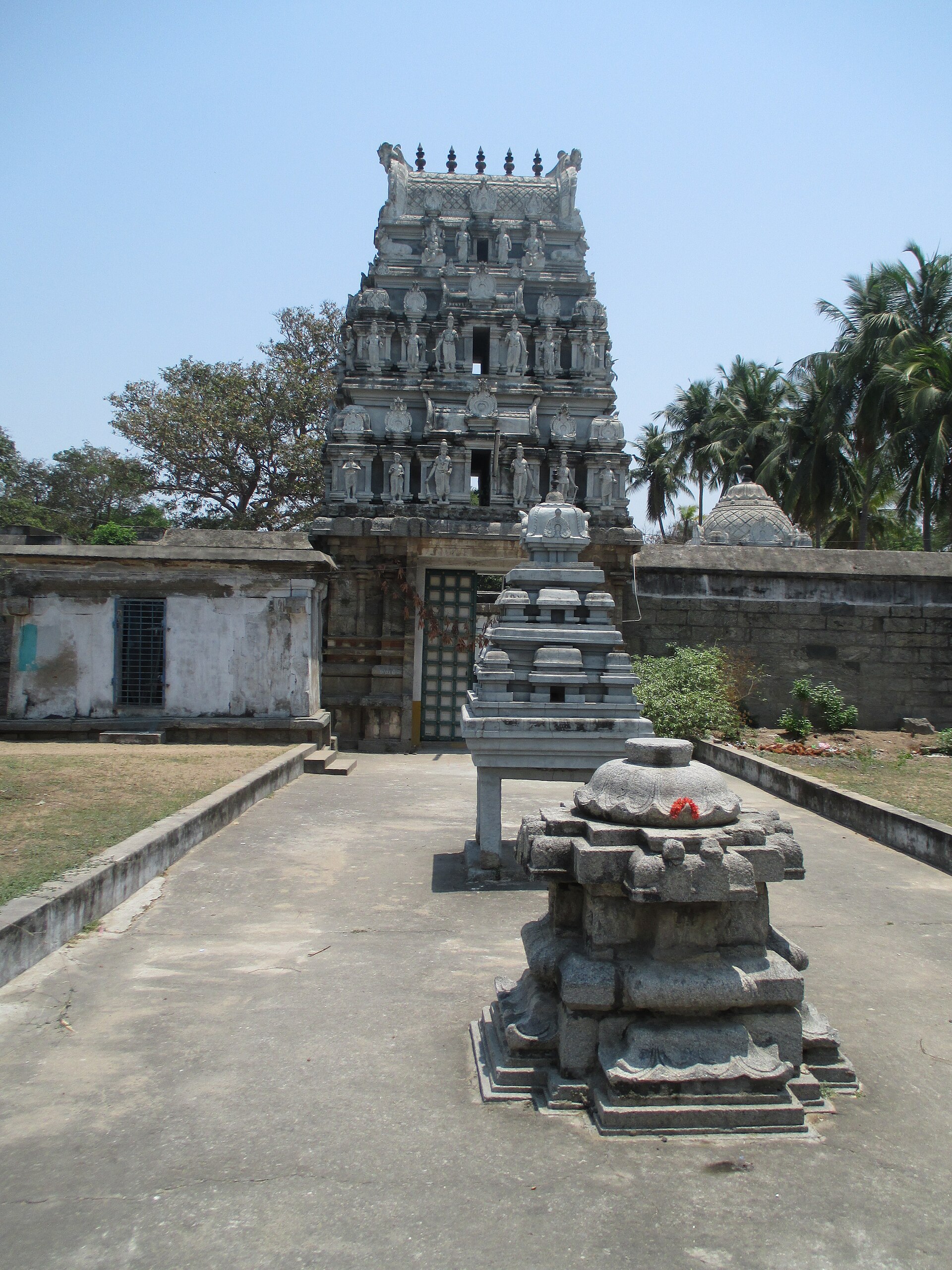
Marundeeswarar Temple, T. Edayar
Marundeeswarar Temple in Thiruvanmiyur, Chennai, is an ancient Shiva temple with roots in the Chola period, expanded in the 11th century and later renovated by Vijayanagar ruler…
Chidambaresvarar Temple, Kotlambakkam
Chidambaresvarar Temple in Kotlambakkam is an ancient Shaiva shrine dating to the 9th century Chola period, renowned as the site where the saint Sundarar received divine blessin…