Chidambaresvarar Temple, Kotlambakkam
About Chidambaresvarar Temple, Kotlambakkam
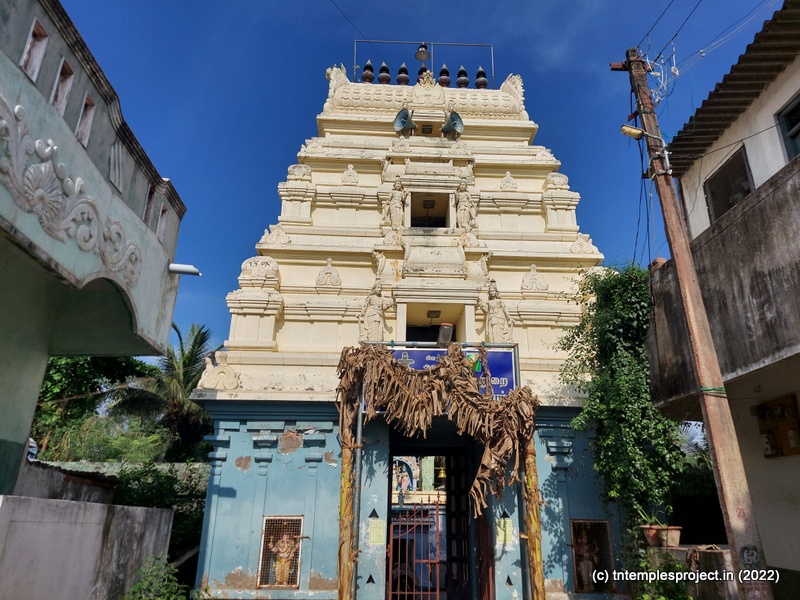
The structural temple dates to the 9th century, during the early medieval Chola period. The original shrine was constructed of brick and plaster, though inscriptions indicate that in the 13th century, a ruler named Kopperunjinga of Sendamangalam rebuilt the inner sanctum in granite. The temple faces west—an orientation considered spiritually potent in Shaiva tradition. The western gopuram (gateway tower) features niches holding images of Vinayaka and Murugan in standing form.
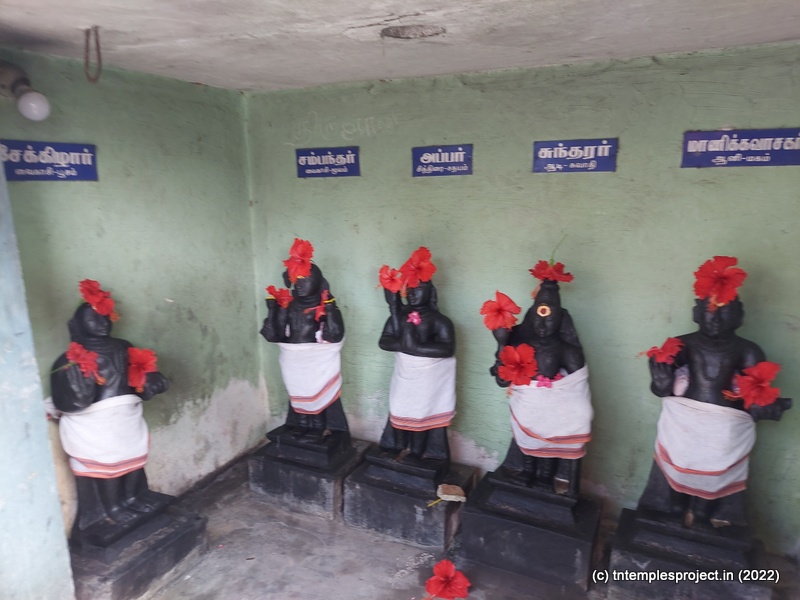
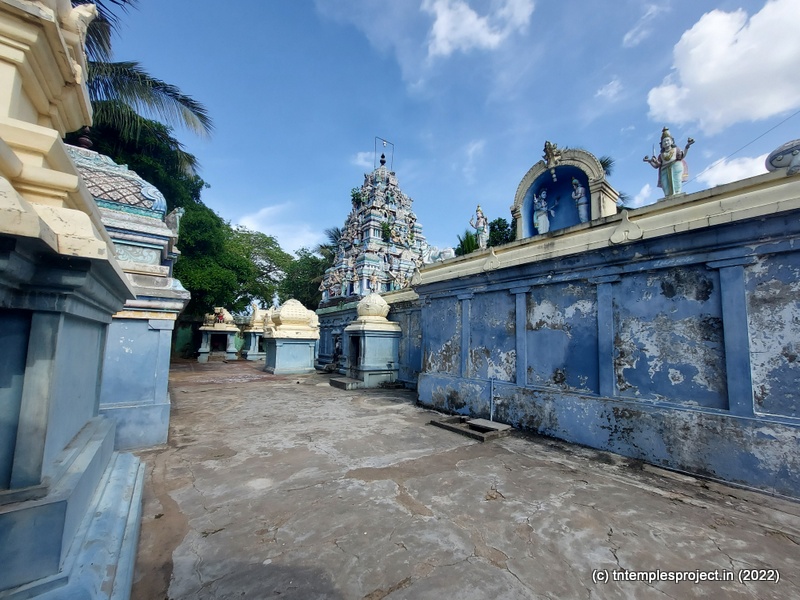
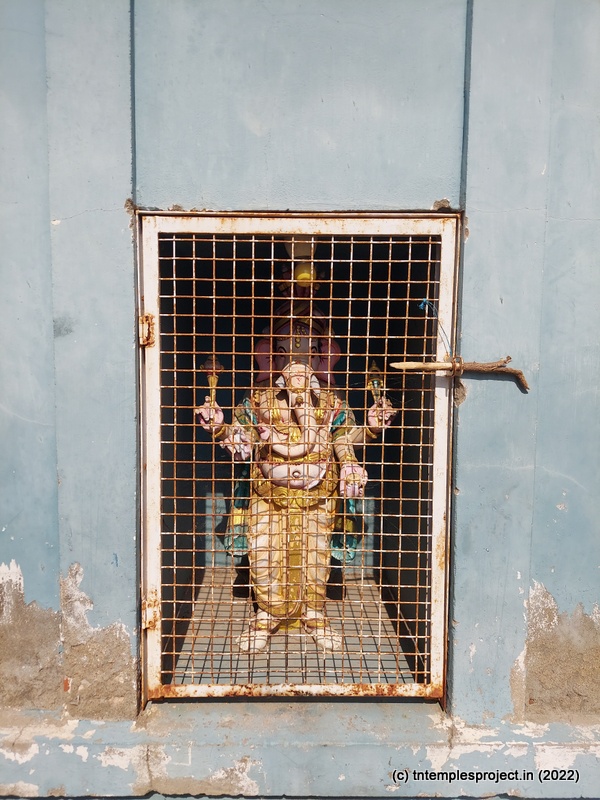
The temple layout follows classical design principles. Entering from the west, visitors encounter Vinayaka, followed by the bali peetham (offering platform) and Nandi mandapam (the hall housing the bull, Shiva's mount). The koshtam (ambulatory) contains shrines to Durga, Brahma, and Dakshinamurti. The maha mandapam (great hall) is accessed from the south, with the ardha mandapam and garbhagriham (inner sanctum) remaining simple in form. Throughout the temple grounds stand numerous independent shrines dedicated to various deities and saints, including the Nayanmars Appar, Sambandar, Sundarar, and Manikkavasagar, as well as shrines to Anjaneyar, Natarajar, Bhairavar, Suryan, Agastyar, and a Navagraham shrine.
Worship and Observances
The temple maintains a regular schedule of worship. Pradosha pujas—special observances held on the 13th day of both the new moon and full moon fortnights—are observed here. The temple also celebrates Annabishekam (ritual bathing of the deity with cooked rice) during Aipasi month (October-November) and Maha Shivrathri in February-March. These festivals draw devotees seeking the blessings of Shiva and the grace associated with this ancient shrine.
Visiting Information
The temple is open daily from 7:00 to 12:00 in the morning and from 5:00 to 8:00 in the evening. Visitors should dress modestly, removing footwear before entering the sanctum. As is customary in Hindu temples, women may be subject to certain restrictions during menstruation. Photography policies vary; it is best to inquire with temple staff before photographing. The temple is located at coordinates 11.790055, 79.531115 in Kotlambakkam. Nearby towns include Viluppuram (21 km away), Cuddalore (31 km), and Tiruvannamalai (89 km distant).
Getting There
Kotlambakkam is accessible by road from major towns in the region. The nearest railway stations are at Mayiladuthurai and Cuddalore. Local transport options include buses and auto-rickshaws from these towns. Visitors planning to combine this visit with nearby temples may consider Tiruvadhigai, which lies close by and holds its own significance in Shaiva tradition.
How to reach
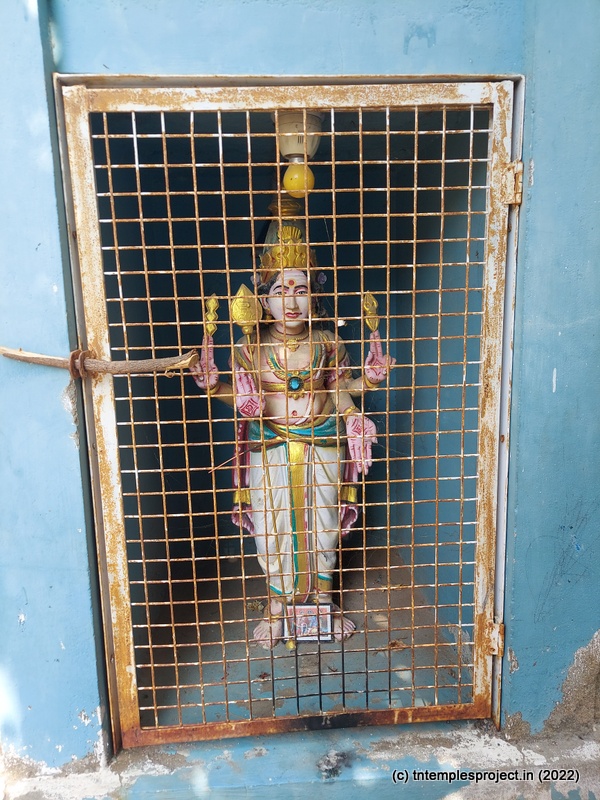
You may also visit
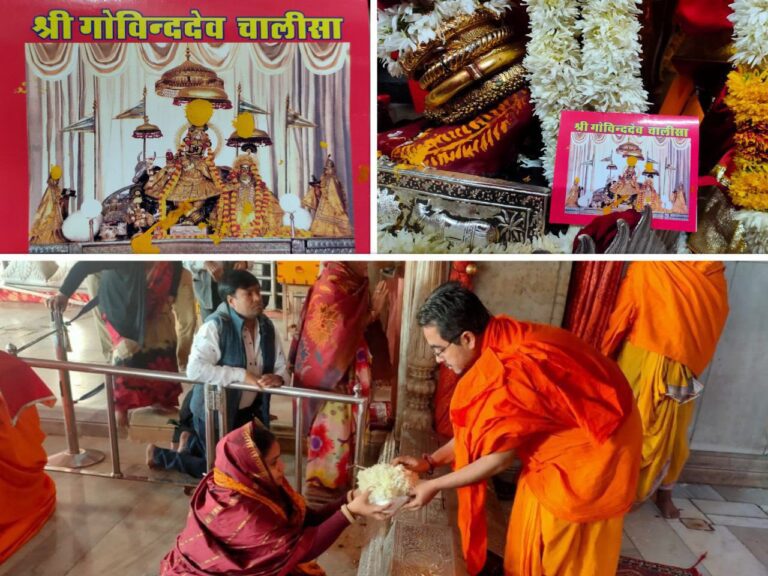
Kalyanji Temple
Kalyanji Temple in Jaipur's Chandpol Bazaar is approximately two centuries old and renowned for displaying the twenty-four avatars of Krishna, visible only twice yearly during Akha Teej and Patottsav festival.
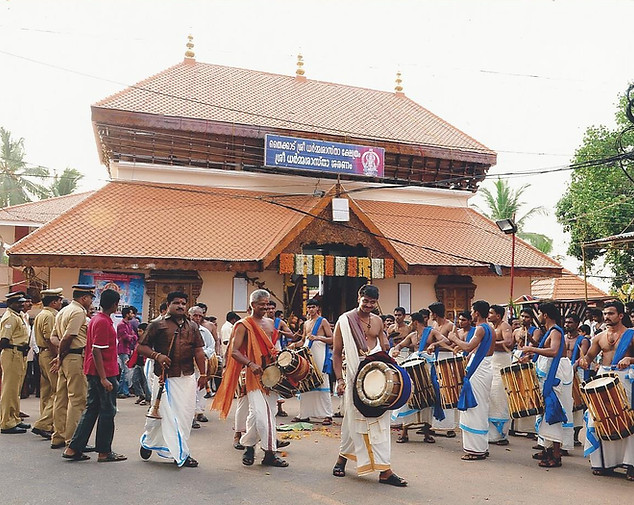
Sastha (Ayyappan) Temple
Sree Dharma Sastha Temple in Thycaud, Thiruvananthapuram, is a centuries-old shrine where the deity manifests as Dhanwanthari, the divine healer, holding the sacred blue lotus.
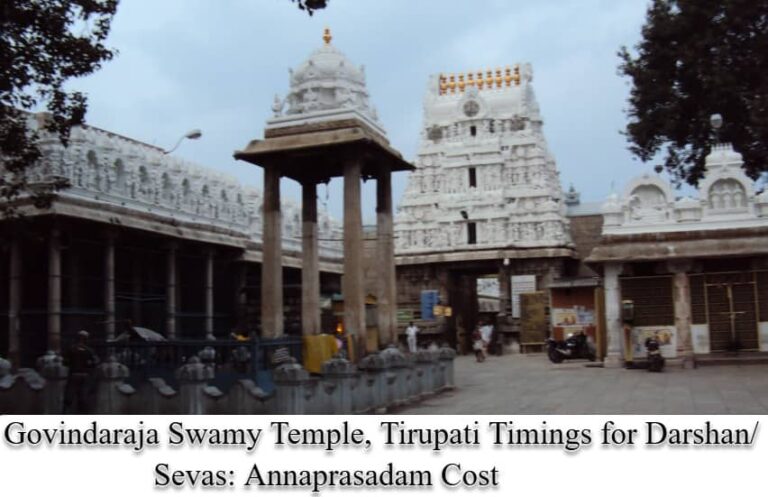
Govindarajaswamy Temple
Sri Govindarajaswamy Temple in Tirupati is an ancient Vaishnavaite shrine consecrated in 1130 AD by Saint Ramanuja, where the presiding deity rests in eternal Yoga Nidra on the serpent Adisesha.