Marundeeswarar Temple, T. Edayar
About Marundeeswarar Temple, T. Edayar
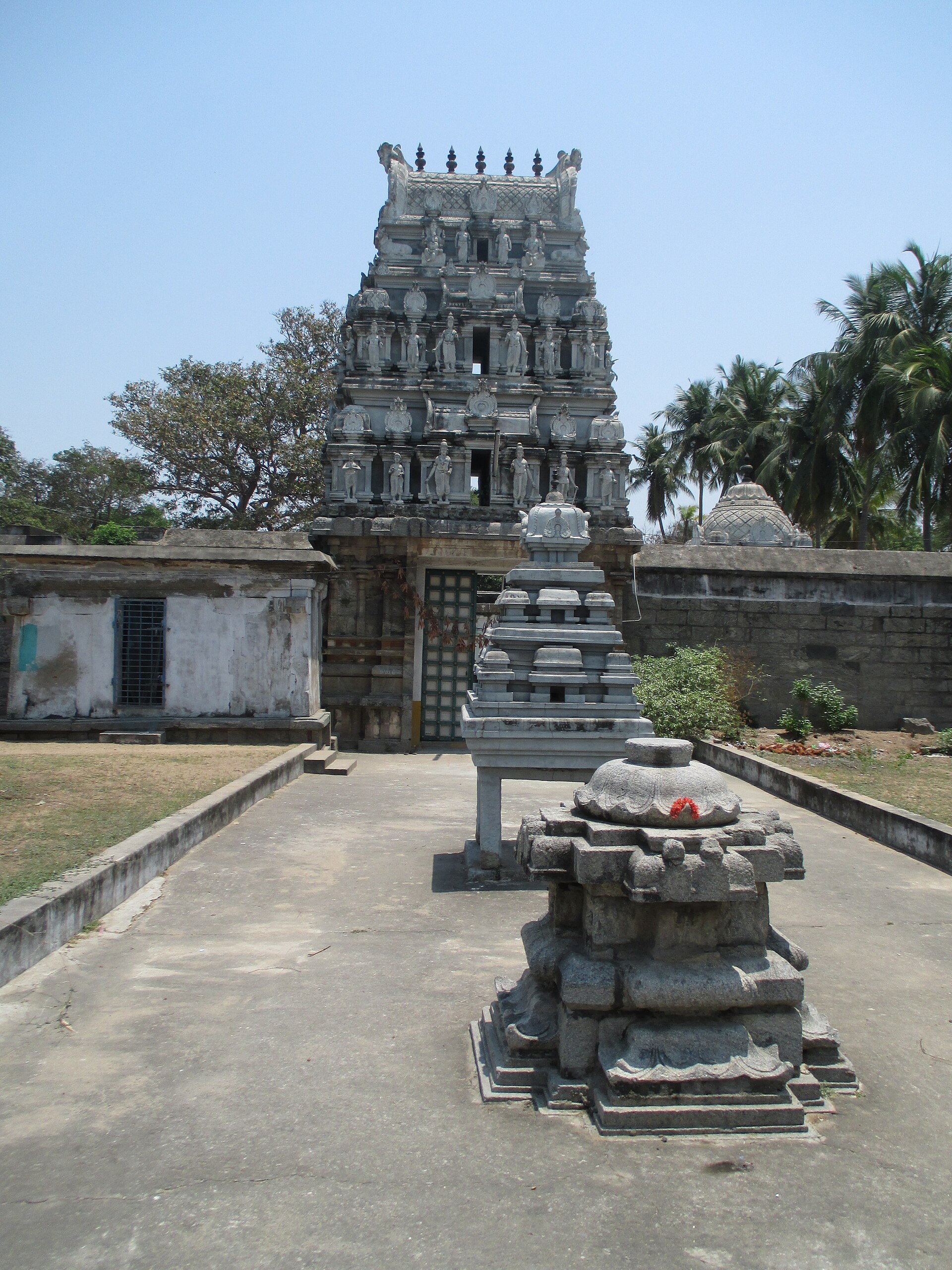
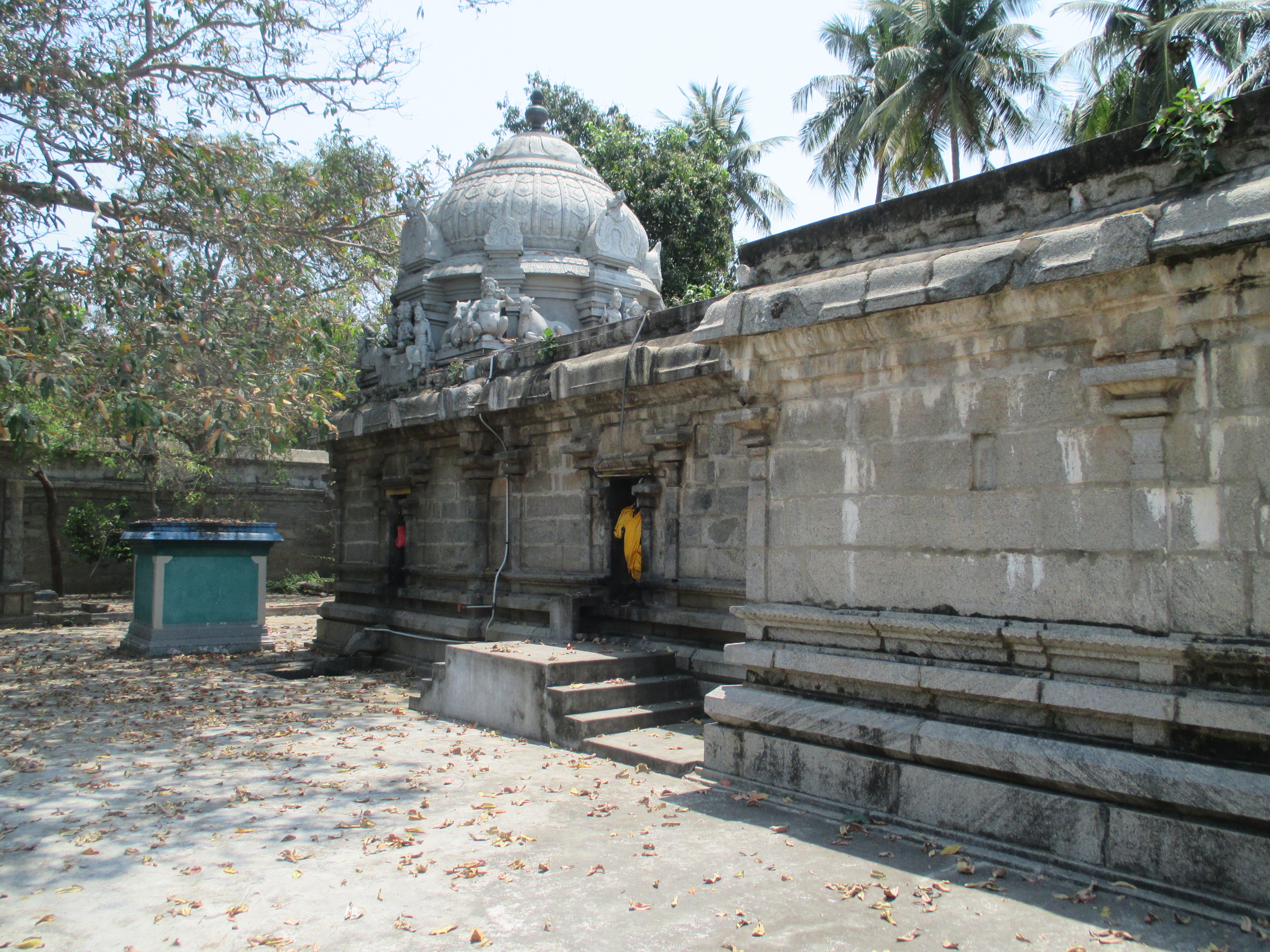
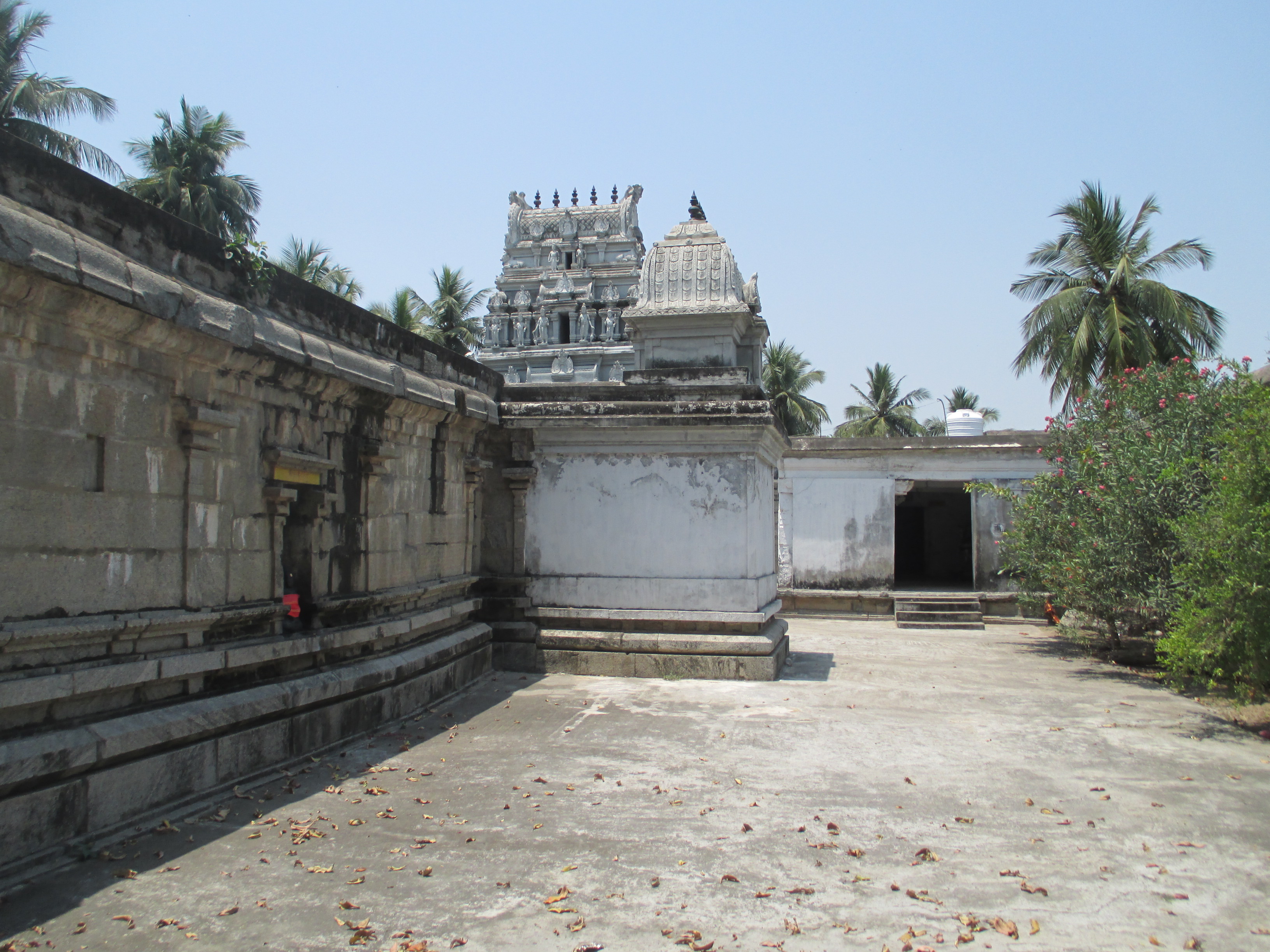
The temple's origins trace to the Chola period, with significant expansion occurring in the 11th century CE under Chola patronage. Later, the Vijayanagar rulers undertook renovations that further shaped the complex. This layered history of construction and restoration reflects the temple's sustained importance across centuries and successive dynasties.
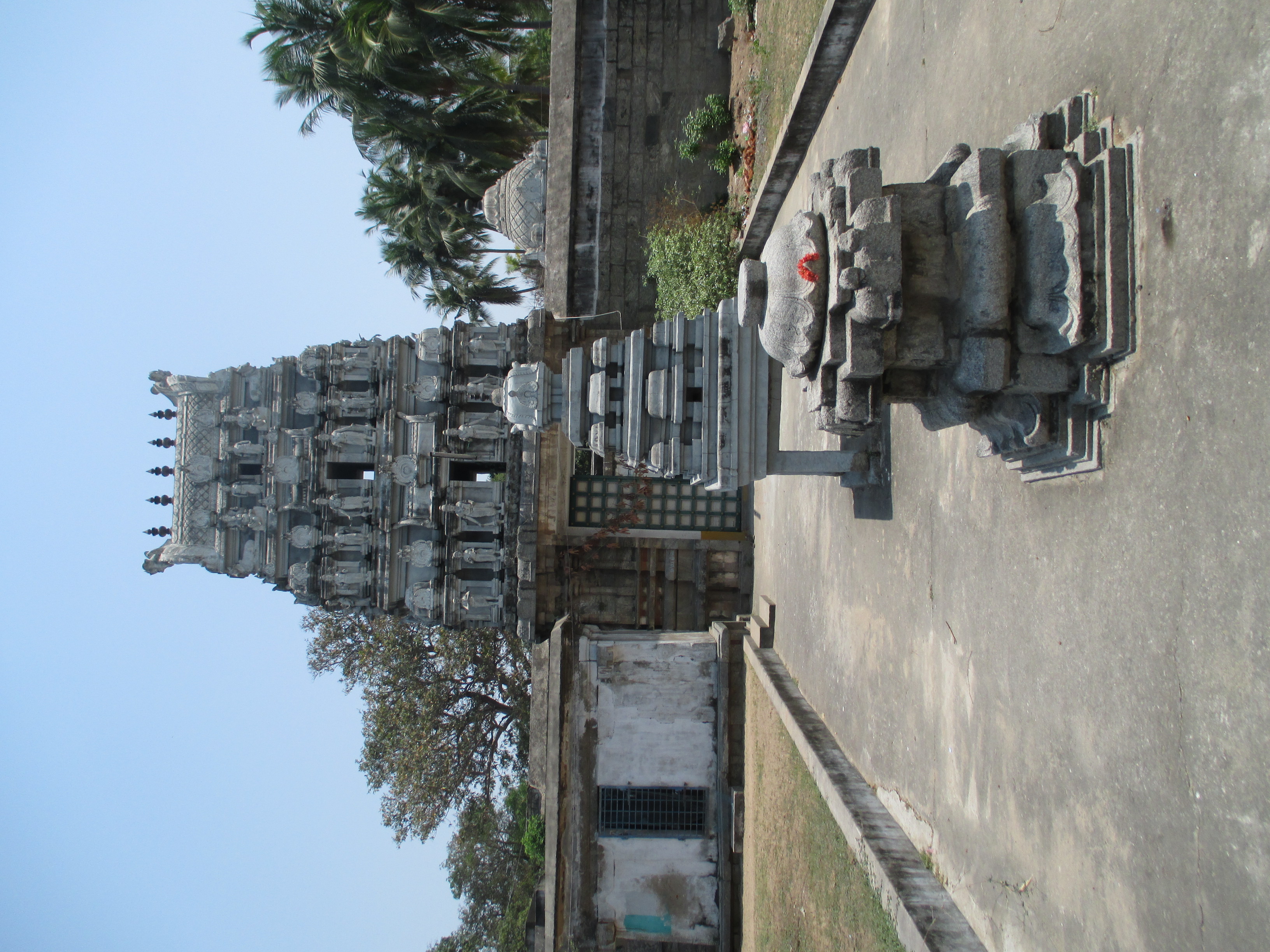
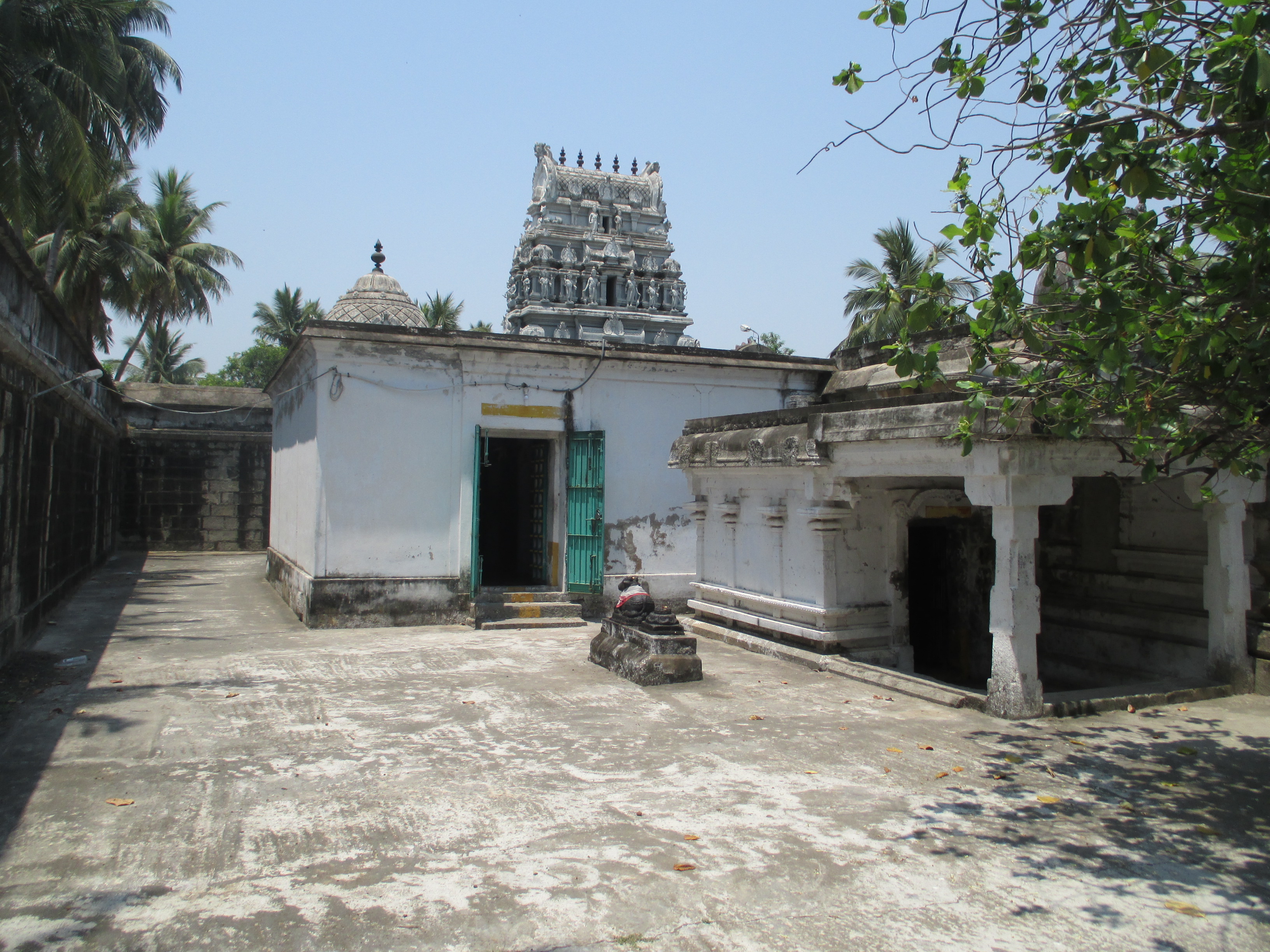
The architecture follows Dravidian principles characteristic of South Indian temples from this era. The temple stands on the southern banks of the Thenpennai River, positioning it as a seaside shrine with both spiritual and geographical significance. The setting combines the sacred geography of riverine location with proximity to the coast, creating a distinctive landscape for worship.
Daily Worship and Darshan
The temple conducts six daily poojas, with rituals performed in both Tamil and Sanskrit. Devotees can access darshan from 5:30 AM to 12:00 PM and again from 4:00 PM to 9:00 PM, with free entry for all visitors. The evening aarti time draws particular devotional energy and represents an especially auspicious moment for worship.
Beyond routine daily rituals, the temple observes special observances including Pradosham on the 13th day of each fortnight, milk abhishekam ceremonies, Shaiva Siddhanta lectures held in the evening, and Tirumurai singing. These varied practices create multiple entry points for devotional engagement throughout the month and year.
Festivals and Celebrations
Major festivals observed at the temple include Panguni Brahmotsavam (March–April), Shivaratri (February–March), Karthigai Deepam, Vinayaka Chaturthi, and Skanda Sashti. Festival seasons bring heightened activity and vibrant celebrations, though they also draw larger crowds. The temple's festival calendar aligns with significant observances in the Shaiva tradition, marking key moments in the religious year.
Visiting Information and Etiquette
Visitors should plan their visit during early morning hours (5–8 AM) or at evening aarti time for the most spiritually engaged atmosphere. Winter months from November through February and weekdays offer a more peaceful experience with fewer crowds, while festival seasons provide opportunities to witness elaborate celebrations.
Dress code expectations reflect temple protocol: men should wear traditional attire such as dhoti with shirt, or formal trousers and shirts, avoiding shorts, lungis, and nightwear. Women are recommended to wear sarees, churidar, or salwar kameez, avoiding miniskirts or revealing clothing. Photography is permitted in outer premises but strictly prohibited within the sanctum sanctorum. Darshan entry is free for all devotees. Prasadam offerings include pongal pudding and sacred ash, and Annadanam (free food) is also provided.
Practical Access and Facilities
Tiruvanmiyur Railway Station lies just 1 km from the temple, with Taramani and Kasturibai Nagar stations also nearby. Chennai International Airport is approximately 15 km away. Buses and taxis regularly serve Tiruvanmiyur, and the temple functions as a well-known local landmark near the beach. Limited informal parking is available on surrounding streets, though this can become difficult during weekends and festival periods.
Accommodation options range from budget guest houses and hotels in Tiruvanmiyur and Adyar to luxury properties along OMR and ECR. Nearby attractions include Thiruvanmiyur Beach, Ashtalakshmi Temple, Breezy Beach, MGR Film City, and IIT Madras. For inquiries, the temple can be contacted at 044 2441 0477.
How to reach
You may also visit
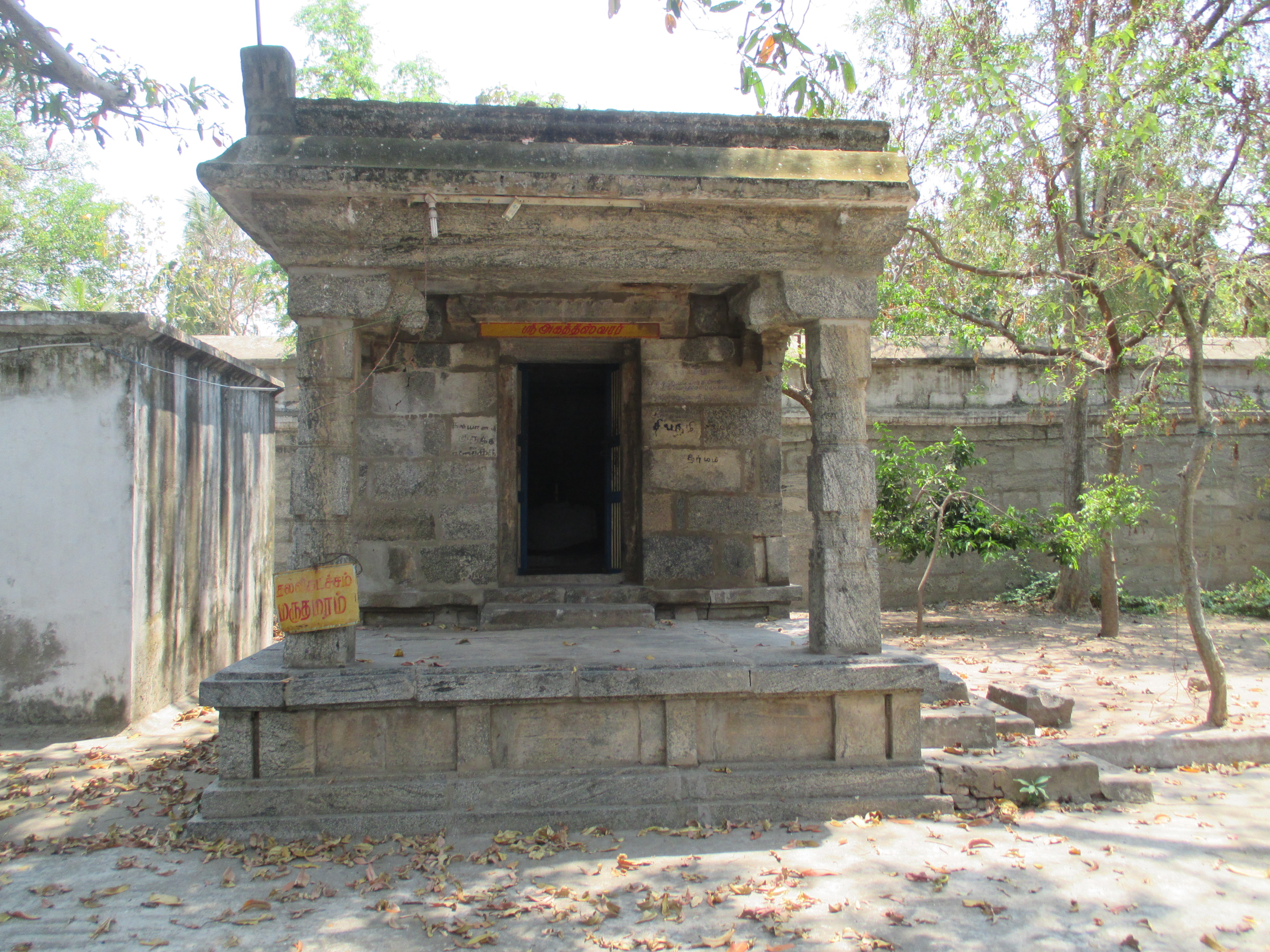
Agatheeswarar Temple, Karur
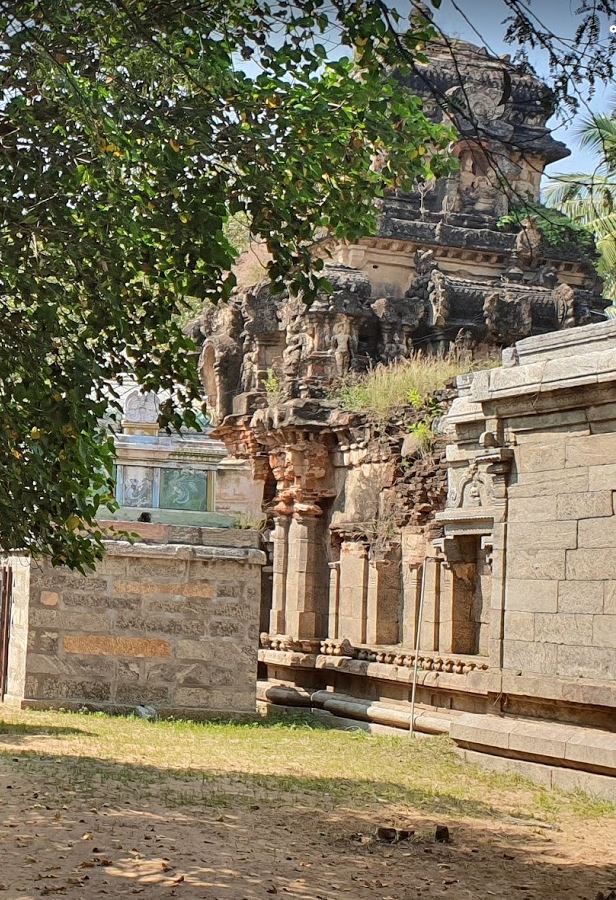
Agatheeswarar Temple in Thirumukkudalur, Karur district, is an ancient Hindu shrine dedicated to Shiva, situated at the sacred confluence of three rivers and believed to be over 1000 years old.
Kalyanji Temple
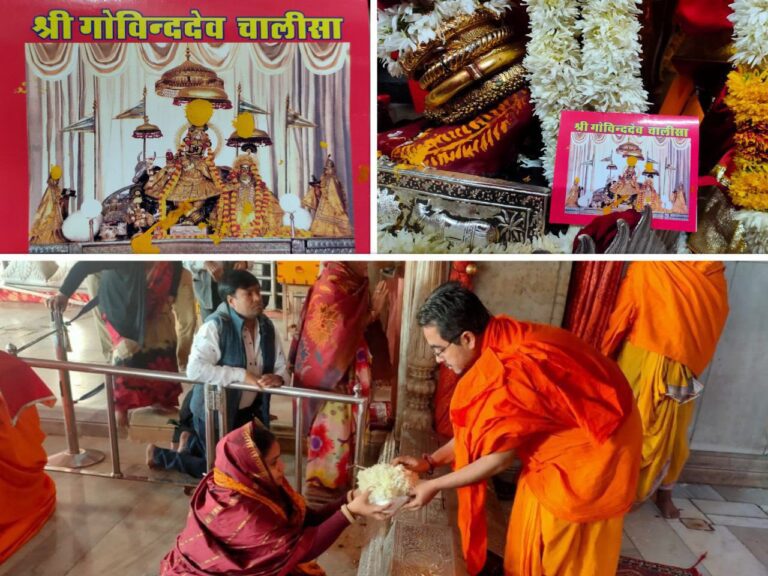
Kalyanji Temple in Jaipur's Chandpol Bazaar is an ancient Krishna shrine established in the 1820s, renowned for its seven daily aartis and special avatar darshan ceremonies during Akha Teej and Patottsav festivals.
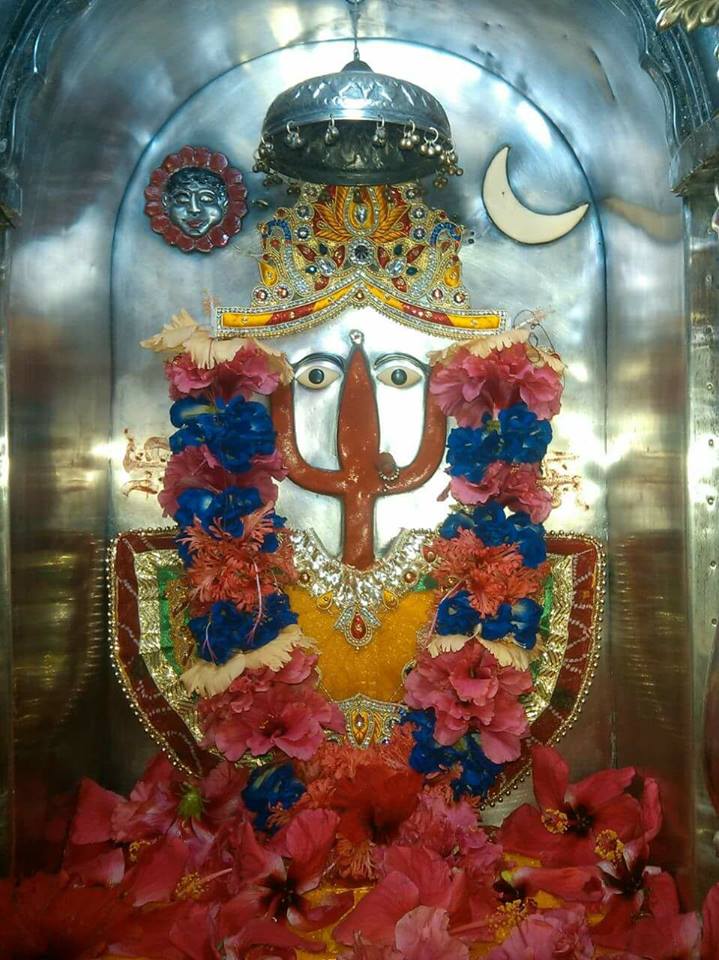
Rani Sati Mandir Mahuda
Rani Sati Mandir in Mahuda, Dhanbad District, is a Hindu temple established in 1992 that serves as a spiritual center for the local community and attracts devotees seeking blessings.