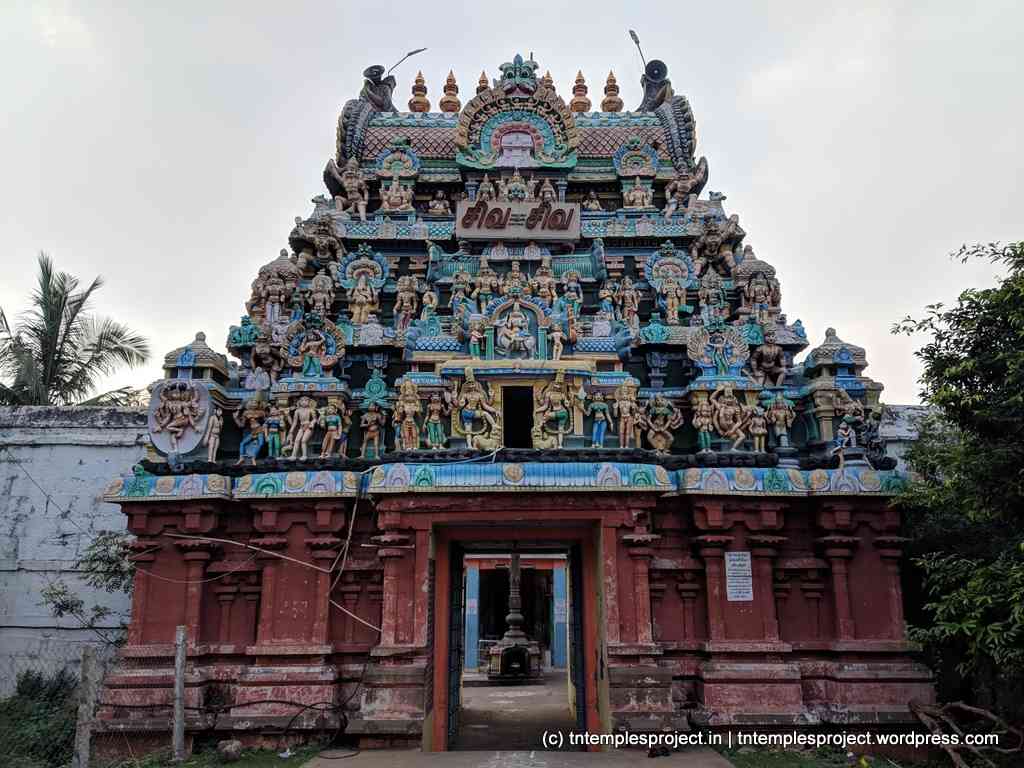
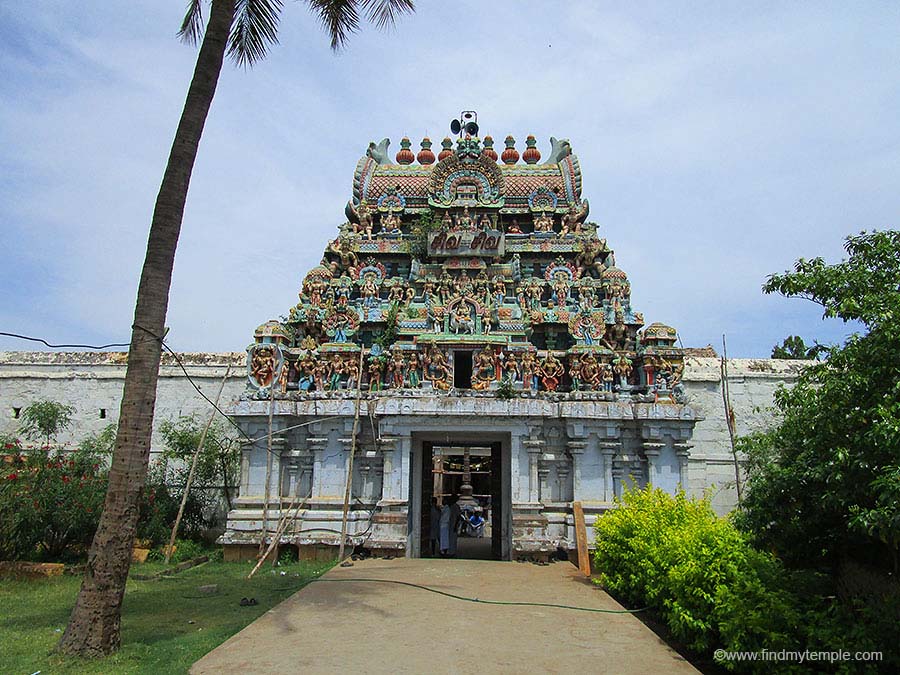
Alanduraiyar Temple
About Alanduraiyar Temple
The temple maintains two daily worship sessions that structure the rhythm of devotion. The morning session runs from 08:30 to 12:00, capturing the auspicious early hours of the day. The evening session begins at 17:00 and continues until 20:00, accommodating devotees who wish to participate after their daily work. These sessions are marked by two kaala poojas—formal ritual worship performed according to established protocols.
In Shaivite temples, poojas typically involve ritual offerings to the deity, including flowers, incense, food preparations, and water, accompanied by the chanting of sacred texts and the ringing of bells. Visitors may observe these rituals or sit quietly in the sanctum for personal prayer. The specific forms of worship available to visitors and any opportunities to make individual offerings should be confirmed upon arrival, as practices vary between temples.
Visiting the Temple: Etiquette and Practicalities
Shaivite temples in Tamil Nadu maintain standards of dress and conduct rooted in temple tradition. Visitors are expected to dress modestly, covering shoulders and knees as a mark of respect. Footwear must be removed before entering the inner sanctum. Photography policies vary; it is wise to observe what other visitors do or ask temple staff before photographing within the temple grounds.
The temple is located in a rural village setting, and facilities may be modest compared to major pilgrimage centers. Visitors should bring water, as amenities in smaller village temples are often limited. The temple's scale and surroundings should be understood realistically—this is a place of local worship rather than a large pilgrimage destination. Those planning a visit should calibrate their expectations and preparations accordingly.
Location and Access
Alanduraiyar Temple is situated in Keelapalur, Ariyalur District, Tamil Nadu 621707. The precise coordinates—11.042862, 79.067952—can be used with GPS navigation applications for travel planning. Ariyalur District lies within the Chola heartland of Tamil Nadu, a region historically rich in ancient temples.
The temple's location in a rural settlement means that reaching it requires navigation through village roads. Those traveling by road should allow extra time for this journey. Public transport options, if available, would likely connect from the district headquarters; confirmation of current bus or auto-rickshaw services is advisable before travel. Accommodation and food facilities near the temple may be limited, so planning ahead is prudent. Local inquiry or online mapping services can help identify the nearest major town and available transport options.
The Shaivite Tradition in South India
The recognition of this temple by Thirugnanasambandar connects it to a broader movement that reshaped South Indian religious life. The bhakti movement, beginning around the sixth century, emphasized personal devotion and the accessibility of the divine to all devotees, regardless of social status. The saint-poets who led this movement traveled widely, composing verses that celebrated temples and deities they encountered. These compositions were not merely literary works but became integral to temple worship itself, recited during rituals and preserved in the collective memory of communities.
By being sung in the verses of Thirugnanasambandar, Alanduraiyar Temple became part of this sacred geography—a place marked by devotional remembrance and continuous worship across centuries. This connection to the bhakti tradition gives the temple a significance that extends beyond its physical structure to its role within a living spiritual lineage.
How to reach
Temples near Alanduraiyar Temple
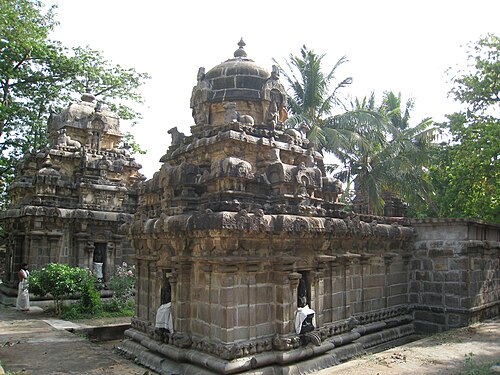
Twin Temples, Keezhaiyur
Twin Temples in Keezhaiyur, Ariyalur, are ancient Shiva shrines built in the 9th century by Paluvettaraiyar chieftains, distinguished by their symmetrical dual structures design…
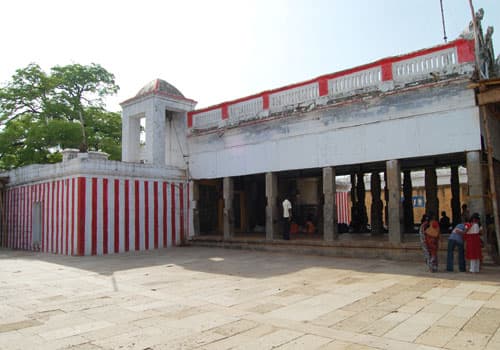
Kaliyuga Varadaraja Perumal Temple
Kaliyuga Varadaraja Perumal Temple in Kallankurichi, Ariyalur district, is a Hindu shrine dedicated to Lord Vishnu, revered for its connection to local agricultural communities…

Karkodeswarar temple, Kamarasavalli
Karkodeswarar temple in Kamarasavalli, Ariyalur district, Tamil Nadu, is a Hindu shrine dedicated to Soundareswar. The temple maintains regular darshan hours and serves the loca…
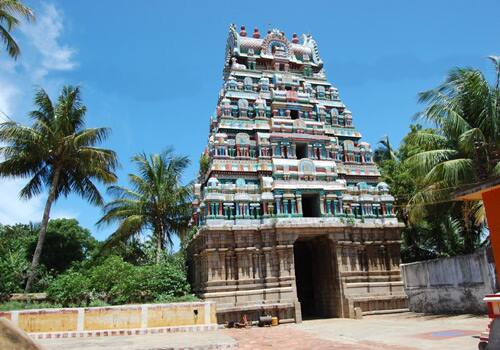
Neyyadiappar Temple
Neyyadiappar Temple in Thillaisthanam is a historic Shaivite shrine dedicated to Lord Shiva, renowned for its distinctive ritual of abhishekam performed with ghee followed by ho…
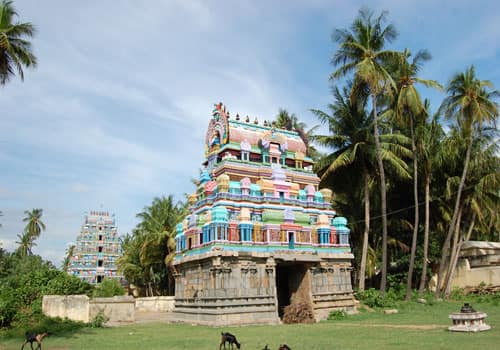
Apathsahayar Temple, Thirupazhanam
Apathsahayar Temple in Thirupazhanam is an ancient Shiva shrine recognized as one of the earliest Chola temples and a Paadal Petra Sthalam, celebrated in seventh-century Tevaram…

Aiyarappar temple
Aiyarappar Temple in Tiruvaiyaru is an ancient Shiva shrine built around five sacred lingams, celebrated for its Chola-period architecture and designation as a Paadal Petra Stha…