Patcheeswarar temple
About Patcheeswarar temple
As a Shiva temple, Patcheeswarar is a place where devotees come to worship the deity in his form as the supreme reality. Temples dedicated to Shiva typically maintain daily rituals centred on the sanctum, where the deity is honoured through offerings, prayers, and ceremonial practices. The specific rituals performed at Patcheeswarar—their timing, nature, and any special observances—are not detailed in available sources. Visitors should arrive with respect for ongoing worship and be prepared to follow the guidance of temple priests regarding access to different areas and appropriate conduct during darshan (viewing of the deity).
Visiting the Temple
Patcheeswarar is located in Cheyyar, accessible by road from Tiruvannamalai town. The temple's exact opening hours, darshan timings, and any entry requirements are not specified in available information. Before visiting, it is advisable to confirm current visiting hours and any protocols with local sources or the temple directly. Modest dress is customary when entering Hindu temples; visitors should wear clothing that covers shoulders and knees. Photography policies vary by temple; check with staff on arrival. Shoes are typically removed before entering the sanctum area. As with most active temples, visitors should be mindful of ongoing worship and avoid disrupting rituals or ceremonies in progress.
Practical Information
The temple's precise facilities—such as ablution areas, rest spaces, or prasadam (blessed food) distribution—are not documented in available sources. Cheyyar is a town with basic amenities; visitors may find refreshment options in the surrounding area. The nearest major town is Tiruvannamalai, which has more extensive accommodation and services. Those planning a visit should carry water and be prepared for the local climate. The temple's contact details and any online information resources are not provided in current sources; local inquiry upon arrival or through Tiruvannamalai's tourism information may help clarify current conditions and any special observances.
Historical Significance
The Pallava dynasty, under whose patronage Patcheeswarar was built, was instrumental in establishing many of the architectural and liturgical traditions that define South Indian Hinduism. Temples from this period represent an important phase in the development of Dravidian temple design and religious practice. By visiting Patcheeswarar, devotees and scholars alike engage with a structure that has witnessed centuries of continuous worship and stands as a testament to the enduring nature of Hindu sacred spaces in Tamil Nadu.
How to reach
You may also visit
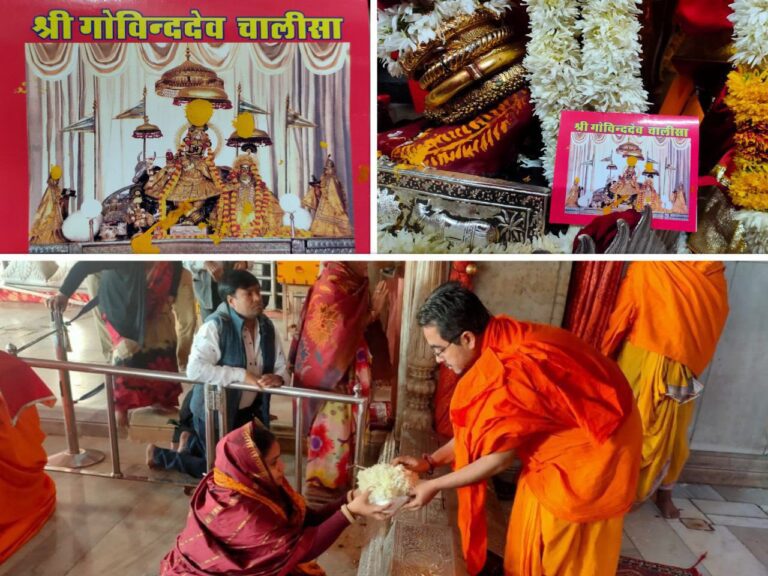
Kalyanji Temple
Kalyanji Temple in Jaipur's Chandpol Bazaar is approximately two centuries old and renowned for displaying the twenty-four avatars of Krishna, visible only twice yearly during Akha Teej and Patottsav festival.
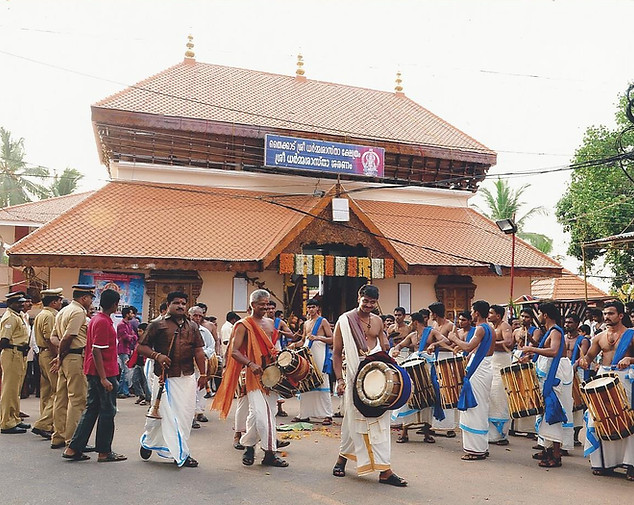
Sastha (Ayyappan) Temple
Sree Dharma Sastha Temple in Thycaud, Thiruvananthapuram, is a centuries-old shrine where the deity manifests as Dhanwanthari, the divine healer, holding the sacred blue lotus.
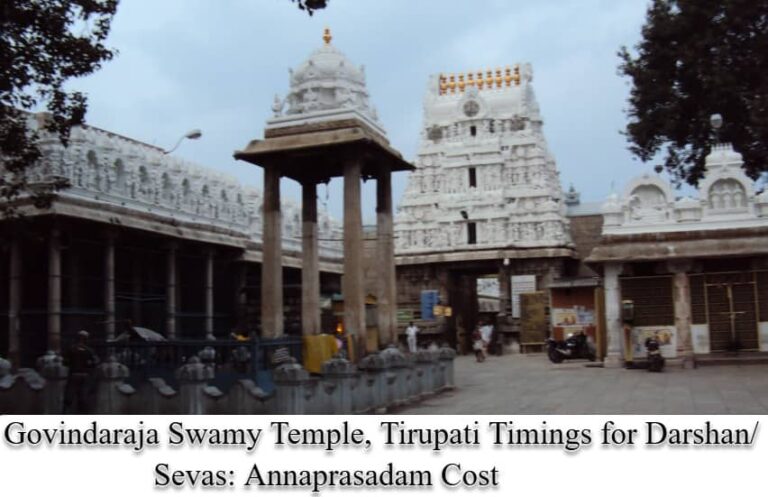
Govindarajaswamy Temple
Sri Govindarajaswamy Temple in Tirupati is an ancient Vaishnavaite shrine consecrated in 1130 AD by Saint Ramanuja, where the presiding deity rests in eternal Yoga Nidra on the serpent Adisesha.