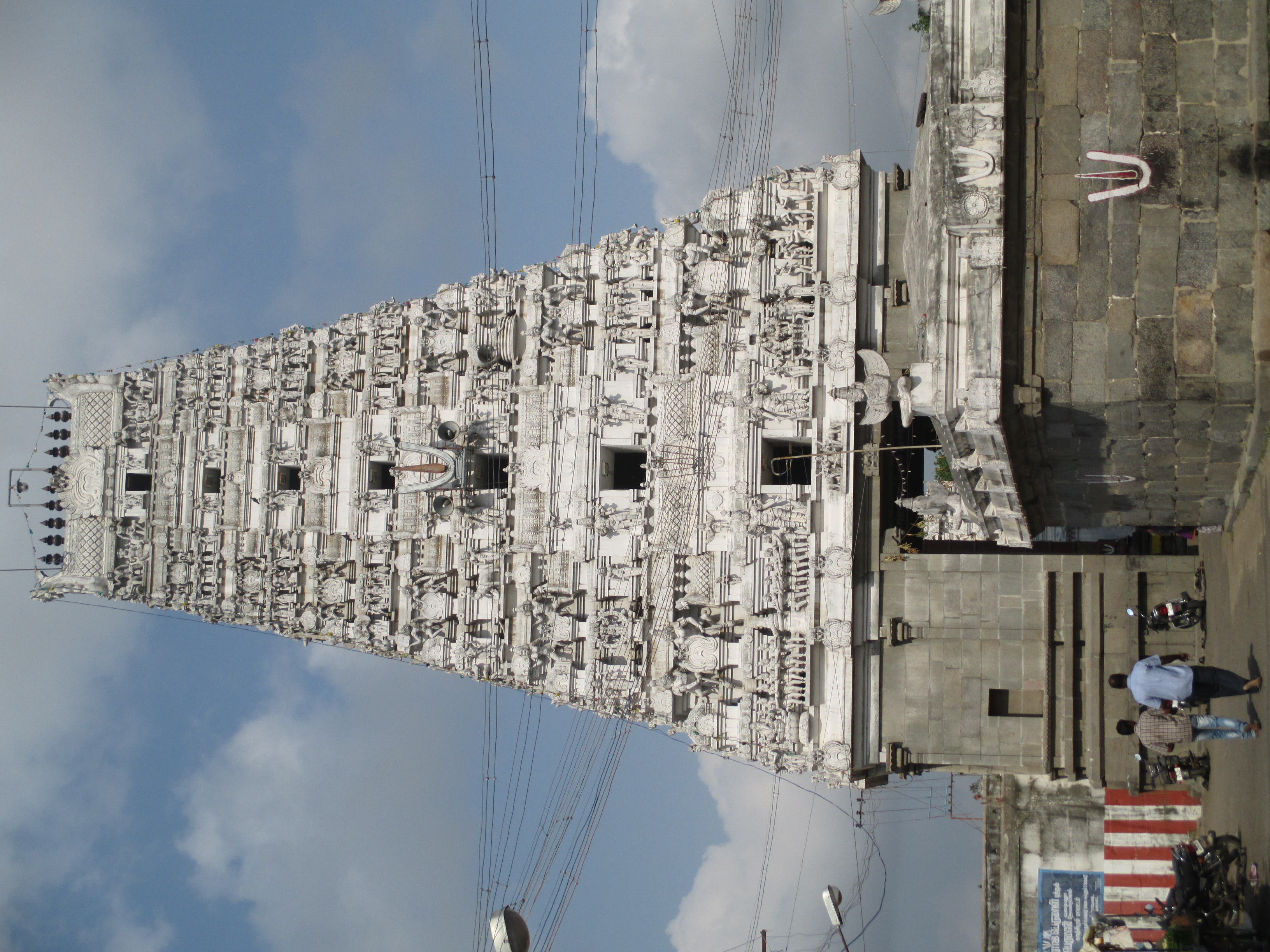
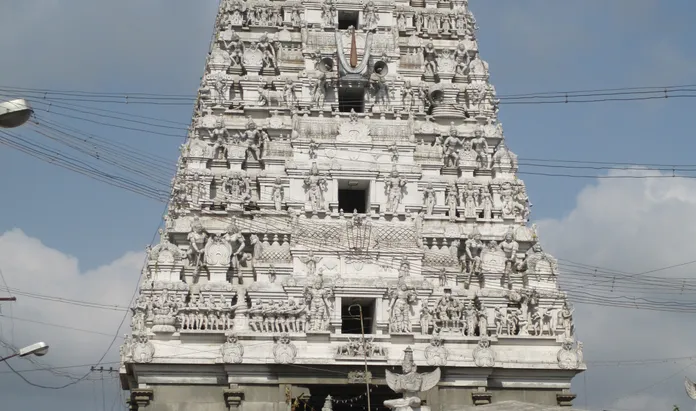
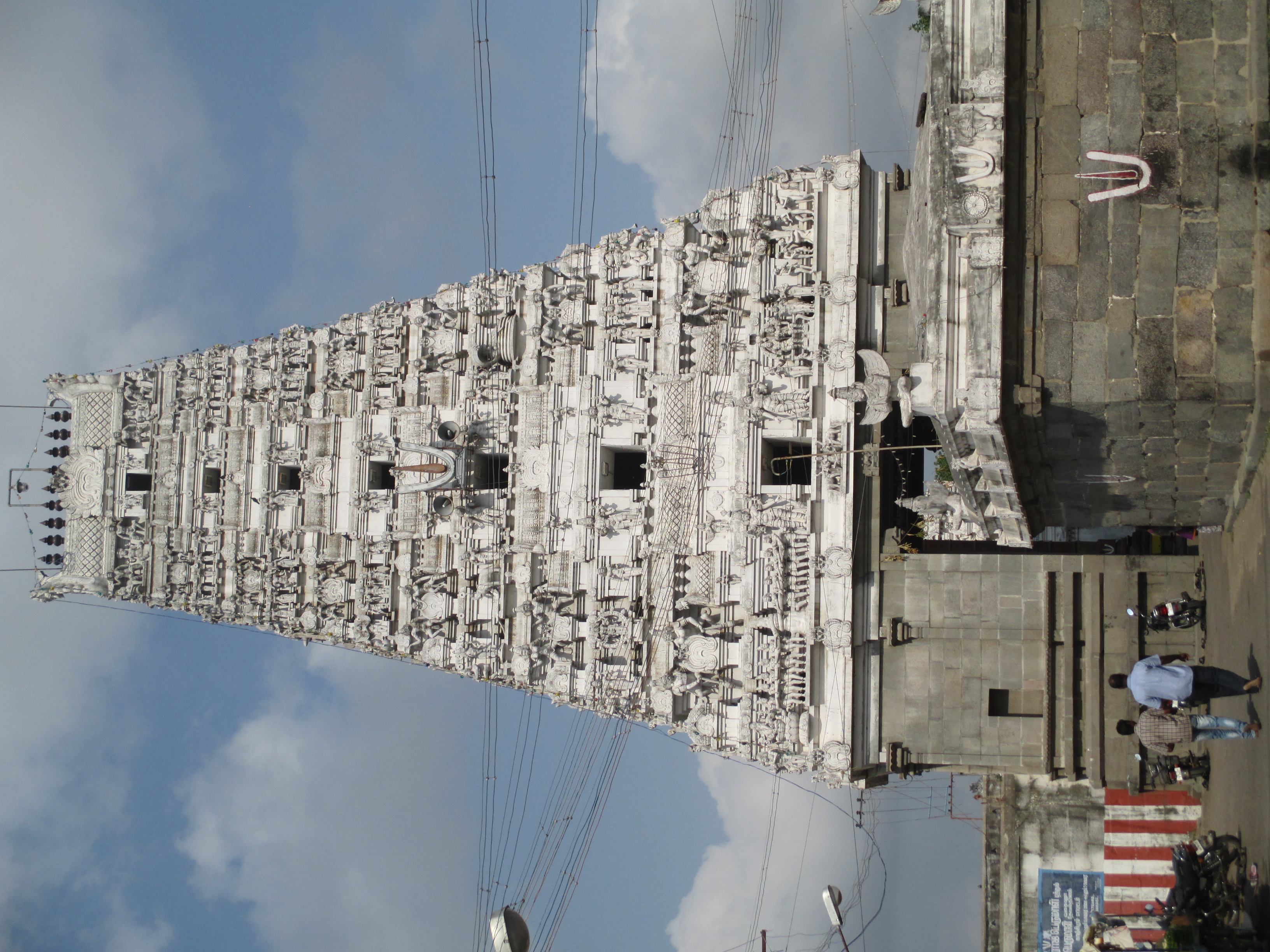
Sundaravarada Perumal Temple
About Sundaravarada Perumal Temple
The temple was originally constructed by the Pallava dynasty around 750 CE under King Nandivarman II, who modeled it after the Vaikuntantha Perumal temple in nearby Kanchipuram. Built in the Dravidian architectural style characteristic of South Indian temples, the structure reflects the aesthetic principles of its era. Over subsequent centuries, the temple received additions and modifications from multiple ruling powers. The Cholas, who controlled the region from the late 9th century onward, made documented contributions during the reigns of Parantaka Chola I, Rajaraja Chola I, Rajendra Chola I, and Kulothunga Chola I. Later dynasties—including the Pandyas, Vijayanagara Rayas under Krishnadevaraya, and the Nayaks—also left their mark on the temple complex. This layered history makes the temple an architectural palimpsest, with each period adding to its physical and spiritual character.
Inscriptions and Historical Records
The temple is particularly renowned for the inscriptions preserved within its walls. These ancient records document not only religious donations and temple administration but also provide evidence of an electoral system called Kudavolai that operated during the Chola period. This system involved the democratic selection of local representatives, making the temple an invaluable historical document for understanding early forms of governance in South India. Visitors interested in history and epigraphy will find the temple's inscriptions of considerable scholarly interest.
Daily Worship and Darshan
The temple opens for darshan twice daily: from 6:00 AM to 12:00 PM in the morning, and from 4:00 PM to 9:00 PM in the evening. Morning and evening aartis (ritual worship ceremonies) are performed, though exact timings may vary with seasonal changes and festival schedules. Devotees should confirm current timings before visiting, as temple schedules are subject to adjustment. The temple follows the traditional rhythms of Hindu worship, with the morning hours typically offering a quieter atmosphere for personal prayer, while evenings draw larger congregations for the evening aarti.
Best Time to Visit
The optimal period for visiting Sundaravarada Perumal Temple is between October and March, when the South Indian climate is cooler and more comfortable for travel and extended time spent in the temple grounds. The summer months (April to June) bring intense heat to Tamil Nadu, while the monsoon season (July to September) can make travel challenging. During the cooler months, visitors can more easily explore the temple's architectural details and spend time in contemplation without the discomfort of extreme temperatures.
Practical Information for Visitors
The temple is located in Uthiramerur, a village in Tamil Nadu approximately 50 kilometers from Kanchipuram. Visitors should dress modestly, as is customary when entering Hindu temples—women typically wear salwar kameez, sarees, or other conservative clothing, while men wear dhotis or simple trousers and shirts. Shoes are removed before entering the inner sanctum. The temple grounds are generally accessible, though visitors should be prepared for the typical layout of South Indian temples, which may involve navigating multiple courtyards and passages. Photography policies vary; it is advisable to inquire with temple staff before taking photographs. Those wishing to participate in special pujas or seek VIP darshan arrangements should contact the temple in advance to confirm availability and procedures.
How to reach
Temples near Sundaravarada Perumal Temple
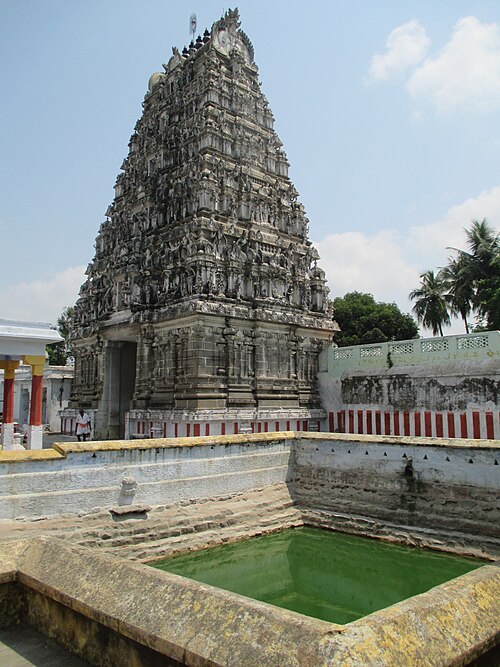
Thirumakaraleeswarar Temple
Thirumakaraleeswarar Temple is a Shaivite shrine in Magaral village, Kanchipuram district, where Shiva is worshipped as Thirumakaraleeswarar through the lingam. The temple is re…
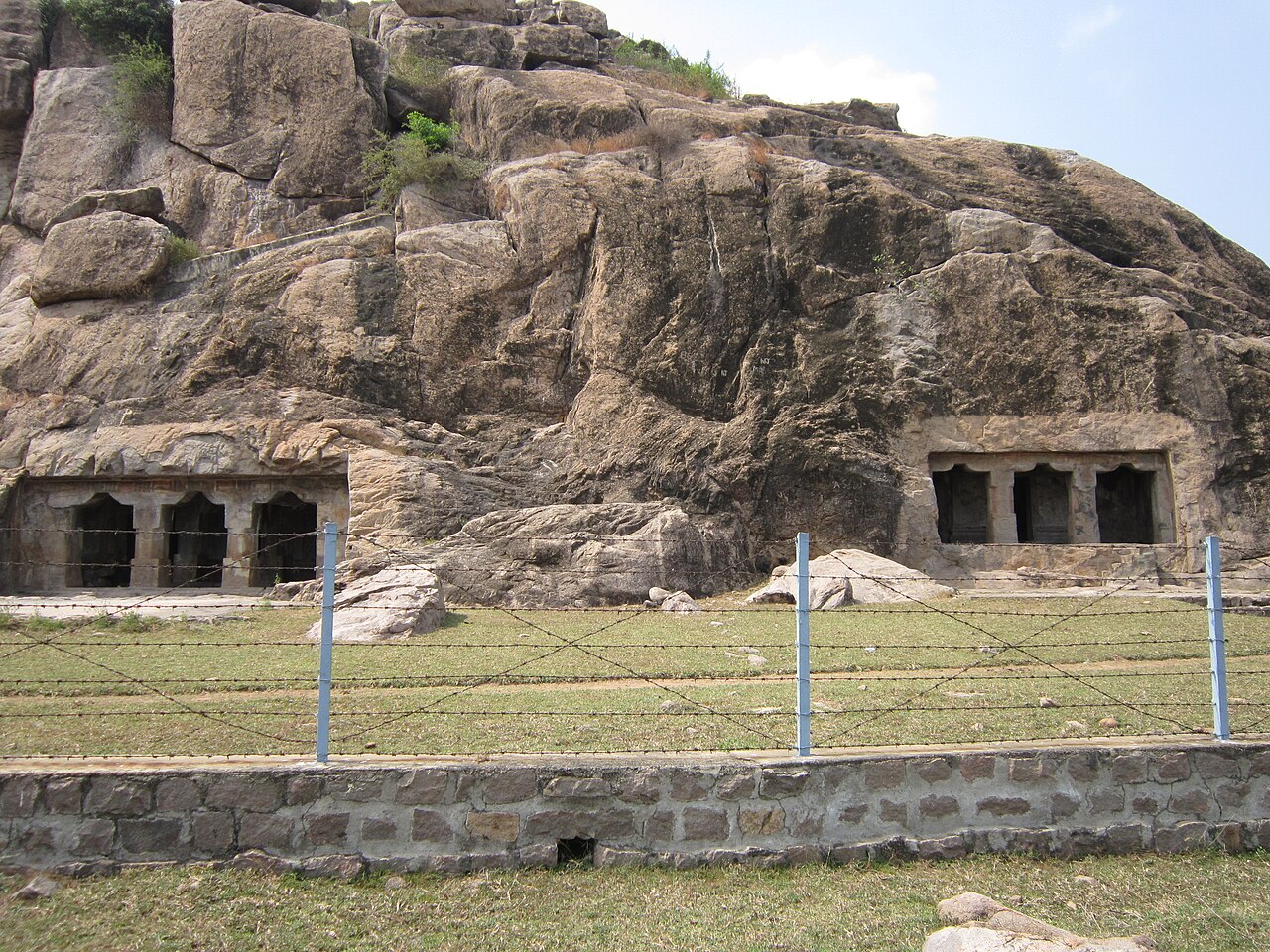
Mamandur Cave temple
Mamandur Cave temple is a Hindu shrine located in Mamandur, Tamil Nadu, situated in the Kanchipuram district region.

Kalakattur Agneeswarar Temple
Kalakattur Agneeswarar Temple is a Hindu shrine dedicated to Lord Shiva, located in Tamil Nadu's Thiruvallur district.
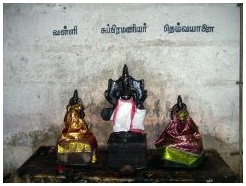
Kuranganilmuttam rock-cut shrine
Kuranganilmuttam Valeeswarar Temple is a Shiva shrine in Tamil Nadu's Tiruvannamalai district, revered as one of the 275 Paadal Petra Sthalams glorified in the Tevaram hymns of…
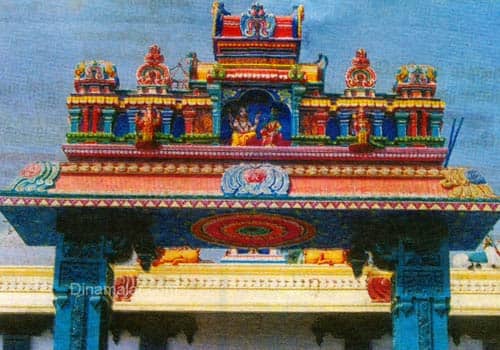
Agastheesvarar Temple, Purisai
Agastheesvarar Temple in Purisai is an ancient Shiva shrine over 1000 years old, dedicated to Lord Shiva and associated with the sage Agasthya in Tamil Nadu's southernmost region.

Eri-Katha Ramar Temple
Eri-Katha Ramar Temple in Maduranthakam is an ancient Vaishnavite shrine dedicated to Lord Rama, revered as a protector of the local lake and honored as one of the 108 Abhimana…