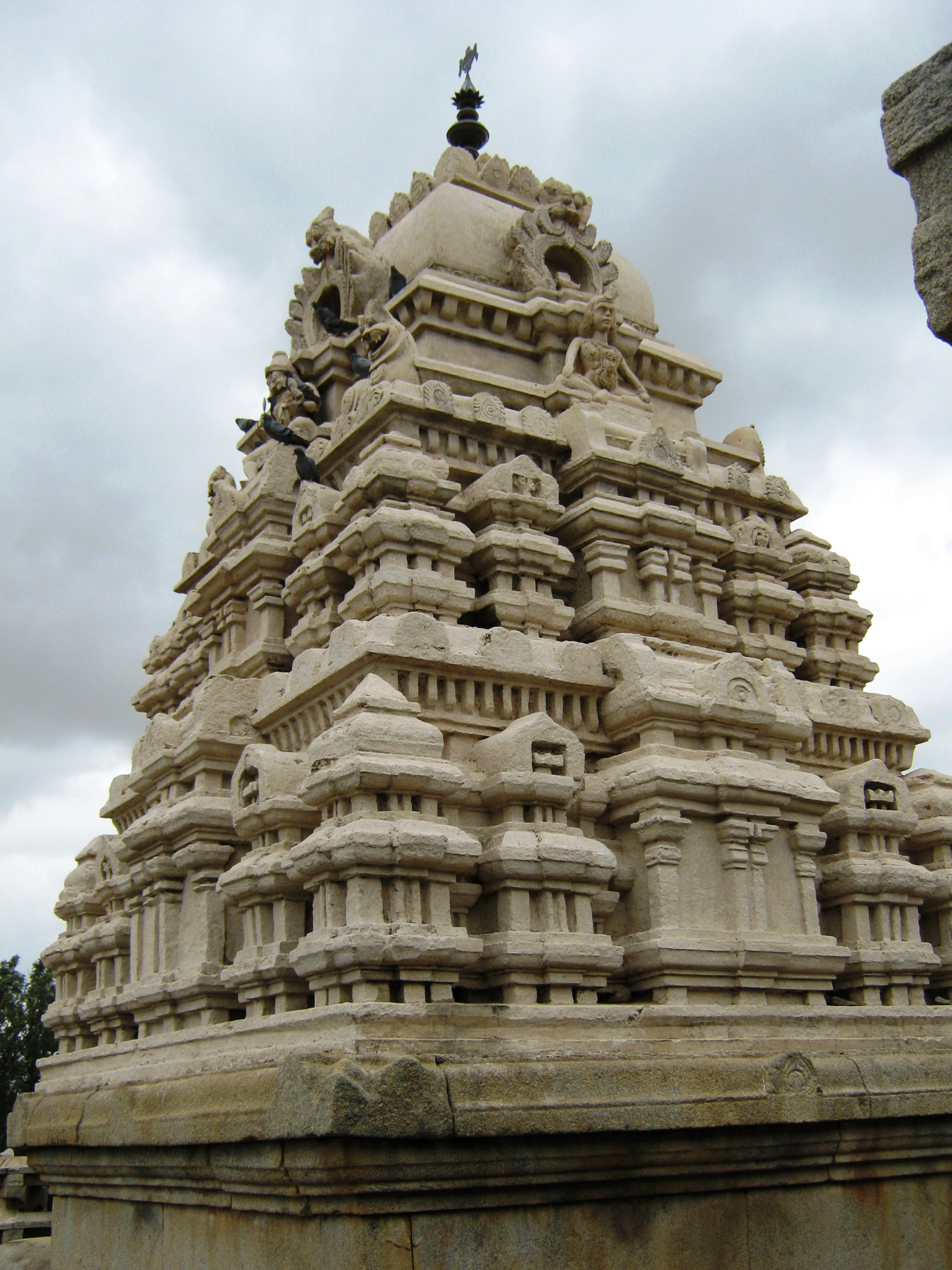


Veerabhadra Temple
About Veerabhadra Temple
The temple was built in 1530 CE by brothers Viranna and Virupanna during the Vijayanagar Empire, a period of considerable architectural and cultural flourishing in South India. The Skanda Purana recognises this temple as one of the Divyakshetras—sacred pilgrimage destinations of particular spiritual importance. The construction reflects the ambitions and resources of its patrons, resulting in a structure that has endured nearly five centuries.
Architectural Distinction
The temple exemplifies Vijayanagara-period Dravidian craftsmanship. Approximately 70 intricately carved stone pillars support the sanctuary, each demonstrating the precision and artistry characteristic of the era. The most celebrated architectural feature is the Aakaasa Sthambha—a hanging pillar that appears to defy gravity, creating an optical and structural marvel that draws visitors' attention. Equally impressive is a monolithic Nandi sculpture measuring 27 feet in length and 15 feet in height, among India's largest single-stone representations of Shiva's mount. A giant footprint, believed by tradition to belong to either Sita or Hanuman, adds another layer of mythological resonance to the site.
Daily Worship and Rituals
The temple maintains a structured daily schedule of worship. Darshan (viewing of the deity) is available from 06:00 to 18:00, with morning darshan from 06:00 to 13:00 and evening darshan from 14:00 to 18:00. Several ritual observances punctuate the day: Suprabhata Seva Aarti begins at 06:00, followed by Abhishekam (ritual bathing of the deity) at 07:00, Alankara Pooja Aarti (decoration ritual) at 10:00, and Maha Mangala Aarti at 19:00. These ceremonies follow the rhythms typical of major Shaiva temples, where the deity is awakened, bathed, adorned, and honoured through the day. Visitors may participate in darshan during these times, though it is advisable to confirm timings before travelling, as schedules may vary on festival days.
Visiting Information
The temple is located at coordinates 13.8018°N, 77.6096°E in Lepakshi, Anantapur District, Andhra Pradesh 515331. The most pleasant season for visiting is October to February, when weather conditions are cooler and more comfortable for travel and temple exploration. Visitors should dress modestly, as is customary at Hindu temples; women typically wear salwar kameez, sarees, or equivalent modest clothing, while men wear dhotis or simple trousers and shirts. Shoes are generally removed before entering the inner sanctum. Photography policies vary; it is respectful to ask permission before photographing rituals or the deity. The temple's carved pillars and monolithic sculptures reward careful observation, so allowing adequate time for viewing the architectural details is worthwhile.
Reaching the Temple
Lepakshi is accessible by road from Anantapur town and other nearby cities in Andhra Pradesh. The village is well-connected by local transport, though hiring a taxi or travelling by private vehicle offers greater flexibility for exploring the site and its surroundings. The temple's location on a hillock means some walking is involved; visitors should wear comfortable footwear for the approach. The nearest major city with rail and air connections is Bangalore, approximately 150 kilometres away, making it feasible as a day trip or part of a broader regional pilgrimage circuit.
How to reach
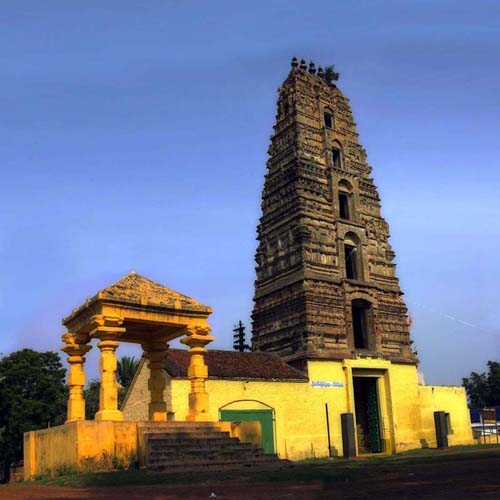
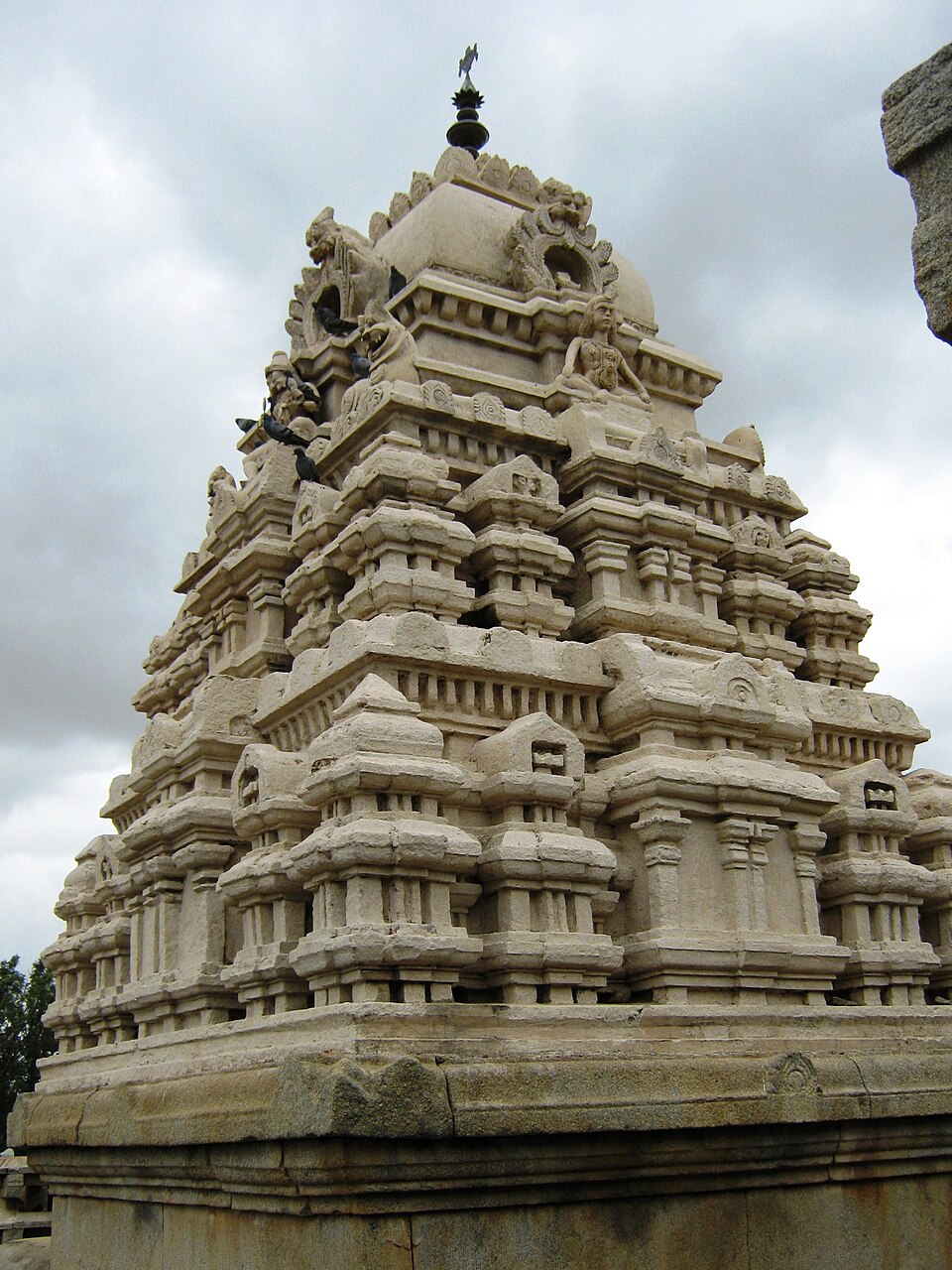
Temples near Veerabhadra Temple
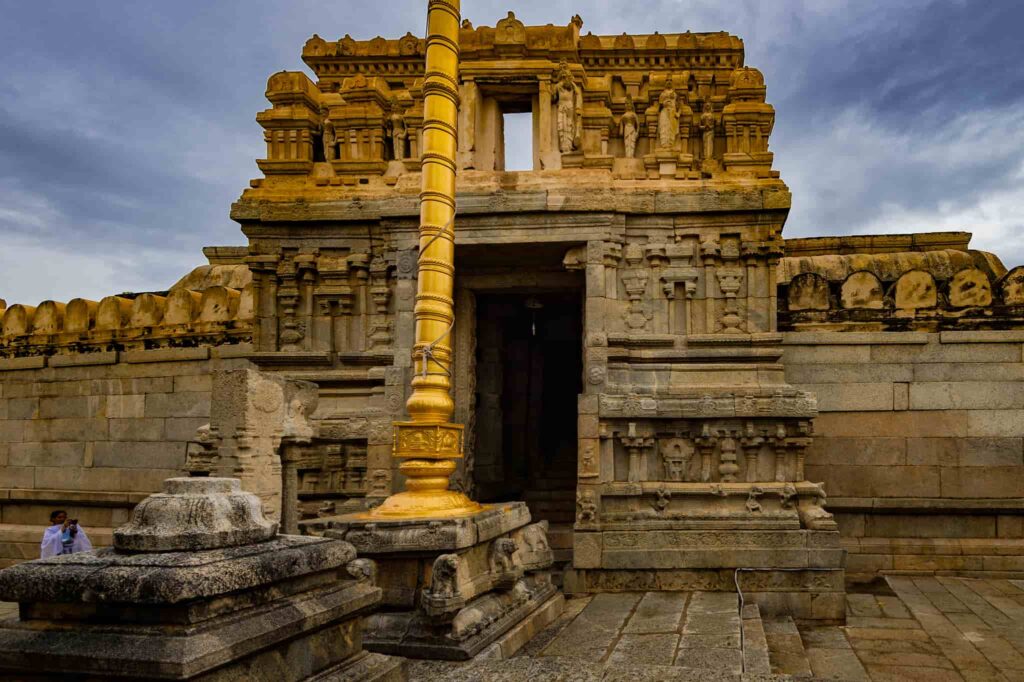
Lepakshi
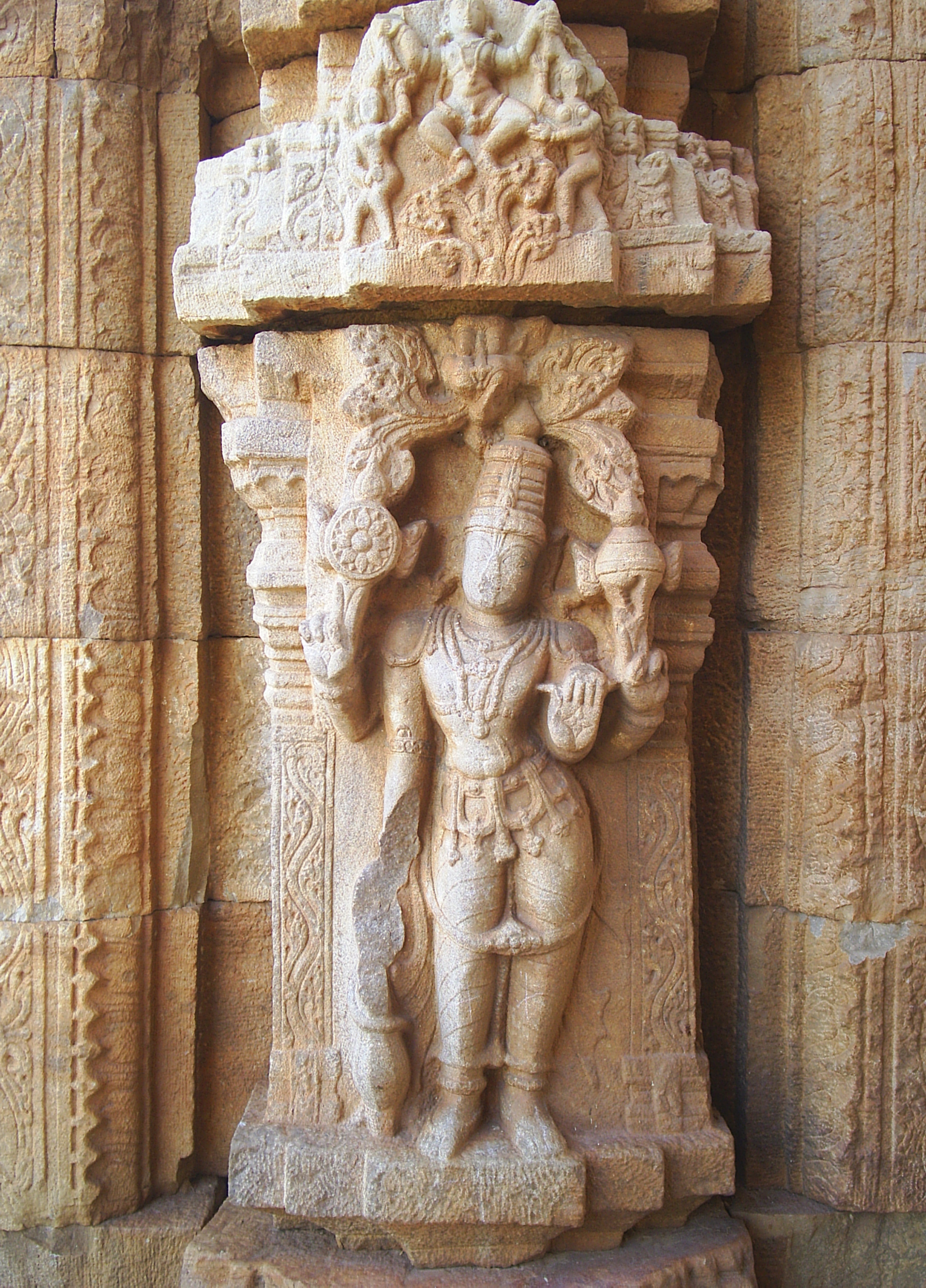
Lepakshi Veerabhadra Temple is a 16th-century Vijayanagara-era shrine dedicated to Lord Veerabhadra, a fierce form of Lord Shiva, renowned for its hanging pillar, monolithic Nan…
Madhavaraya Temple
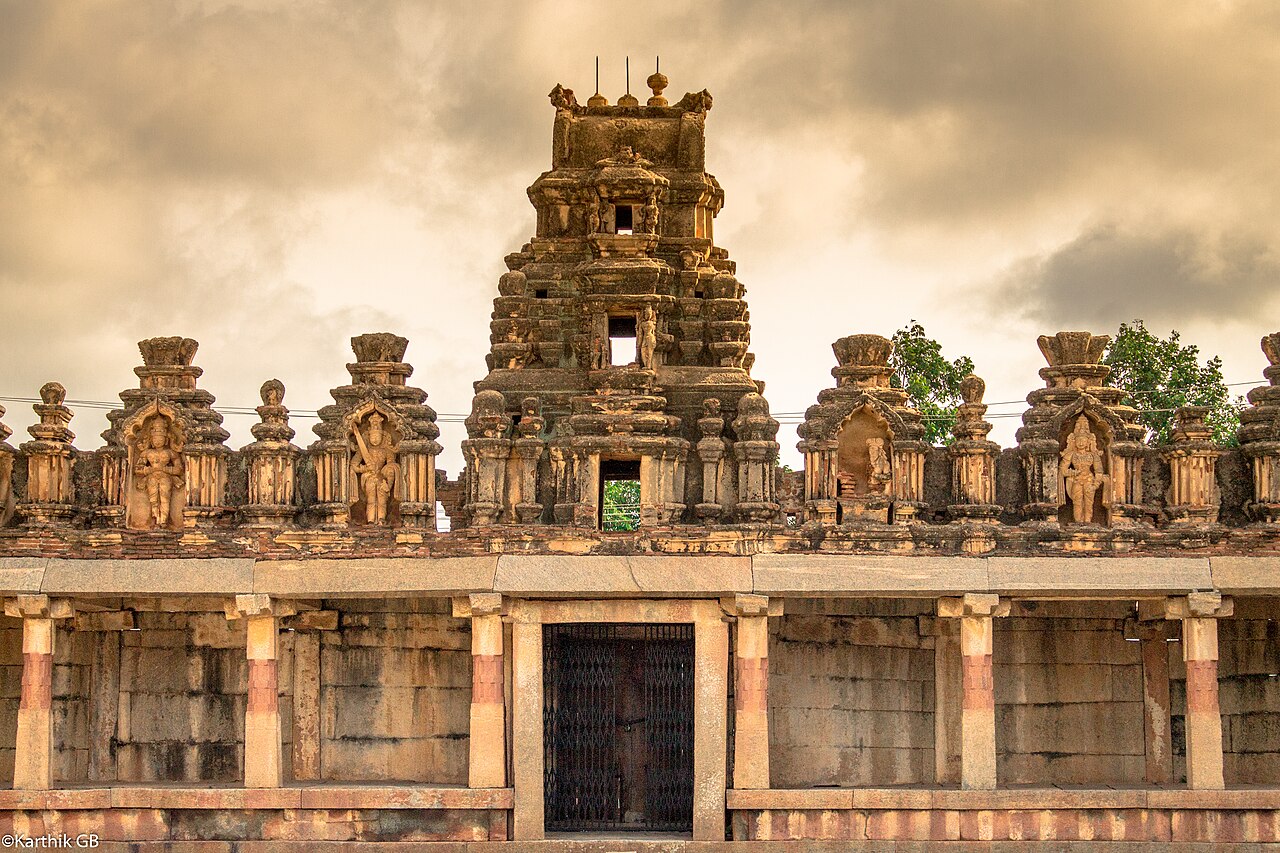
Madhavaraya Temple is a 16th-century Hindu shrine dedicated to Krishna, uniquely integrated within Gandikota Fort in Andhra Pradesh's Kadapa district and designated a Monument o…
Bhoga Nandeeshwara Temple
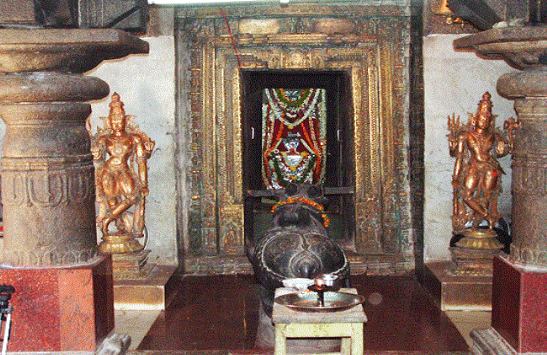
Bhoga Nandeeshwara Temple, an ancient Shiva shrine at the base of Nandi Hills in Karnataka, dates to the early 9th century and represents a significant blend of Dravidian archit…
Yoga Nandeeshwara Temple
Yoga Nandeeshwara Temple is an ancient Shiva shrine atop Nandi Hills in Chikkaballapur district, Karnataka, built during the Chola period and renowned for its intricate stone ca…
Goravanahalli Mahalakshmi Temple
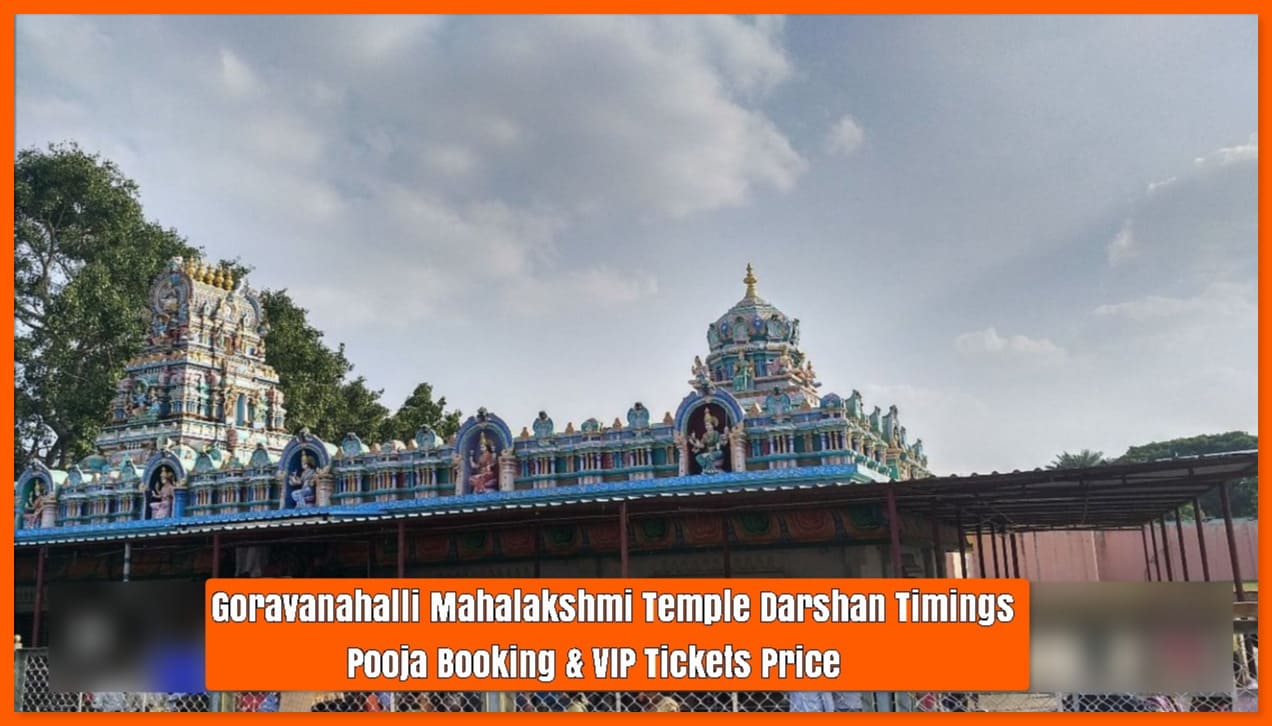
Goravanahalli Mahalakshmi Temple in Tumkur district, Karnataka, is a Hindu shrine dedicated to Goddess Mahalakshmi, believed to house a self-manifested idol discovered by a cowh…

Venugopalaswamy Temple, Devanahalli
The Venugopalaswamy Temple, situated within Devanahalli Fort northeast of Bangalore, is a Dravidian-style shrine dedicated to Vishnu that dates to the post-Vijayanagara period a…