Madhavaraya Temple
About Madhavaraya Temple
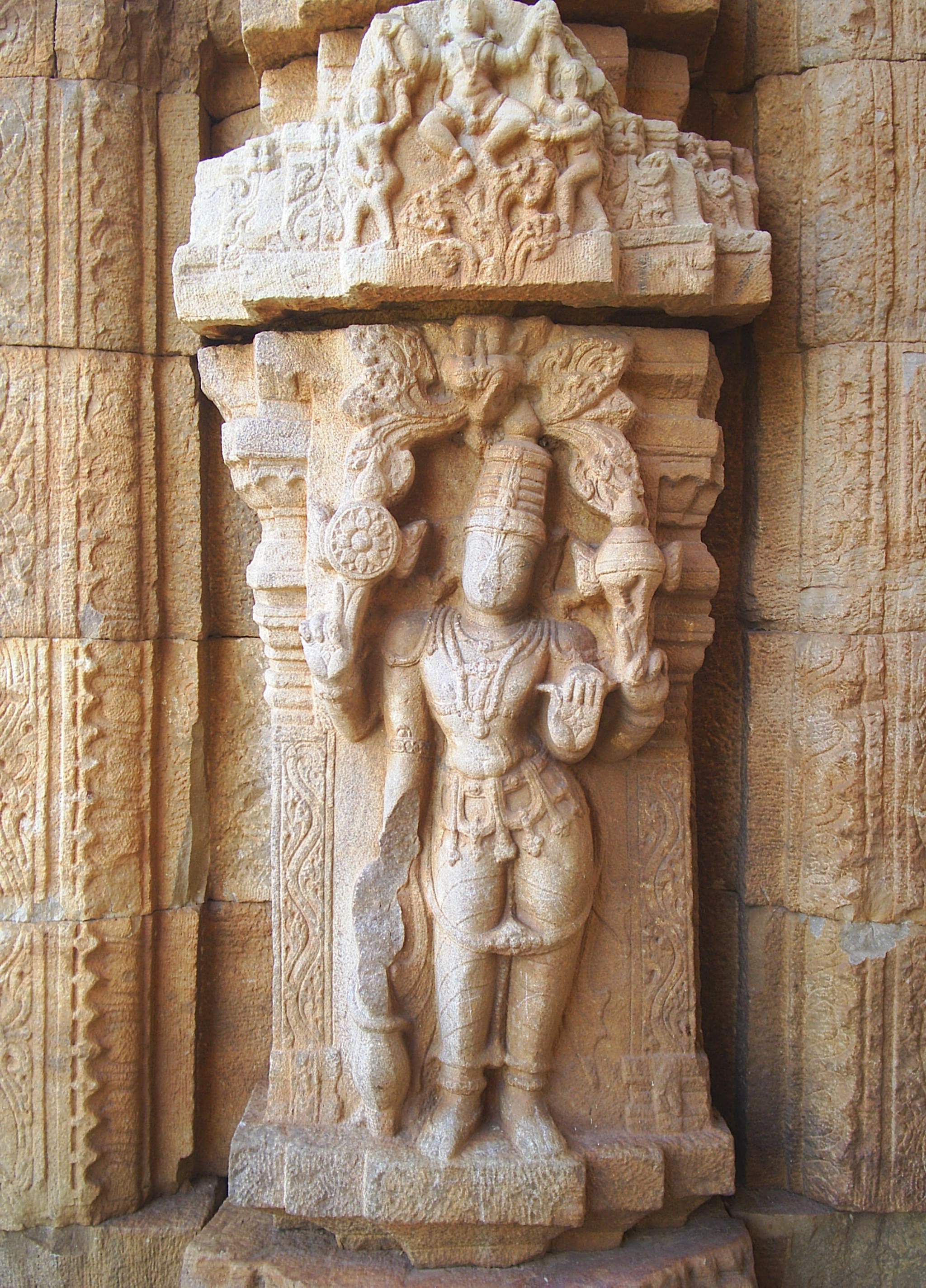
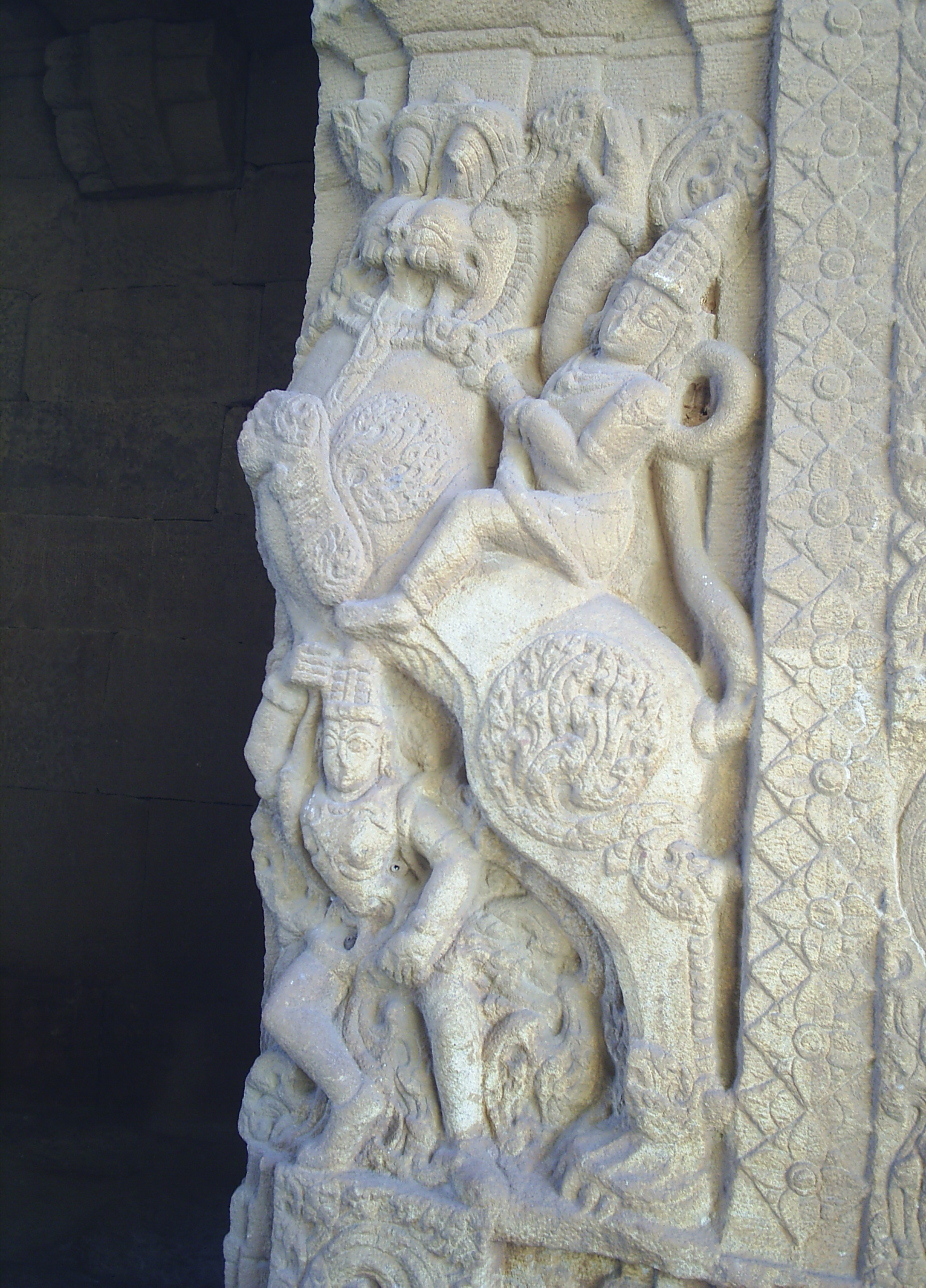
The temple was established during the 16th century, a period of considerable temple construction across South India. Beyond this founding date, the sources do not provide details about its builders, patrons, or the specific circumstances of its creation. What is clear is that the shrine has endured for over four centuries, maintaining its role as a place of worship within the fort's walls. Visitors interested in the temple's architectural style, sculptural details, or historical development are encouraged to consult with local authorities or the Kadapa district administration, who may have access to more detailed records.
The Fort Context
Unlike temples situated in villages or towns, Madhavaraya Temple is integrated into Gandikota Fort, a fortified historical site. This setting means that a visit combines religious observance with engagement with the region's broader architectural and military heritage. The fort's presence shapes practical aspects of a visit: access may be governed by fort regulations, separate entry procedures or tickets may apply, and visiting hours may be coordinated with the fort's opening times. Parking, facilities, and the flow of visitors are all influenced by the fort's management. Before travelling, it is advisable to contact the Kadapa district administration or local authorities to confirm current access arrangements and whether the temple can be visited independently or only during designated fort visiting hours.
Visiting the Temple: Dress and Conduct
As with Hindu temples generally, modest dress is customary at Madhavaraya Temple. Visitors should cover shoulders and knees as a mark of respect. Footwear is typically removed before entering the inner sanctum, following the practice observed across Hindu places of worship. The temple's location within a fort may mean that additional guidelines apply—for instance, restrictions on photography or particular areas of the complex that are off-limits to visitors. These details should be confirmed locally before arrival.
The sources do not provide specific information about darshan timings, daily rituals, or seasonal observances at this particular temple. Visitors planning worship or extended time at the shrine should contact the Kadapa district administration or local temple authorities in advance to learn about current schedules for aarti (ritual worship with lamps), prasad (blessed food offerings), or any special observances.
Reaching Kadapa District
Kadapa district is located in South India within Andhra Pradesh. The nearest major city is Tirupati, a significant pilgrimage centre in its own right. Gandikota Fort, where the temple stands, is situated at coordinates 13.984187, 77.767007. Visitors travelling from Tirupati or other parts of Andhra Pradesh should plan their route via local roads to the fort complex. Transport options, accommodation near the fort, and the best times to visit should be confirmed with local tourism offices or the district administration, as these details are not specified in available sources.
Planning Your Visit
Before setting out, contact the Kadapa district administration or local authorities to confirm the temple's current access arrangements, visiting hours, and any requirements specific to the fort complex. Enquire whether the temple can be visited year-round or whether certain seasons or days are preferred for worship. Ask about facilities such as water, rest areas, or nearby accommodation. Given the temple's status as a Monument of National Importance and its location within a fortified site, advance planning will ensure a respectful and uninterrupted visit.
How to reach
Temples near Madhavaraya Temple
Veerabhadra Temple
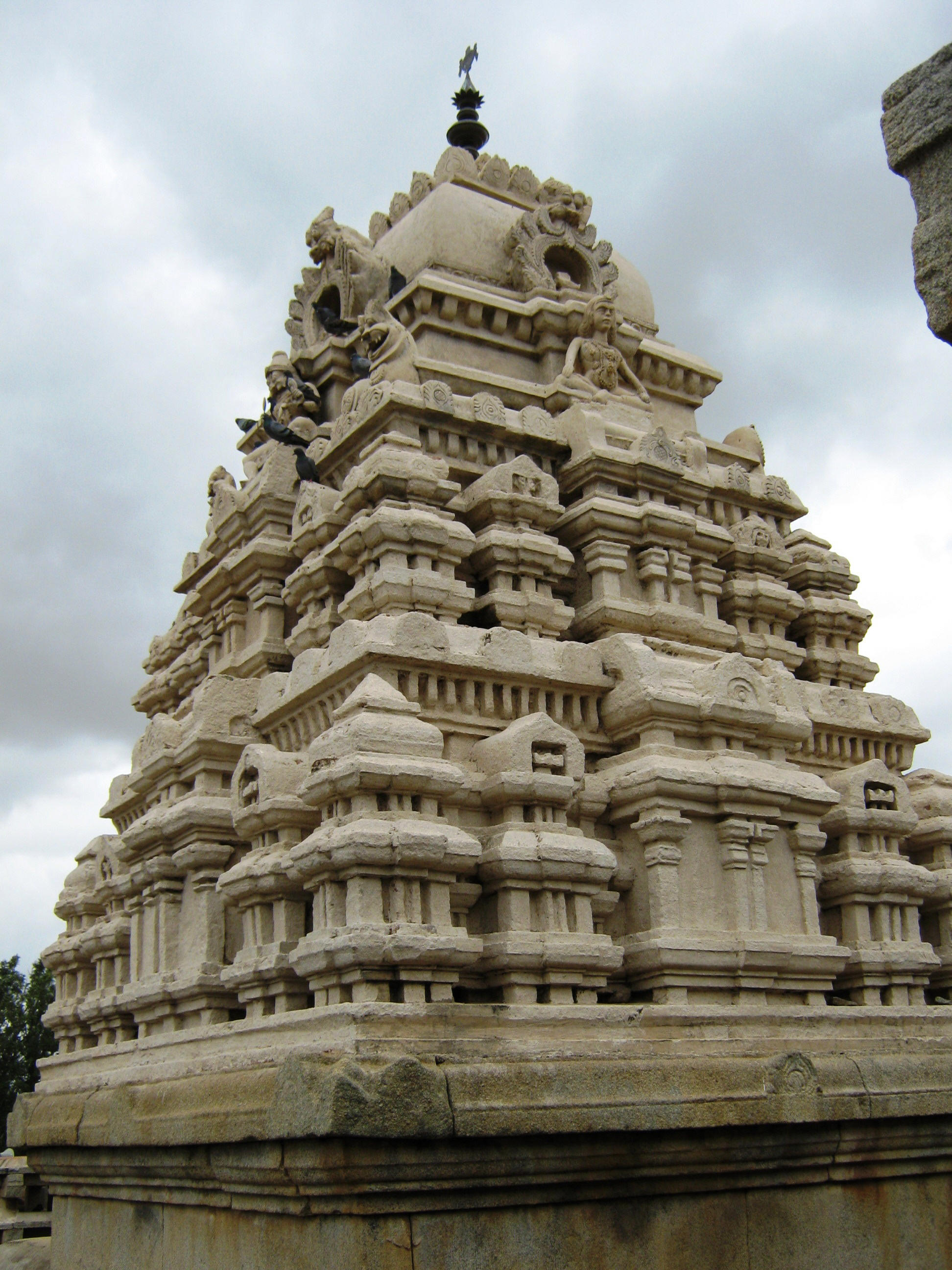
Veerabhadra Temple in Lepakshi is a Vijayanagara-era shrine dedicated to Virabhadra, a fierce manifestation of Shiva, renowned for its architectural marvels including a celebrat…
Lepakshi
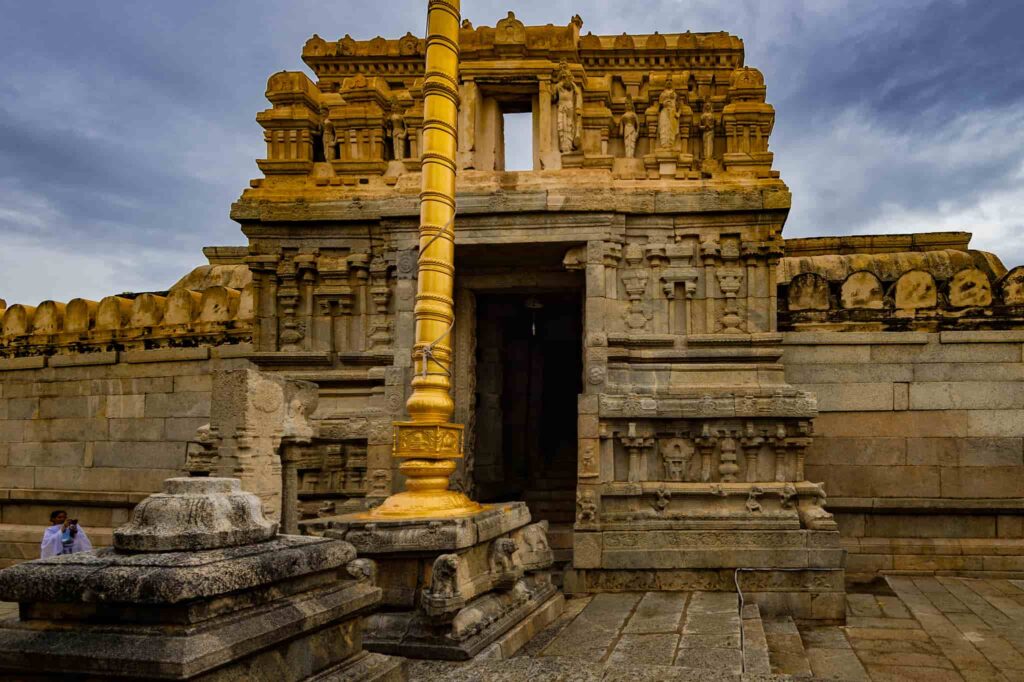
Lepakshi Veerabhadra Temple is a 16th-century Vijayanagara-era shrine dedicated to Lord Veerabhadra, a fierce form of Lord Shiva, renowned for its hanging pillar, monolithic Nan…
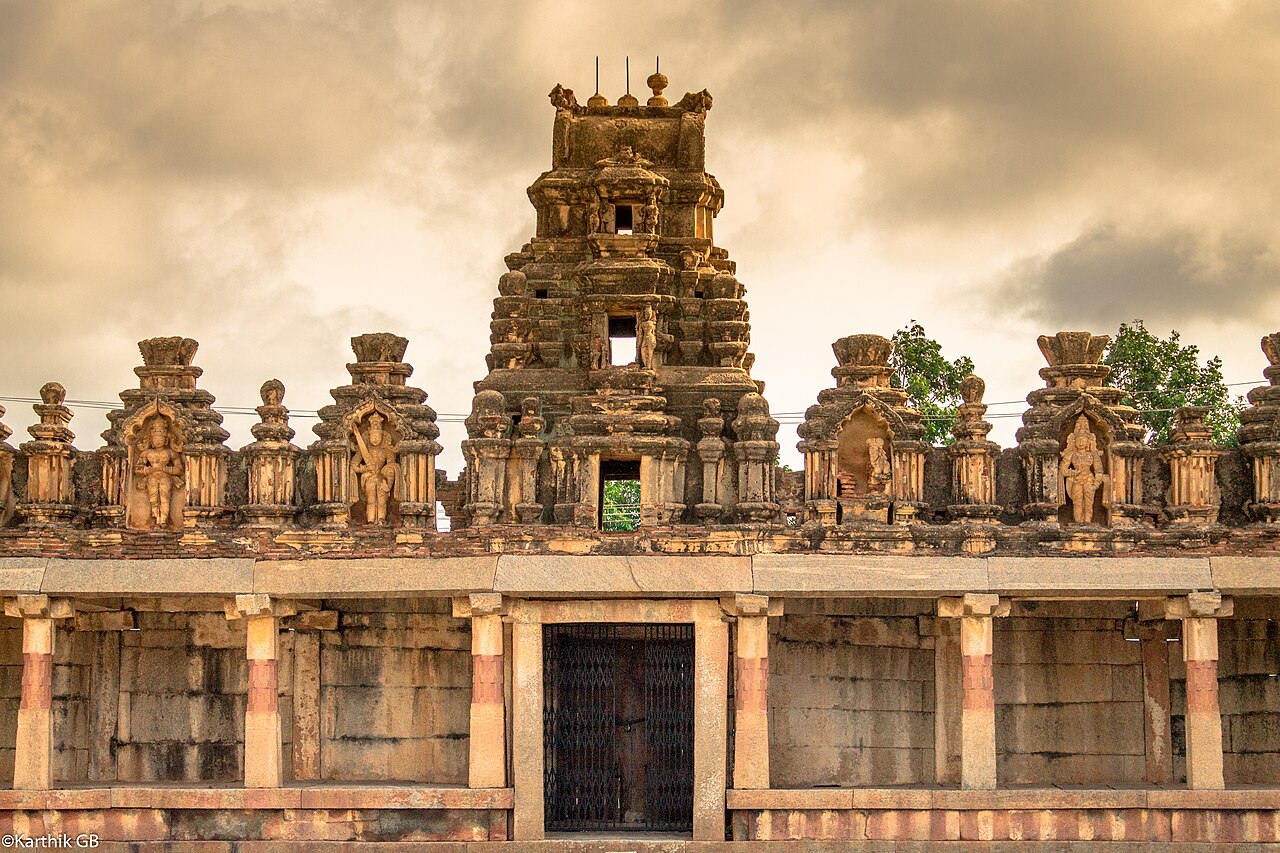
Bhoga Nandeeshwara Temple
Bhoga Nandeeshwara Temple, an ancient Shiva shrine at the base of Nandi Hills in Karnataka, dates to the early 9th century and represents a significant blend of Dravidian archit…
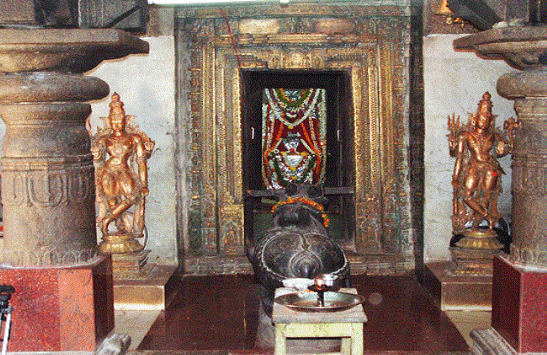
Yoga Nandeeshwara Temple
Yoga Nandeeshwara Temple is an ancient Shiva shrine atop Nandi Hills in Chikkaballapur district, Karnataka, built during the Chola period and renowned for its intricate stone ca…
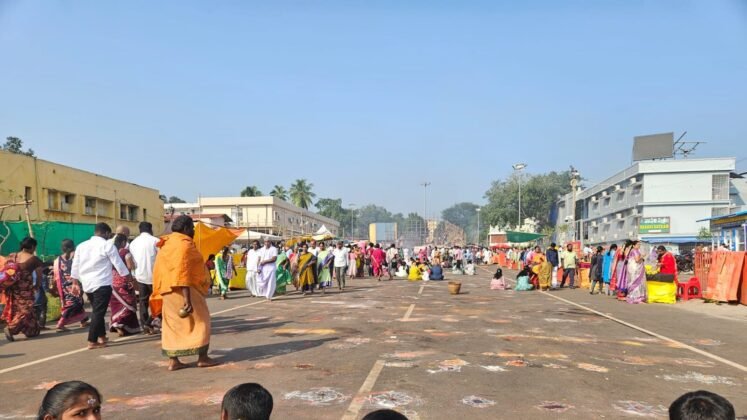
Kambaduru Mallikarjuna temple
Mallikarjuna Temple in Srisailam is a major pilgrimage destination revered as both a Jyotirlinga dedicated to Shiva and a Shakta Pitha honoring the goddess Parvati as Bhramaramba.
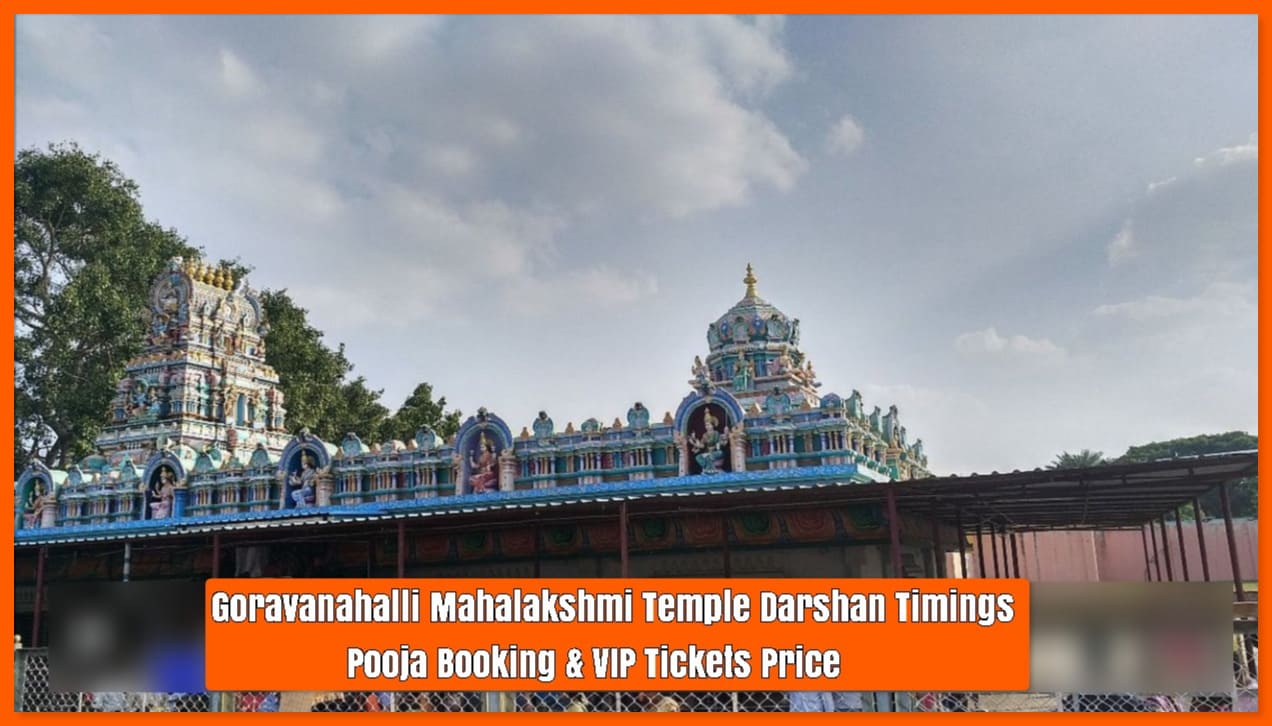
Goravanahalli Mahalakshmi Temple
Goravanahalli Mahalakshmi Temple in Tumkur district, Karnataka, is a Hindu shrine dedicated to Goddess Mahalakshmi, believed to house a self-manifested idol discovered by a cowh…