Bhoga Nandeeshwara Temple
About Bhoga Nandeeshwara Temple
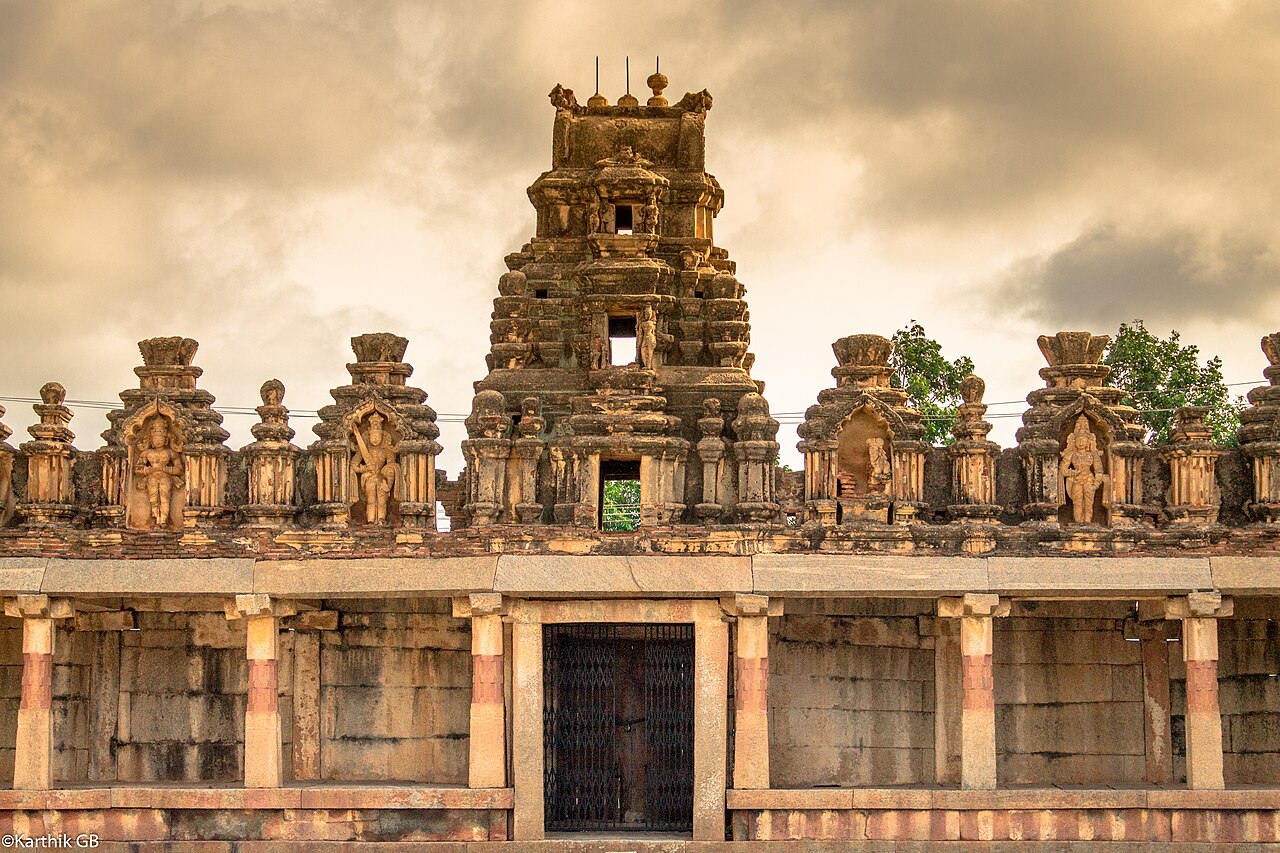
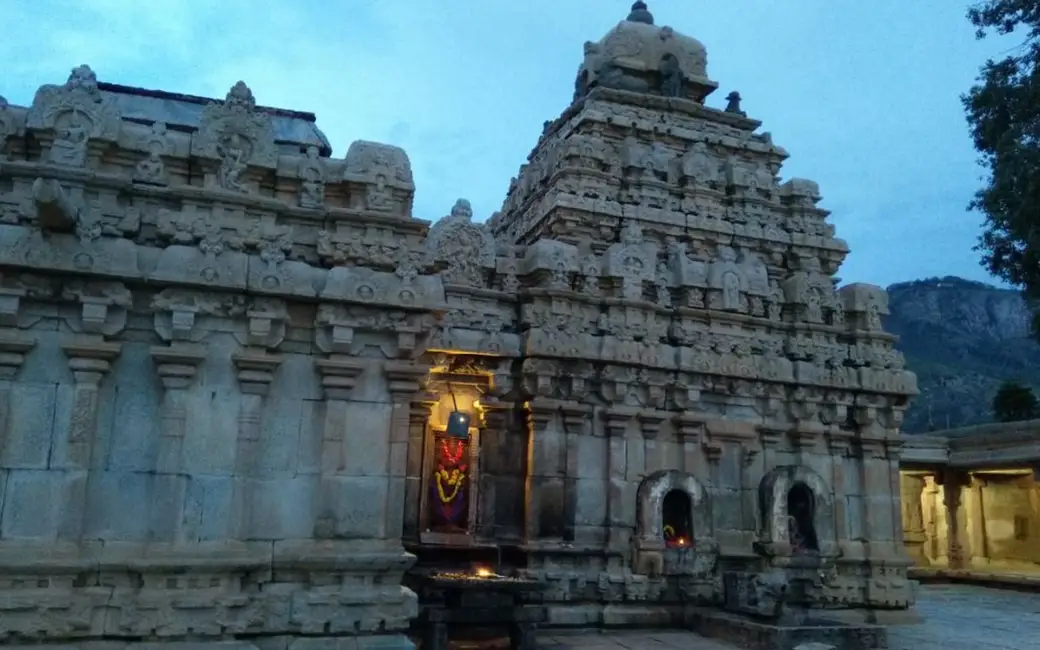
The temple's construction began in the early 9th century under Bana Queen Ratnavali, placing its origins in the Chola period. What distinguishes Bhoga Nandeeshwara is not a single founding moment but rather successive layers of patronage and building. The Nolamba, Rashtrakuta, Ganga, Chola, Hoysala, and Vijayanagara dynasties each contributed to the temple over centuries, each leaving architectural and artistic marks. This accumulated history is preserved today through its designation as an ASI-protected monument, ensuring that the intricate carvings and structural details that embody these different periods remain safeguarded for future visitors.
Dravidian Architecture and Design
The temple exemplifies Dravidian architectural principles, the dominant style of South Indian temple construction. The sources note the presence of intricate carvings throughout the complex, though specific details of the layout, gopurams, or sculptural programmes are not provided in available records. Visitors interested in architectural study will find the temple's ASI protection significant—it means the structure has undergone professional documentation and conservation assessment. The interplay of styles from multiple dynasties creates a palimpsest of design choices across the complex, rewarding careful observation.
Daily Worship and Darshan
The temple opens at 6:00 AM and closes at 8:00 PM on regular days. Darshan is available in two windows: morning from 6:00 AM to 1:00 PM, and evening from 4:00 PM to 8:00 PM. The temple remains closed during midday hours for rituals and maintenance, though the sources note that three separate shrines remain accessible throughout the day. Daily rituals include a morning abhishekam at 7:00 AM, midday pooja at noon, and evening aarti at 6:30 PM. On Pradosham days—the fortnightly observance sacred to Shiva—a Pradosha Puja takes place at 6:00 PM. Early morning visits between 5:00 and 8:00 AM offer a quieter experience, while the evening aarti provides an opportunity to witness the temple's ritual life at its most visible. Winter months from November through February provide pleasant visiting conditions.
Visiting Practicalities
A dress code is observed at the temple. Men should wear full-length trousers or traditional dhotis; women are expected to dress modestly. Visitors should verify current timings with temple authorities before travelling, as schedules may shift on festival days or due to special rituals. Accommodation options are available in the vicinity, with lodging starting from modest rates. The temple's location at the foot of Nandi Hills positions it within a broader pilgrimage geography, though specific transport details and nearby amenities are best confirmed locally or through the temple's direct contact.
Best Times to Visit
The temple welcomes visitors year-round, but certain periods offer distinct advantages. Early morning hours—between 5:00 and 8:00 AM—provide a serene atmosphere with fewer crowds and the opportunity to witness the morning abhishekam ritual. The evening aarti at 6:30 PM offers another focused moment of worship. For those planning longer visits, the winter months from November to February provide comfortable weather for exploring the temple and the surrounding Nandi Hills landscape. Festival days may alter regular schedules, so advance confirmation is advisable for those timing their visit to coincide with specific observances.
How to reach
Temples near Bhoga Nandeeshwara Temple
Yoga Nandeeshwara Temple
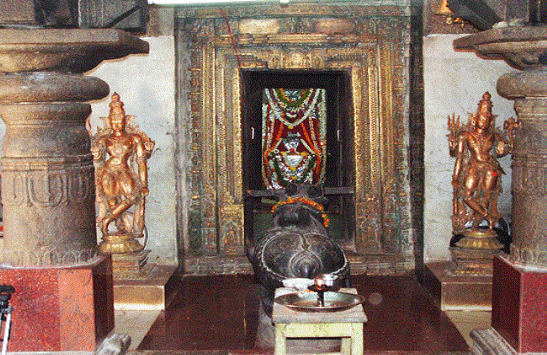
Yoga Nandeeshwara Temple is an ancient Shiva shrine atop Nandi Hills in Chikkaballapur district, Karnataka, built during the Chola period and renowned for its intricate stone ca…

Venugopalaswamy Temple, Devanahalli
The Venugopalaswamy Temple, situated within Devanahalli Fort northeast of Bangalore, is a Dravidian-style shrine dedicated to Vishnu that dates to the post-Vijayanagara period a…
Dharmesvara Temple
Dharmesvara Temple in Kondrahalli, Bangalore Rural, is an ancient shrine dedicated to Lord Dharmesvara with roots tracing to the Chola period.
Yelahanka Gate Anjaneya Temple
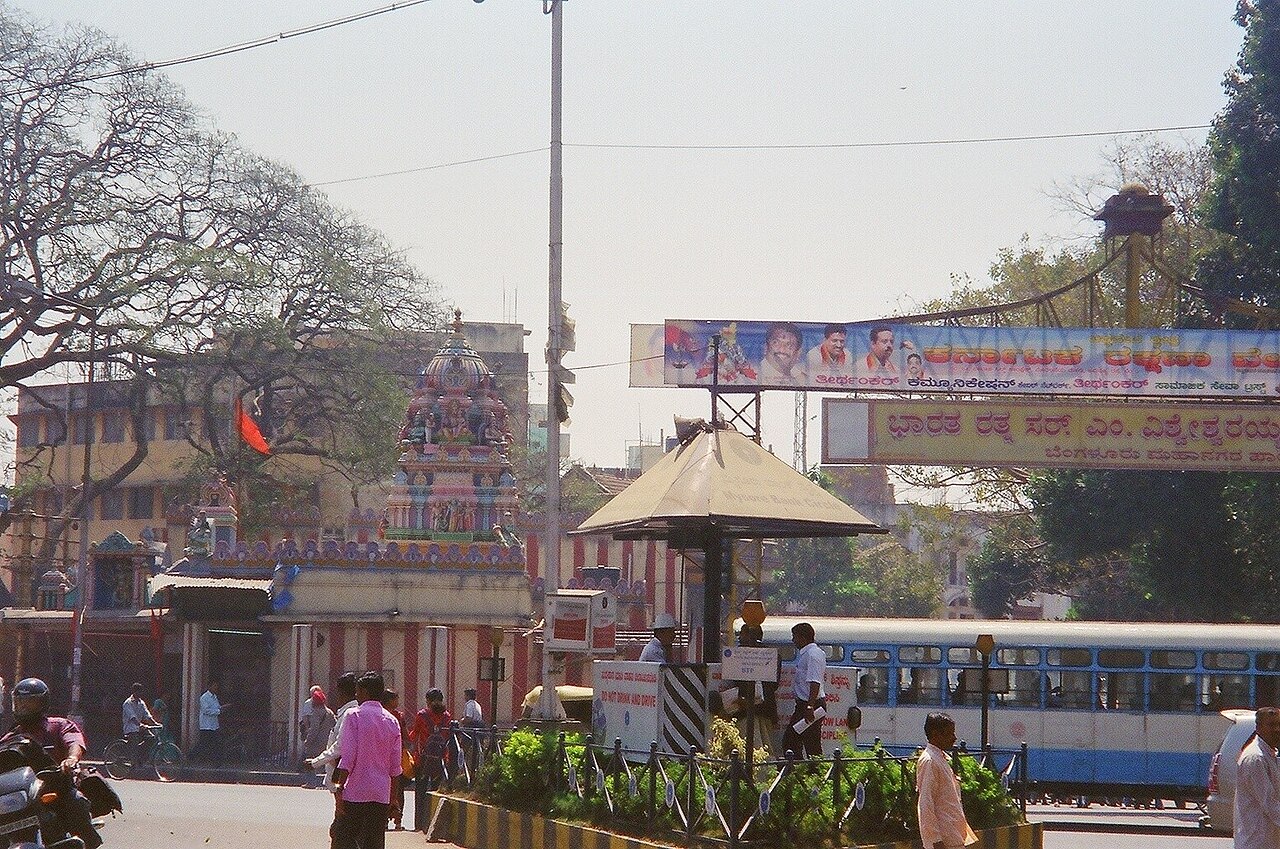
An ancient Hanuman temple in Bangalore's historic Cubbonpete district, founded by Kempegowda and named after the Yelahanka gate of the former fort.
Sri Ananda Lingeshwara Temple
Sri Ananda Lingeshwara Temple is a 13th-century Chola-era Hindu shrine dedicated to Lord Shiva, situated on Ananda Giri Hill in Hebbal, Bangalore, known for its serene spiritual…
Sharadamba Temple
Sharadamba Temple in Sringeri is the principal seat of the Dakshinamnaya Sri Sharada Peetham, one of four monastic institutions established by Adi Shankaracharya in the 8th cent…