Vankal Mata Temple
About Vankal Mata Temple
The temple is situated in Chohtan, a settlement in Barmer district in western Rajasthan. The coordinates place it at 25.745°N, 71.396°E. Barmer lies in the Thar Desert region, and visitors should plan their journey accordingly, as the area experiences extreme heat during summer months. The nearest major city is Jodhpur, which has road and rail connections to other parts of Rajasthan and India.
Visitors travelling to the temple will need to arrange transport to Chohtan and then to the hilltop shrine itself. The sources do not specify current road conditions or parking facilities, so it is advisable to make local enquiries before visiting.
The Hilltop Setting
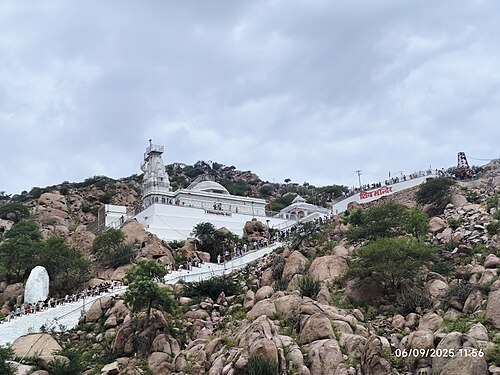
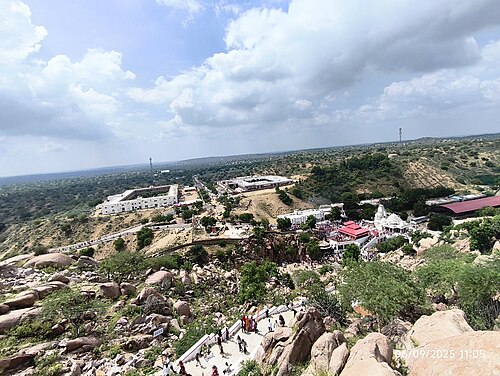
The temple's position atop Viratra hill is integral to its character and significance. Hilltop temples in Hindu tradition often symbolise elevation toward the divine, and the climb itself forms part of the pilgrimage experience. The elevated location would have offered both spiritual symbolism and practical advantages in the region's landscape.
The sources provide no details about the current state of pathways, steps, or facilities for those with mobility limitations. Visitors should be prepared for the physical demands of reaching a hilltop shrine and should carry water, particularly during warmer months.
Worship and Darshan
As a Mother Goddess temple, Vankal Mata Temple follows the devotional practices common to such shrines across northern India. Devotees typically visit to seek blessings, protection, and the grace of the divine feminine. The specific rituals, aarti timings, and darshan hours are not documented in the available sources, so visitors should make enquiries locally or contact the temple administration directly before planning their visit.
Temples dedicated to the Mother Goddess often observe special observances during Navratri, the nine-day festival honouring the goddess in her various forms, though the sources do not confirm whether Vankal Mata Temple maintains particular celebrations during this period.
Visiting the Temple
No specific information is available regarding darshan timings, entry fees, or facilities such as ablution areas, rest spaces, or refreshment options. Visitors should arrive with realistic expectations about amenities in a rural hilltop shrine and should carry sufficient water and sun protection.
Modest dress is customary when visiting Hindu temples. Shoes are typically removed before entering the inner sanctum. Photography policies vary by temple; it is respectful to ask permission before photographing the deity or the sanctum. The sources do not specify the temple's particular policies on these matters.
Planning Your Visit
The Barmer region experiences intense heat from May through September, with temperatures regularly exceeding 40°C. The cooler months from October through March are more suitable for pilgrimage. The sources do not indicate whether the temple remains accessible year-round or whether seasonal factors affect visiting conditions.
Before travelling, contact the temple or local authorities in Chohtan to confirm current access, any special observances, and practical details about facilities. The 900-year history of this shrine reflects its importance to the region's devotional life, and a visit rewards those who approach with patience and respect for local customs.
How to reach


Temples near Vankal Mata Temple
Viratra Vankal Mata Temple
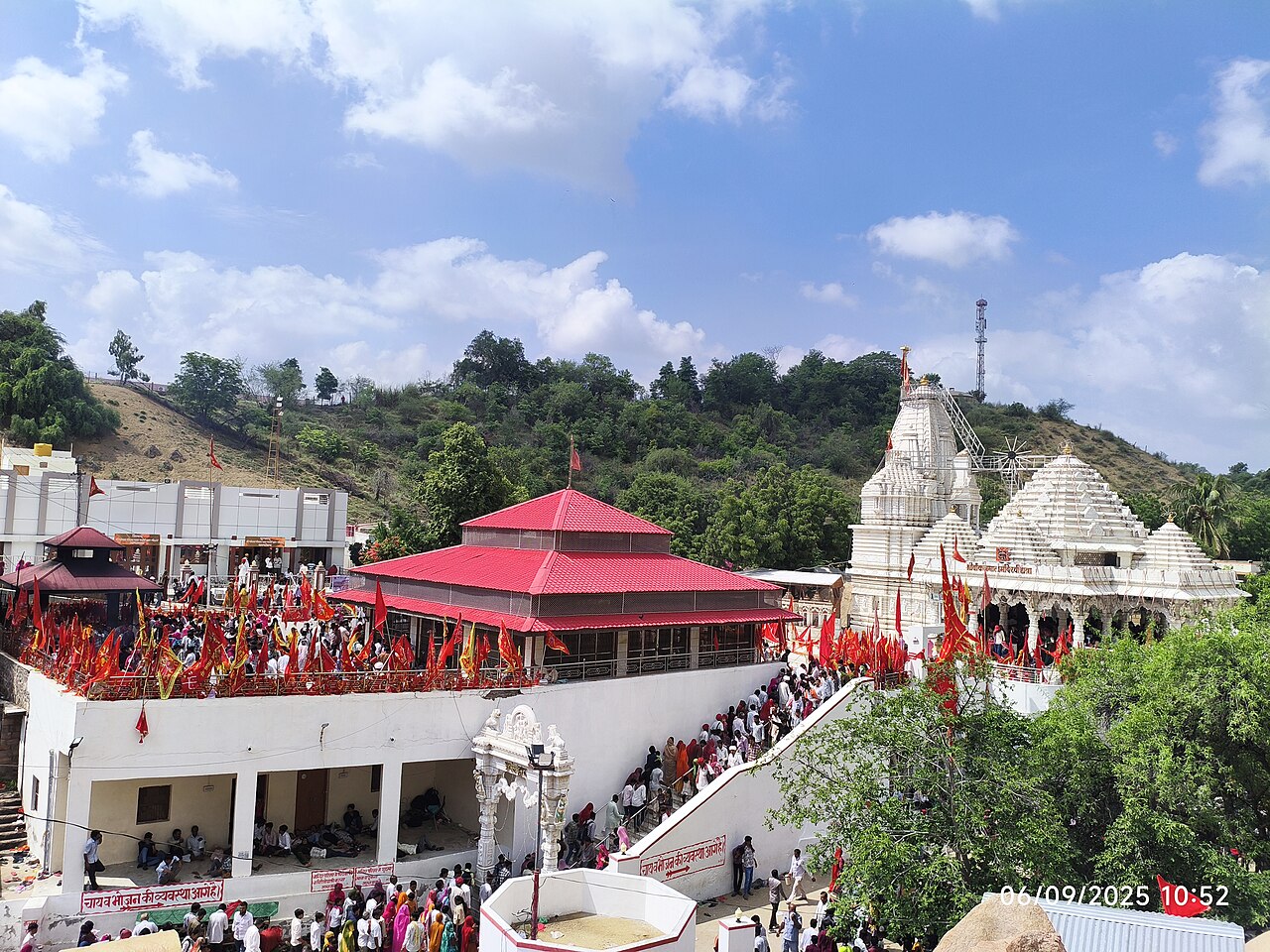
Vankal Mata Temple is a 900-year-old shrine dedicated to the Mother Goddess Vankal, an aspect of Durga, perched atop the Viratra hilltop in Barmer, Rajasthan.
Kiradu temples
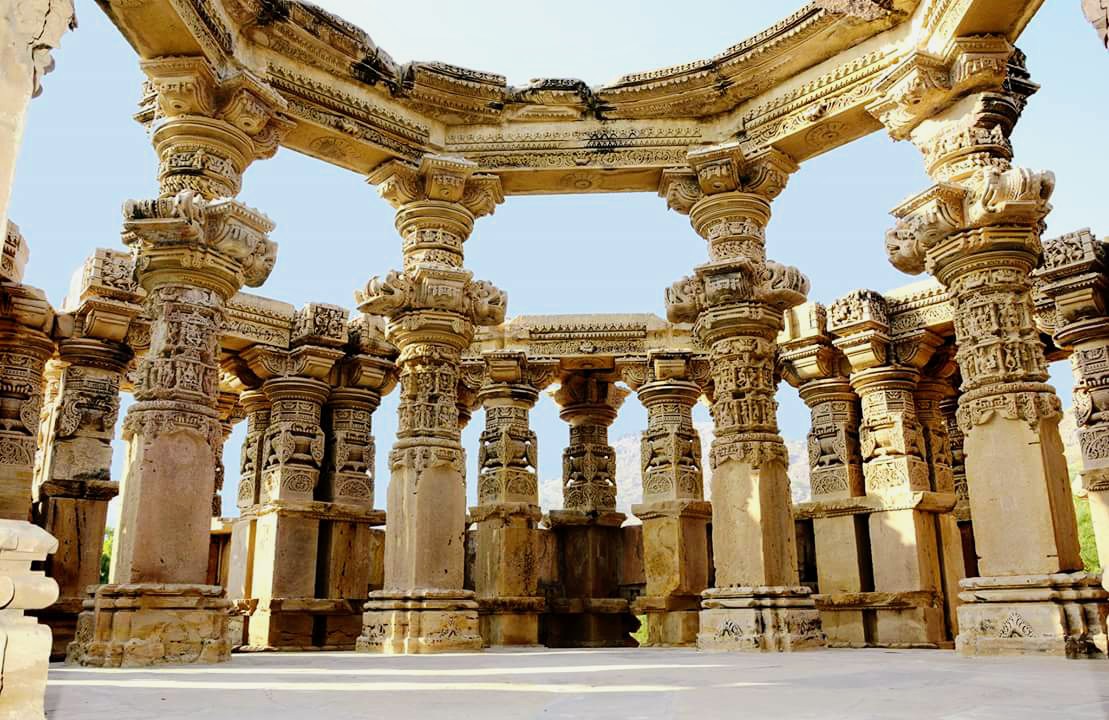
Kiradu Temples is an ancient Hindu temple complex dedicated to Lord Shiva, located in the Thar Desert near Barmer, Rajasthan. Built during the 11th–12th century, this ASI-protec…
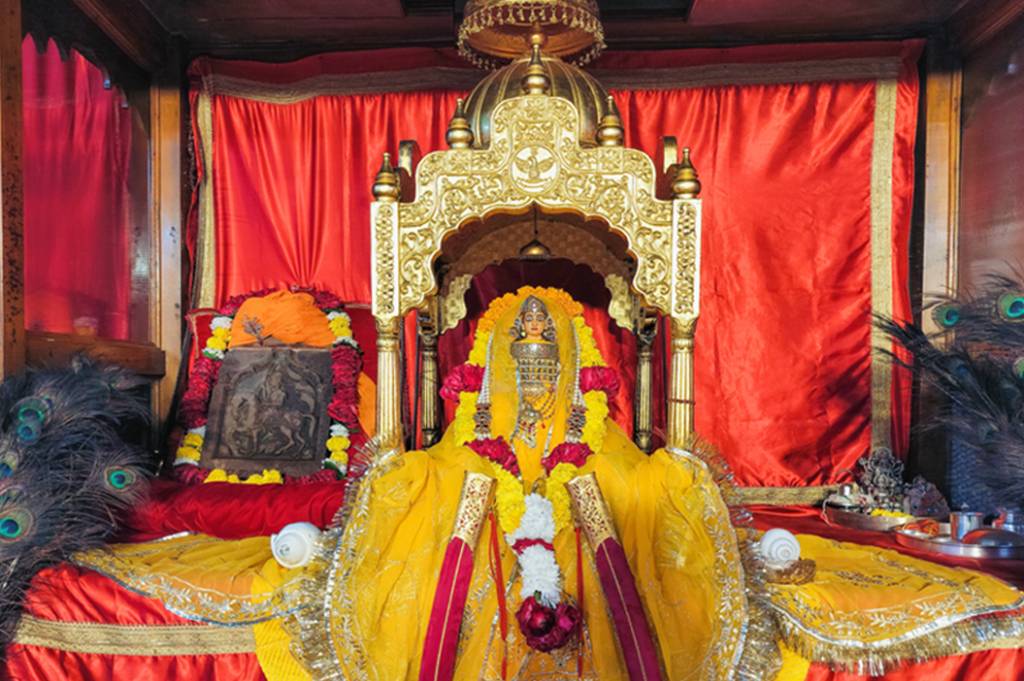
Rani Bhatiyani Temple
Rani Bhatiyani Temple in Jasol, also known as Majisa Mandir, is a revered Hindu shrine dedicated to Mata Rani Bhatiyani, a goddess worshipped across western Rajasthan for her mi…
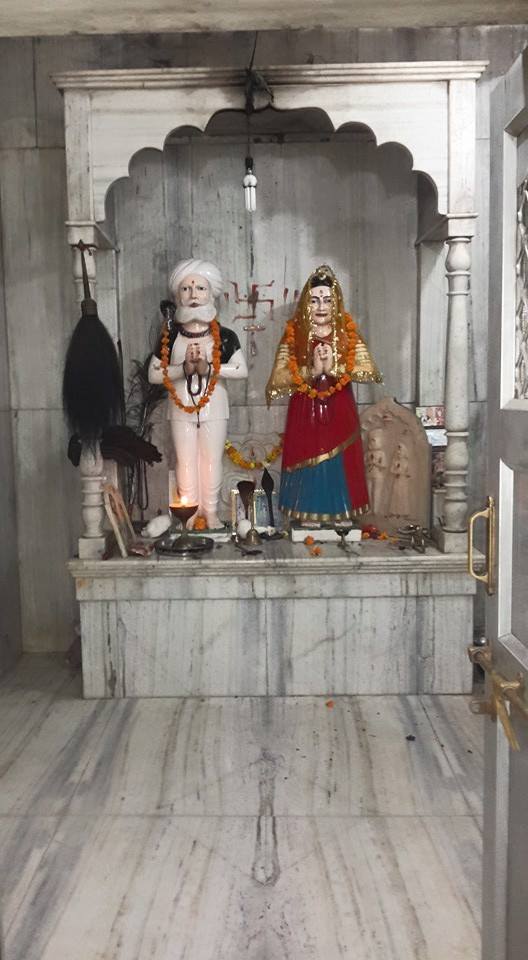
Khema Baba Temple
Khema Baba Temple is a Hindu shrine dedicated to the folk deity Lord Sidh Shree Khema Baba, situated near a sand dune in Baytu, Barmer District, Rajasthan. The temple draws devo…
Kshemkari Mata Temple
Kshemkari Mata Temple, also known as Khimaj Mata Temple, is an ancient Hindu shrine dedicated to the protective mother goddess, situated on a hilltop in Bhinmal, Jalore District…

Sire Mandir
Sire Mandir is a Hindu temple dedicated to Lord Shiva, perched at 646 meters elevation on the Kanyachal hills near Jalore Fort in Rajasthan.