Kshemkari Mata Temple
About Kshemkari Mata Temple
The temple's origins predate the 12th century, placing it among the older sacred sites of the region. Its construction reflects the medieval architectural traditions of Rajasthan, executed with local craftsmanship that remains visible in the temple's design and ornamentation. The choice of a hilltop location—approximately 272 meters above mean sea level on an Aravalli residual hill—carries spiritual significance rooted in the protective legends associated with the goddess.
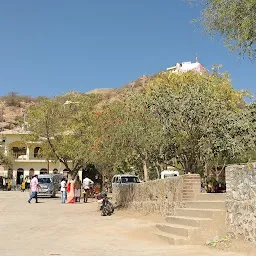
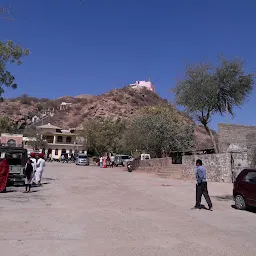
The hilltop setting itself forms part of the temple's sacred geography. Rocky outcrops and sparse vegetation characterize the terrain, creating an isolated and spiritually resonant environment. The panoramic views across the surrounding plains and distant foothills from the summit reinforce the sense of the temple as a natural bastion of divine presence.
Reaching the Temple
Kshemkari Mata Temple sits approximately 2 kilometers from Bhinmal town in Jalore District. The nearest major city, Jalore, lies about 72 kilometers away. For those traveling by rail, Marwar Bhinmal railway station, roughly 4 kilometers from the temple, offers regional train services. Jalore railway station, approximately 74 kilometers distant, provides broader connections across Rajasthan and Gujarat via the RSRTC bus network. Jodhpur Airport, about 150 kilometers to the north, serves air travelers, with onward transport by taxi or bus available to Bhinmal.
From Bhinmal town, visitors can hire auto-rickshaws or taxis for the short journey to the hill's base. The temple is accessible via National Highway 27 and state highways including RJ SH 38. Two routes lead to the summit: a series of well-maintained steps, or a vehicular road suitable for those unable to undertake the climb. Parking facilities are available near the base of the hill, accommodating visitors of varying physical capacity.
Worship and Darshan
As a Mother Goddess temple, Kshemkari Mata receives worship characteristic of such shrines throughout Rajasthan. Devotees visit to receive darshan—the viewing and blessing of the deity—and to make offerings. Temple priests conduct daily rituals and facilitate worship. Donations are customary in Hindu temples and support temple maintenance and ritual performance.
The ascent to the hilltop shrine forms an integral part of the pilgrimage experience. This physical journey mirrors the inward spiritual movement emphasized in many Hindu devotional traditions, and the effort required to reach the summit contributes to the sense of sacred space encountered upon arrival. Specific timings for daily worship and arati (ritual worship with light) should be confirmed locally before visiting, as detailed schedules are not consistently documented.
Pilgrimage Seasons
The temple draws pilgrims during significant Hindu observances throughout the year. Kartik Purnima in November, Vasant Panchami in January, and Ugadi or Gudi Padwa in March are recognized as important times for pilgrimage to the shrine. The peak summer heat should be avoided; the cooler months align with both the festival calendar and more comfortable conditions for the uphill journey.
Practical Information for Visitors
Visitors should approach interactions with temple staff with respect and courtesy. Standard temple etiquette applies: remove footwear before entering the sanctum, dress modestly, and refrain from photography in areas where it may be restricted. The dual access routes—stairs and vehicular road—allow flexibility depending on individual mobility and preference. The gradual ascent itself is considered part of the sacred experience rather than merely a practical necessity.
How to reach

Temples near Kshemkari Mata Temple
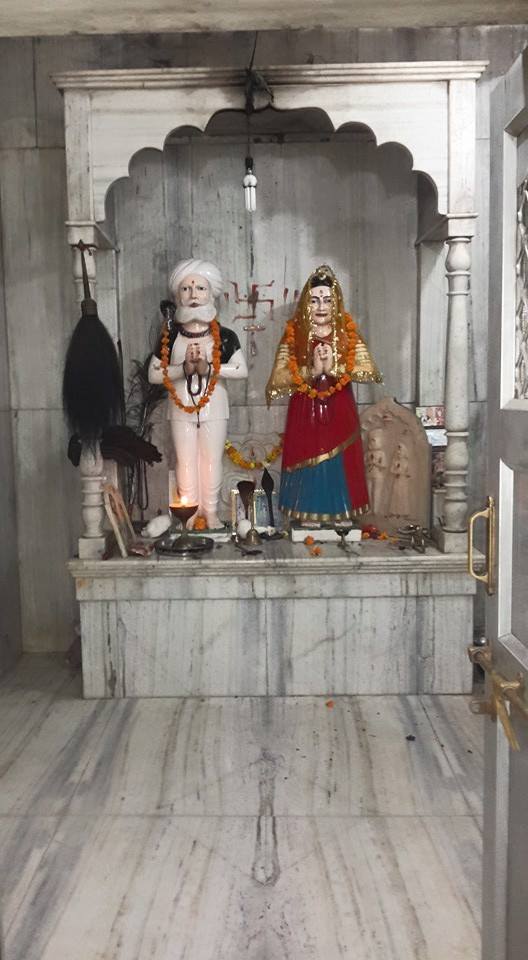
Khema Baba Temple
Khema Baba Temple is a Hindu shrine dedicated to the folk deity Lord Sidh Shree Khema Baba, situated near a sand dune in Baytu, Barmer District, Rajasthan. The temple draws devo…
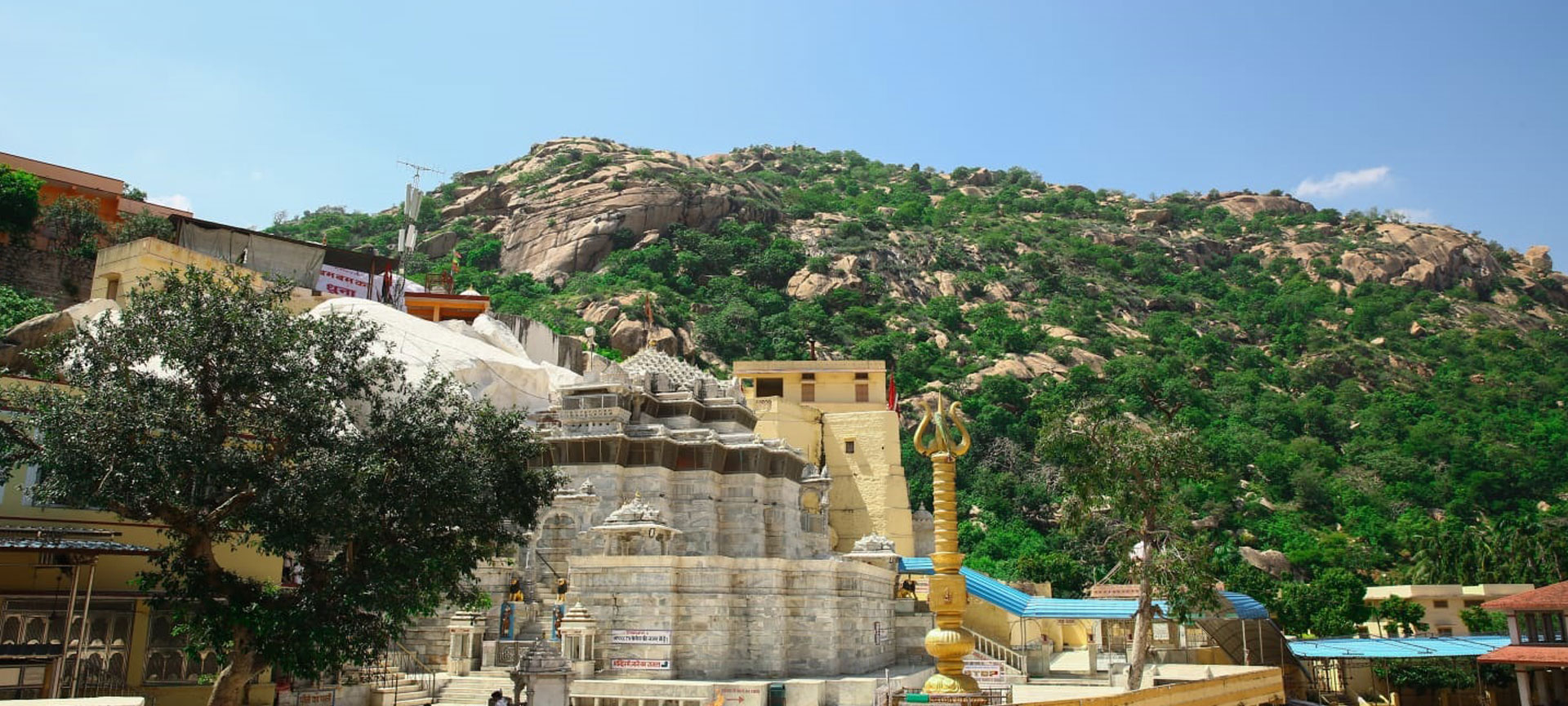
Sundha Mata Temple
Sundha Mata Temple is an ancient hilltop shrine dedicated to Goddess Shakti, located atop Sundha Hill in Jalore district, Rajasthan. The sacred site draws pilgrims seeking bless…
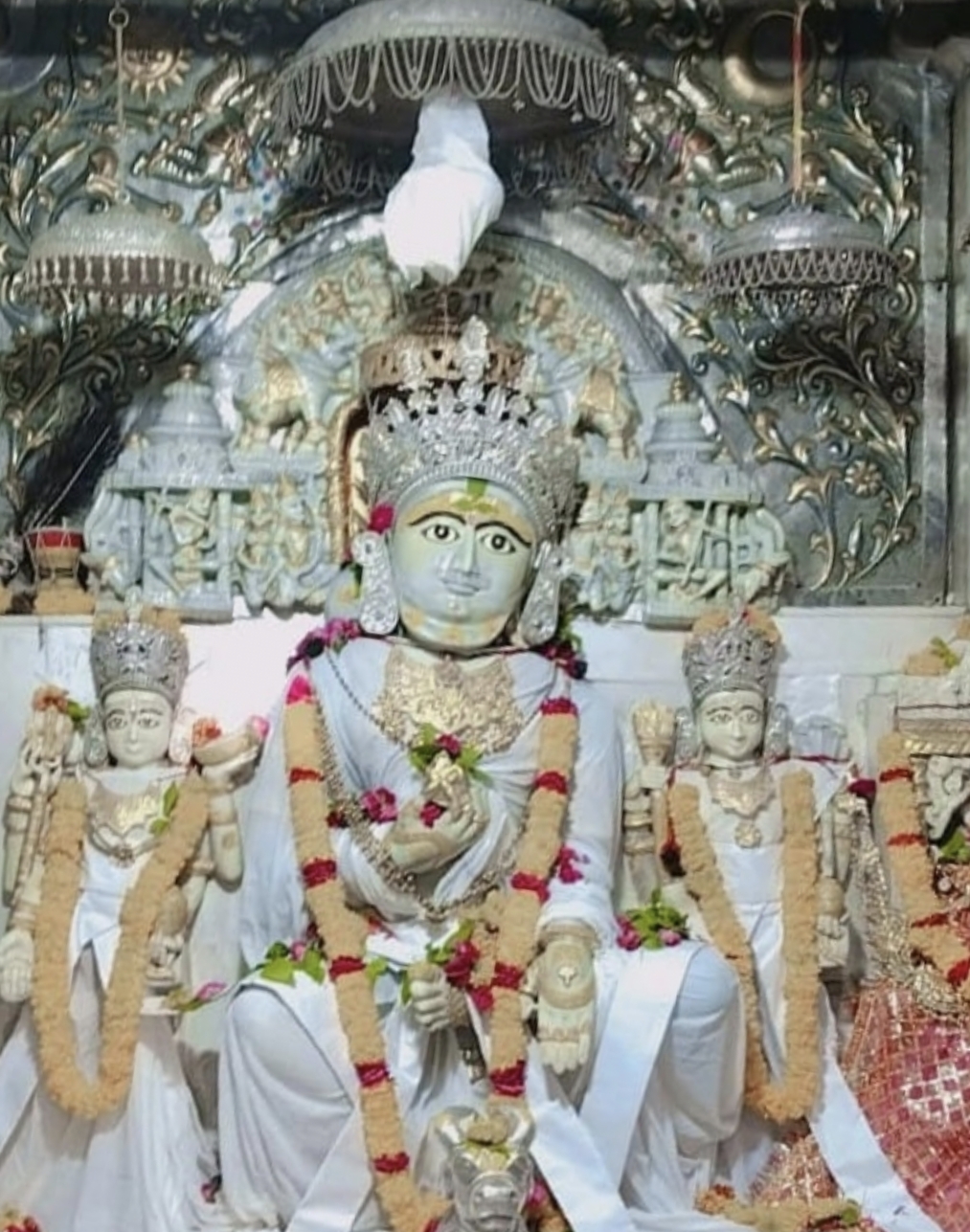
Aapeshwar Mahadev temple
Aapeshwar Mahadev Temple is a sacred Shiva shrine located in Ramseen, Jalore District, Rajasthan, featuring a distinctive five-faced marble murti of Lord Shiva. The temple draws…

Sire Mandir
Sire Mandir is a Hindu temple dedicated to Lord Shiva, perched at 646 meters elevation on the Kanyachal hills near Jalore Fort in Rajasthan.
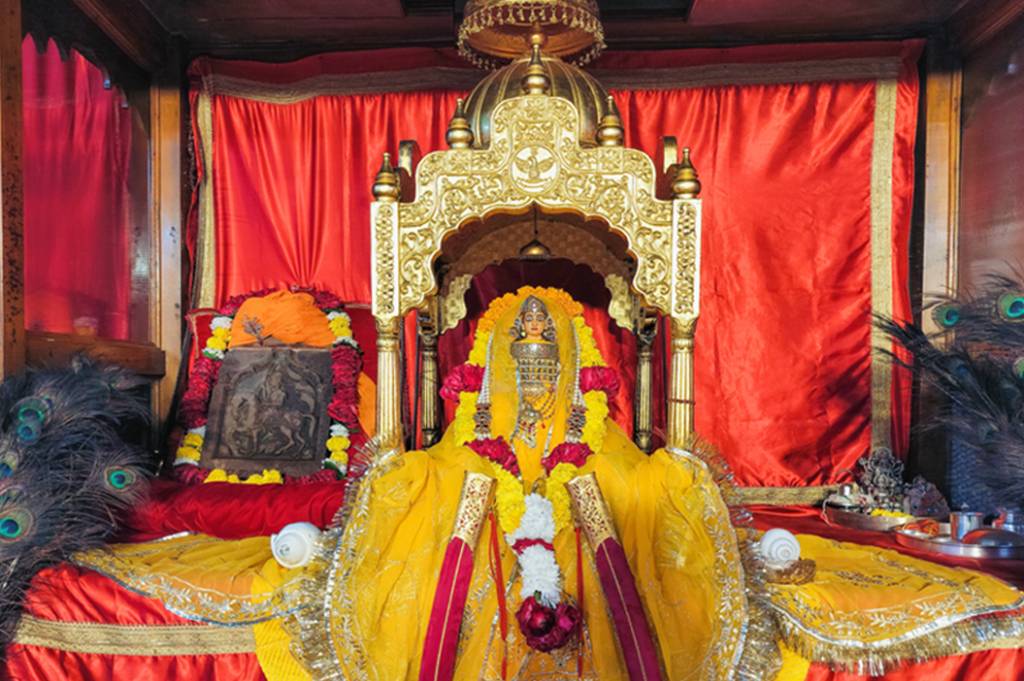
Rani Bhatiyani Temple
Rani Bhatiyani Temple in Jasol, also known as Majisa Mandir, is a revered Hindu shrine dedicated to Mata Rani Bhatiyani, a goddess worshipped across western Rajasthan for her mi…

Achaleshwar Mahadev Temple
Achaleshwar Mahadev Temple, built in the 9th century by the Paramara dynasty near Achalgarh Fort, is a unique Shiva shrine where devotees worship the sacred right toe of Lord Sh…