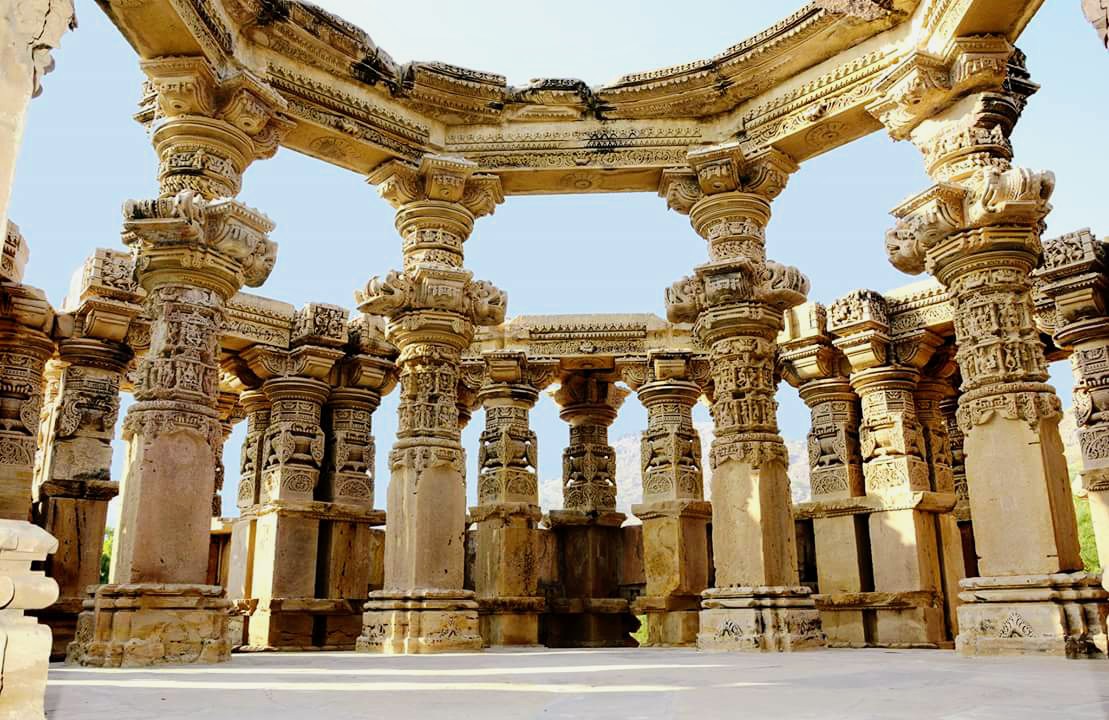


Kiradu temples
About Kiradu temples
The temple opens for darshan from sunrise to sunset, with specific timings of 09:00 to 17:00 noted for daily visits. The primary ritual observed is the Sandhya Aarti, performed at 19:00 each evening. This aarti marks the transition to night and represents a significant moment in the temple's daily rhythm. Devotees planning to attend this ritual should note that it occurs after the standard darshan hours, requiring separate arrangements or extended stays.
The temple functions as an active place of worship, meaning that visitor schedules must accommodate the needs of ongoing religious practice rather than the reverse. Those unfamiliar with Hindu temple customs should observe quietly and follow the example of other devotees present.
Festivals Throughout the Year
The temple observes several major festivals according to the Hindu calendar. Sharad Navaratri, the nine-night festival honoring the Goddess, draws increased numbers of devotees. The Diwali period—beginning with Dhanteras and culminating in Diwali itself—brings heightened decoration and additional rituals beyond the daily schedule. Guru Purnima, which honors teachers and spiritual guides, is also celebrated here.
During festival periods, the temple receives special decoration and the ritual schedule expands significantly from ordinary days. Visitors planning to attend festivals should contact the temple in advance to confirm specific timings and arrangements, as these may differ substantially from the standard daily schedule.
Planning Your Visit: Timing and Preparation
The winter months from November through February offer the most comfortable conditions for visiting, as the desert heat becomes manageable. Early morning hours between 05:00 and 08:00 are also ideal, allowing visitors to experience darshan while avoiding the intense midday temperatures. Non-festival weekdays tend to be quieter than festival periods, offering a more solitary experience for those seeking intimate worship.
The Thar Desert environment demands practical preparation. Bring adequate water, sun protection including a hat or umbrella, and sturdy footwear suitable for walking on desert terrain. The remote location means that refreshment stands, rest areas, and other facilities are limited or absent; self-sufficiency in basic supplies is essential. Visitors should dress modestly, covering shoulders and knees, as is customary at Hindu temples. Photography policies and restrictions on entry to certain areas should be confirmed upon arrival.
Reaching the Temple
The temples are located at coordinates 25.7528°N, 71.0977°E in the Barmer region. Barmer town, approximately 35 kilometers away, serves as the nearest significant urban center and the logical starting point for reaching the site. Jaisalmer, a major tourist destination 157 kilometers distant with established desert tourism infrastructure, may serve as a larger hub for arranging travel.
The remote desert location requires careful transportation planning. Before departing, inquire locally in Barmer about current road conditions and available transport options. Allow adequate time for travel and confirm accessibility, particularly during monsoon season or periods of extreme weather. The journey itself should be factored into your schedule as a significant part of the pilgrimage experience.
How to reach


Temples near Kiradu temples
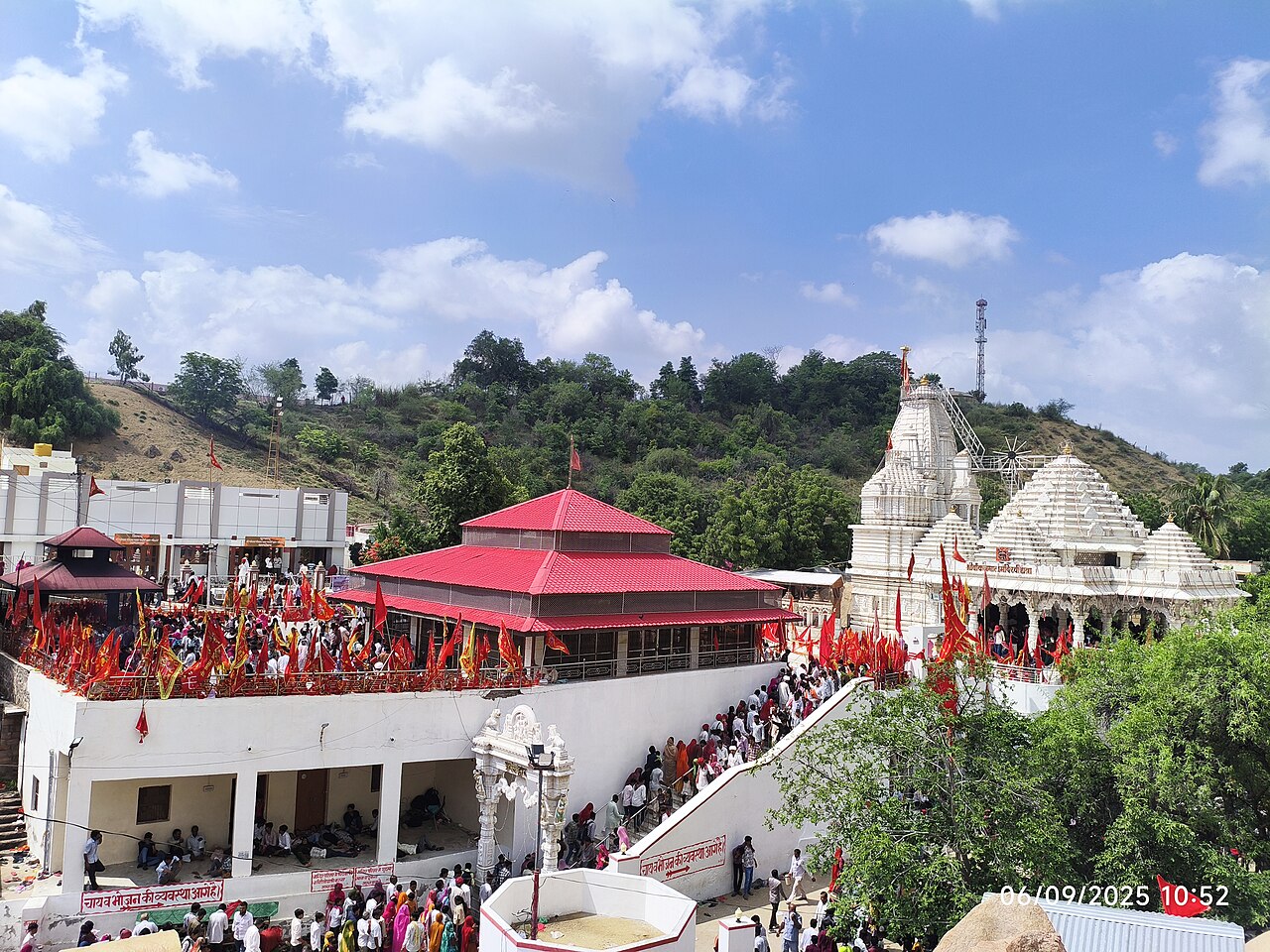
Vankal Mata Temple
Vankal Mata Temple is a 900-year-old shrine dedicated to the Mother Goddess Vankal, an aspect of Durga, perched atop the Viratra hilltop in Barmer, Rajasthan.
Viratra Vankal Mata Temple
Vankal Mata Temple is a 900-year-old shrine dedicated to the Mother Goddess Vankal, an aspect of Durga, perched atop the Viratra hilltop in Barmer, Rajasthan.
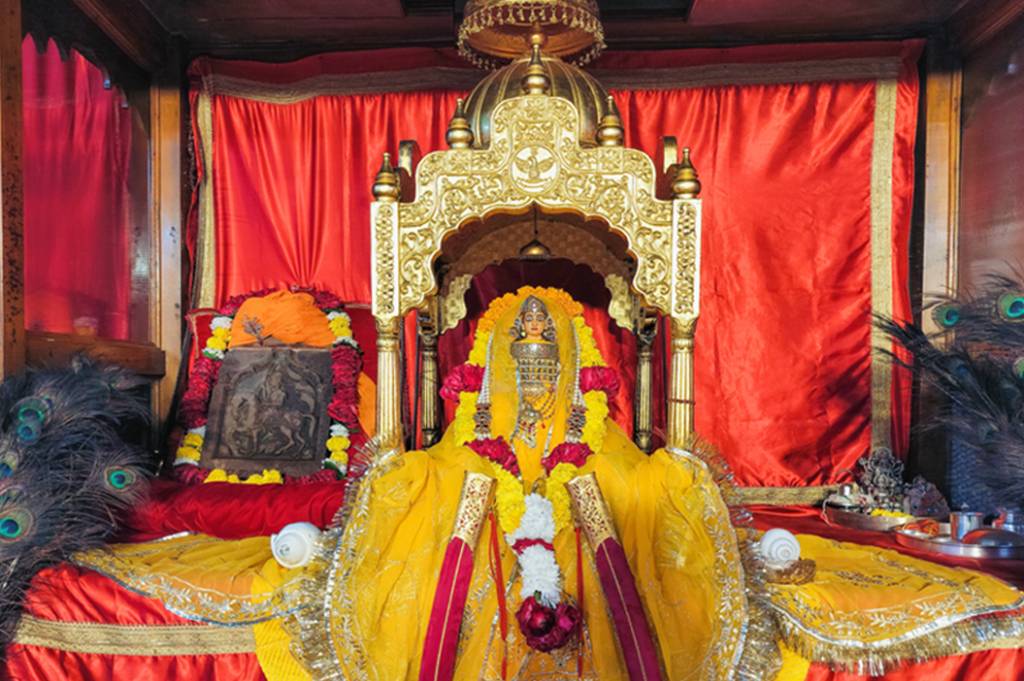
Rani Bhatiyani Temple
Rani Bhatiyani Temple in Jasol, also known as Majisa Mandir, is a revered Hindu shrine dedicated to Mata Rani Bhatiyani, a goddess worshipped across western Rajasthan for her mi…
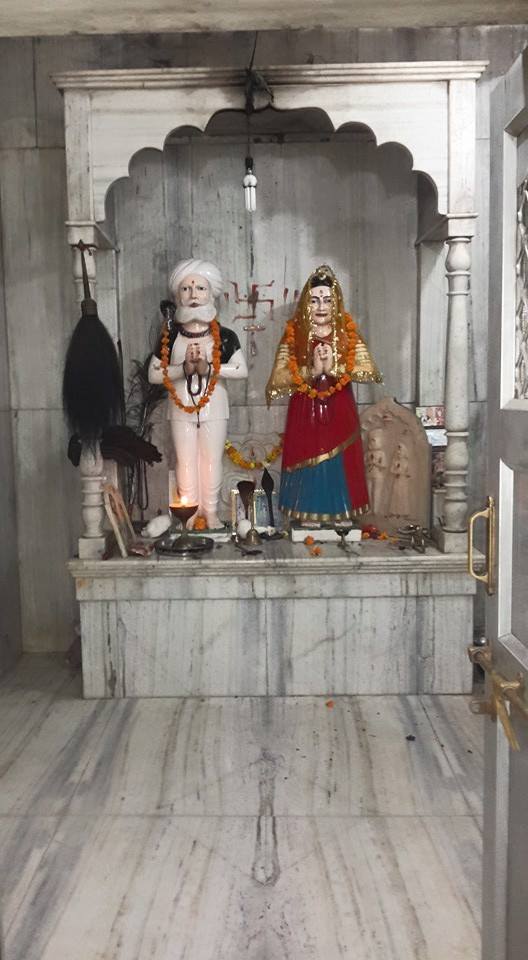
Khema Baba Temple
Khema Baba Temple is a Hindu shrine dedicated to the folk deity Lord Sidh Shree Khema Baba, situated near a sand dune in Baytu, Barmer District, Rajasthan. The temple draws devo…
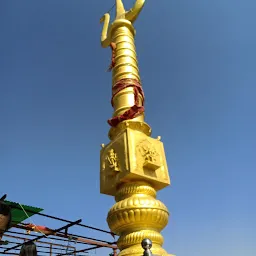
Kshemkari Mata Temple
Kshemkari Mata Temple, also known as Khimaj Mata Temple, is an ancient Hindu shrine dedicated to the protective mother goddess, situated on a hilltop in Bhinmal, Jalore District…