Visvanatha swamy temple
About Visvanatha swamy temple
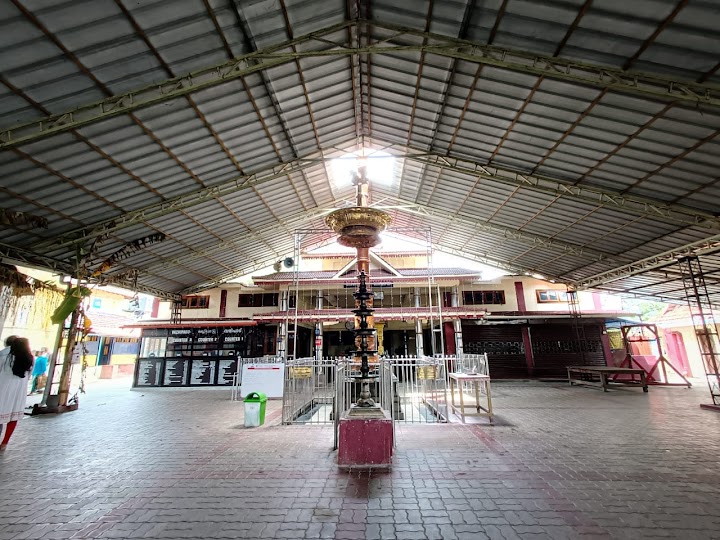
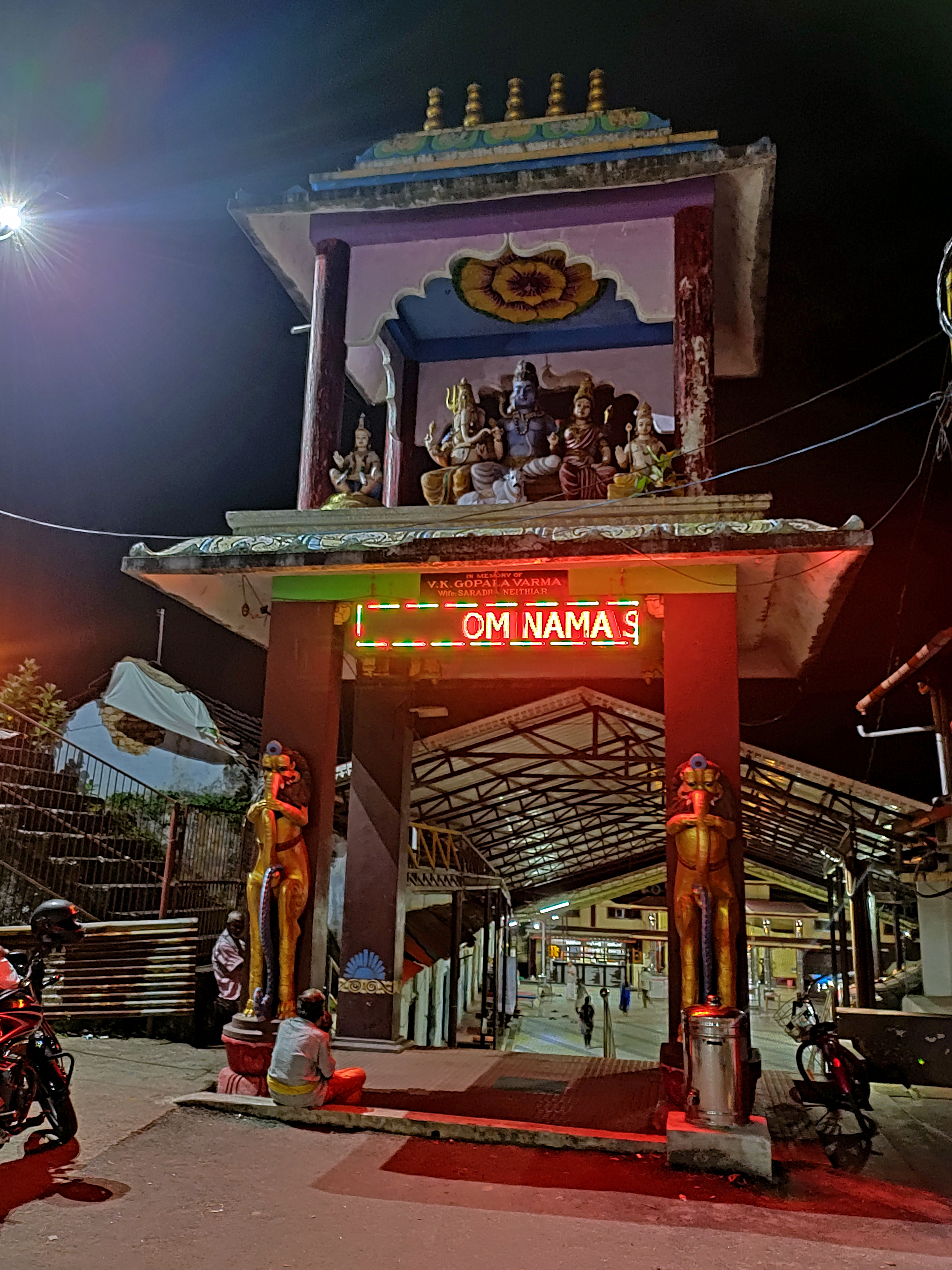
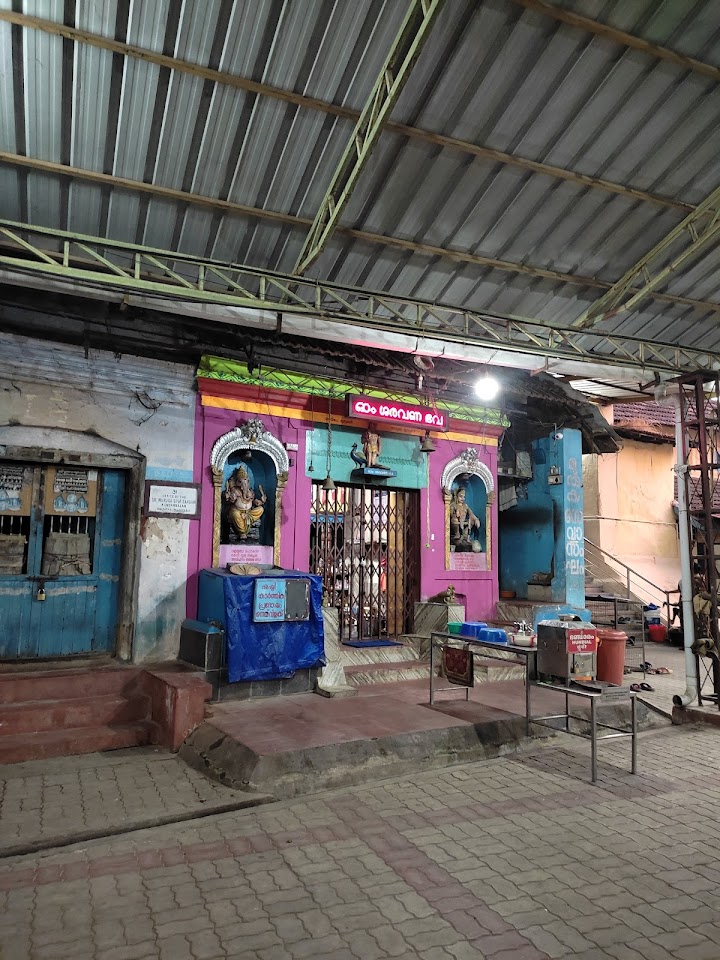
The temple displays characteristics of Dravidian architectural tradition, evident in its gopuram and overall structural design. This architectural vocabulary, common to temples across South India, creates a visual and spiritual landscape familiar to pilgrims from the broader region. The temple's physical form has been maintained across nearly six centuries, preserving elements that connect contemporary worshippers to the devotional practices of their ancestors. The specific details of the sanctum and subsidiary shrines reflect the temple's evolution as a living place of worship rather than a historical monument.
Daily Worship and Ritual Life
The temple maintains a structured schedule of worship throughout the day. Morning rituals begin with Usha Pooja at 5:45 AM, followed by Uchakala Pooja at 9:45 AM. Evening worship includes Deeparadhana at 5:45 PM and Ardhajama Pooja at 7:45 PM. These principal poojas are conducted in Sanskrit and Tamil, reflecting the temple's linguistic and cultural heritage. Beyond the daily cycle, the temple offers specialized worship services including fortnightly Pradosham Pooja—a ritual particularly significant in Shaivite tradition—alongside Ekagraha Santhi, Navagraha Pooja, and Maha Mrithyunjaya Homam. Devotees may participate in these special poojas at designated charges. Darshan remains free for all visitors, and the temple distributes prasadam in the form of Vibhuti and Kumkum.
The Kalpathy Ratholsavam Festival
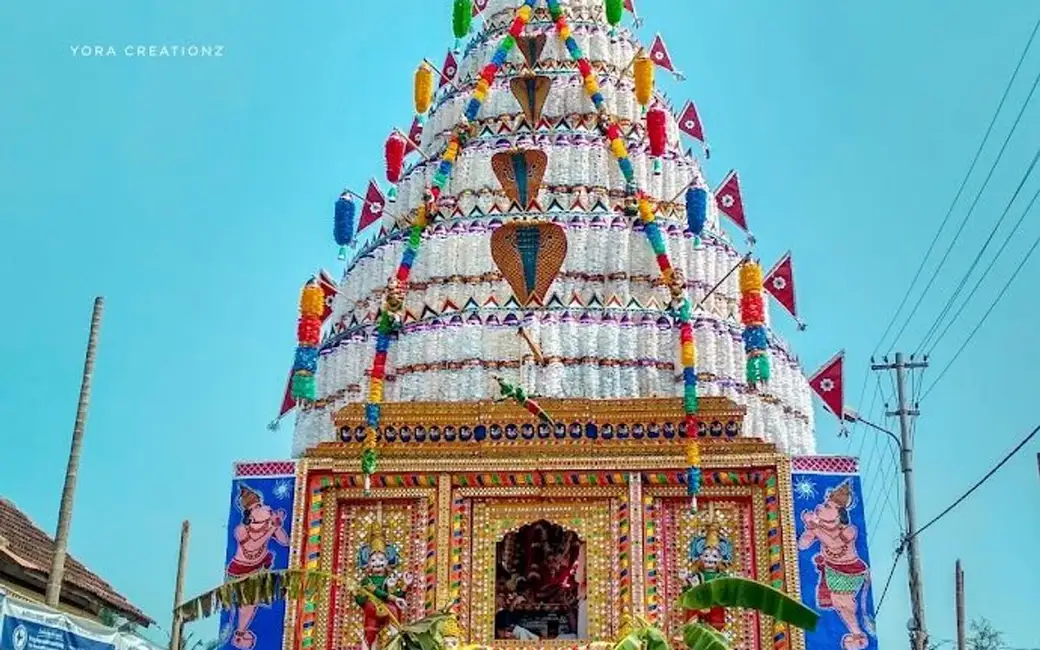
The temple's most prominent annual observance is the Kalpathy Ratholsavam, a chariot festival held in November that draws substantial gatherings of devotees and visitors. During this festival season, the temple organizes free community meals (Annadanam) for attendees, transforming the shrine into a centre of collective worship and celebration. The festival represents a significant moment in the temple's yearly cycle, though specific ritual sequences are best confirmed directly with temple authorities.
Visiting: Timings and Practical Information
The temple opens from 5:30 AM to 11:30 AM in the morning, with evening hours from 5:00 PM to 8:00 PM. Early morning visits between 5:00 and 8:00 AM offer the most tranquil darshan experience, as do the evening aarti times when the temple's ritual life is most active. November through February provides pleasant weather for temple visits, with November offering the additional opportunity to witness the Ratholsavam festival. Visitors should dress modestly, covering shoulders and knees, as is customary at Hindu temples. Footwear is typically removed before entering the sanctum. The temple's location in a residential agraharam means visitors should approach with appropriate respect for the neighbourhood's character.
How to Reach the Temple
Visvanatha Swamy Temple is located at Chathapuram, Kalpathy Agraharam, Palakkad, Kerala. Palakkad is well-connected by road and rail to major cities in Kerala and neighbouring states. From Palakkad town, the temple lies within the Kalpathy neighbourhood, accessible by local transport. Visitors arriving by train can reach Palakkad Junction, from which local taxis or auto-rickshaws provide access to the temple. Those travelling by road will find Palakkad situated on major highway routes connecting Kerala's cities. Specific directions to Chathapuram within Kalpathy Agraharam can be obtained from local residents or temple staff upon arrival.
How to reach
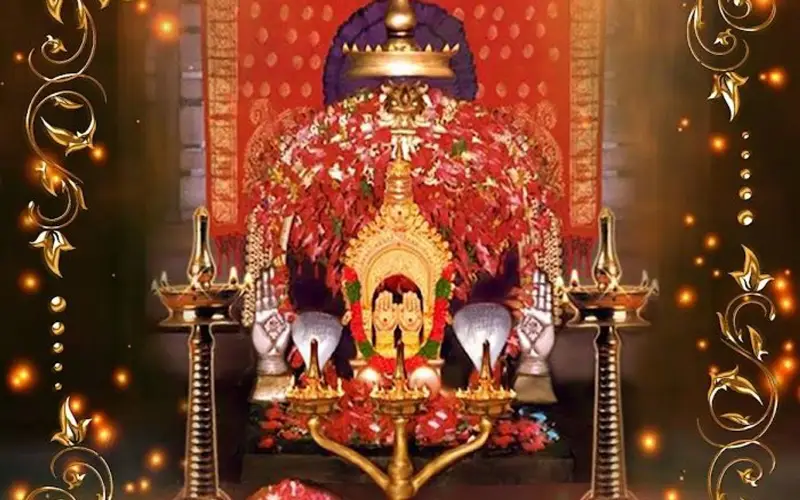
Temples near Visvanatha swamy temple
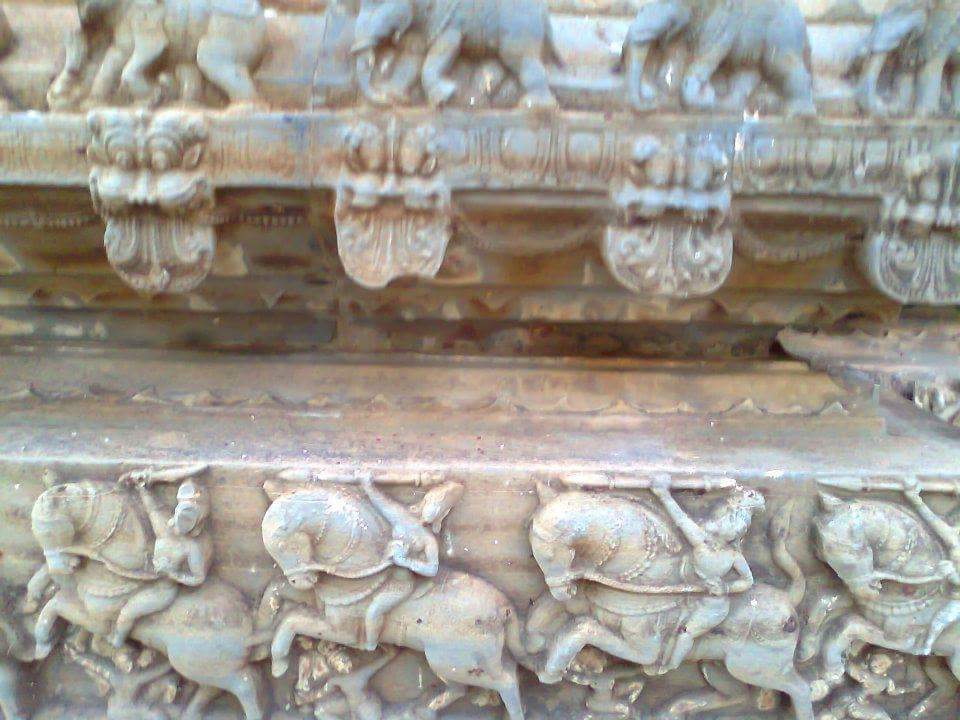
Pushpagiri Group of Temples
Pushpagiri is an ancient temple complex in Kadapa district, Andhra Pradesh, comprising multiple shrines dedicated to Lord Vishnu and Shiva along the Pinakini River. Revered sinc…
Vaidhyanadha swamy temple
Unable to provide accurate information for Vaidhyanadha Swamy Temple. The search results reference Shri Vaijnath Temple in Parli, which appears to be a different temple.
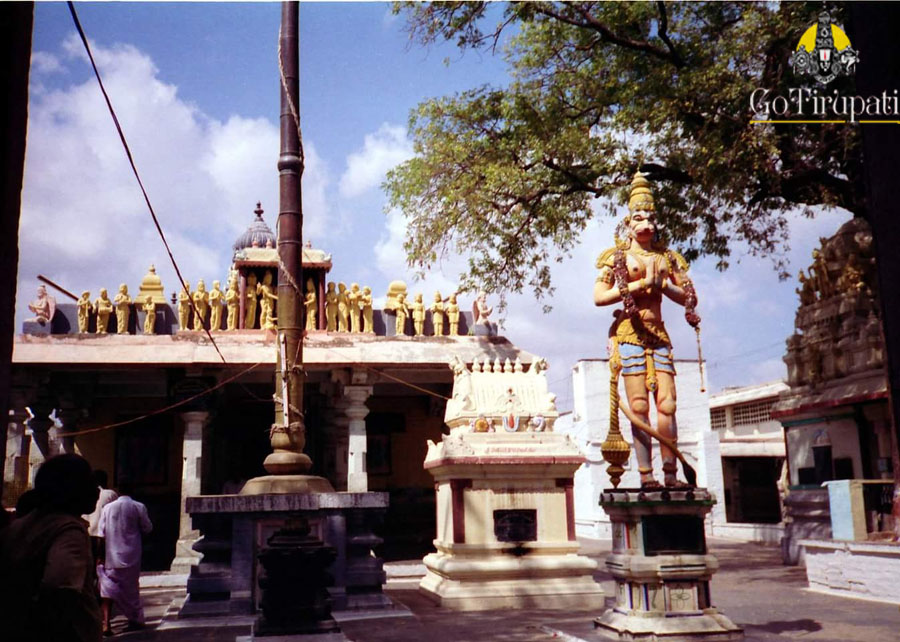
Narapura Venkateswara Temple, Jammalamadugu
Sri Narapura Venkateswara Temple in Jammalamadugu is an ancient shrine dedicated to Lord Venkateswara, a form of Vishnu, named after the devotee Narapuraiah who constructed it.…

Saumyanatha temple
Somnath Temple is the first of the twelve Aadi Jyotirlings dedicated to Lord Shiva, located on the Arabian Sea coast in Gujarat. The current temple was consecrated on 11 May 195…
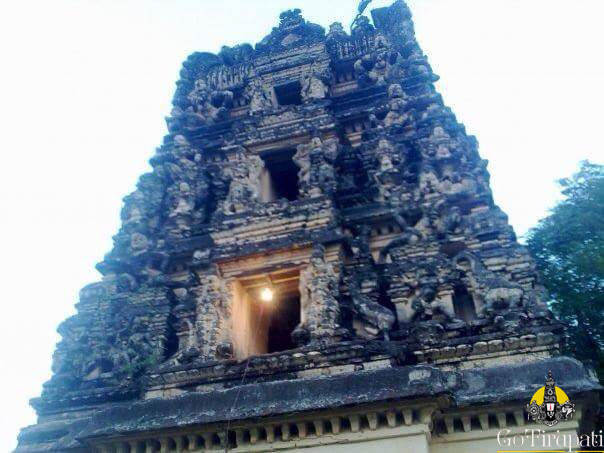
Athirala parasurama temple
The Athirala Parasurama Temple, dating to the 7th–8th century CE, stands on the banks of the Cheyyeru river in Attirala village, Rajampet, Andhra Pradesh. Dedicated to Lord Para…
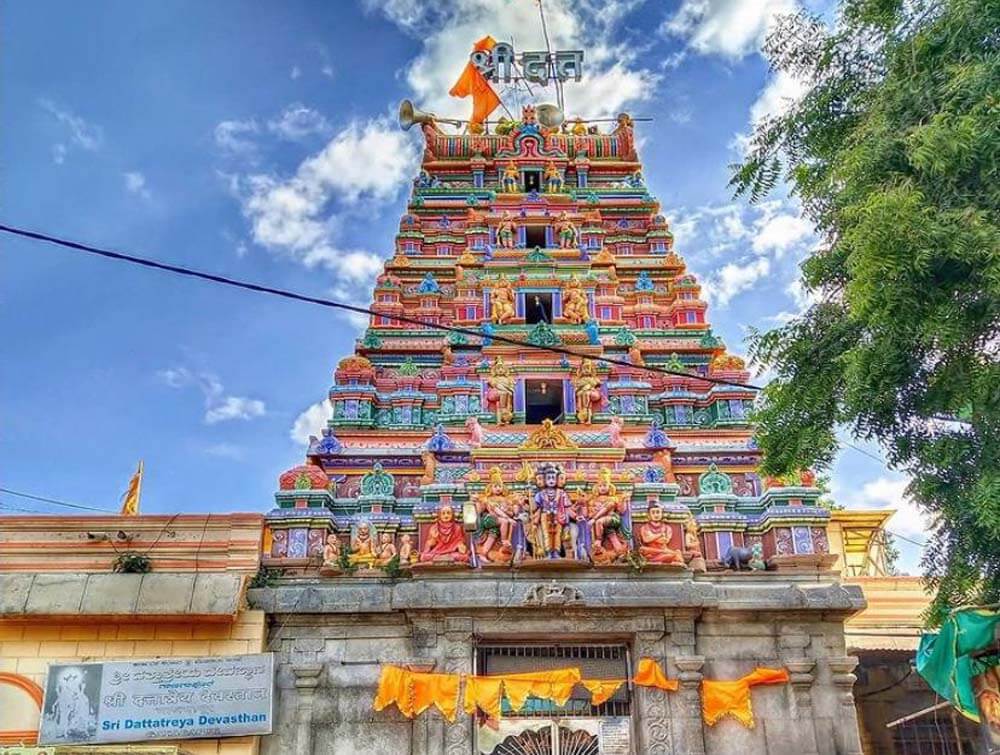
Narasimha temple
Ahobilam is one of the 108 Divya Desams, revered as the sacred site where Lord Narasimha emerged from a pillar to protect his devotee Prahlada. The temple complex houses nine di…