Pushpagiri Group of Temples
About Pushpagiri Group of Temples
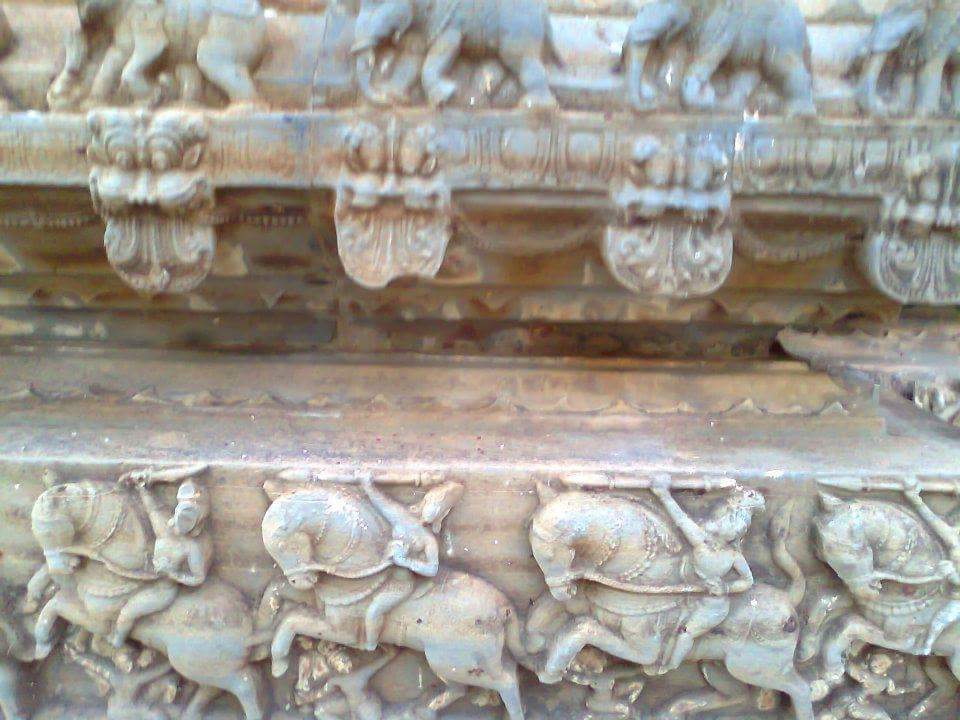
Inscriptions documented by the Archaeological Survey of India confirm that the temple complex has existed since the early dynasties, with continuous development through the Chola period and beyond. The Chola dynasty established Dravidian architectural foundations at the site, while subsequent rulers—including the Pallavas, Kakatiyas, and Vijayanagara kings—added their own contributions through expanded structures and refined sculptural work. This layering of dynasties created a complex that reflects evolving approaches to temple design across several centuries.
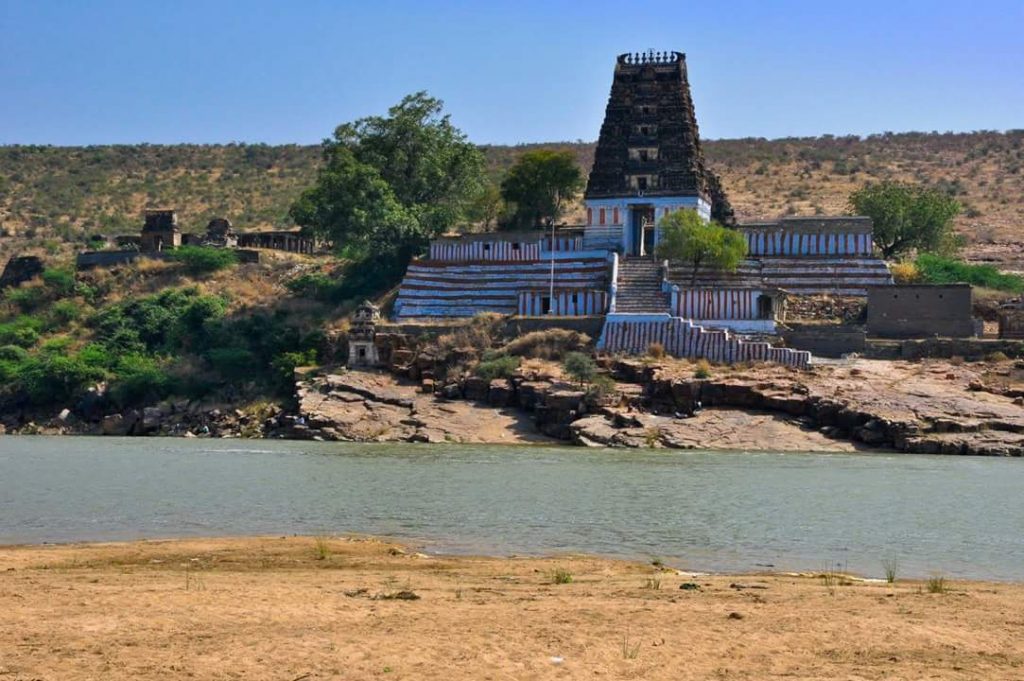
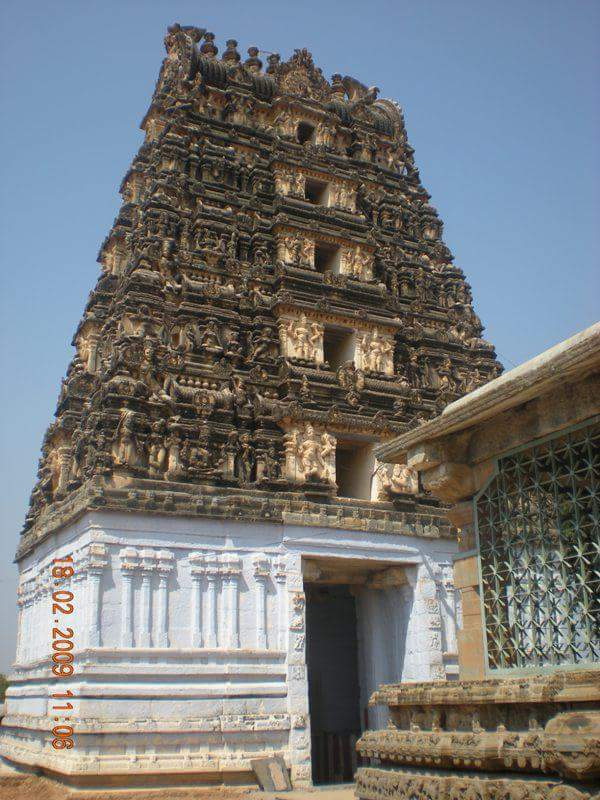
The architectural vocabulary visible at Pushpagiri belongs to the Dravidian tradition characteristic of South Indian temples. The successive additions by different ruling periods mean that visitors encounter varied styles and construction techniques within the same complex, offering a material record of regional temple development. The integration of the site with the Pinakini River landscape also shaped its physical layout and spiritual character.
The Temple Complex: Main Shrines
The Pushpagiri group includes several named temples. The Chennakesava Swamy Temple is dedicated to Lord Vishnu and represents a significant focus of worship within the complex. The Trikuteswara Swamy Temple honors Lord Shiva, while the Santhana Malleswara Swamy Temple, Vaidyanatheswara Swamy Temple, and a Durga Temple complete the primary shrines. Each temple maintains its own ritual cycle and serves specific devotional needs within the broader pilgrimage framework.
The presence of both Vishnu and Shiva temples within a single complex reflects a common pattern in Hindu sacred geography, where complementary deities are worshipped in proximity. This arrangement allows pilgrims to honor multiple aspects of the divine within a single visit.
Daily Darshan and Rituals
The temple complex observes regular darshan timings that accommodate both early morning and evening visitors. General darshan is available from 06:00 to 12:00 and again from 16:00 to 21:00. Morning and evening aartis are performed as part of the daily ritual cycle, though exact timings may vary with seasonal changes and festival observances. Visitors should confirm current timings before arrival, as temple schedules adjust throughout the year.
Temples of this tradition typically expect visitors to observe basic etiquette: removing footwear before entering sanctums, maintaining respectful behavior within shrine areas, and following any specific protocols indicated by temple staff. Modest dress is customary at Hindu temples, and women may be asked to cover shoulders and knees.
Planning Your Visit
The optimal period to visit Pushpagiri extends from October through March, when the climate in Andhra Pradesh is cooler and more comfortable for pilgrimage. The site's location in Kadapa District places it within the broader Rayalaseema region, accessible by road from major towns in the area. Visitors should carry water, sun protection, and comfortable walking shoes, as the temple complex involves movement between multiple shrines.
Accommodation options exist in nearby towns, though availability and amenities vary. It is advisable to arrange lodging in advance, particularly during festival periods or weekends when visitor numbers increase. Local guides familiar with the complex's layout and history can enhance understanding of the site's significance.
Reaching Pushpagiri
The temple complex is located at coordinates 14.594211, 78.760175 in Pushpagiri village, Kadapa District. Road access connects the site to regional transport networks, making it reachable by private vehicle or local buses. Visitors traveling from other pilgrimage centers in Andhra Pradesh should plan travel time accordingly and confirm current road conditions before departure. The nearest significant town is Kadapa itself, which serves as a reference point for navigation and accommodation.
How to reach
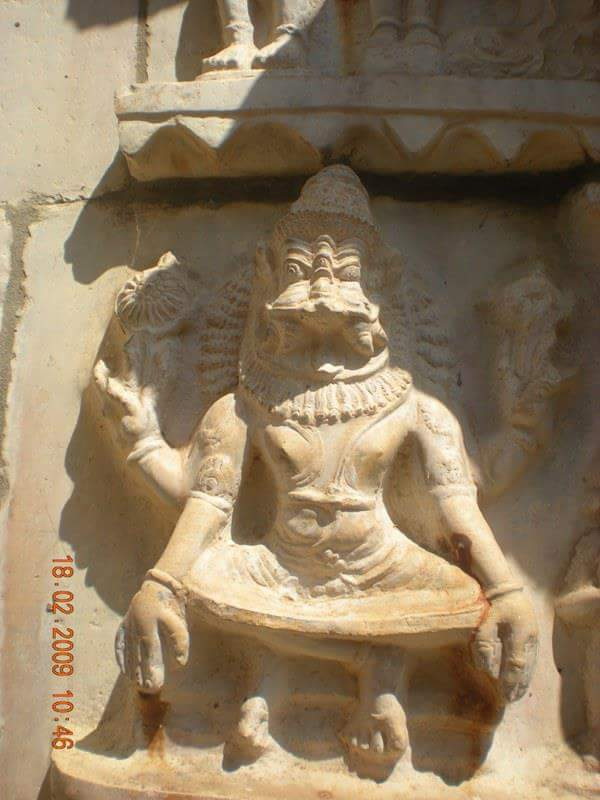
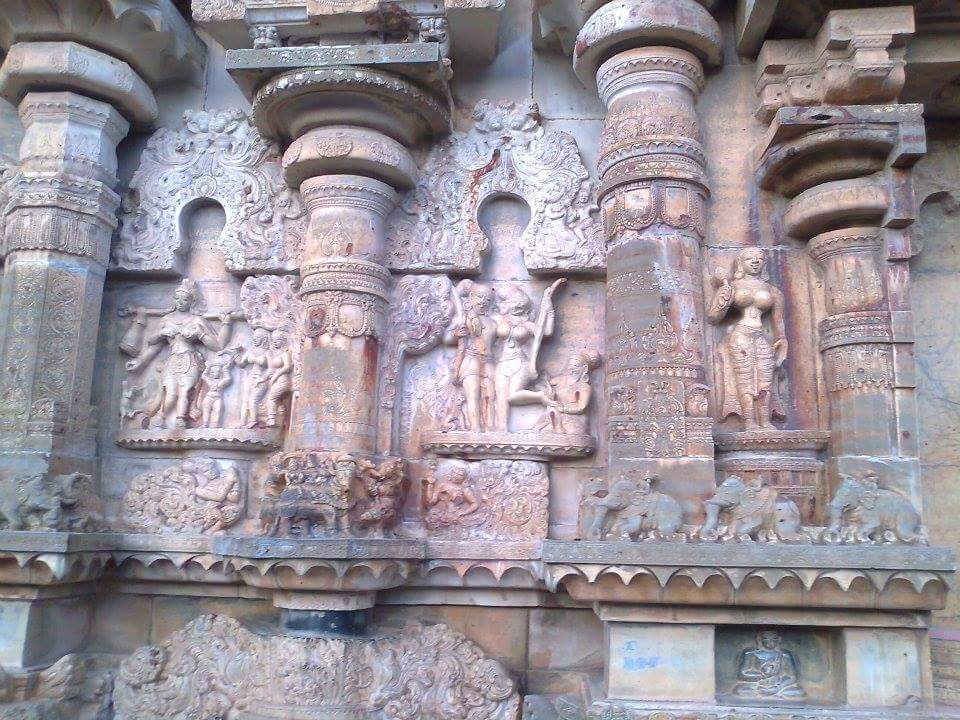

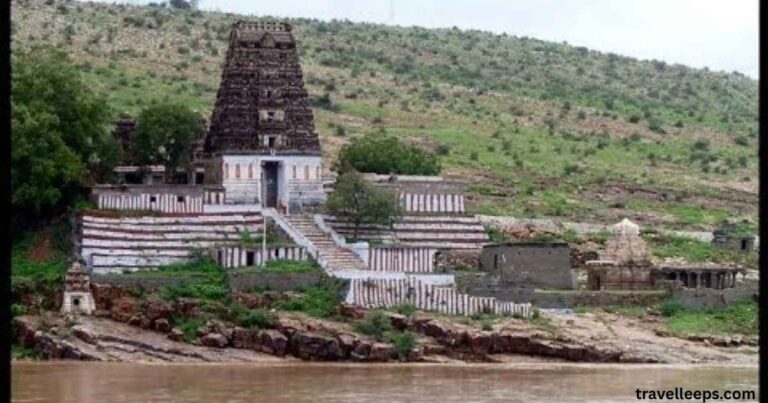
Temples near Pushpagiri Group of Temples
Vaidhyanadha swamy temple
Unable to provide accurate information for Vaidhyanadha Swamy Temple. The search results reference Shri Vaijnath Temple in Parli, which appears to be a different temple.
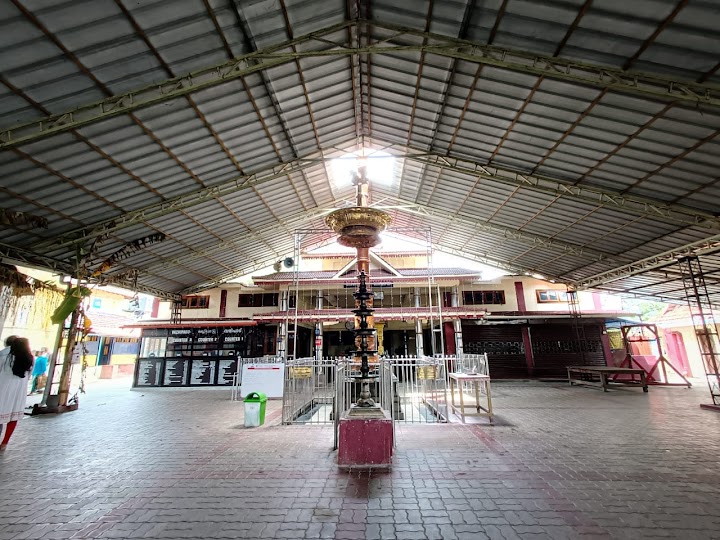
Visvanatha swamy temple
Viswanatha Swamy Temple in Palakkad, Kerala is an ancient shrine established in 1425, dedicated to Lord Shiva and featuring Dravidian architectural traditions with daily worship…
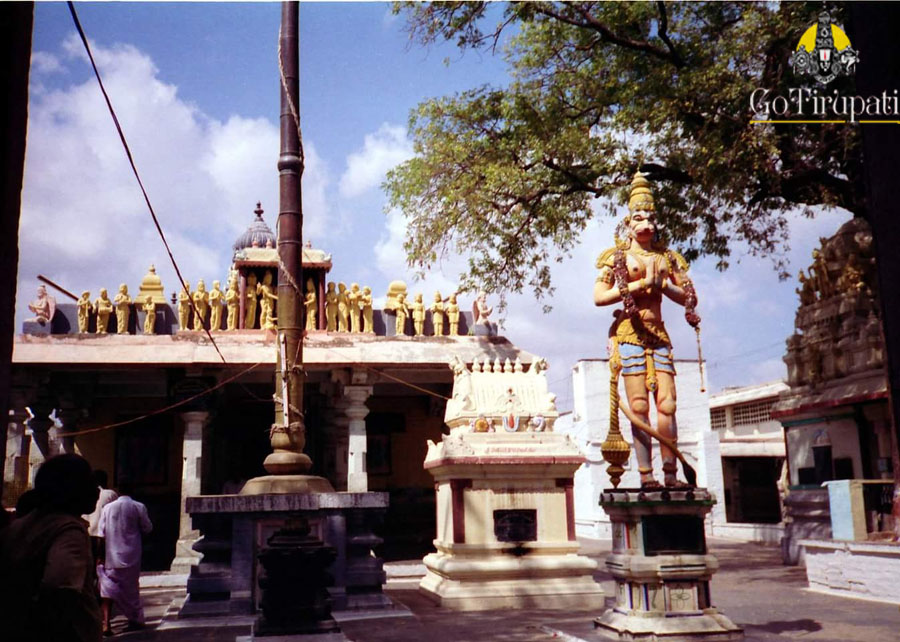
Narapura Venkateswara Temple, Jammalamadugu
Sri Narapura Venkateswara Temple in Jammalamadugu is an ancient shrine dedicated to Lord Venkateswara, a form of Vishnu, named after the devotee Narapuraiah who constructed it.…

Saumyanatha temple
Somnath Temple is the first of the twelve Aadi Jyotirlings dedicated to Lord Shiva, located on the Arabian Sea coast in Gujarat. The current temple was consecrated on 11 May 195…
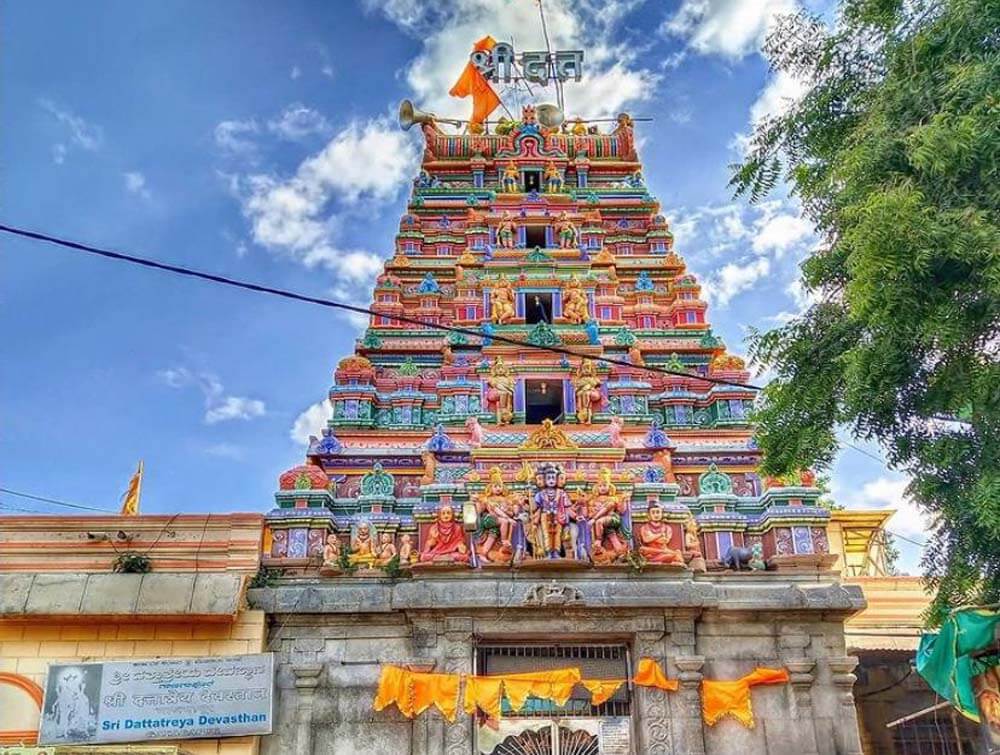
Narasimha temple
Ahobilam is one of the 108 Divya Desams, revered as the sacred site where Lord Narasimha emerged from a pillar to protect his devotee Prahlada. The temple complex houses nine di…
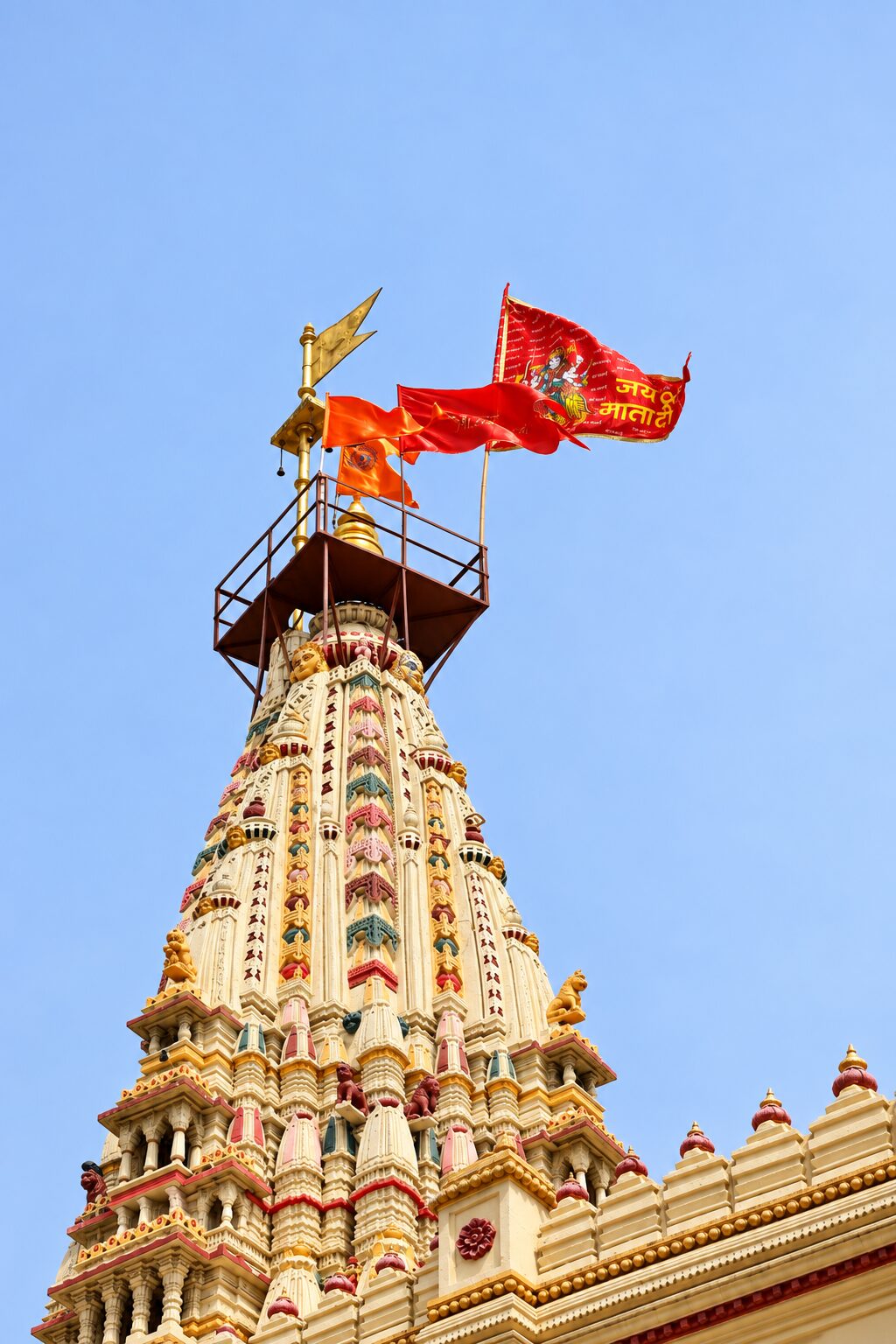
Mukundesvara temple with inscriptions
Mukundesvara temple with inscriptions is a Hindu shrine located in Peddamudiyam, YSR Kadapa district, Andhra Pradesh, recognized as a Monument of National Importance.