Tulsi Peeth
About Tulsi Peeth
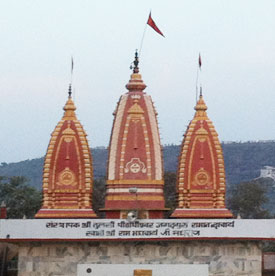
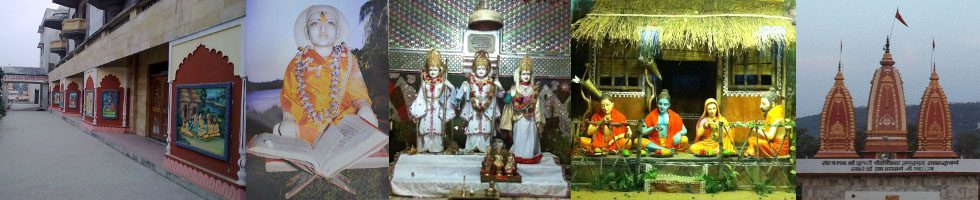
The primary temple is the Kanch Mandir, named for its distinctive glass windows and doors. This three-shikhara structure houses statues of Lord Rama and Sita in the main sanctum, with Lakshman also present. To the left stands a smaller shrine dedicated to Hanuman. To the right of the main sanctum are images of the sage Valmiki, the reformer Ramananda, and the poet Tulsidas, reflecting the temple's connection to Tulsidas and his Ramcharitmanas.
The Kanch Mandir includes the Raghav Satsang Bhavan, whose walls display scenes from the Ramcharitmanas rendered in multi-colored glass paintings. The ceiling depicts the twenty-four incarnations of Rama according to the Bhagavata Purana. A daily free meal service (bhandara) operates in a hall behind the main temple, open to all visiting devotees and ascetics.
The Manas Mandir, constructed in 2008, is a larger temple at the ashram's entrance. Its white marble walls bear the complete text of the Ramcharitmanas engraved in black and red. A life-size statue of Tulsidas stands at the center. This hall, which can accommodate several thousand people, hosts regular recitations (kathas) and serves as the venue for Ramlila performances during Navratri, when scenes from the Rama story are enacted each evening.
Daily Life and Worship
Priests perform daily worship of the temple deities. The ashram functions as an active spiritual community where religious discourse and study take place regularly. Kathas—narrative recitations of sacred texts—are held in the Manas Mandir, drawing on both the founding guru's teachings and those of other speakers.
The bhandara, or community meal service, operates daily behind the Kanch Mandir, providing free food to all visitors. This reflects a common practice in Hindu ashrams and temples of offering hospitality to pilgrims and seekers.
Festivals and Observances
Navratri is observed with particular significance at Tulsi Peeth. During this nine-day festival, Ramlila performances take place nightly in the Manas Mandir, dramatizing episodes from the Ramcharitmanas. The ashram was itself formally established on Tulsi Jayanti (the birth anniversary of the poet Tulsidas), marking the spiritual importance of this date to the institution.
Visiting Information
Tulsi Peeth is located at Janki Kund in Chitrakoot, Madhya Pradesh, near the Mandakini River. The ashram welcomes visitors for darshan and participation in its spiritual activities. Visitors should dress modestly when entering the temples, as is customary in Hindu places of worship. Shoes are typically removed before entering temple spaces.
The site combines active temple worship with ashram life, so visitors should be respectful of the spiritual community's routines. The free meal service offers an opportunity to participate in the ashram's hospitality, though visitors should inquire about timing and procedures upon arrival.
Significance in the Tulsidas Tradition
Tulsi Peeth's connection to Tulsidas and his Ramcharitmanas distinguishes it within the broader landscape of Rama temples. The ashram functions as both a place of worship and a center for the study and dissemination of texts related to Tulsidas and the Rama tradition. Its role as a major publisher of Hindu religious literature extends its influence beyond the physical site to readers across India and internationally.
The presence of Tulsidas's image in both temples, alongside depictions of key figures in the Ramananda lineage, reflects the ashram's grounding in a specific devotional and philosophical tradition centered on Rama worship and the literary heritage of the Ramcharitmanas.
How to reach
Temples near Tulsi Peeth
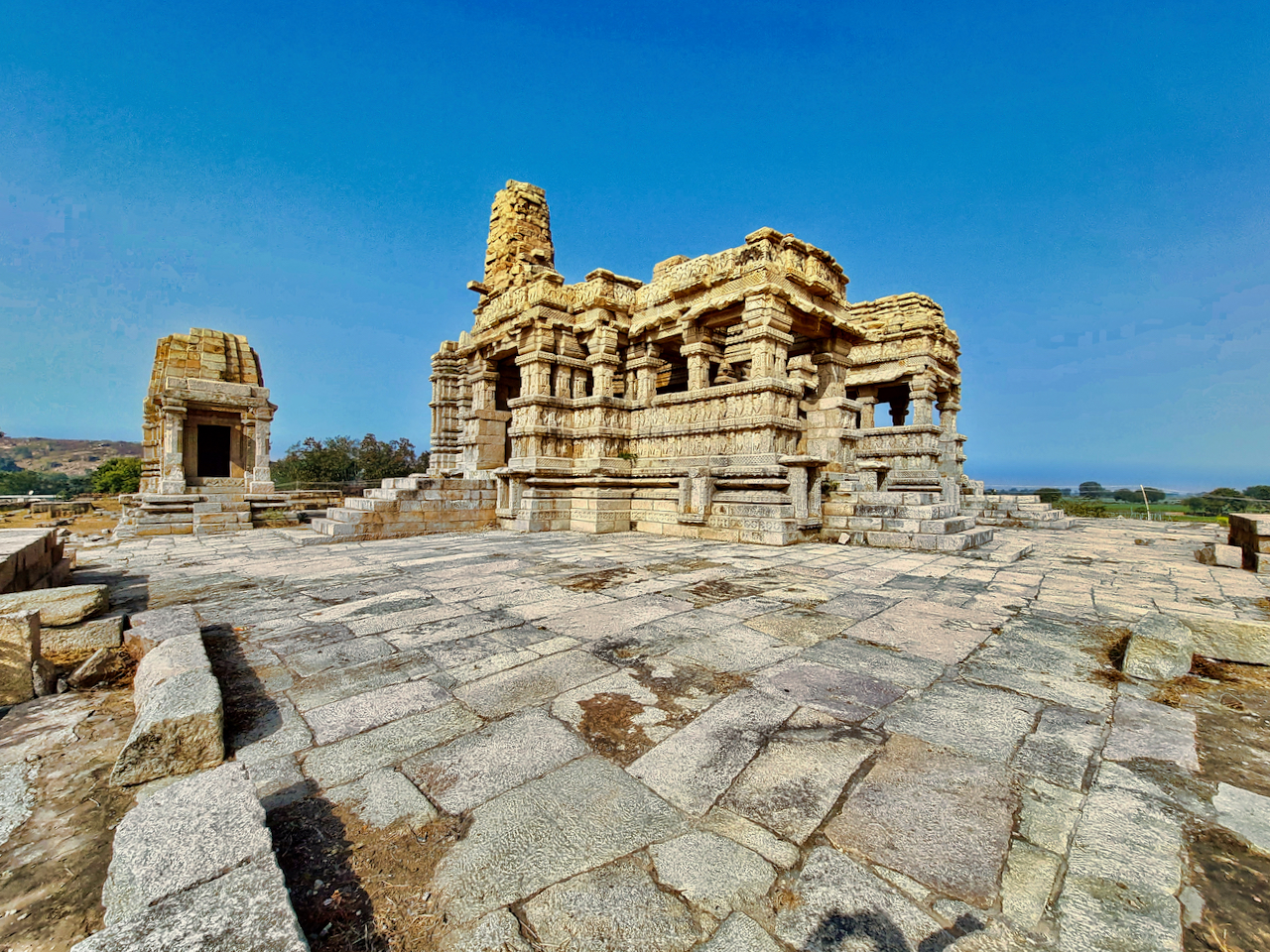
Group of Hindu temples, Vyas Bhadora
A group of Hindu temples located in Vyas Bhadora, Madhya Pradesh, representing traditional temple architecture of the region.
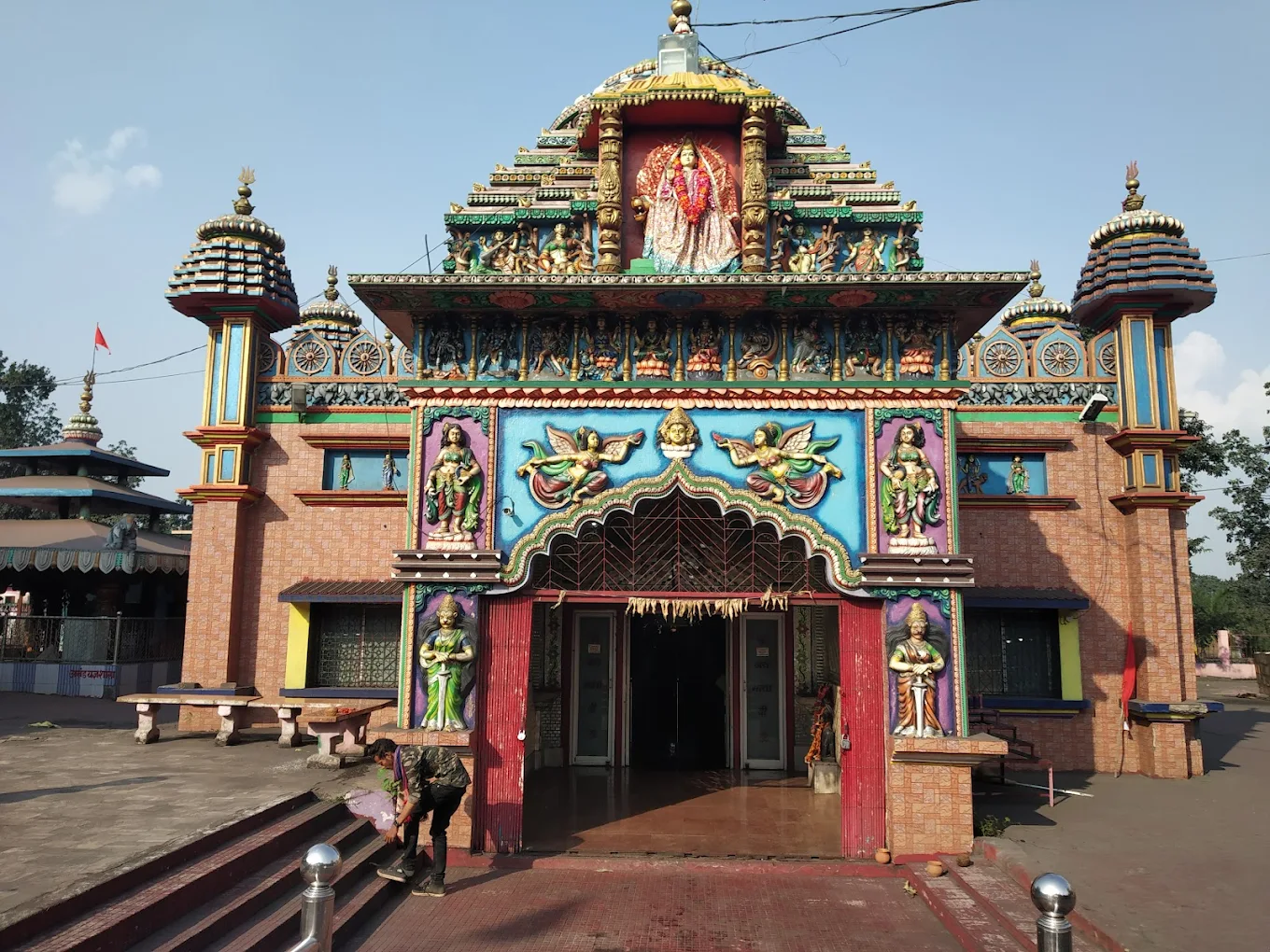
Sun temple, Banjari Tikari
Banjari Mata Mandir in Raipur, Chhattisgarh is a revered Hindu temple dedicated to Goddess Durga, serving as a spiritual center for devotees across the region.
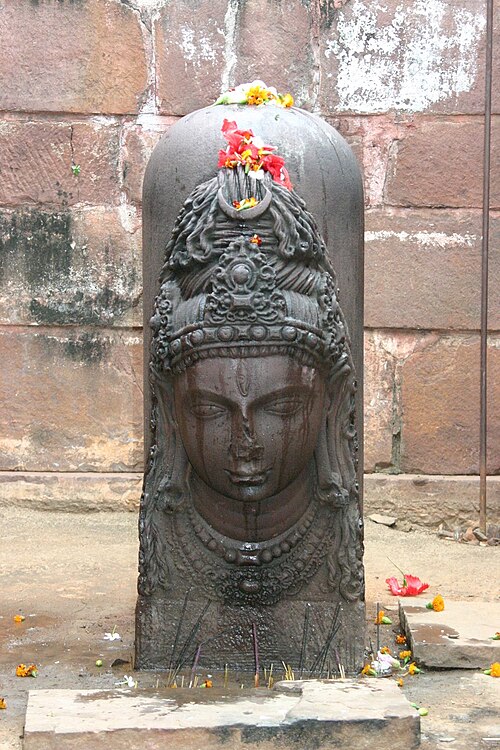
Bhumara Temple
Bhumara Temple is a 5th or 6th-century Gupta-era stone temple dedicated to Shiva near Satna, Madhya Pradesh, notable for its early enclosed pradakshina-patha and intricate sculp…
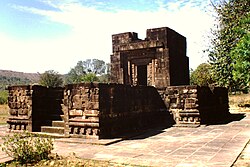
Nachna-Kuthara
Nachna-Kuthara comprises a complex of early stone Hindu temples in Panna district, Madhya Pradesh, representing some of central India's oldest surviving temple structures from t…
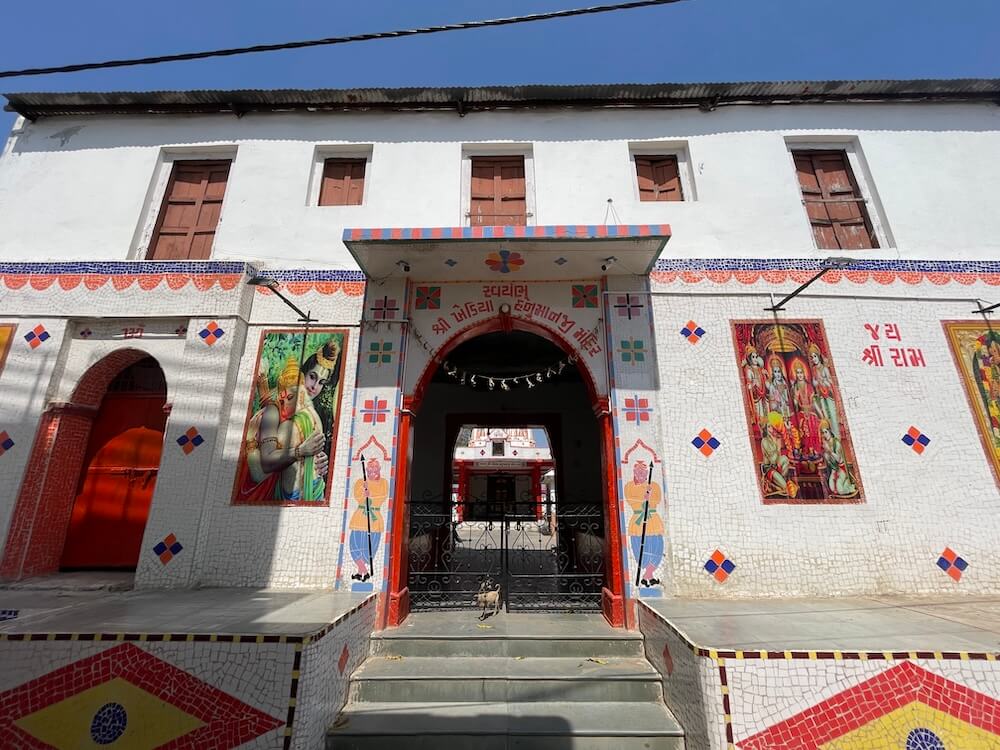
Hanuman Mandir Khajwa Chauda Kheda Dham
Shree Dakshinmukhaya Hanuman Mandir is a sacred temple dedicated to Lord Hanuman in his south-facing form, believed to grant protection from evil and remove obstacles for devotees.
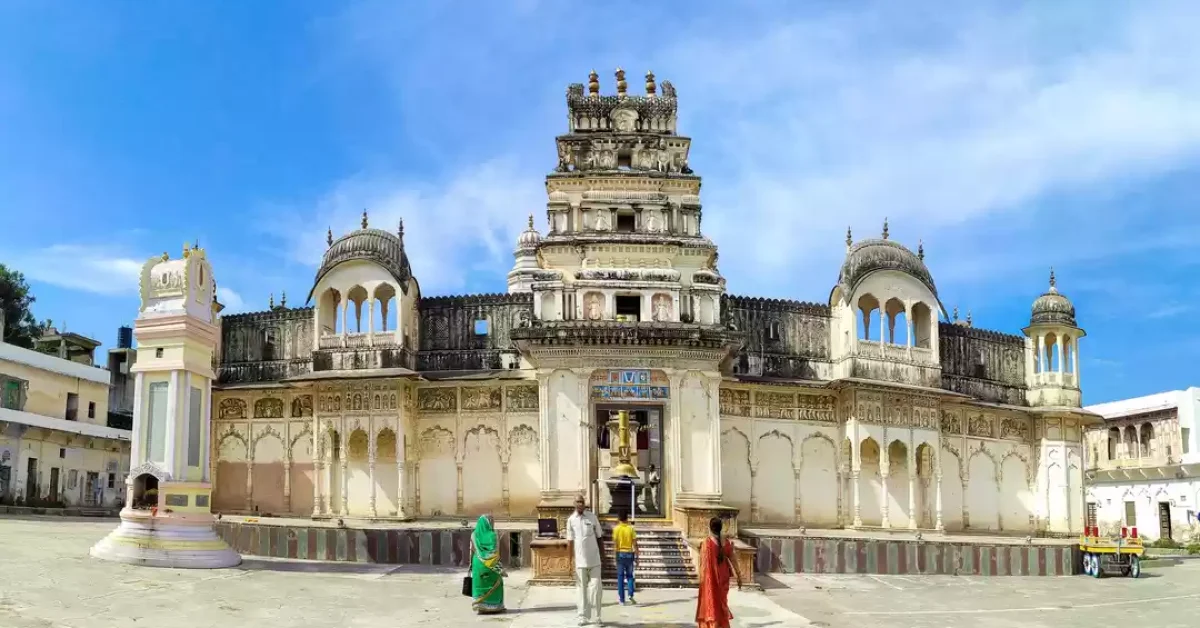
Brahma Temple
Brahma Temple in Pushkar, Rajasthan is one of the world's few temples dedicated to Lord Brahma, the creator deity, situated beside the sacred Pushkar Lake.