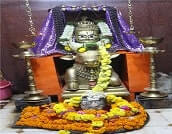
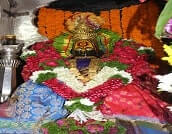
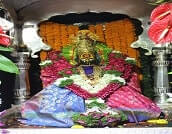
Tulja Bhavani Temple
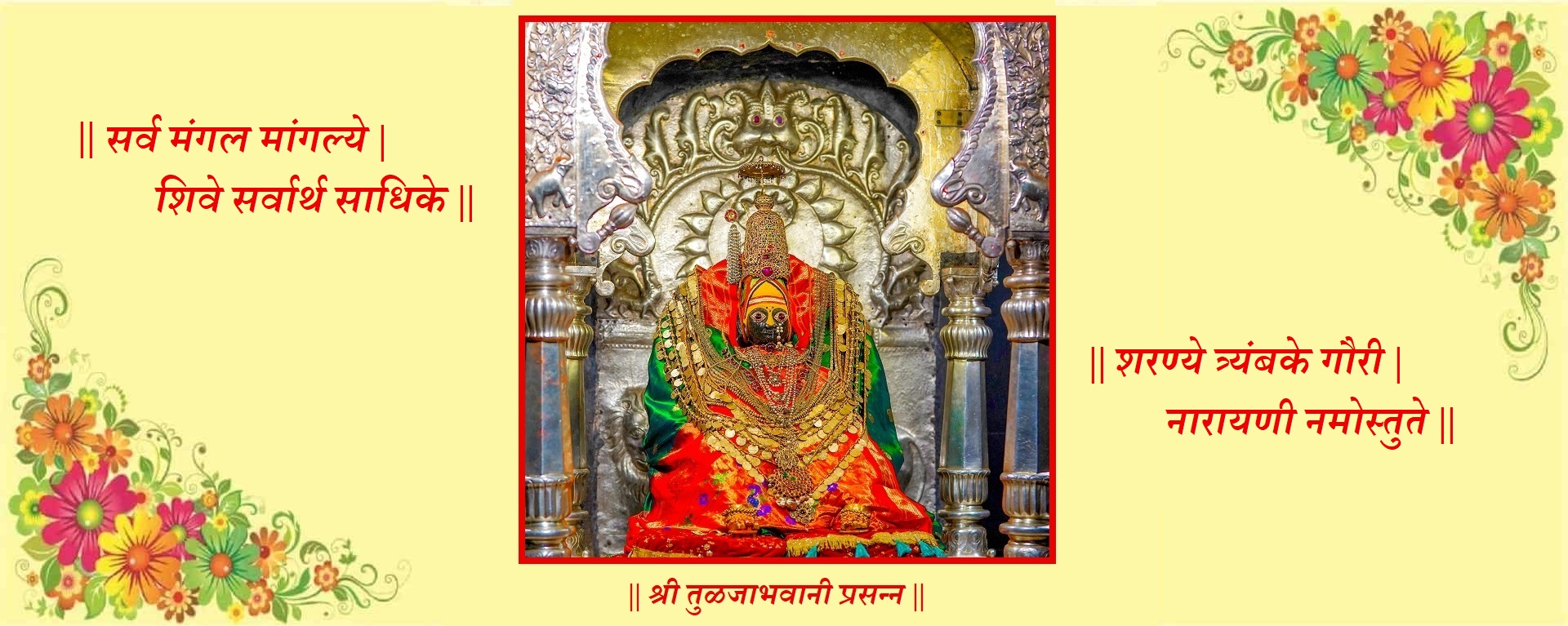
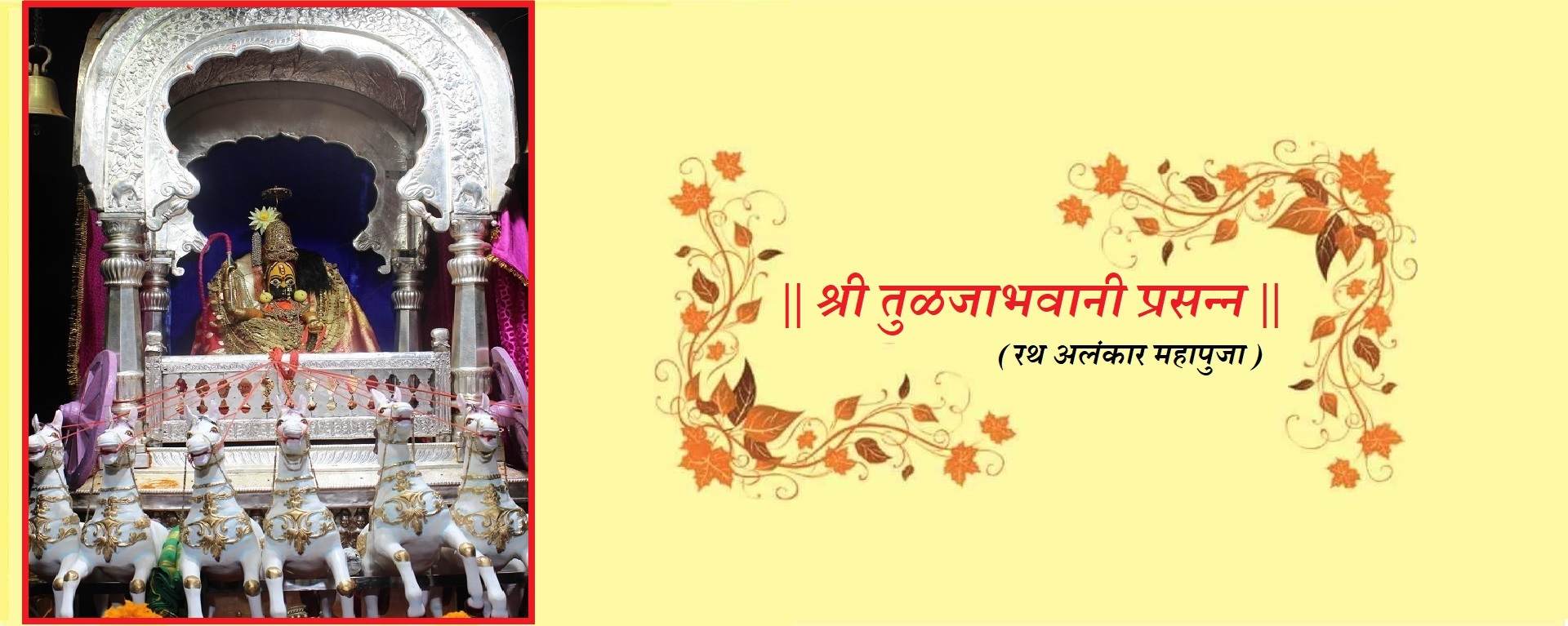
About Tulja Bhavani Temple
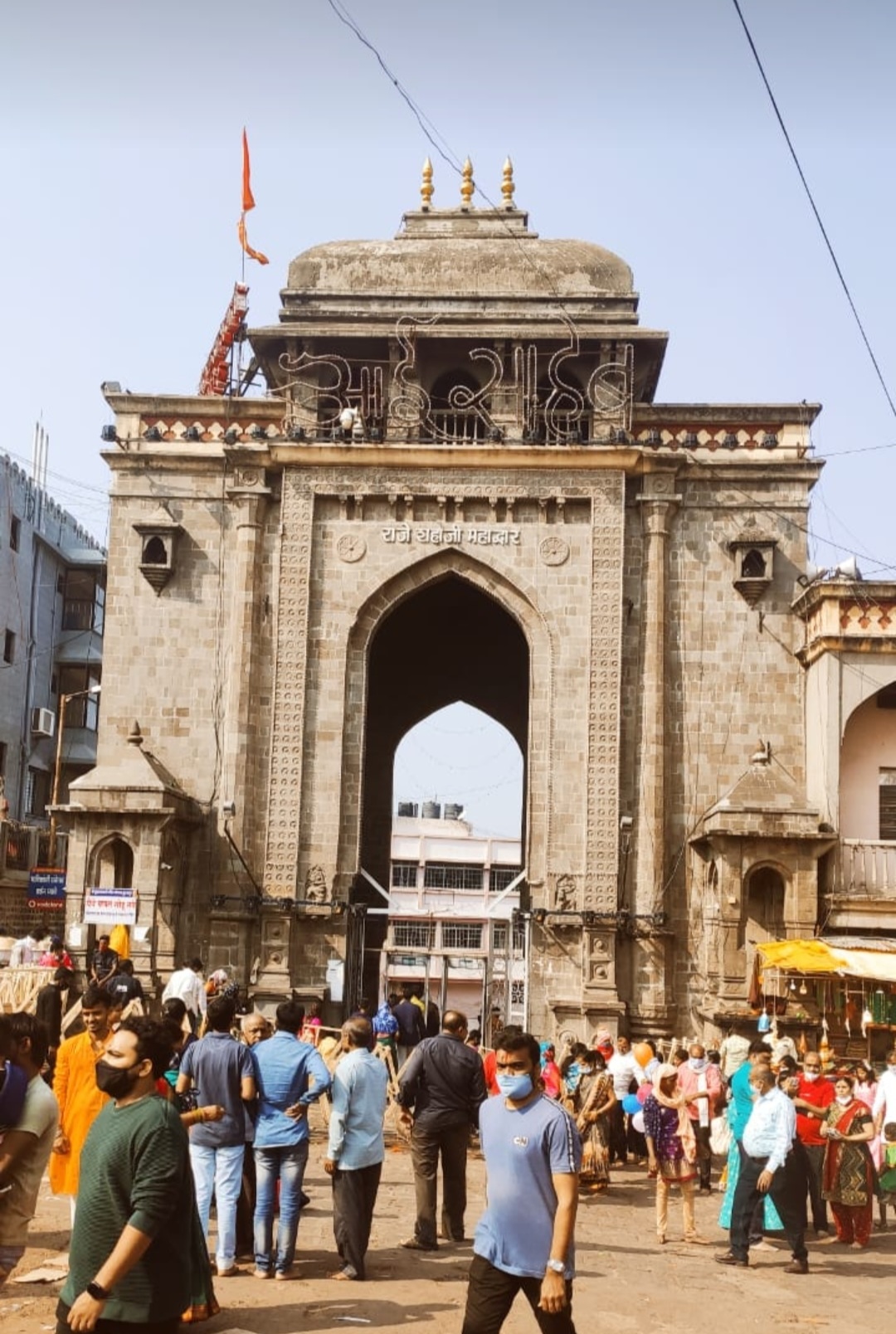
The temple was established in the 12th century CE by Mahamandaleshwara Māradadeva of the Kadamb dynasty. It occupies a location on the banks of the Mandakini River and near Bori Dam, positioning it within a landscape of water and hills that has shaped its spiritual character for nearly nine centuries. The temple remains 45 kilometres northeast of Solapur, accessible to pilgrims from surrounding cities and regions.
Daily Worship and Darshan
The temple opens at 4:00 AM on regular days and at 2:00 AM on Sundays, remaining accessible until 10:00 PM. Three principal aartis structure the day's worship: the Kakada Aarti at 5:00 AM marks the awakening of the Goddess at dawn; the Mahanivedan Aarti occurs around midday at 12:00 PM; and the Shejaarti (Shayan) takes place around 9:30–10:00 PM as the deities retire for the night. The Kakada Aarti is considered the most spiritually significant ritual of the day, and arriving by 4:30 AM allows visitors to witness this pre-dawn ceremony when devotional energy is at its height.
General darshan is available throughout the day with brief closures during ritual periods. Unlike many South Indian temples that close during afternoon hours, Tulja Bhavani remains open continuously, accommodating pilgrims arriving at various times. Sundays, Tuesdays, and Fridays are observed as particularly auspicious days, drawing larger crowds. For those seeking a more intimate experience, Sinhasan Pooja—a family ritual—is available at ₹1,000 per family, though only seven slots are offered daily (five in the morning, two in the evening) and advance booking through shrituljabhavani.org is essential.
Navratri and Peak Pilgrimage
During Navratri in October, the temple opens almost round-the-clock to accommodate the surge of devotees. This nine-day festival dedicated to the divine feminine draws pilgrims from across Maharashtra and beyond. The specific dates for Navratri vary annually; visitors should confirm the current year's schedule before planning their visit.
Visitor Information and Etiquette
Mobile phones are not permitted inside the sanctum. VIP darshan options are available at ₹100–200 per person and can be booked through the official website shrituljabhavani.org. Visitors should dress modestly, as is customary at Hindu temples; women typically wear salwar kameez, sarees, or equivalent modest clothing, while men wear simple kurtas or shirts with trousers. Footwear is removed before entering the temple premises.
The best times to visit are early morning between 4:30 and 5:30 AM for the Kakada Aarti, or during Navratri when the temple's spiritual intensity peaks. Those unable to visit during these windows should plan for Sundays, Tuesdays, or Fridays when the temple is considered particularly auspicious.
Reaching Tuljapur
Tuljapur is located 45 kilometres northeast of Solapur, which is well-connected by road and rail to major cities including Pune and Hyderabad. The temple's coordinates are 18.0114, 76.1256. Local transport from Solapur or nearby towns can be arranged; many pilgrims combine a visit to Tulja Bhavani with visits to other Shakti Pithas in the region, particularly Mahalakshmi at Kolhapur.
How to reach
Temples near Tulja Bhavani Temple
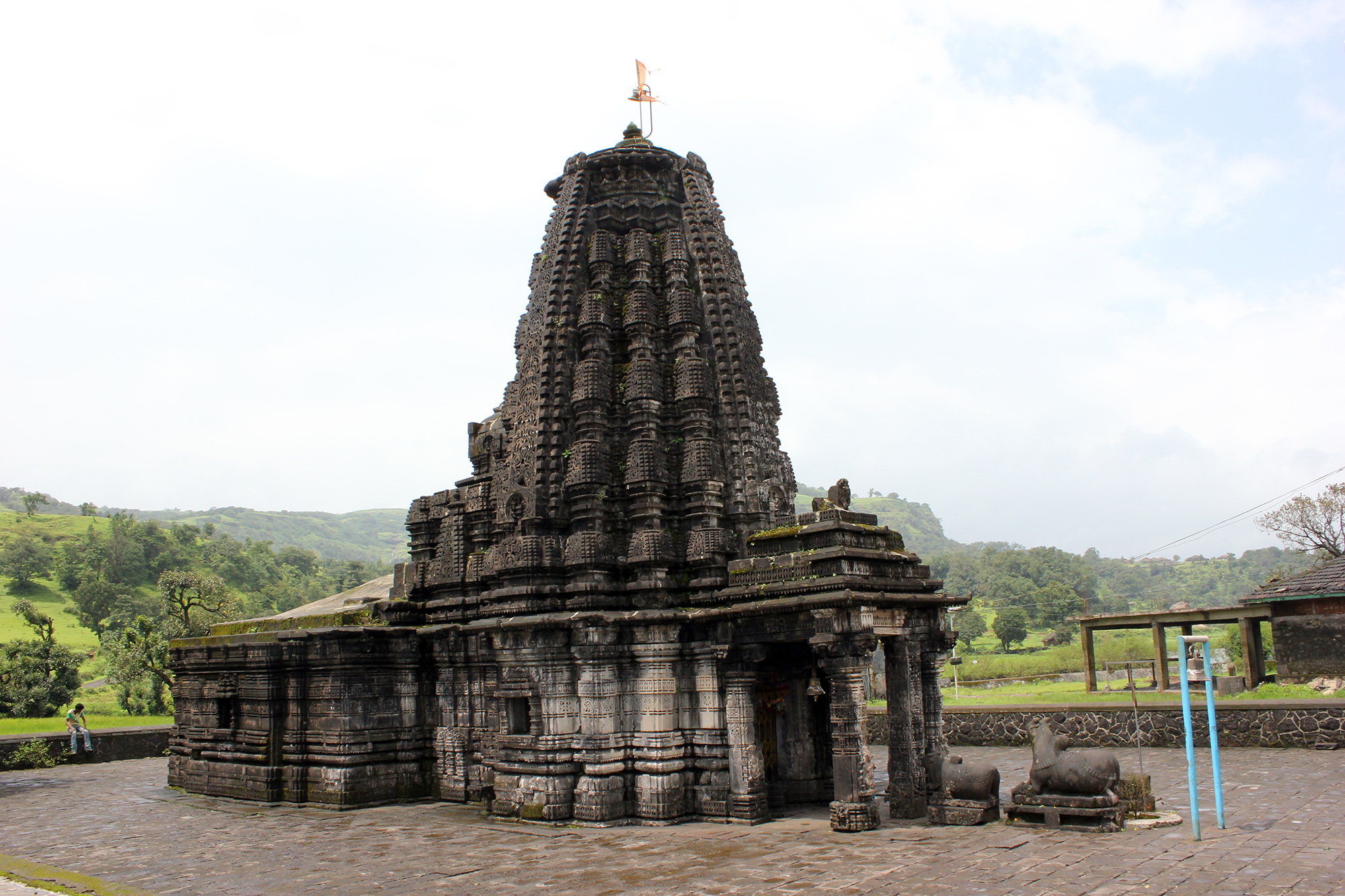
Trivikrama Temple
The Trivikrama Temple in Ter, Maharashtra is dedicated to Vamana, an avatar of Vishnu. This ancient shrine features distinctive apsidal architecture and a wagon-vaulted ridge ro…
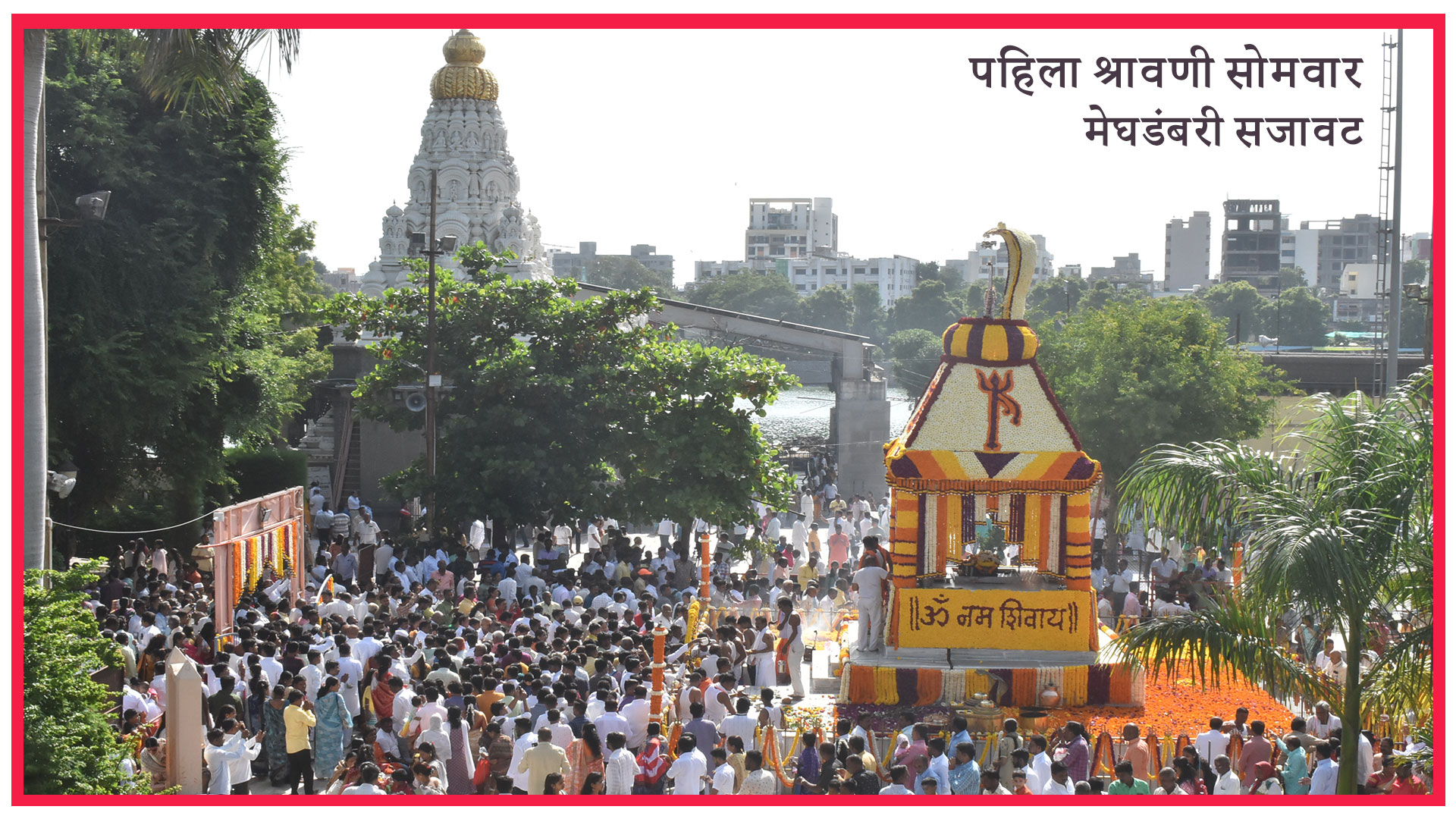
Siddheshwar Temple, Solapur
Siddheshwar Temple in Solapur is a twelfth-century shrine dedicated to Lord Siddharameshwara, a revered yogi and social reformer within the Lingayat tradition. The temple comple…
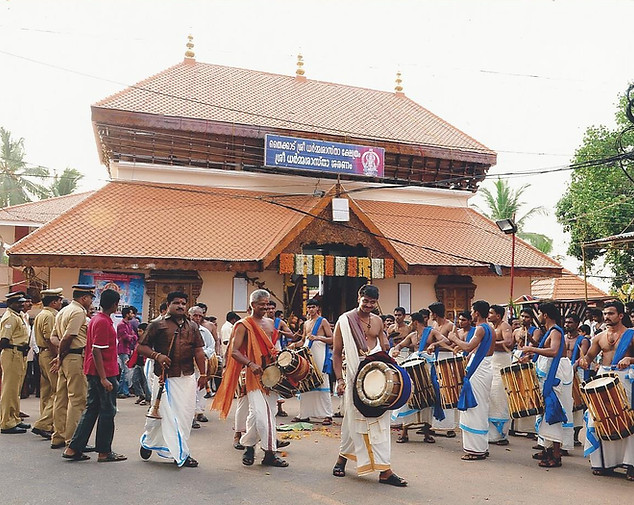
Siddheshwar & Ratneshwar Temple
An ancient Shiva temple in Solapur, Maharashtra, dedicated to the 12th-century saint and philosopher Siddharameshwara, who established 68 consecrated Shivalingas across the regi…
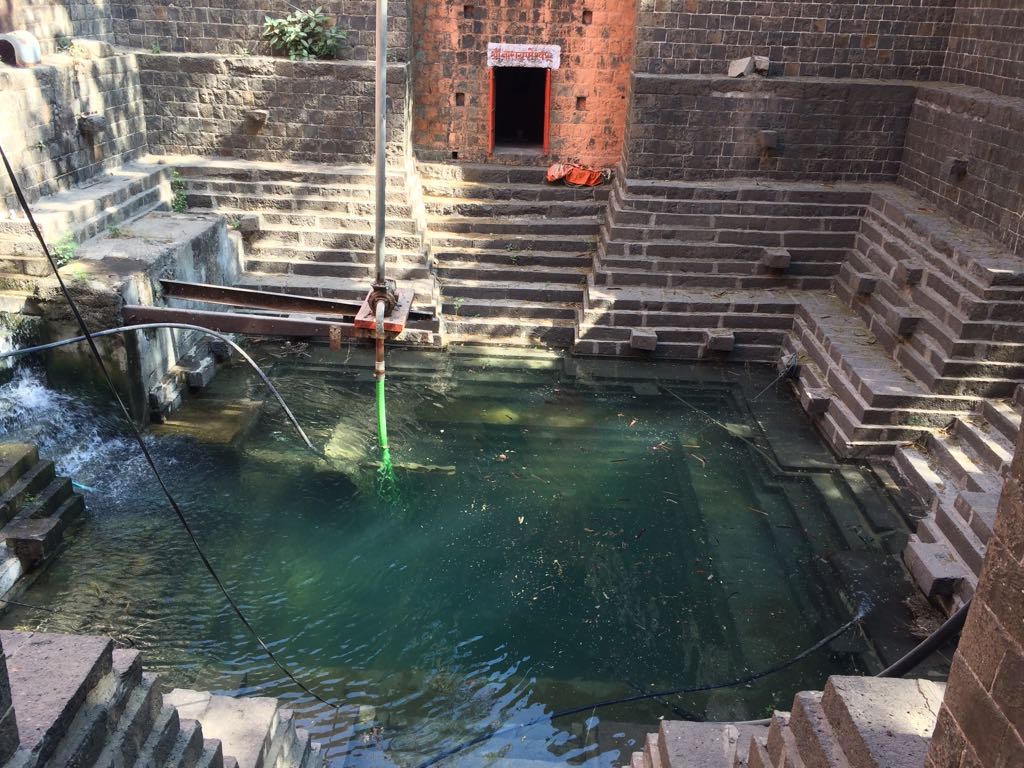
Shri Vaijnath Temple
Shri Vaijnath Temple in Parli, Maharashtra is a revered shrine dedicated to Lord Shiva, drawing thousands of devotees especially during the sacred month of Shravan when elaborat…
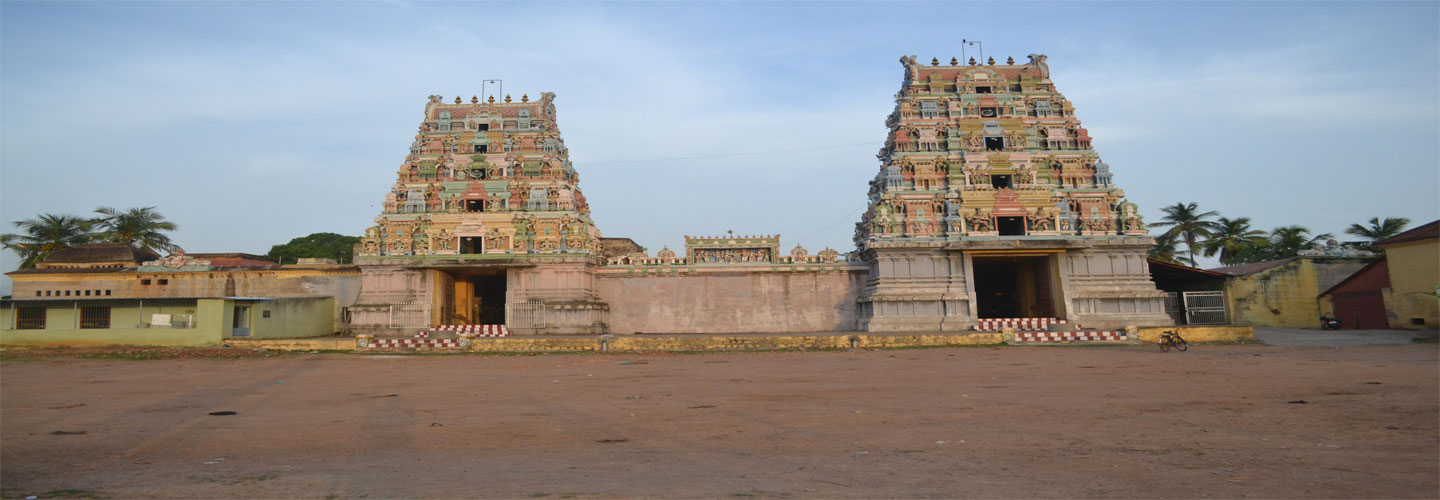
Shri Laxmi Narsimha Temple
Shri Laxmi Narsimha Temple in Nira Narsingpur, Pune district, is one of Maharashtra's oldest temples dedicated to Narasimha, an avatar of Vishnu, situated at the confluence of t…

Sharana Basaveshwara Temple
Sharana Basaveshwara Temple in Kalaburagi is a significant pilgrimage centre dedicated to the Lingayat saint Sharana Basaveshwara, featuring a mixed architectural style with an…