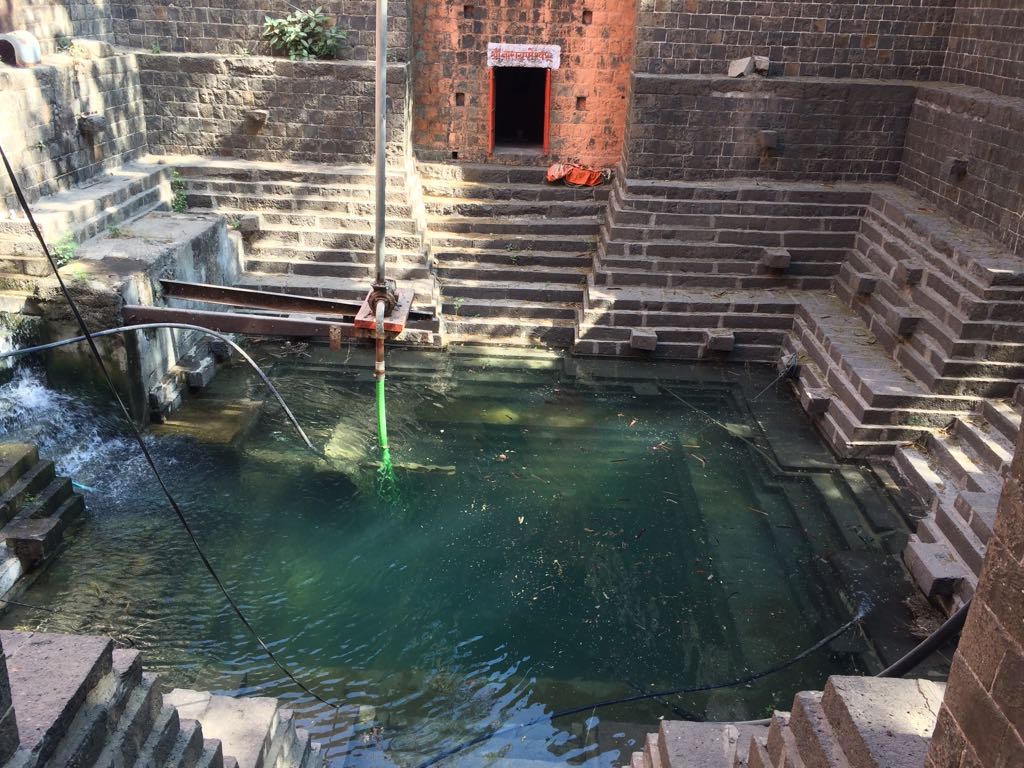
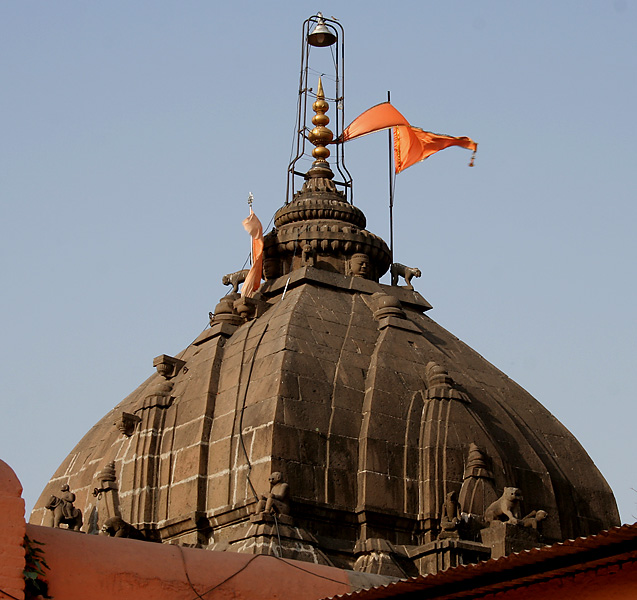
Shri Vaijnath Temple
About Shri Vaijnath Temple
The temple opens at 5:00 a.m., beginning with the Kakad Aarti—the dawn ritual that marks the awakening of the deity. Morning darshan extends from 5:00 a.m. until 3:30 p.m., a period when visitors may approach the sanctum. The temple then closes for an afternoon break until 6:00 p.m., after which evening darshan continues until 10:00 p.m. A second aarti takes place at noon. The early morning hours between 5:00 and 7:00 a.m. offer the most serene atmosphere for worship, when fewer crowds gather and the temple maintains a quieter character suited to contemplative practice.
Shravan: The Month of Intense Devotion
The lunar month of Shravan transforms the temple into a center of heightened spiritual activity. During this period, devotees perform Rudra Abhishek—ritual bathing of the lingam—often presenting offerings of 108 bilva leaves, which hold sacred significance in Shiva worship. Some worshippers undertake far more extensive offerings, with reports of devotees presenting 100,000 bilva leaves across the month's duration. A distinctive feature of Shravan observance at Parli involves kavad processions, in which water from the Godavari River is carried to the temple in ritual processions and used for abhishek ceremonies. These processions draw pilgrims from the Godavari region who undertake the journey on foot, carrying sacred river water to anoint the deity. The Mondays of Shravan month, particularly the third Monday, witness especially large gatherings of pilgrims.
Festival Celebrations
Gudhipadwa, which marks the new year in the Hindu calendar, is celebrated at the temple with considerable ceremony. On this day, a new flag is hoisted atop the temple's spire following ritual worship. Devotees present traditional offerings of jaggery, sugar, coconut, and other items as prasad. The festival draws crowds that remain at the temple into the evening hours. Dussehra (Vijayadashami) brings another major celebration, marked by a procession of the deity. These festivals represent occasions when the temple experiences heightened activity and larger numbers of visitors.
Visiting the Temple: Practical Information
The temple is located at coordinates 18.8428°N, 76.5354°E in Parli, Beed District, Maharashtra. Visitors should plan to arrive during darshan hours: morning sessions run from 5:00 a.m. to 3:30 p.m., and evening sessions from 6:00 p.m. to 10:00 p.m. The temple remains closed between 3:30 p.m. and 6:00 p.m. Early morning visits offer a more peaceful experience. Visitors should dress modestly, as is customary at Hindu temples, and remove footwear before entering the sanctum. The practice of presenting offerings such as bilva leaves, flowers, or coconut is common, though these may be available for purchase near the temple. Photography policies should be confirmed upon arrival, as restrictions vary by temple.
Best Times to Visit
Early morning hours between 5:00 and 7:00 a.m. provide the most serene atmosphere for worship and darshan. The month of Shravan, which typically falls between July and September in the lunar calendar, draws large numbers of devotees and offers the opportunity to witness the distinctive kavad processions and extensive ritual observances for which the temple is known. Those seeking a quieter visit should avoid festival periods such as Gudhipadwa and Dussehra, when crowds remain substantial throughout the day.
How to reach
Temples near Shri Vaijnath Temple
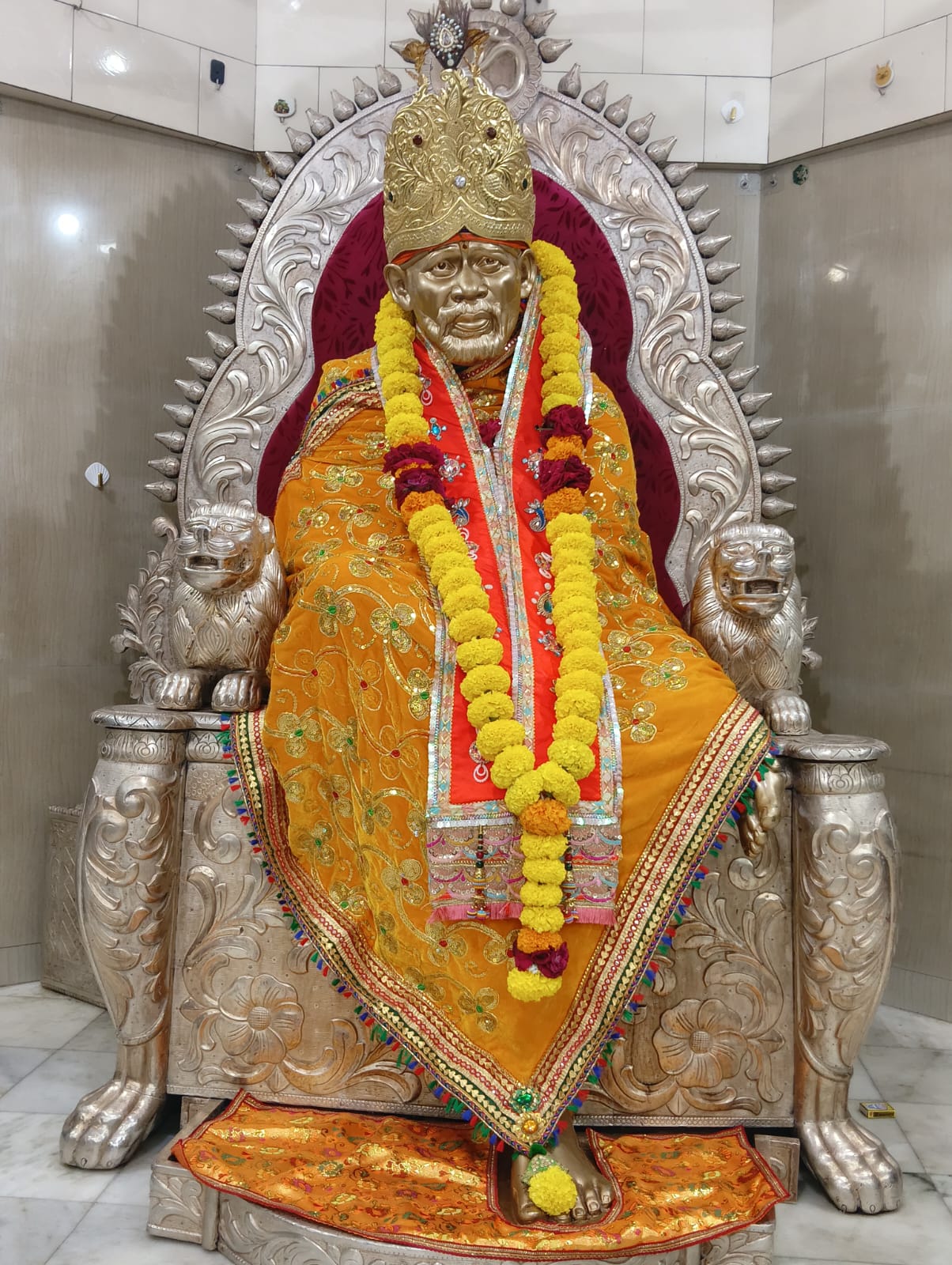
Sri Sai Janmasthan Temple, Pathri
Sri Sai Janmasthan Temple in Pathri, Maharashtra, is a shrine dedicated to Sai Baba, established in the 1970s. The temple claims Pathri as Sai Baba's birthplace, though this rem…
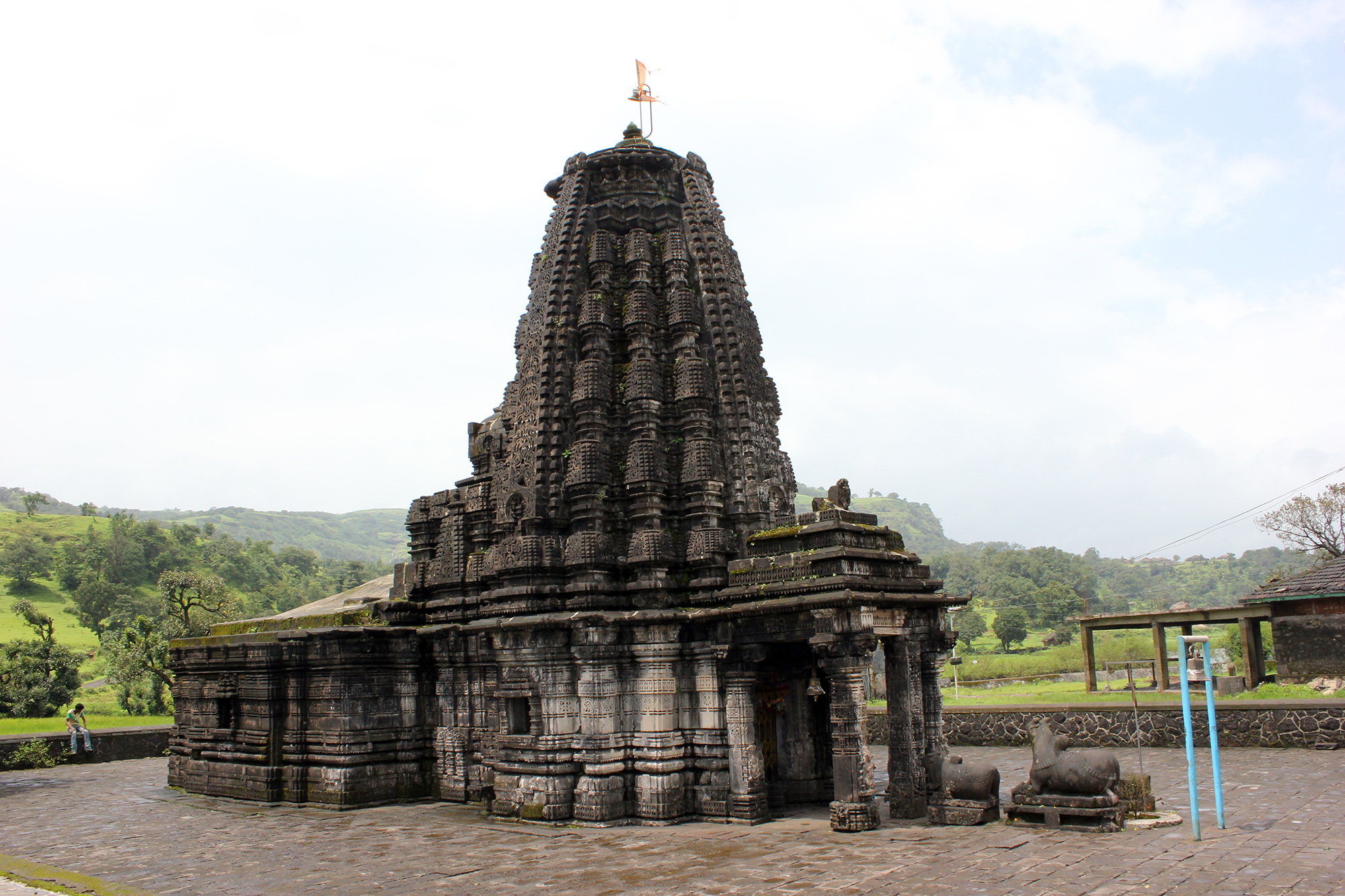
Trivikrama Temple
The Trivikrama Temple in Ter, Maharashtra is dedicated to Vamana, an avatar of Vishnu. This ancient shrine features distinctive apsidal architecture and a wagon-vaulted ridge ro…
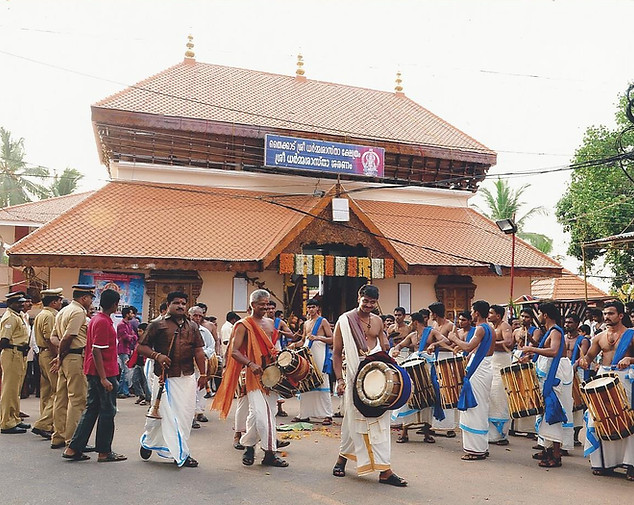
Siddheshwar & Ratneshwar Temple
An ancient Shiva temple in Solapur, Maharashtra, dedicated to the 12th-century saint and philosopher Siddharameshwara, who established 68 consecrated Shivalingas across the regi…
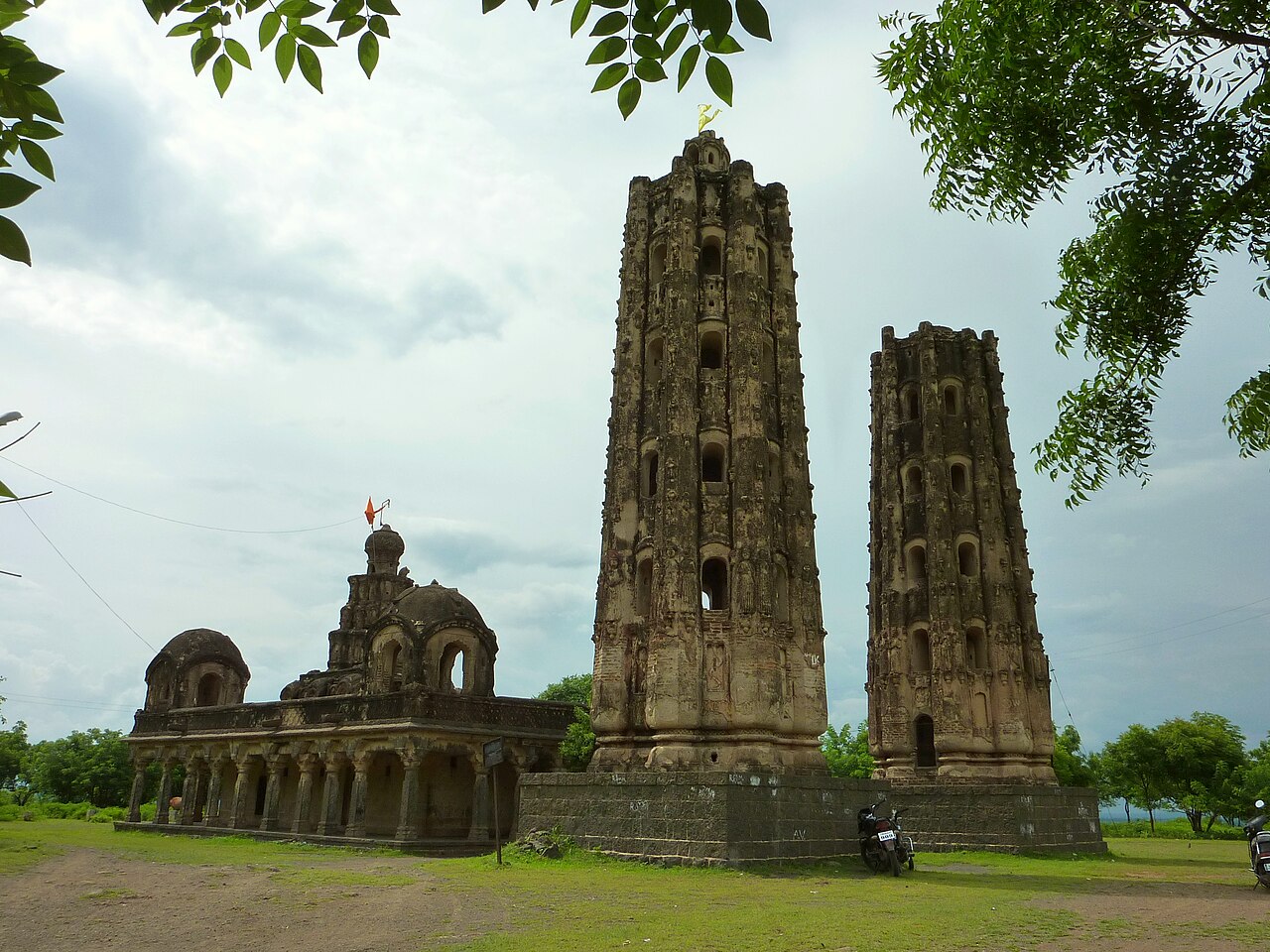
Khandoba Temple, Beed
Khandoba Temple in Beed, Maharashtra is a Hindu shrine dedicated to Khandoba, a deity particularly revered by the Dhangar community as their protective family deity. The temple…
Kankaleshwar Temple
Kankaleshwar Temple is a Shaivite shrine located in Beed, Maharashtra, dedicated to Lord Shiva and offering extensive puja services for devotional and spiritual needs.
Tulja Bhavani Temple
Tulja Bhavani Temple is a 12th-century Hindu shrine dedicated to Goddess Bhavani, revered as one of Maharashtra's three complete Shakti Pithas and the family deity of Chhatrapat…