
Sharana Basaveshwara Temple
About Sharana Basaveshwara Temple
The temple was established in the early nineteenth century as part of the broader Lingayat spiritual landscape of Karnataka. Its architecture reflects a mixed style that blends traditional elements with later renovations, adapting the structure to serve contemporary pilgrims while preserving its heritage character. The temple complex includes a sabha mantapa—a gathering hall—which functions as a space for collective worship and community activities. This architectural feature underscores the temple's role not merely as a shrine but as a communal gathering place.
Daily Worship and Darshan
The temple opens at 6:00 AM and closes at 11:00 AM in the morning, reopening at 3:00 PM until 8:30 PM. Two principal aartis mark the day: Suprabhat Seva begins at 6:00 AM, welcoming the dawn, while Mahamangalarathi takes place at 8:30 PM in the evening. Devotees can participate in various poojas including Suprabhat Seva, Mahamangalarathi, and Archana, conducted in Kannada, Hindi, Marathi, and English to accommodate pilgrims from different regions. Darshan is offered free of charge to all visitors, making the temple accessible regardless of means. The spiritual atmosphere is particularly pronounced during evening aarti times, when the temple becomes a focal point of devotional activity.
Festivals and Celebrations
The temple's festival calendar marks key occasions within Hindu and Lingayat observance. The Sharanabasaveshwar Jatra and Maha Rathotsava, a car festival, occurs around Ugadi in March and April, drawing substantial crowds of devotees. Shravana Maas, observed during August and September with special emphasis on Mondays, brings heightened spiritual activity. Dussehra in September-October and Sankranti in January also receive ceremonial attention. During these festival periods, the temple provides mass feeding—known as Annadanam or Dasoha—to all visitors, transforming the temple grounds into spaces of collective nourishment and worship.
Visiting the Temple: Practical Information
Visitors should dress modestly. Men are advised to wear full-length trousers with a shirt or traditional kurta-pyjama, avoiding shorts or sleeveless garments. Women should wear traditional or modest attire such as a saree, salwar kameez, or modest long ethnic wear, avoiding short skirts or revealing clothing. Photography is prohibited within the main sanctum, though casual photography of the outer complex may be permitted with staff approval. The temple is wheelchair-accessible with dedicated entrance and drop-off zones. Ample parking accommodates cars, two-wheelers, and buses. Pilgrim lodging (Yatri Nivas) is available adjacent to the temple, and several hotels operate within 1–2 km of the site.
The best times to visit are during winter months (November to February), the festival season, or during evening aarti times when the temple's spiritual character is most pronounced.
Getting There and Nearby Attractions
The temple is located at S.B. Temple Road, Raghavendra Colony, Brahmpur, Kalaburagi. From Kalaburagi Railway Station, just 2.5 km away, visitors can take a local auto-rickshaw or city taxi to reach the temple. Those arriving by air can travel from Kalaburagi Airport (15 km away) or from Hyderabad's Rajiv Gandhi International Airport (approximately 210 km away). The Central Bus Stand in Kalaburagi also provides convenient access via local transport.
Nearby attractions include Gulbarga Fort, Khwaja Banda Nawaz Dargah, Buddha Vihar, and Sharana Basaveshwara Lake, allowing visitors to explore the broader spiritual and historical heritage of the region during their stay.
How to reach
Temples near Sharana Basaveshwara Temple
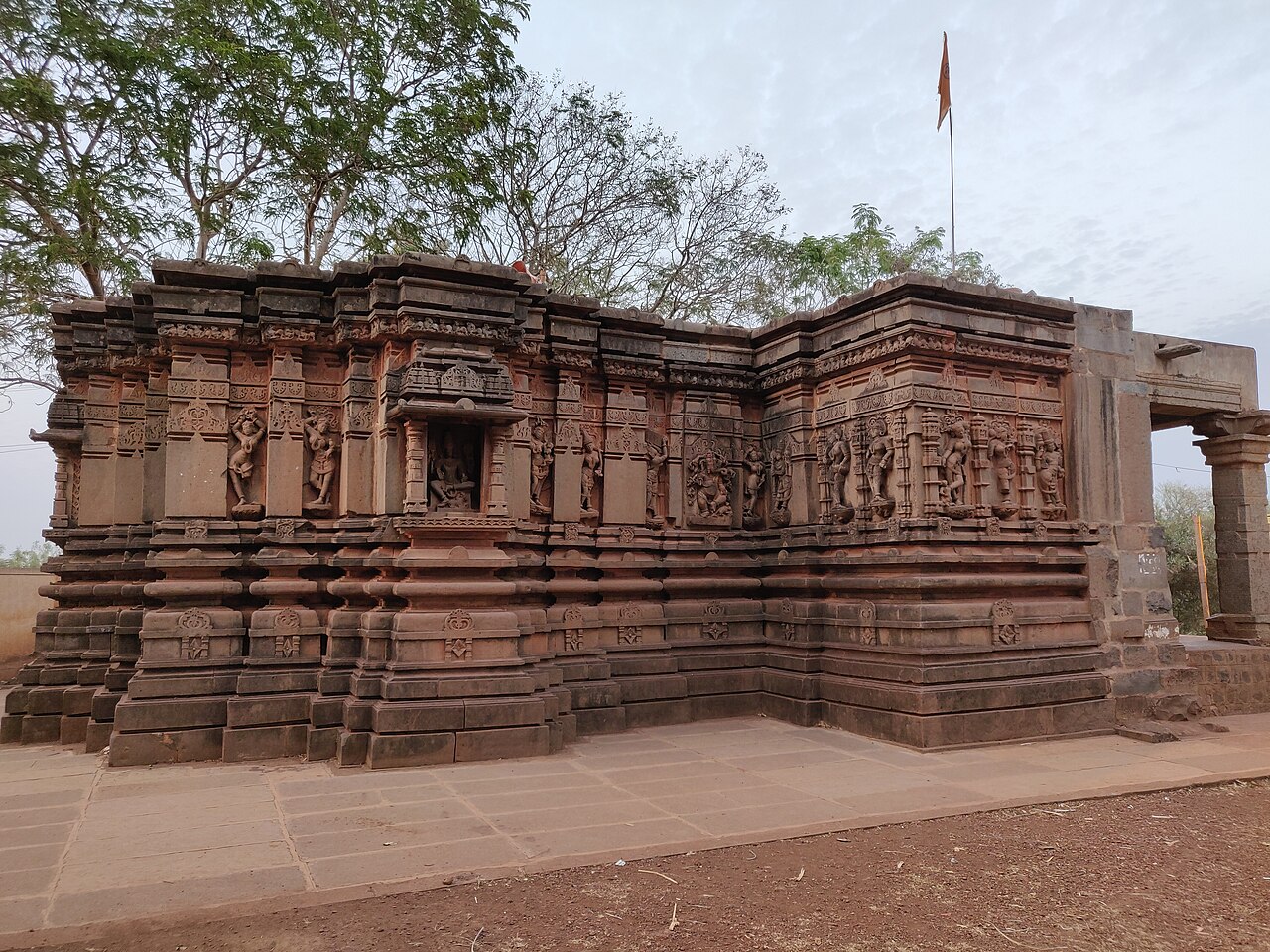
Iswara temple in Jalasangvi
The Iswara Temple in Jalasangvi is an 11th-century Kalyana Chalukya shrine dedicated to Shiva, renowned for its intricate sculptural details that inspired later Hoysala temple art.
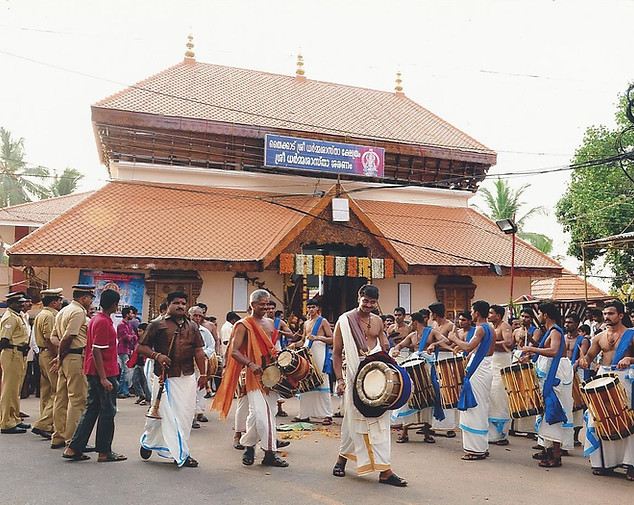
Siddheshwar & Ratneshwar Temple
An ancient Shiva temple in Solapur, Maharashtra, dedicated to the 12th-century saint and philosopher Siddharameshwara, who established 68 consecrated Shivalingas across the regi…
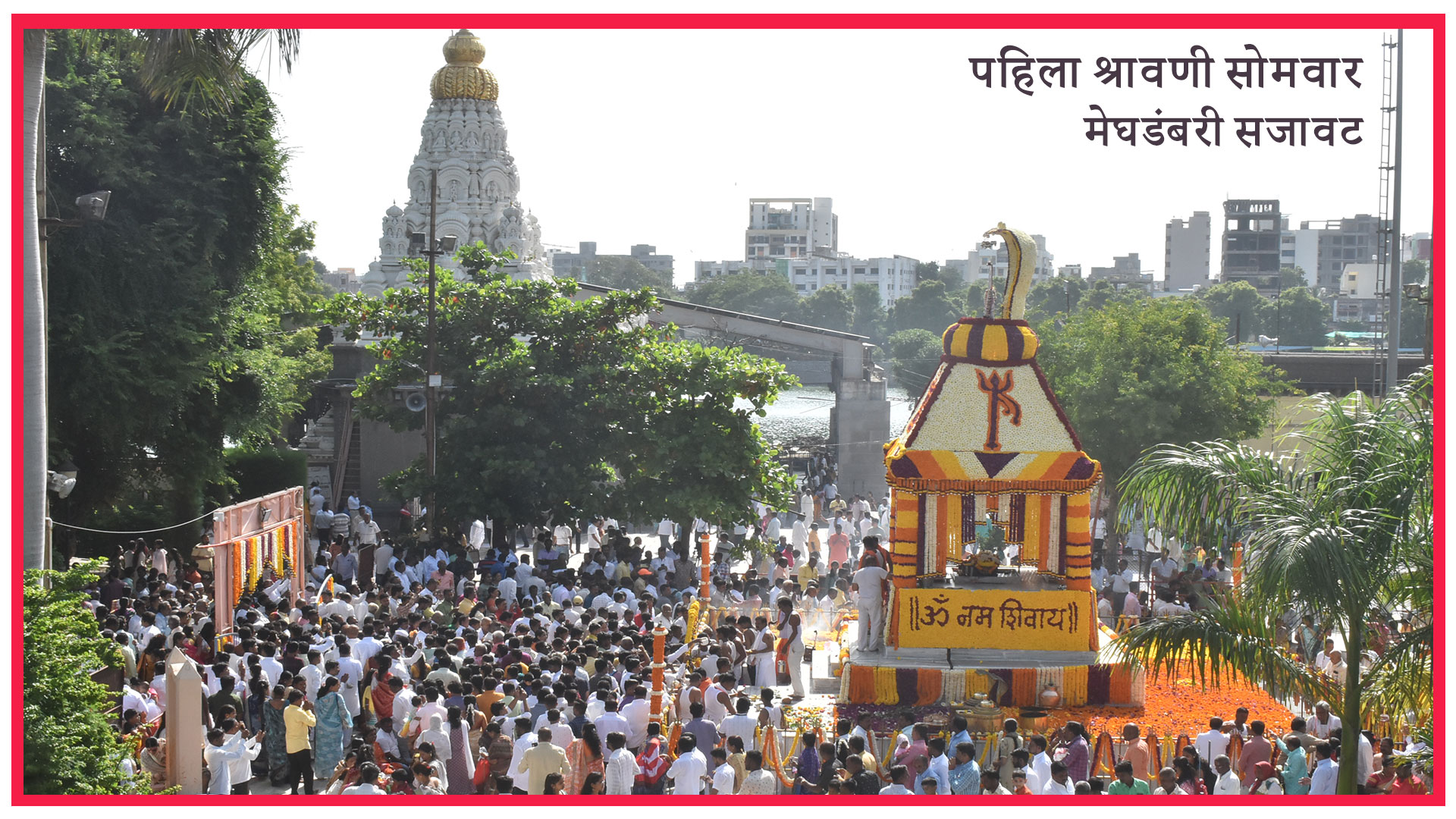
Siddheshwar Temple, Solapur
Siddheshwar Temple in Solapur is a twelfth-century shrine dedicated to Lord Siddharameshwara, a revered yogi and social reformer within the Lingayat tradition. The temple comple…
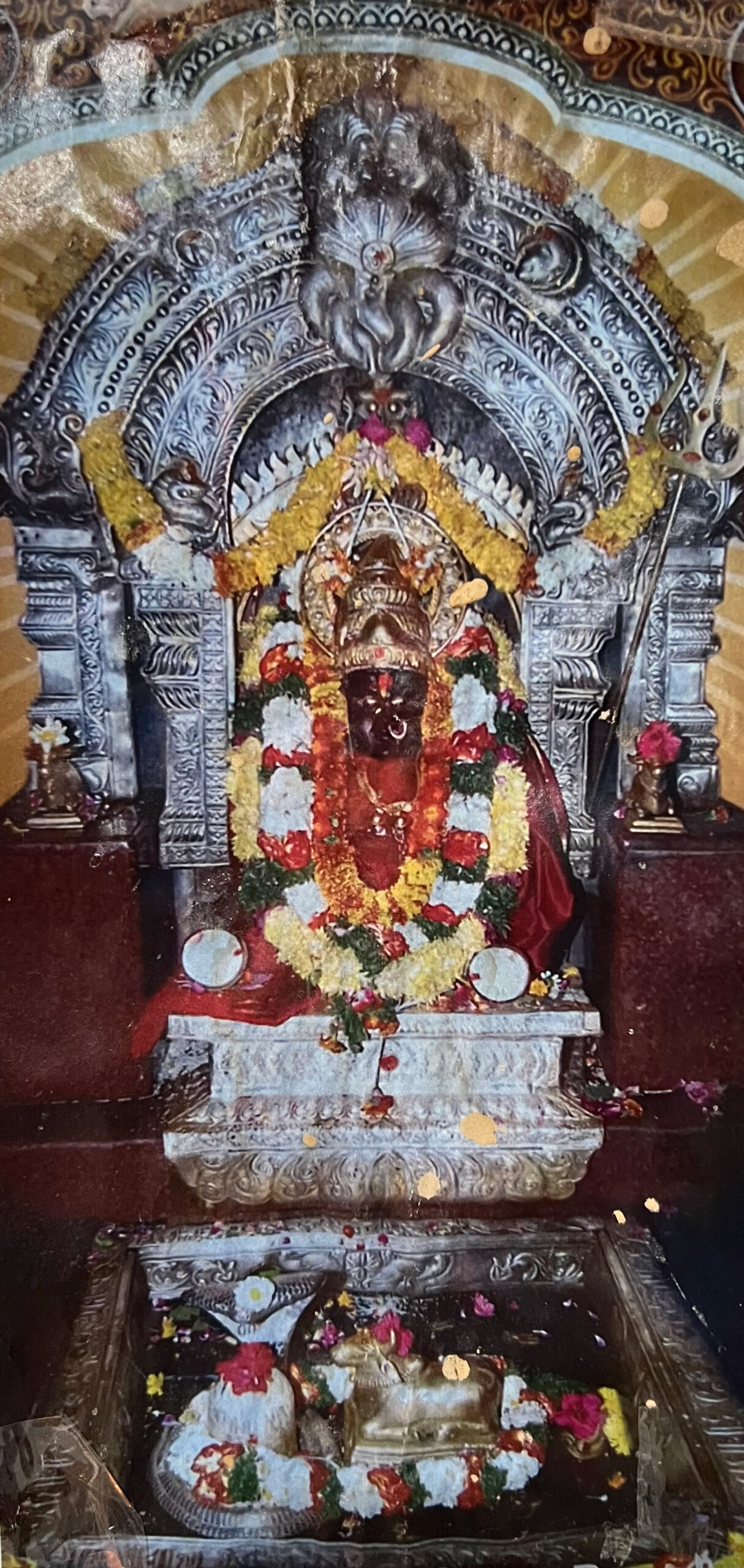
Sri Ketaki Sangameswara Swamy temple
Sri Ketaki Sangameswara Swamy Temple is an ancient Shiva shrine located in Jharasangam village, Medak district, where the lingam is believed to have been consecrated by Lord Bra…

Tulja Bhavani Temple
Tulja Bhavani Temple is a 12th-century Hindu shrine dedicated to Goddess Bhavani, revered as one of Maharashtra's three complete Shakti Pithas and the family deity of Chhatrapat…
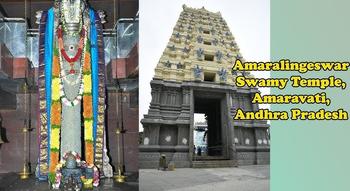
Amareshwar Temple
Amareshwar Mahadev Temple in Amarkantak, Chhattisgarh, is a significant Shiva shrine housing an 11-foot Shivalingam weighing 51 tons and replicas of all 12 Jyotirlingas of India.