Siddheshwar Temple, Solapur
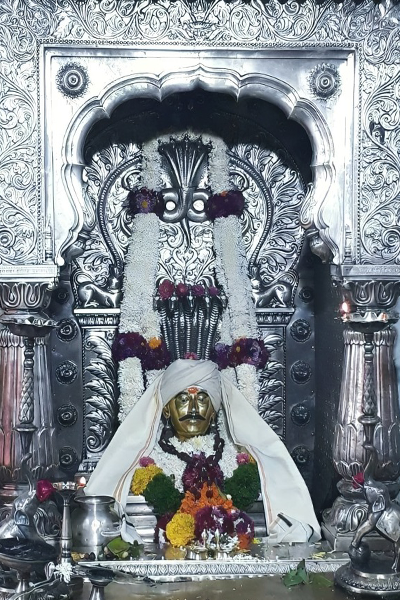
About Siddheshwar Temple, Solapur
The temple opens daily from 5:00 am to 10:00 pm, providing devotees with extended access for darshan (viewing of the deity). The evening aarti—the ritual offering of light to the deity—forms the focal point of daily worship, though the specific timing of this ceremony is not formally documented. Visitors who wish to participate in or observe the primary acts of worship should plan their visit around the evening aarti time, which can be confirmed upon arrival or through the temple's official channels.
As a Shiva temple within the Lingayat tradition, Siddheshwar follows ritual patterns typical of such shrines. The temple maintains facilities specifically designed for pilgrims, including an annachatra (a dining hall providing meals) and yatrik nivas (pilgrim lodging), reflecting its established role as a destination for those undertaking religious journeys.
Seasons and Festivals
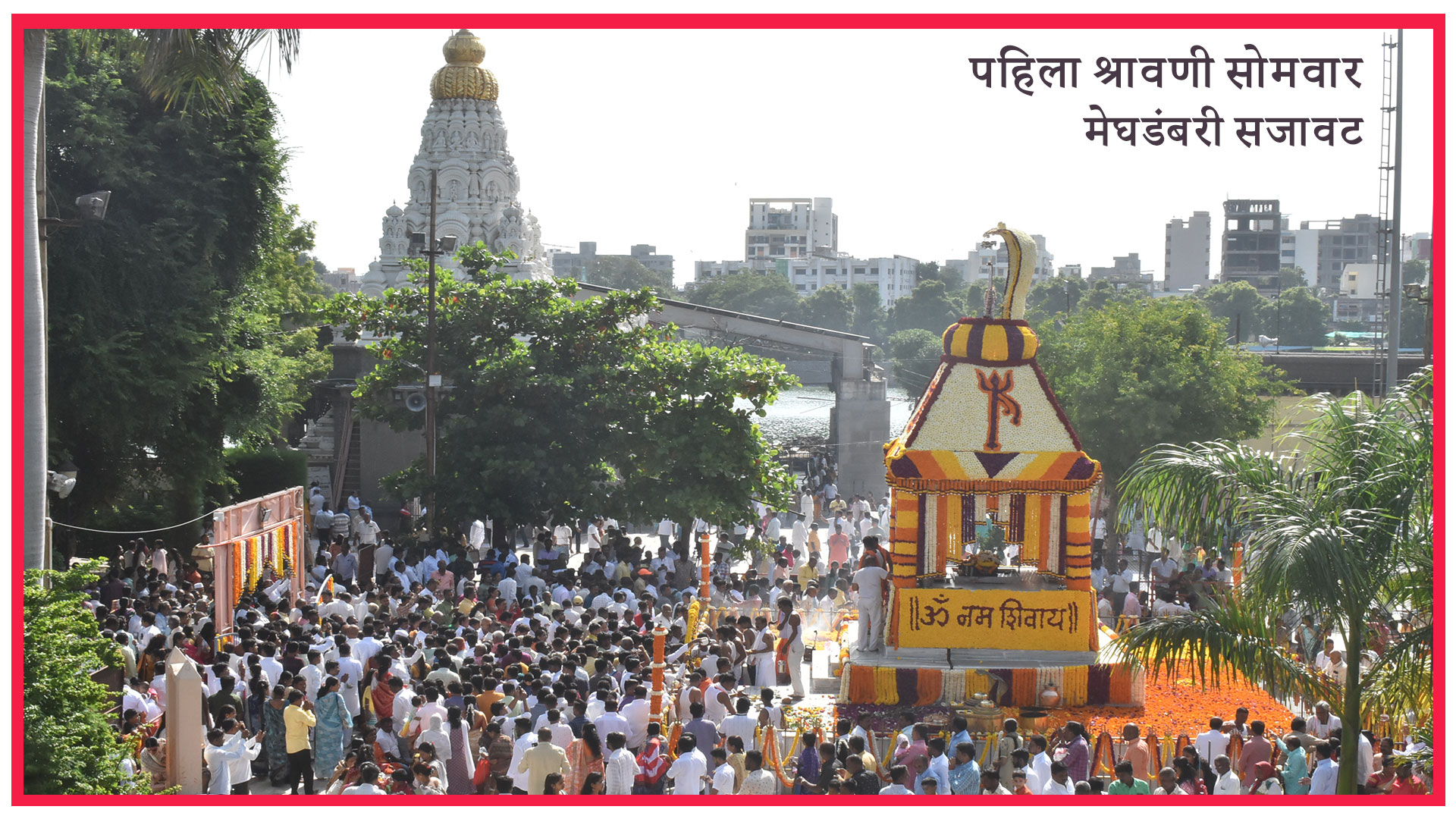
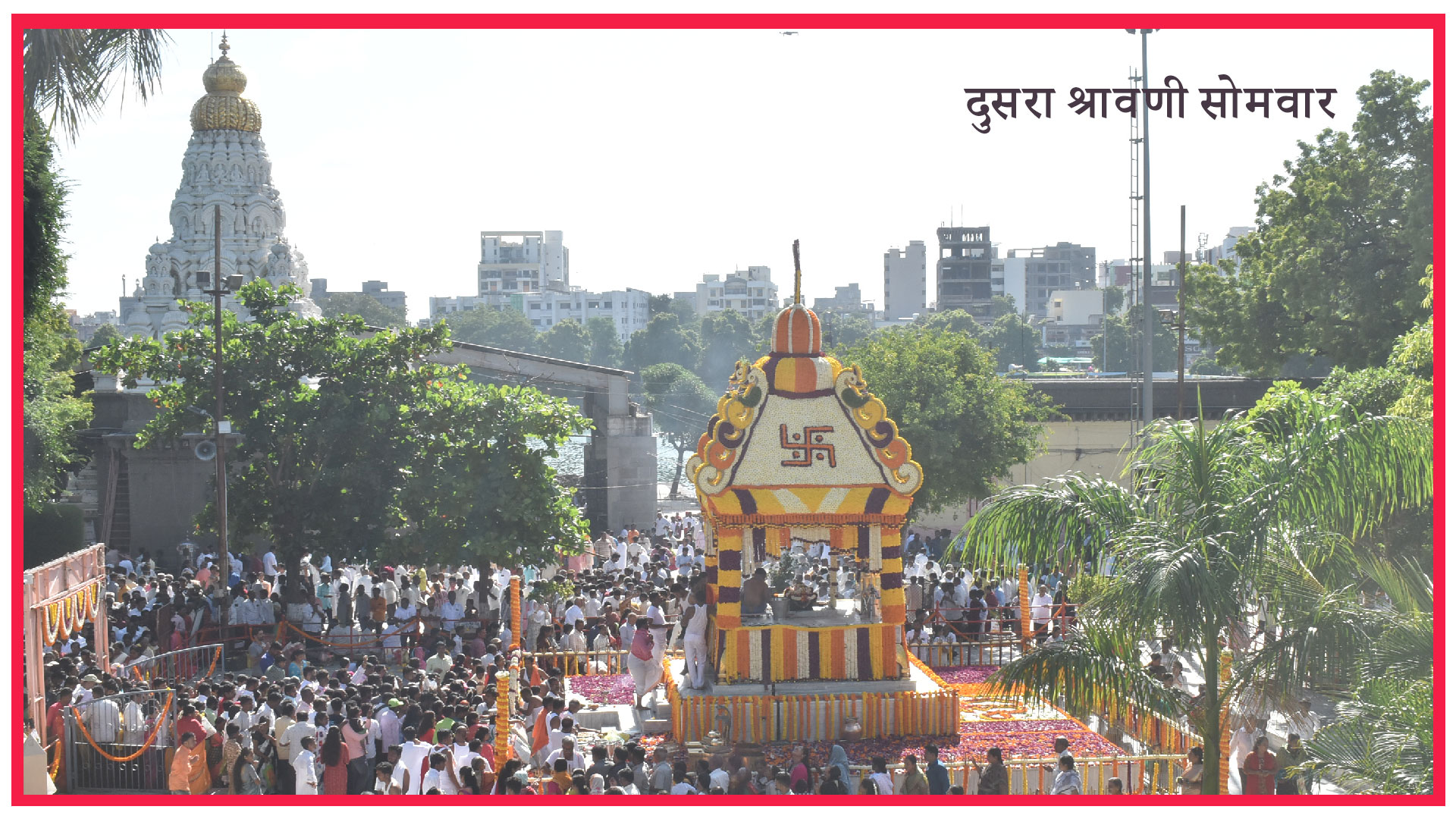
The winter months from November to February offer the most comfortable climate for pilgrimage to Solapur. Within this period, early mornings and the evening aarti are considered particularly auspicious times to visit. The temple's annual calendar includes several significant observances: Gadda Yatra in January, Makar Sankranti, Mahashivaratri, and the festivities during Shravan (typically July–August in the Hindu calendar). These occasions draw larger congregations of devotees and provide opportunities to witness the temple's worship practices at their most elaborate.
Practical Information for Visitors
Solapur is located in Maharashtra, with the temple situated at Sidheshwar Peth. The coordinates 17.67277778, 75.90444444 can assist those using GPS navigation. Visitors should plan to arrive during the temple's operating hours (5:00 am to 10:00 pm) and consider timing their visit to coincide with the evening aarti if they wish to participate in the primary ritual observance.
The temple's provision of pilgrim facilities—dining and lodging—makes it accessible for those traveling from a distance. Visitors should dress modestly, as is customary at Hindu temples, and be prepared to remove footwear before entering the inner sanctum. Photography policies and specific etiquette should be confirmed with temple staff upon arrival.
The Broader Sacred Landscape
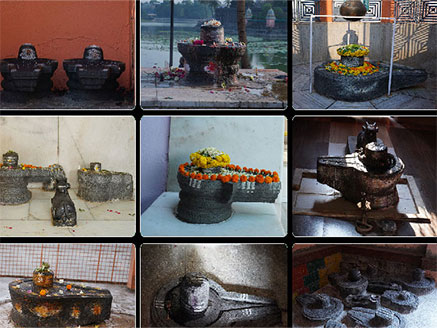
Siddheshwar Temple functions as the primary shrine within a larger sacred geography that Siddharameshwara established across Solapur. The 68 Shivalingas and eight Ganapati shrines distributed throughout the region form a network of pilgrimage sites, allowing devotees to undertake extended visits that encompass multiple sacred locations. This interconnected landscape reflects the twelfth-century vision of creating a spiritually vibrant region rooted in principles of social reform and human values.
How to reach
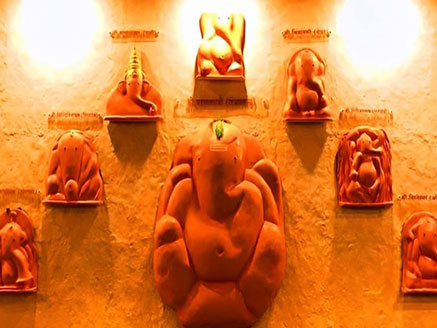
You may also visit
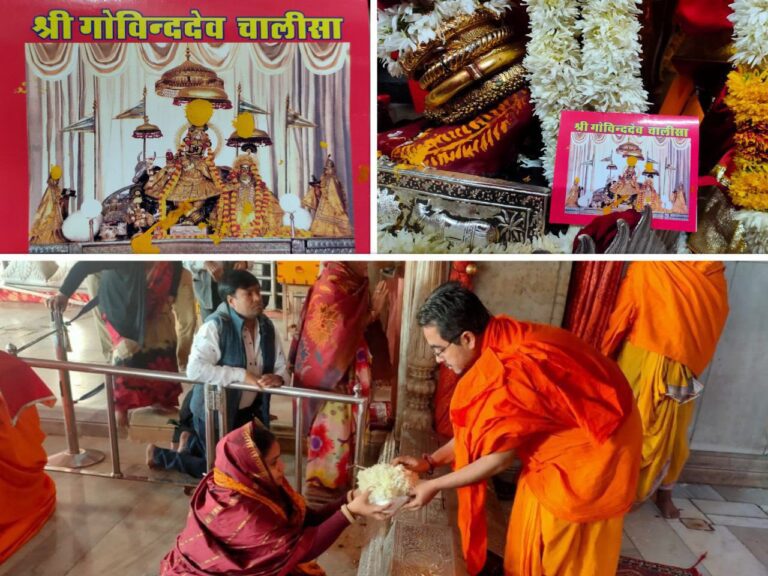
Kalyanji Temple
Kalyanji Temple in Jaipur's Chandpol Bazaar is approximately two centuries old and renowned for displaying the twenty-four avatars of Krishna, visible only twice yearly during Akha Teej and Patottsav festival.
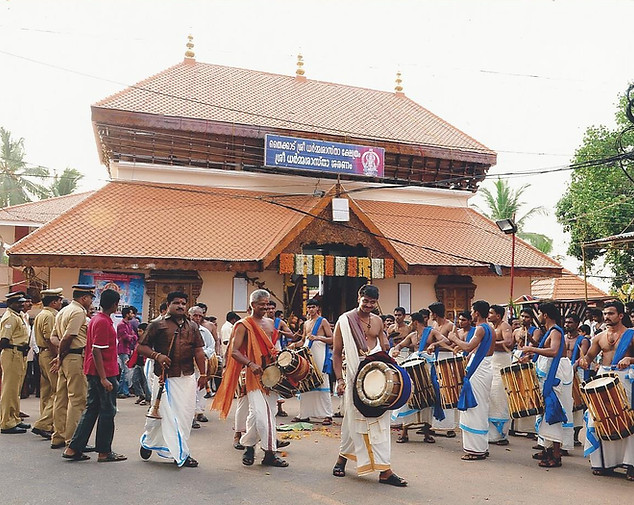
Sastha (Ayyappan) Temple
Sree Dharma Sastha Temple in Thycaud, Thiruvananthapuram, is a centuries-old shrine where the deity manifests as Dhanwanthari, the divine healer, holding the sacred blue lotus.
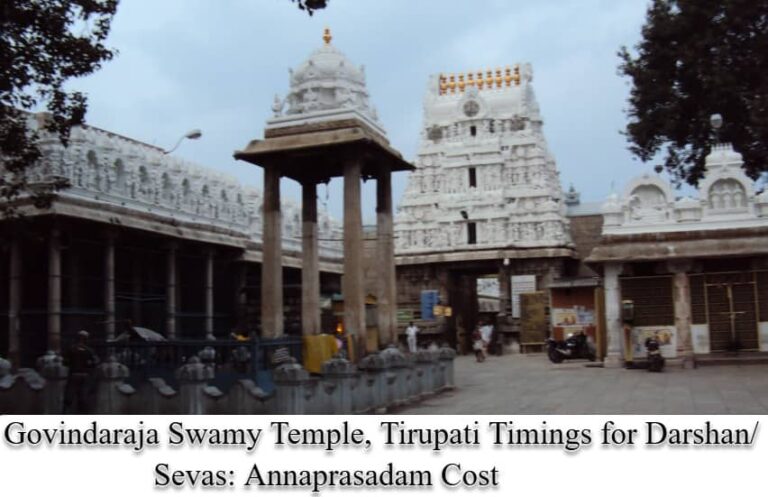
Govindarajaswamy Temple
Sri Govindarajaswamy Temple in Tirupati is an ancient Vaishnavaite shrine consecrated in 1130 AD by Saint Ramanuja, where the presiding deity rests in eternal Yoga Nidra on the serpent Adisesha.