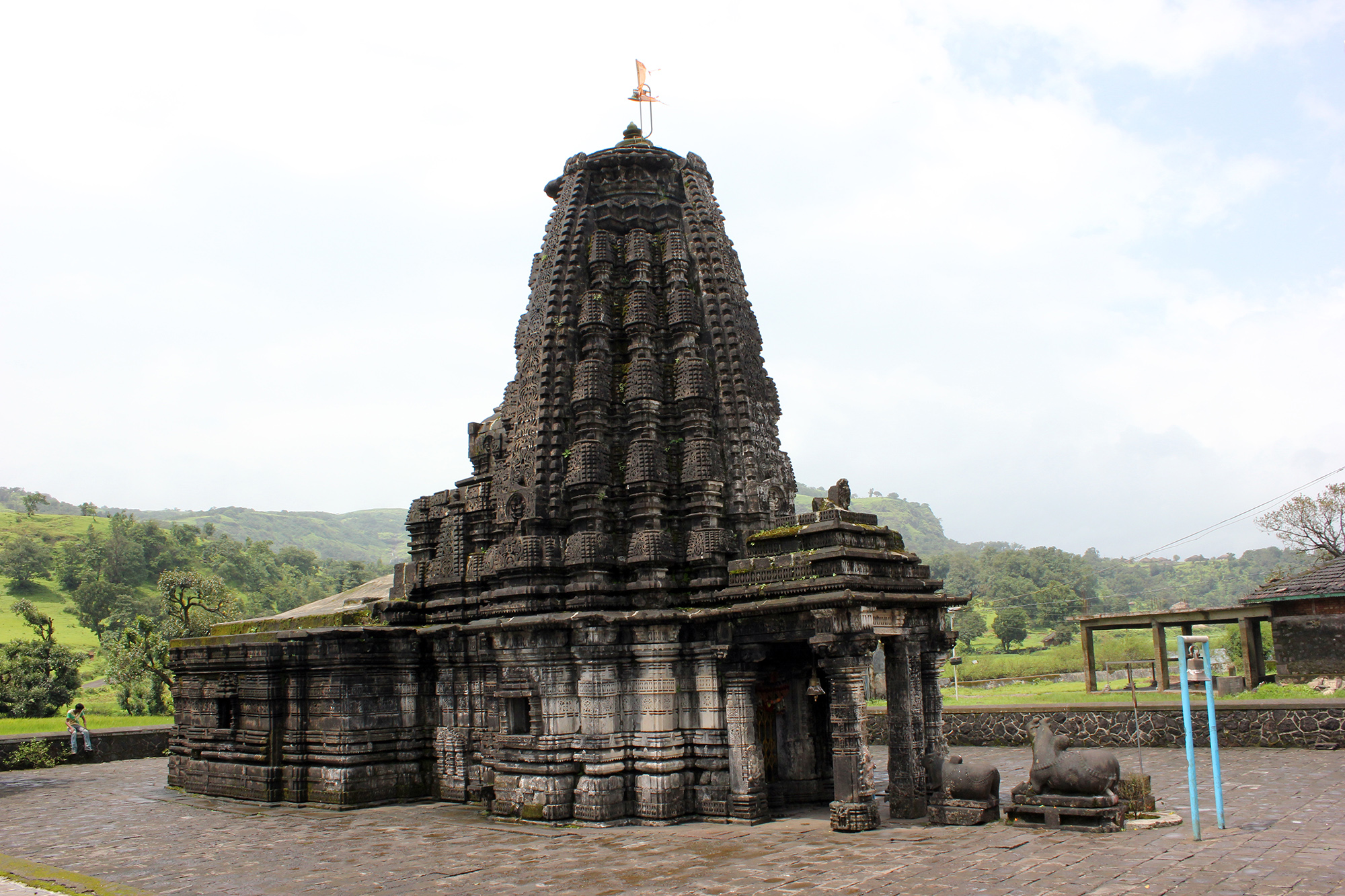
Trivikrama Temple
About Trivikrama Temple
The Trivikrama Temple is notable for its apsidal architectural plan and wagon-vaulted ridge roof, features that place it within a significant tradition of Hindu temple design. Scholars once debated whether the building had originally served a Buddhist function, but research conducted in 1957 demonstrated that the apsidal plan was employed for Hindu temples across nearly six centuries. The earliest known example of this design appears in the Durga temple at Aihole in Bijapur district. The roof structure of the Trivikrama Temple resembles that of the Sahadeva Ratha at Mahabalipuram, linking it to a broader architectural heritage across South India. These features make the temple valuable for understanding how Hindu sacred architecture developed and was adapted across regions.
Worship and Daily Practice
Hindu temples dedicated to Vishnu's avatars typically observe a rhythm of daily worship centered on darshan—the viewing of the deity—and aarti, the ritual of light performed at dawn and dusk. While the exact schedule at Trivikrama Temple is not documented in available sources, visitors can expect these standard practices to structure the day. Devotees traditionally offer flowers, coconut, and other items at the shrine. Those wishing to perform special pujas or rituals related to Vamana's blessings should speak with the temple priests upon arrival to learn what options are available and what fees, if any, apply. After darshan, prasad—blessed food distributed by the temple—is typically offered to visitors and should be accepted with the right hand or both hands as a mark of respect.
Festivals and Auspicious Times
The temple draws larger numbers of visitors during three significant periods in the Hindu calendar. Ugadi or Gudi Padwa, celebrated in March, marks the new year in the Deccan region. Makar Sankranti in January is observed across India as a harvest festival and turning point in the solar year. Sharad Navaratri in October is a nine-day festival honoring the divine feminine and is widely celebrated at temples throughout Maharashtra. These festivals are times when the temple is busiest and most beautifully decorated. If you plan to visit during a festival, confirm exact dates and any special darshan arrangements with the temple beforehand, as schedules may differ from ordinary days.
Visiting Etiquette and Practical Information
Modest dress is customary at Hindu temples—cover your shoulders and knees. Remove your footwear before entering the inner sanctum and follow any instructions from temple staff regarding the order of worship and movement through the shrine. Circumambulation of the sanctum, walking clockwise around the deity, is a common practice. Photography policies vary; ask permission before photographing the deity or ritual spaces. As Ter is located in a rural area of Maharashtra, facilities may be basic. Carry water, wear comfortable walking shoes for the approach, and plan visits during daylight hours when possible. If you have specific dietary requirements or accessibility needs, contact the temple in advance to discuss arrangements.
Getting There
The Trivikrama Temple is situated in Ter, Maharashtra, at coordinates 18.3194°N, 76.1417°E. The village is accessible by local buses, private vehicle, or taxi, though the specific routes and travel times depend on your starting point. Research the nearest major city and railway connections before departure. Check road conditions and local travel advisories, particularly during monsoon season, as Maharashtra's weather can affect accessibility to rural areas. For current information about opening hours, darshan timings, and any entry requirements, contact the temple directly or consult local tourism resources.
How to reach
Temples near Trivikrama Temple
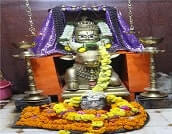
Tulja Bhavani Temple
Tulja Bhavani Temple is a 12th-century Hindu shrine dedicated to Goddess Bhavani, revered as one of Maharashtra's three complete Shakti Pithas and the family deity of Chhatrapat…
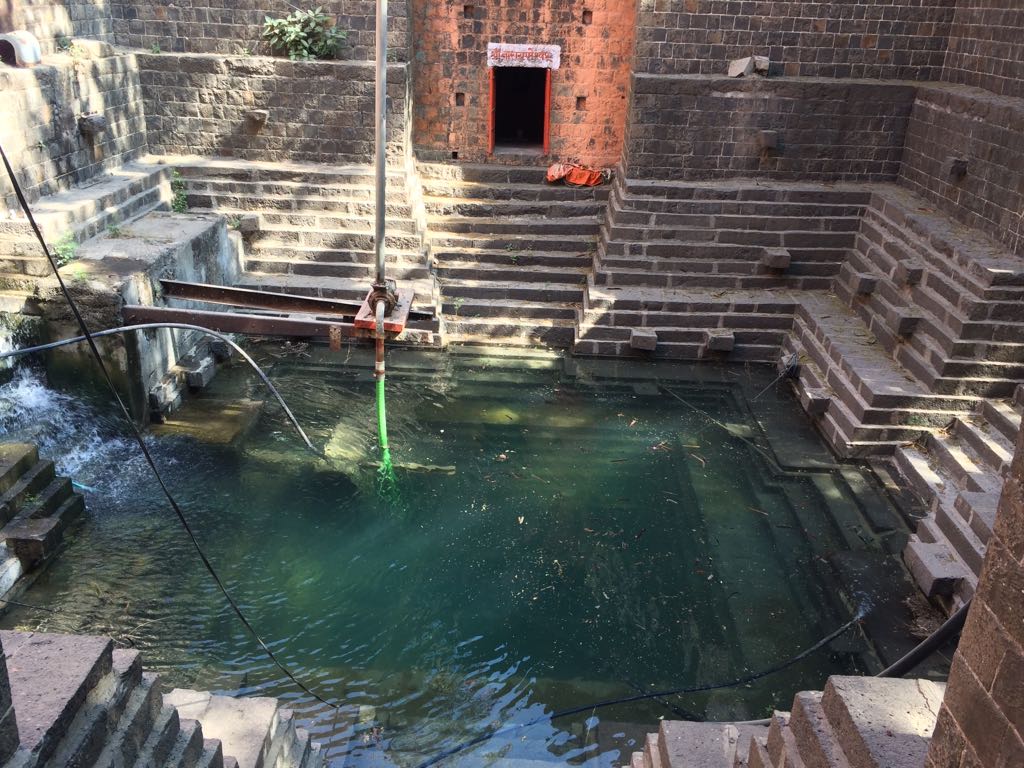
Shri Vaijnath Temple
Shri Vaijnath Temple in Parli, Maharashtra is a revered shrine dedicated to Lord Shiva, drawing thousands of devotees especially during the sacred month of Shravan when elaborat…
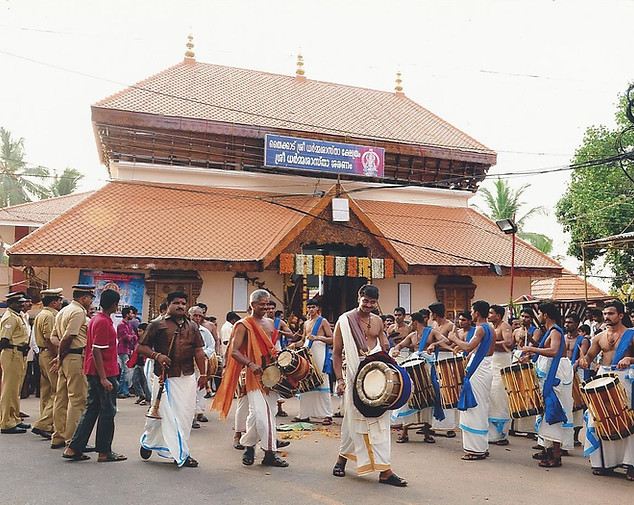
Siddheshwar & Ratneshwar Temple
An ancient Shiva temple in Solapur, Maharashtra, dedicated to the 12th-century saint and philosopher Siddharameshwara, who established 68 consecrated Shivalingas across the regi…
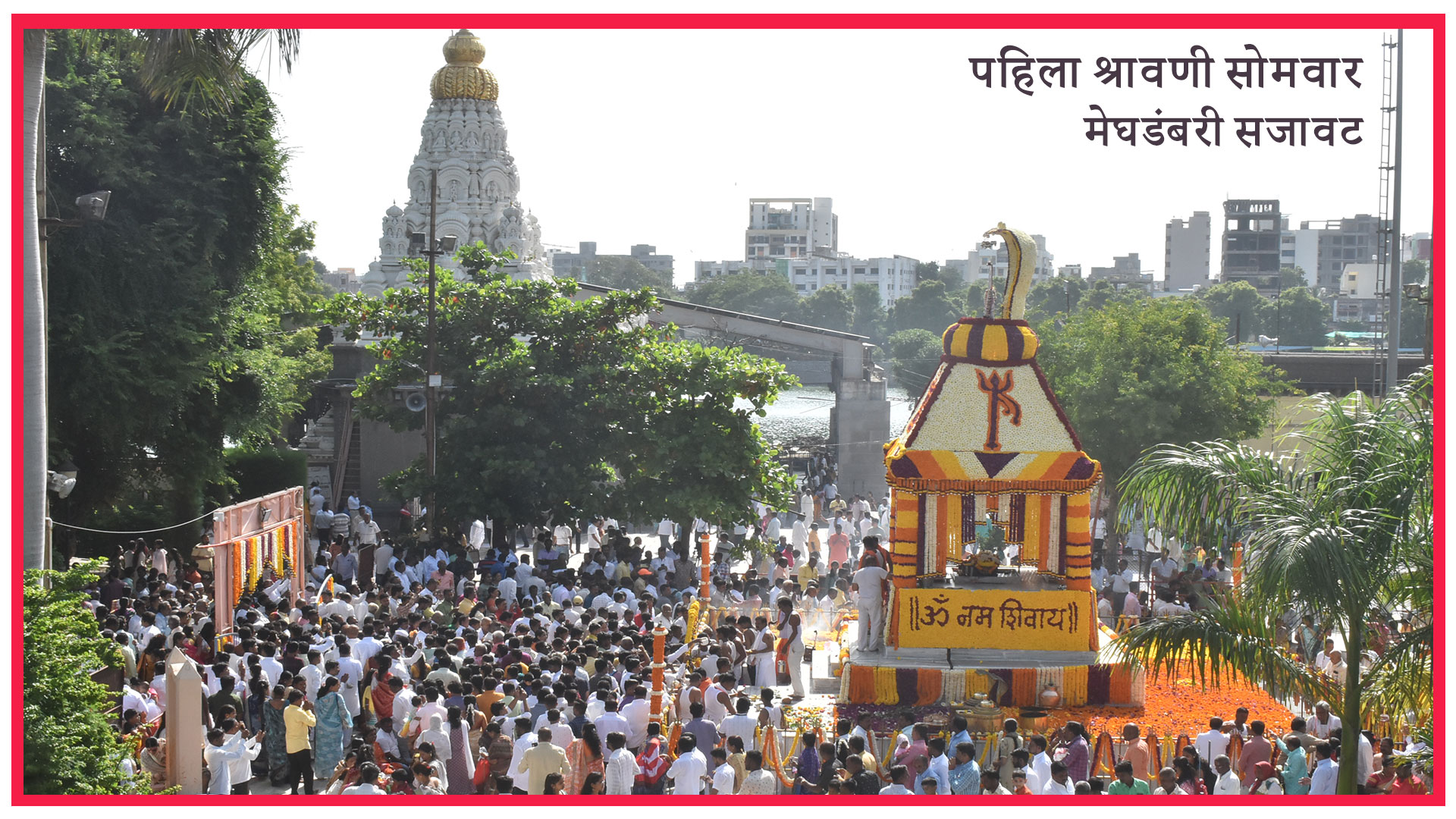
Siddheshwar Temple, Solapur
Siddheshwar Temple in Solapur is a twelfth-century shrine dedicated to Lord Siddharameshwara, a revered yogi and social reformer within the Lingayat tradition. The temple comple…
Kankaleshwar Temple
Kankaleshwar Temple is a Shaivite shrine located in Beed, Maharashtra, dedicated to Lord Shiva and offering extensive puja services for devotional and spiritual needs.
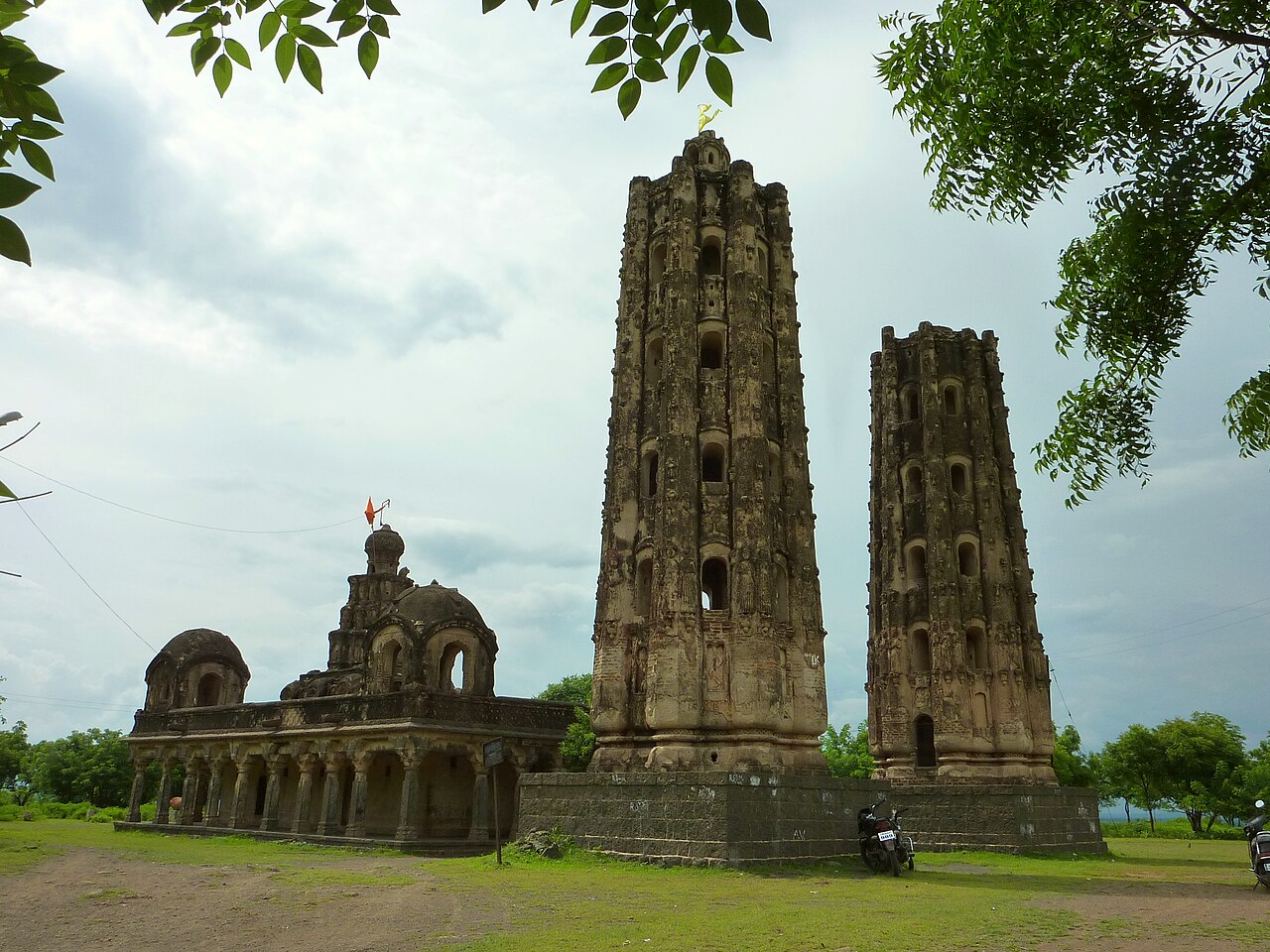
Khandoba Temple, Beed
Khandoba Temple in Beed, Maharashtra is a Hindu shrine dedicated to Khandoba, a deity particularly revered by the Dhangar community as their protective family deity. The temple…