Khandoba Temple, Beed
About Khandoba Temple, Beed
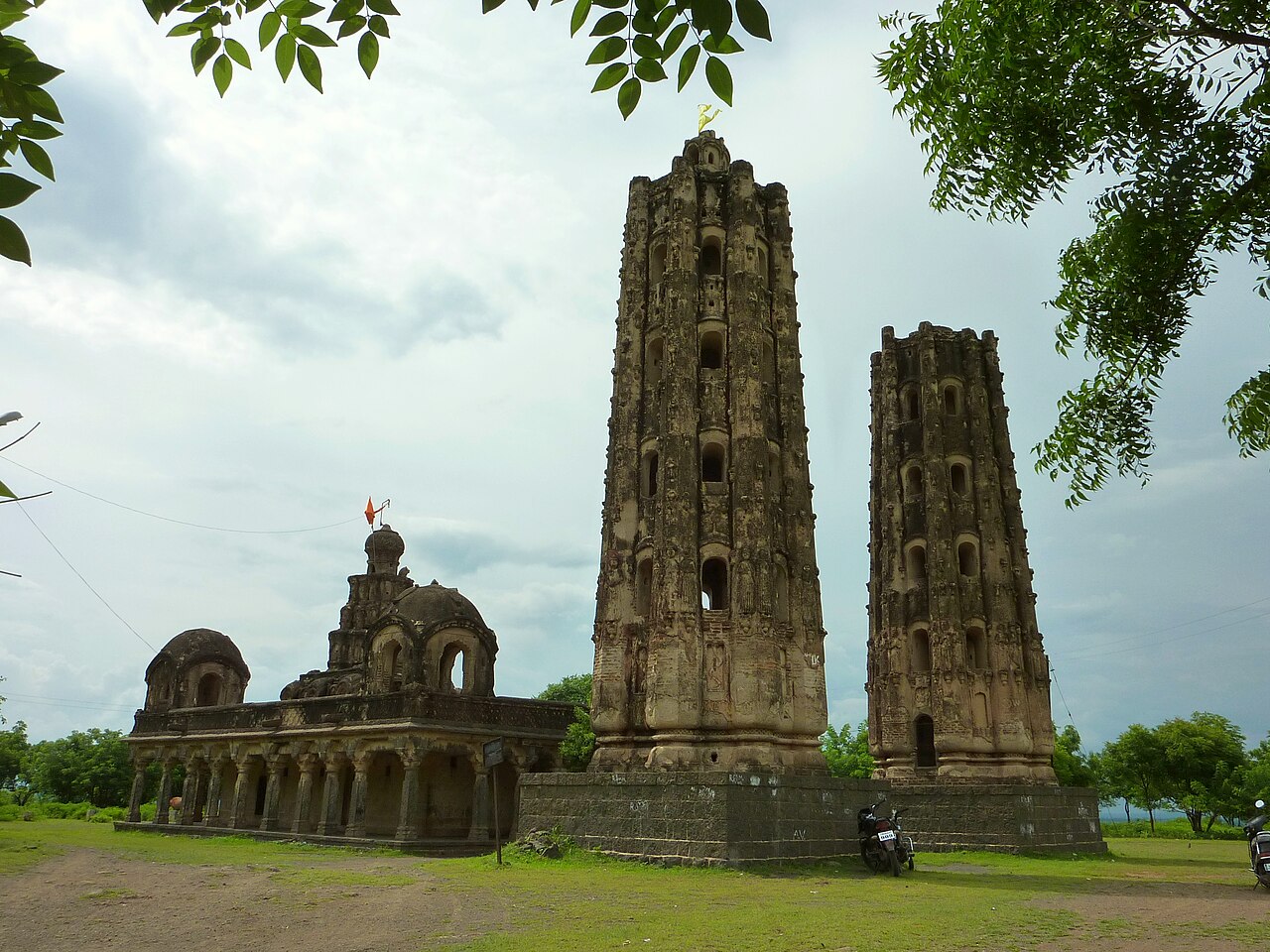
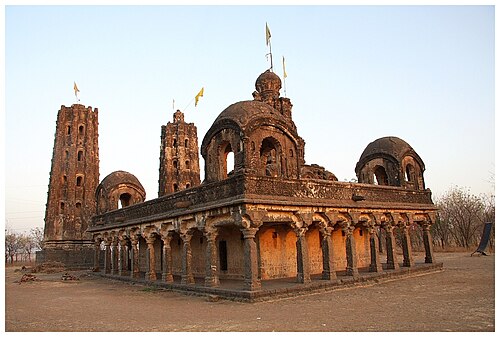
The temple displays a distinctive architectural character that blends Dravidian stylistic elements with local craftsmanship traditions particular to Maharashtra. This fusion is evident in the intricate stone carvings and structural details that ornament the shrine. The stonework reflects the skilled artisanship of the region and contributes to the temple's visual and spiritual presence within Beed.
The architectural approach—combining broader South Indian temple traditions with locally rooted design sensibilities—mirrors how many significant temples across Maharashtra developed their distinctive character over time.
Visiting the Temple: Practical Information
The best time to visit Khandoba Temple is on weekdays outside major festival seasons, when the shrine is less crowded and darshan (viewing of the deity) can be experienced more peacefully. Early mornings and late evenings offer the most comfortable conditions for worship and reflection. These quieter periods allow visitors to engage with the sacred space without the press of large crowds.
Visitors should dress modestly and respectfully, as is customary at Hindu temples. Remove footwear before entering the inner sanctum. Photography policies may vary; it is wise to observe what other visitors are doing or ask temple staff before photographing. The temple's exact opening hours and any specific entry requirements should be confirmed locally, as these details can vary seasonally. Basic facilities may be available, though visitors should not assume extensive amenities and should plan accordingly.
Location and Access
Khandoba Temple is situated in Beed, a town in Maharashtra, India. The temple's coordinates are 19.0043895, 75.7736951, which can be used with mapping applications to plan your route. Beed is accessible by road from major cities in Maharashtra, and local transportation options within the town can direct you to the temple's location. Visitors arriving by personal vehicle or taxi should use the coordinates to navigate to the site.
Worship and Darshan
Temples dedicated to Shiva and his incarnations typically follow established patterns of daily worship, though specific timings and rituals at this particular shrine would need to be confirmed with the temple directly. Devotees generally visit during morning and evening hours when the main rituals are performed. The experience of darshan—standing in the presence of the deity—forms the central act of worship for most visitors.
Those wishing to perform specific pujas or rituals should inquire at the temple about available services and any associated practices or offerings that may be customary.
The Dhangar Community and Cultural Significance
The Khandoba Temple holds particular meaning for the Dhangar community, for whom the deity represents a Kuldaivat—a protective family deity woven into their spiritual and social identity. This relationship between temple and community reflects how sacred sites in Maharashtra often serve as centers not only of religious practice but also of cultural continuity and community cohesion. Understanding this dimension enriches a visitor's appreciation of the temple's role within the broader life of the region.
How to reach
You may also visit
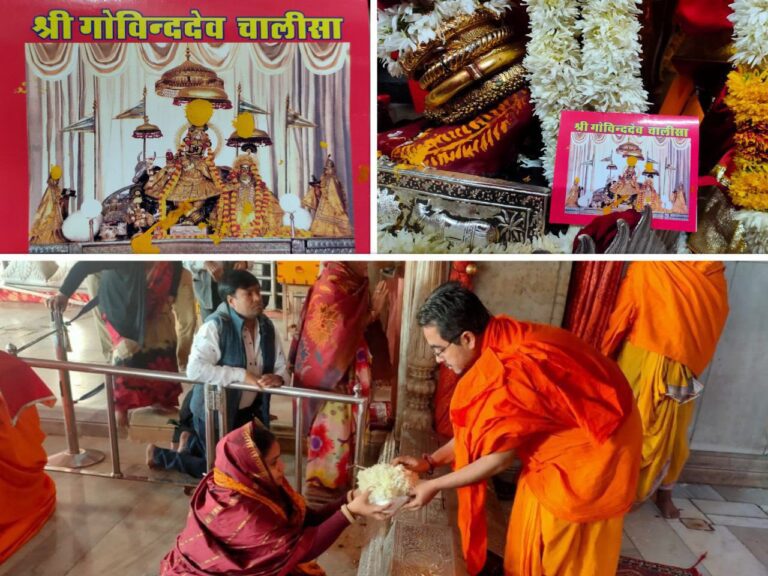
Kalyanji Temple
Kalyanji Temple in Jaipur's Chandpol Bazaar is approximately two centuries old and renowned for displaying the twenty-four avatars of Krishna, visible only twice yearly during Akha Teej and Patottsav festival.
Sastha (Ayyappan) Temple
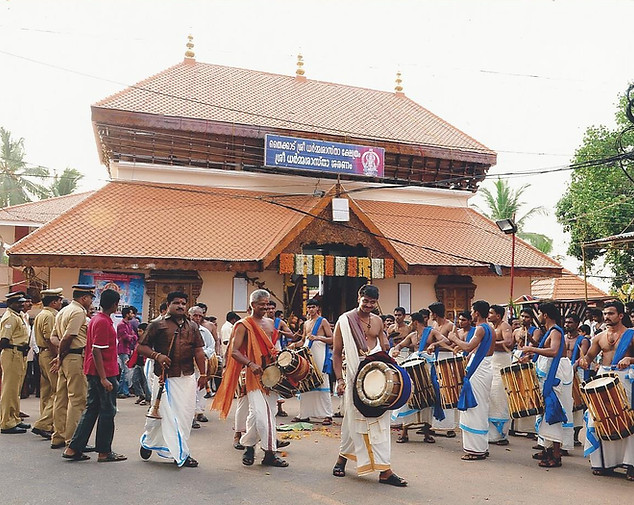
Sree Dharma Sastha Temple in Thycaud, Thiruvananthapuram, is a centuries-old shrine where the deity manifests as Dhanwanthari, the divine healer, holding the sacred blue lotus.
Govindarajaswamy Temple
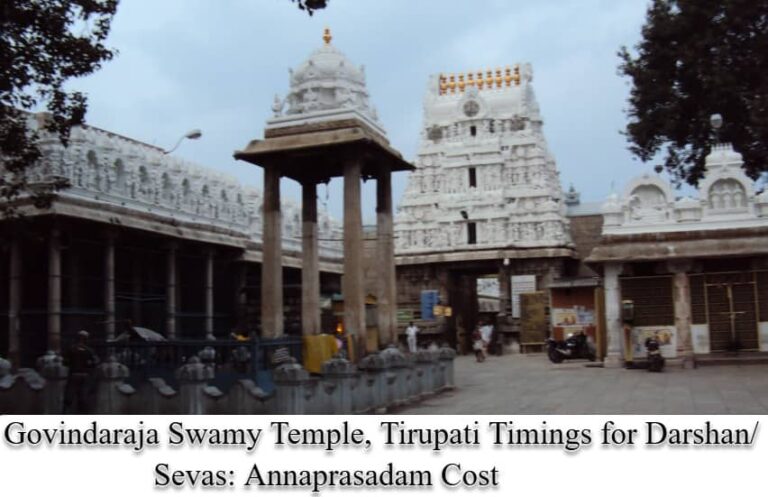
Sri Govindarajaswamy Temple in Tirupati is an ancient Vaishnavaite shrine consecrated in 1130 AD by Saint Ramanuja, where the presiding deity rests in eternal Yoga Nidra on the serpent Adisesha.