Trilokinath Temple at Tunde
About Trilokinath Temple at Tunde
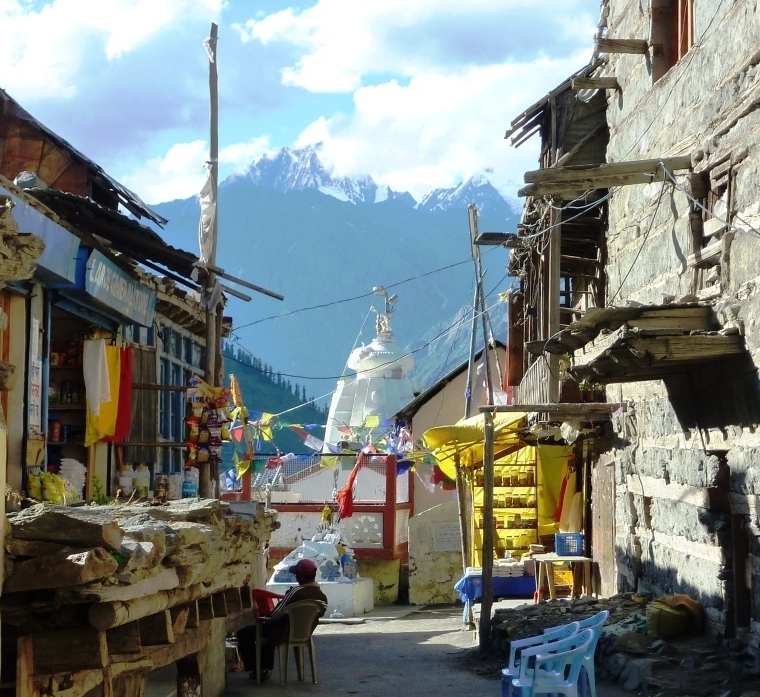
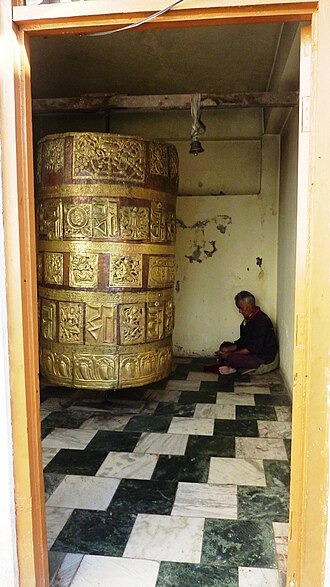
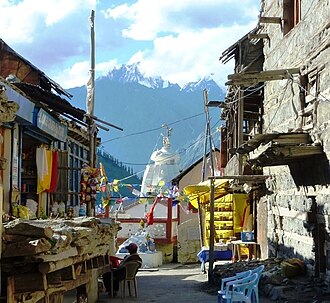
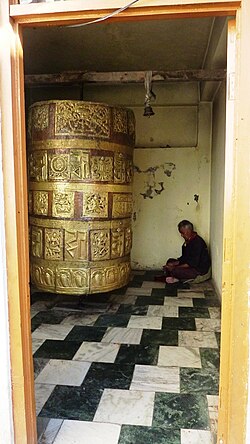
The temple was established between the 9th and 10th centuries, placing it among the region's older religious structures. It occupies a remote location approximately 6 kilometres south of the Chaṅdrābhāgā (Chenab) River and about 9 kilometres from Udaipur village. The high altitude and mountain terrain have shaped both the temple's isolation and its spiritual character. The sources do not record the primary deity's name, though Buddhist associations with Avalokiteshvara suggest the temple's religious identity encompasses both Hindu and Buddhist understandings of the sacred.
Daily Darshan and Temple Etiquette
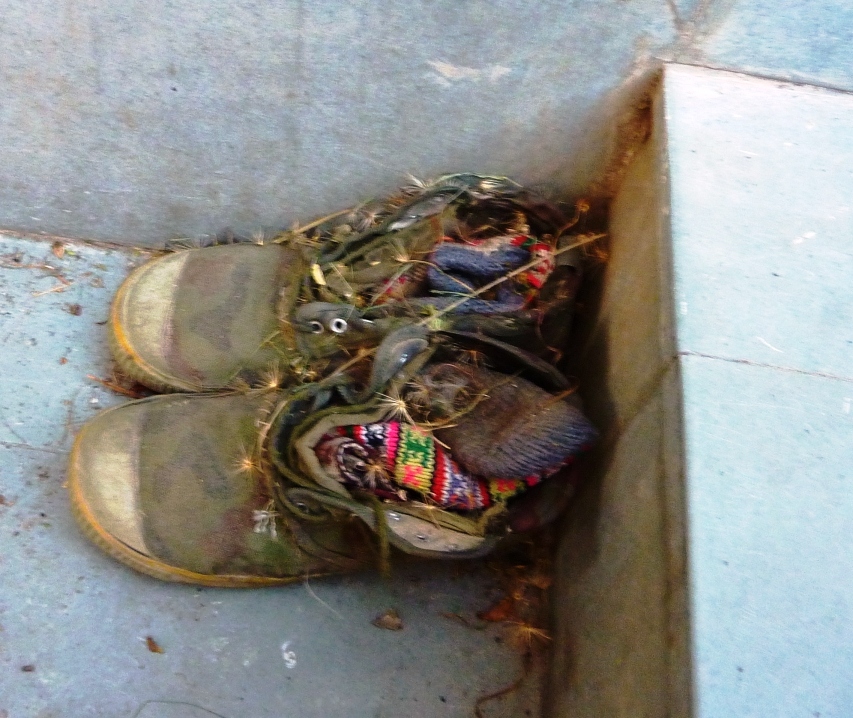
The temple opens for darshan from 6:00 AM to 8:00 PM daily. Visitors should dress modestly, as is standard practice at Hindu temples and Buddhist sacred spaces. Remove your shoes before entering the inner sanctum. Weather at this altitude changes rapidly; afternoon clouds and sudden shifts are common, making morning visits more reliable for clear conditions and safe travel. If you are uncertain about any protocol or restrictions, ask the temple attendants directly—they are experienced in welcoming visitors from diverse backgrounds.
The temple's extended hours accommodate both early morning pilgrims and those arriving later in the day, though mountain weather should inform your planning. Bring water, sun protection, and warm clothing even during summer months; the altitude brings cold nights and intense sun exposure. Mobile connectivity is unreliable in this region, so do not depend on it for navigation or emergencies.
Festivals and Community Observance
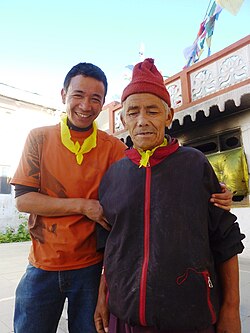
The Pauri Fair, held annually in August, is the temple's major festival. During this celebration, local tradition includes a ceremonial procession featuring the sacred horse of Trilokinath, and devotees engage in rituals involving holy water and customs specific to the region. The fair draws participants from both Hindu and Buddhist communities, reinforcing the temple's role as a shared place of worship and offering visitors a window into the lived religious culture of Lahul.
Two additional festivals mark the calendar: Halda in February and Fagli in March. These regional observances bring local communities together. If you plan to visit during festival periods, expect larger crowds and book accommodation well in advance, as the region has limited lodging options.
Reaching the Temple
The temple lies in Trilokinath village in Lahul and Spiti District, Himachal Pradesh. The nearest railway station is Pathankot Junction, approximately 200 kilometres away. Bhuntar Airport near Kullu, about 218 kilometres distant, serves as the closest air gateway. From Bhuntar, the journey continues by road through Manali and into the Lahul region.
The road from Manali to Lahul crosses high passes and can be closed by snow from November through April. Summer travel—May through September—is more reliable, with stable weather and open mountain passes. Allow several days for the journey from major cities; this is not a quick excursion but a genuine pilgrimage requiring time and preparation. Local buses and hired vehicles are available, though services are infrequent.
Accommodation and Supplies
Accommodation in Trilokinath village itself is minimal; most visitors base themselves in Udaipur or Keylong and make the journey to the temple. Shops in the immediate area are limited, so carry supplies before arriving. The temple's remote location is integral to its character. This is not a destination for casual tourism but for those undertaking a genuine pilgrimage.
How to reach
Temples near Trilokinath Temple at Tunde
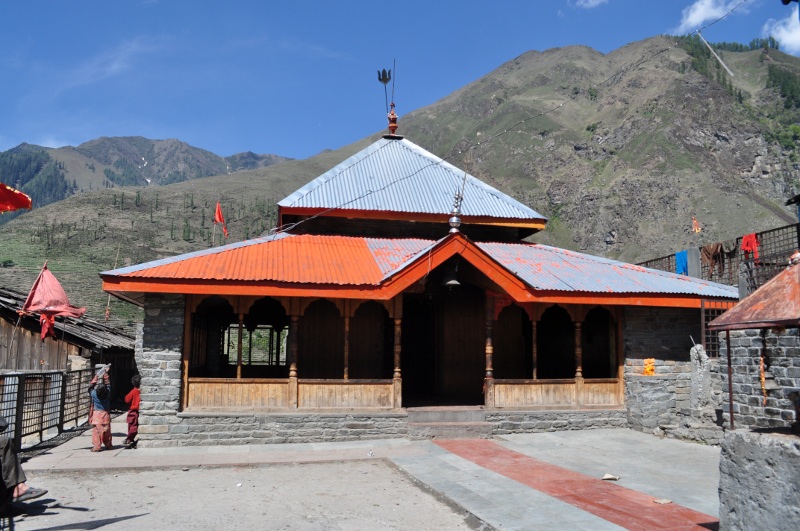
Banni Mata Temple
Banni Mata Temple, also known as Mahakali Banni Mata Temple, is an ancient shrine dedicated to Devi Kali located at 2,600 metres in Chamba District, Himachal Pradesh, surrounded…
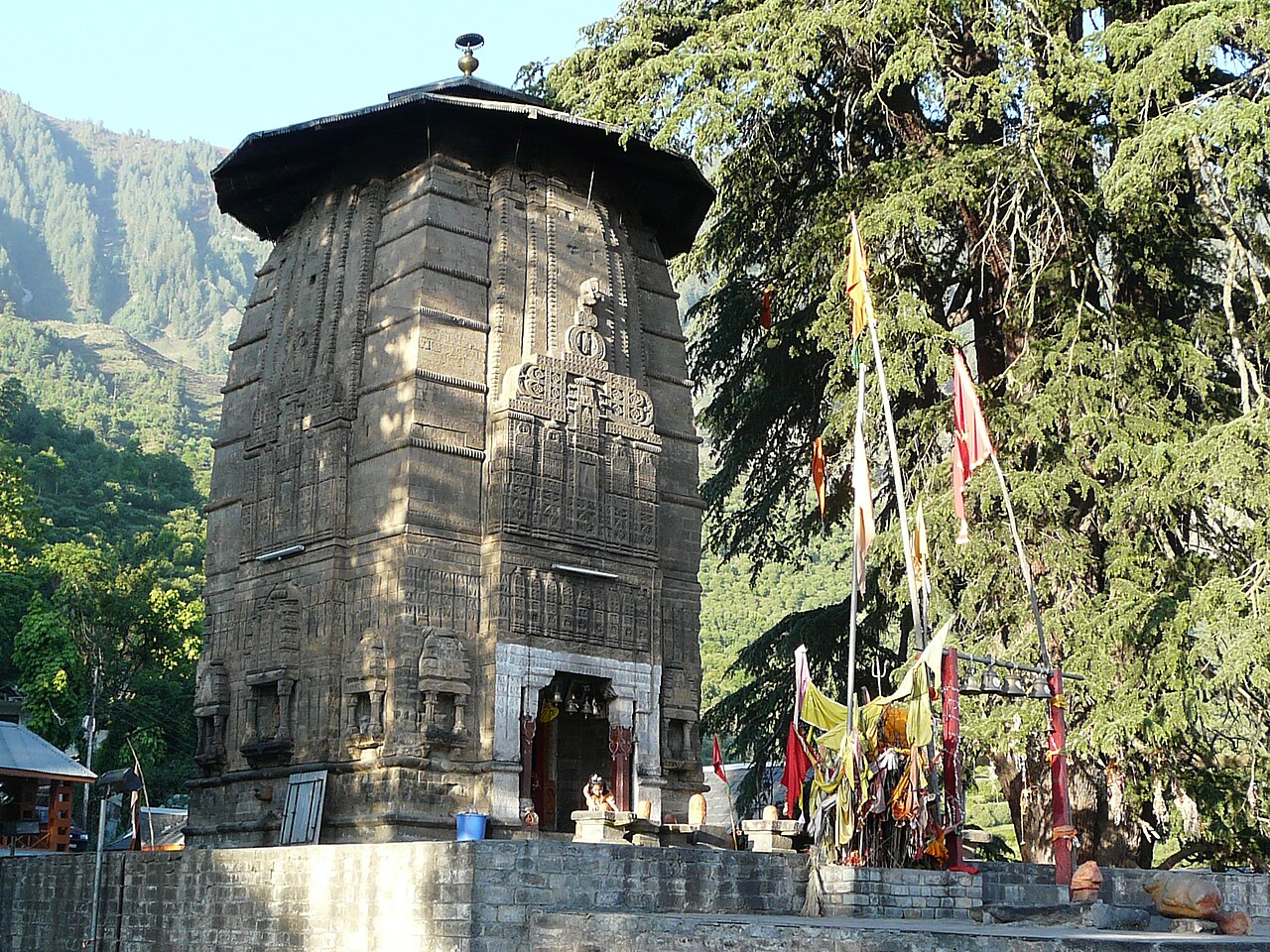
Mani Mahesh Temple, Brahmaur
Mani Mahesh Temple in Brahmaur is a sacred shrine dedicated to Lord Shiva, situated near the holy Mani Mahesh Lake at 13,000 feet in the Budhil valley of Himachal Pradesh.
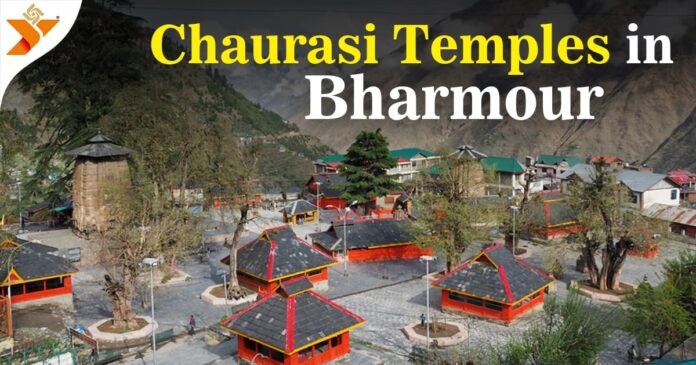
Chaurasi Temple Bharmour
Chaurasi Temple is a complex of 84 shrines in Bharmour, Himachal Pradesh, built primarily in the 7th-10th century. The central Manimahesh shrine features distinctive Pahari-Hima…
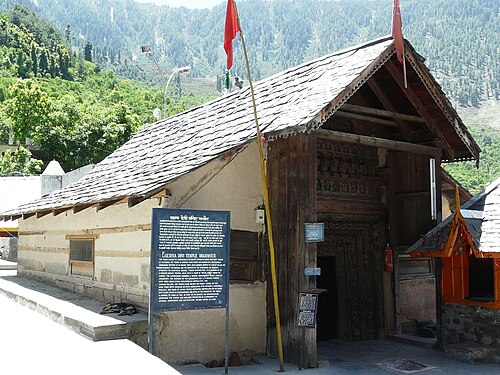
Lakshana Devi Temple, Bharmour
Lakshana Devi Temple in Bharmour is a seventh-century wooden shrine dedicated to Durga in her Mahishasura-mardini form, recognized as one of India's oldest surviving wooden temp…
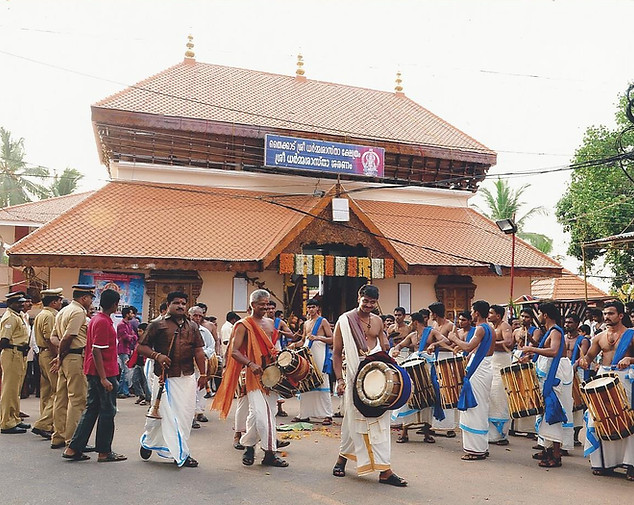
Mindhal Mata Temple
Mindhal Mata Temple in Pangi Valley, Chamba district, is an ancient pilgrimage site dedicated to the protective goddess Mindhal Mata, drawing devotees especially during the Bhād…
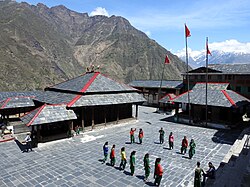
Shakti Devi Temple, Chatrari
Shivshakti Devi Temple in Chhatrari, Chamba district, is an ancient shrine dedicated to Aadishakti, the primordial divine feminine power, believed to date back over 2000 years a…