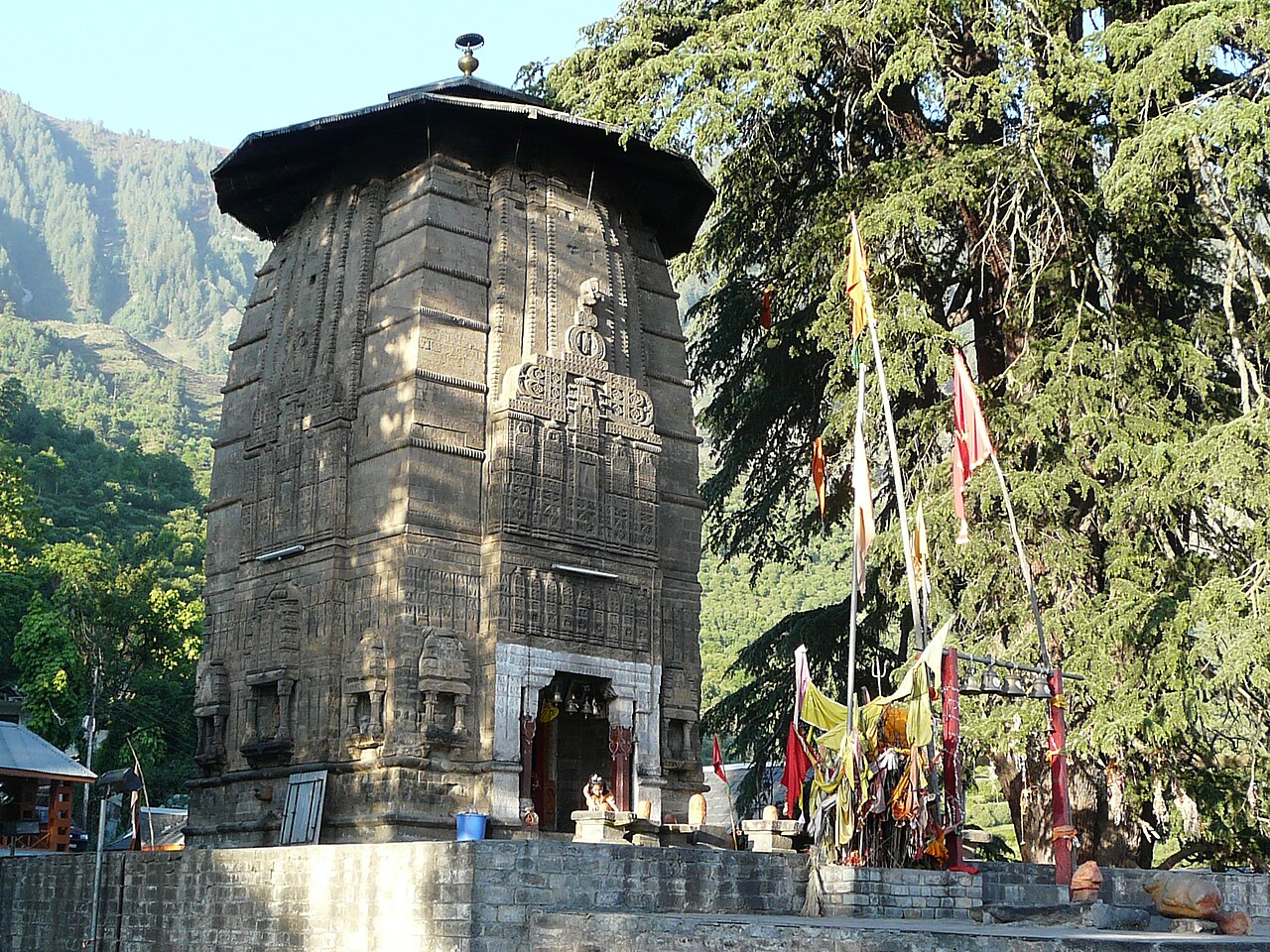
Mani Mahesh Temple, Brahmaur
About Mani Mahesh Temple, Brahmaur
Manimahesh Lake lies at an altitude of 13,000 feet, situated twenty-six kilometres from Bharmour in the Budhil valley. The lake occupies a dramatic position at the foot of Kailash peak, surrounded by snow-capped mountains whose reflections shimmer across its quiet waters. The landscape itself forms part of the spiritual geography: local tradition holds that certain rock formations below the principal peak are the petrified remains of a shepherd who attempted to climb Kailash with his flock, and of a serpent that similarly failed in its ascent. These stories reinforce the mountain's status as inviolable—no climber has ever reached its summit, despite the conquest of far higher peaks elsewhere.
The Annual Fair and Pilgrimage Season
Each year, on the eighth day of the light half of the moon in Bhadon (August-September), a major fair assembles at Manimahesh Lake. Thousands of pilgrims gather to bathe in the holy water, drawn by the belief that this timing holds particular spiritual significance. The fair attracts devotees from across Himachal Pradesh and beyond, making it one of the region's principal pilgrimage events. After bathing, pilgrims traditionally circumambulate the lake three times. Local belief holds that clear visibility of Kailash peak indicates the Lord's blessing, while cloud cover obscuring the mountain is interpreted as a sign of divine displeasure.
Routes and Access
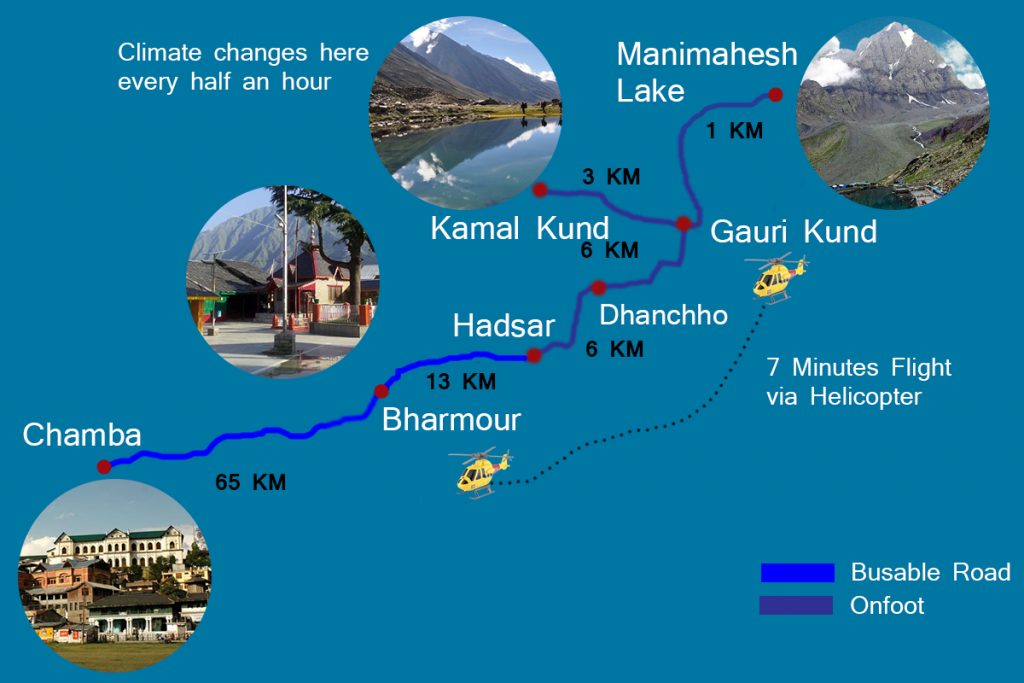
The most accessible approach to Manimahesh begins from Chamba and passes through Bharmour. Buses currently operate as far as Hadsar via Bharmour; from Hadsar, pilgrims must trek thirteen kilometres to reach the lake. Alternative routes exist for those coming from other regions: pilgrims from Lahaul-Spiti may approach via Kugti pass, while those from Kangra and Mandi can travel through Kawarsi or Jalsu passes. The journey requires physical preparation, as the final leg involves trekking at high altitude. Helicopter services are available for those unable to complete the trek on foot.
Visiting the Temple
The temple at Bharmour serves as the base point for the pilgrimage. Visitors should plan their journey around the Bhadon fair dates, when the pilgrimage is at its height and facilities are most readily available. The trek from Hadsar to Manimahesh Lake involves significant elevation gain and mountain terrain; appropriate footwear, warm clothing, and acclimatization time are essential. The high altitude and weather conditions can change rapidly, so flexibility in travel plans is advisable. Accommodation and provisions should be arranged in advance, particularly during the fair period when pilgrim numbers are highest. Respectful dress and behaviour are expected at all times, as this remains an active place of worship rather than a tourist destination.
The Marble Shivling and Ritual Practice
At one corner of Manimahesh Lake stands a marble image of Shiva that forms the focal point for worship at the site. Pilgrims who have bathed in the lake's waters then perform pradakshina—a ritual circumambulation—around the lake's perimeter, completing this sacred circuit three times. This combination of ritual bathing and circumambulation follows patterns common to Shiva pilgrimage sites across the Himalayan region. The marble image provides a tangible focus for devotion in this high-altitude setting, grounding spiritual practice in physical form.
How to reach
Temples near Mani Mahesh Temple, Brahmaur
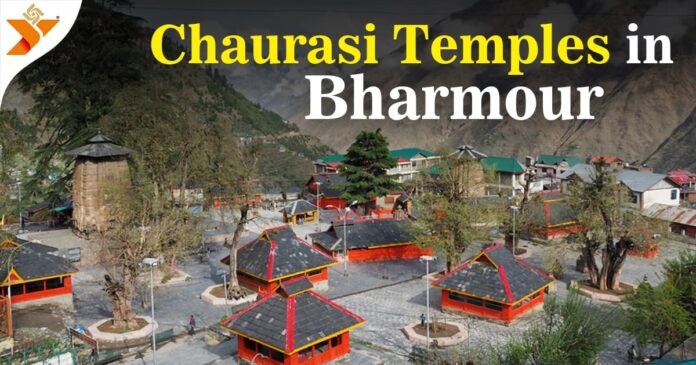
Chaurasi Temple Bharmour
Chaurasi Temple is a complex of 84 shrines in Bharmour, Himachal Pradesh, built primarily in the 7th-10th century. The central Manimahesh shrine features distinctive Pahari-Hima…
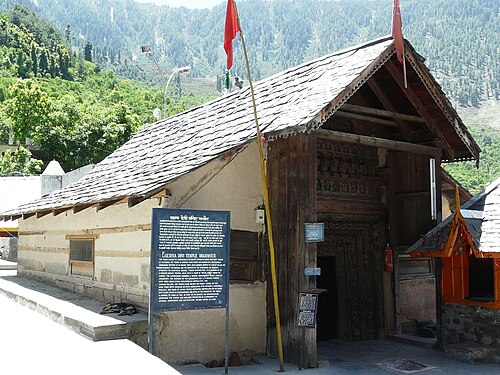
Lakshana Devi Temple, Bharmour
Lakshana Devi Temple in Bharmour is a seventh-century wooden shrine dedicated to Durga in her Mahishasura-mardini form, recognized as one of India's oldest surviving wooden temp…
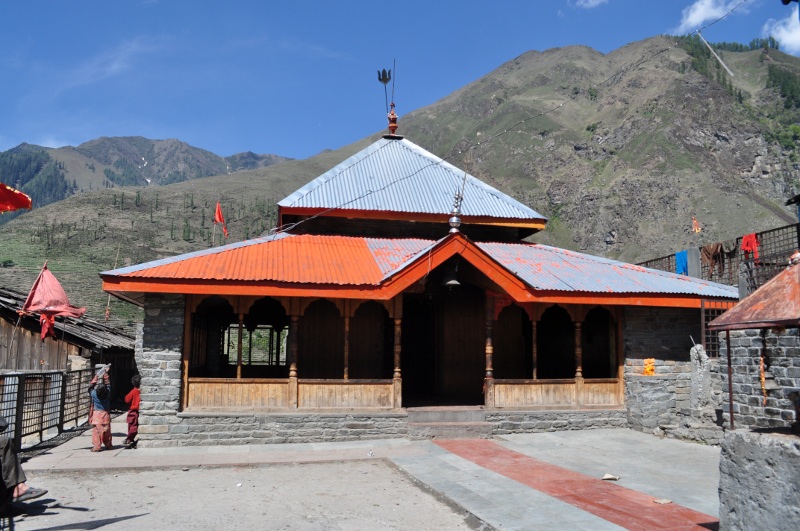
Banni Mata Temple
Banni Mata Temple, also known as Mahakali Banni Mata Temple, is an ancient shrine dedicated to Devi Kali located at 2,600 metres in Chamba District, Himachal Pradesh, surrounded…
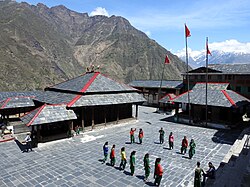
Shakti Devi Temple, Chatrari
Shivshakti Devi Temple in Chhatrari, Chamba district, is an ancient shrine dedicated to Aadishakti, the primordial divine feminine power, believed to date back over 2000 years a…
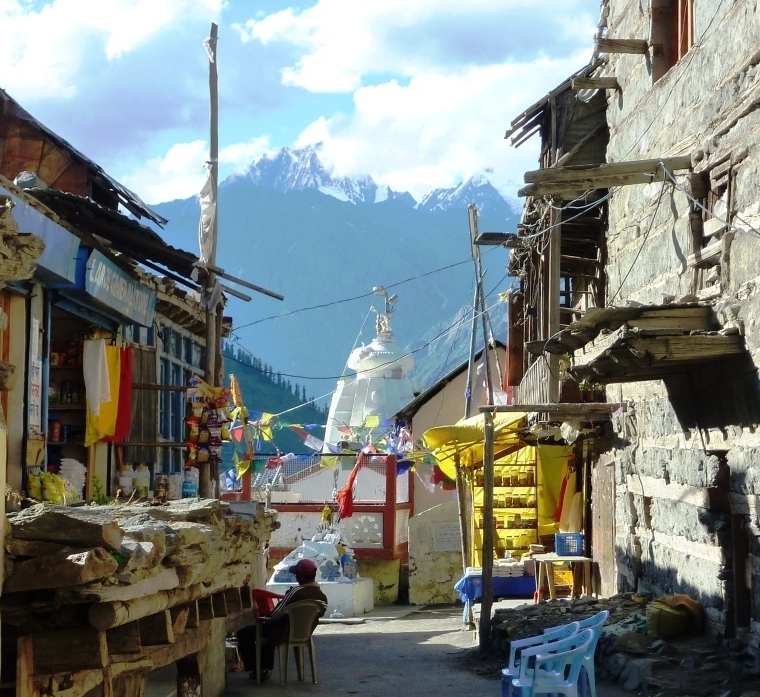
Trilokinath Temple at Tunde
The Trilokinath Temple in Tunde is an ancient shrine venerated by both Hindus and Buddhists, situated at 2,760 metres in the Lahul and Spiti District of Himachal Pradesh. Hindus…
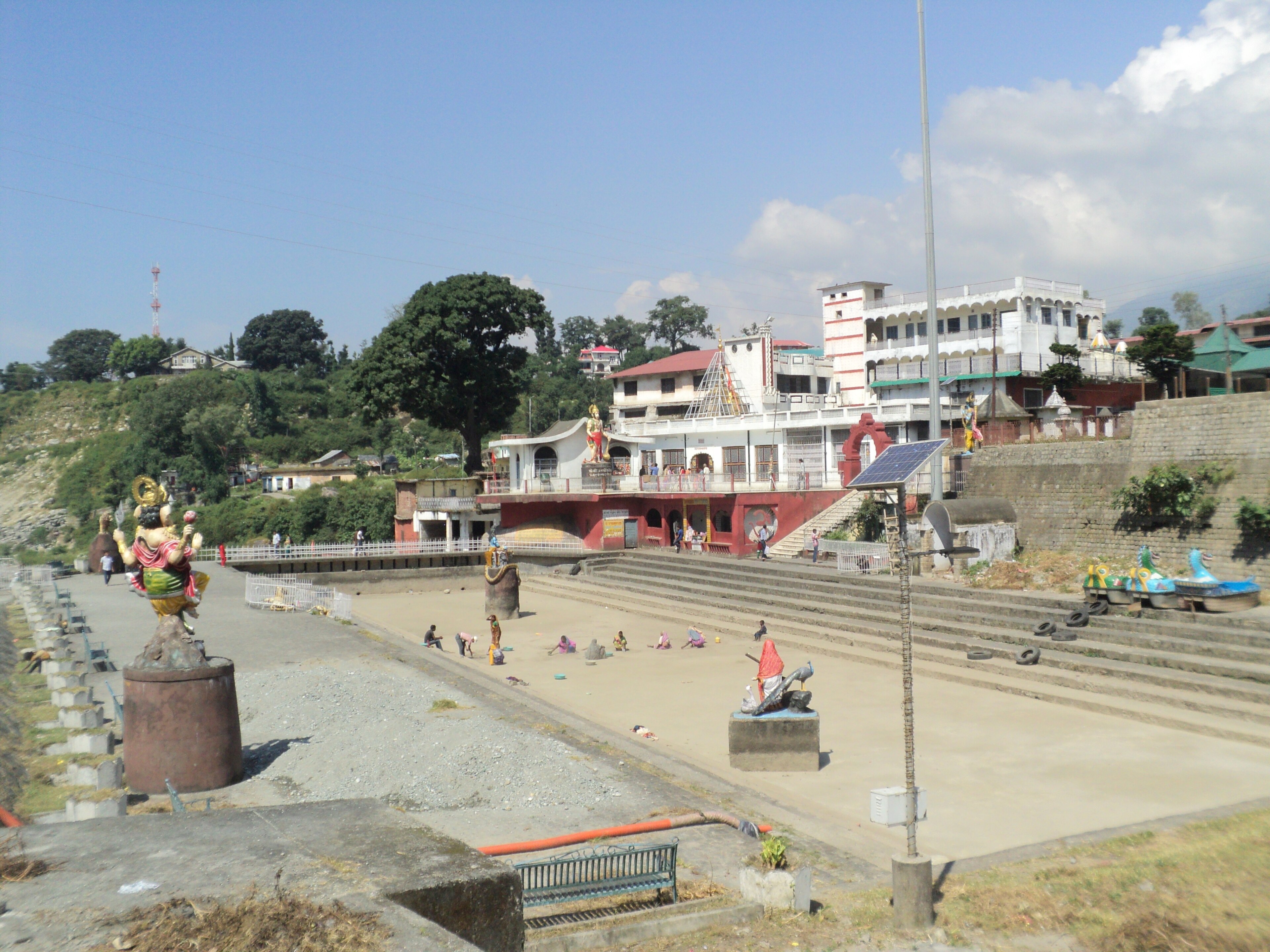
Shri Chamunda Devi Mandir
Shri Chamunda Devi Temple, located 19 km from Palampur in Kangra district, Himachal Pradesh, is a prominent Hindu shrine dedicated to Chamunda Devi, a fierce manifestation of Go…