Lakshana Devi Temple, Bharmour
About Lakshana Devi Temple, Bharmour
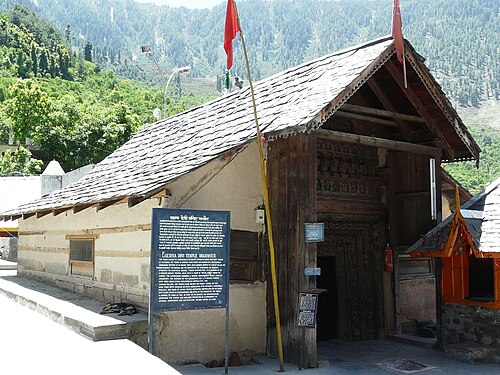
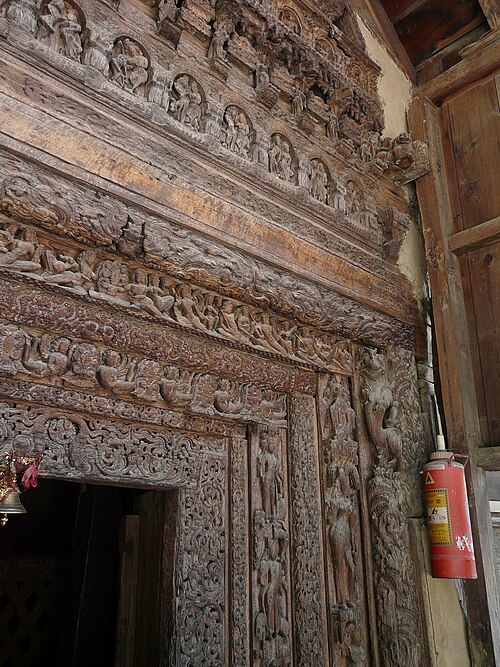
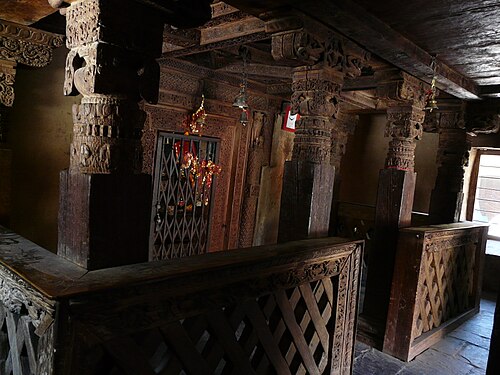
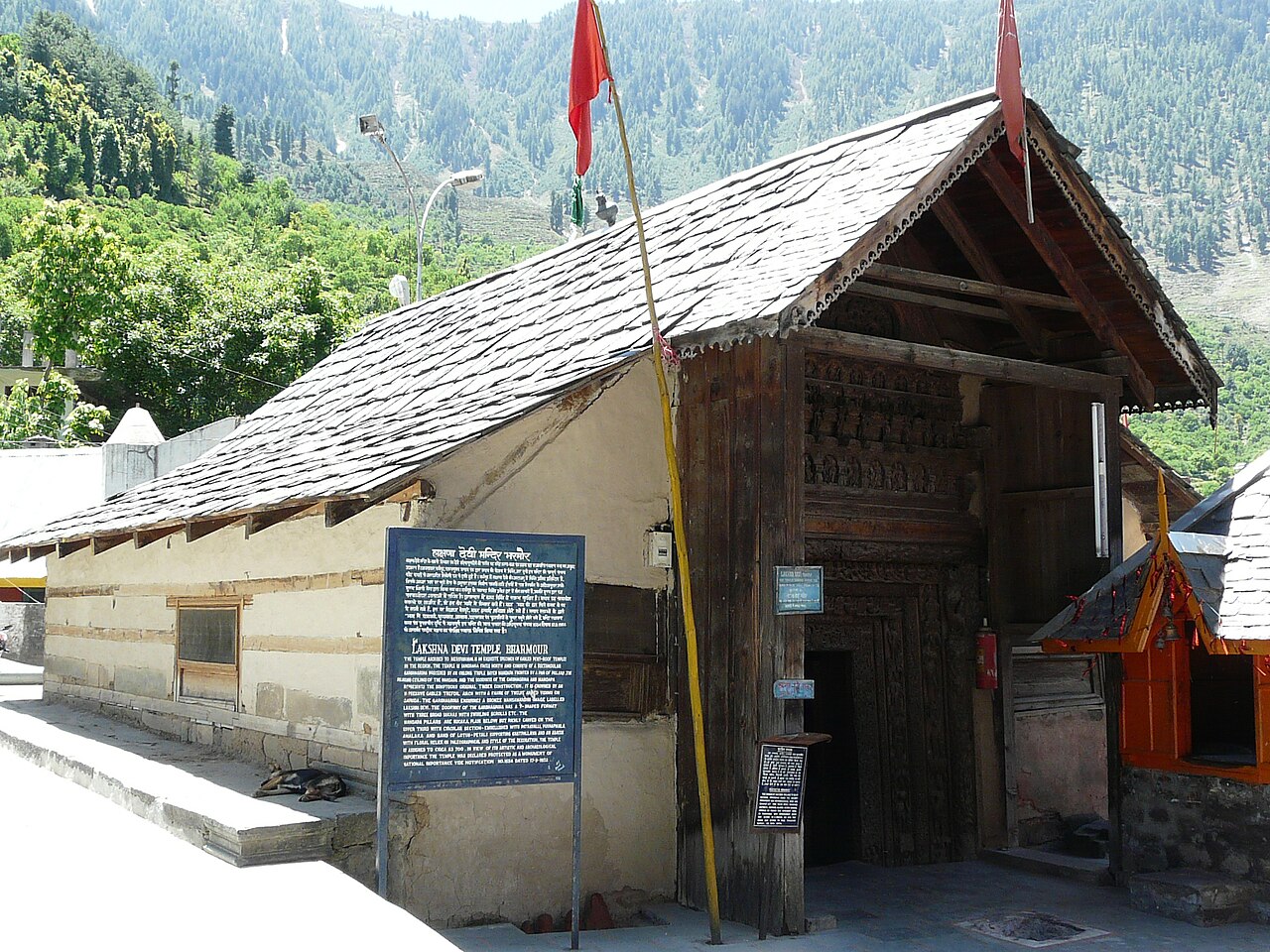
Dating to around 700 CE, Lakshana Devi Temple ranks among India's oldest surviving wooden temples. Built in the post-Gupta era, it represents a crucial example of Hindu religious architecture from a formative period in Himalayan civilization. The temple's construction in wood—a material requiring both skilled carpentry and careful maintenance—speaks to the craftsmanship available in the region at that time. The bronze Durga icon housed within demonstrates the sophisticated metallurgical knowledge of seventh-century artisans, revealing how early Himalayan communities combined local materials and techniques to create enduring sacred spaces.
Daily Worship and Darshan
The temple opens daily from 6:00 AM to 7:00 PM, though visitors should confirm timings before arrival, as schedules may shift during festivals and special occasions. As is customary in Hindu temples, shoes are removed before entering the inner sanctum. Modest dress—covering shoulders and knees—is appropriate and shows respect for the sacred space. Photography policies vary; it is courteous to ask permission before photographing the deity or interior spaces. The temple does not typically offer accommodation, though pilgrim hostels (dharamshalas) may be available in the surrounding area.
Navratri and the Manimahesh Yatra
Two major observances draw pilgrims to Lakshana Devi Temple. Navratri, the nine-day festival honoring the goddess in her various forms, carries particular significance at a shrine dedicated to Durga. The Manimahesh Yatra, observed during August and September, brings devotees across Himachal Pradesh and beyond to the region. These periods see increased activity and larger congregations; visitors planning to attend should expect crowded conditions and may wish to coordinate travel accordingly. Outside these major seasons, the temple receives steady worship from local devotees and those drawn to this ancient site.
Planning Your Visit
October and the August-September period offer favourable conditions for visiting, coinciding with both Navratri and the Manimahesh Yatra season. Avoid the heavy monsoon months, when rainfall is intense. The region experiences snow at higher elevations during winter. Bharmour lies approximately 65 kilometres from Chamba town and is accessible by road from the main town. The nearest airport is Kangra (Gaggal), roughly 180 kilometres away; Pathankot railway station is about 120 kilometres distant. Basic facilities in Bharmour include modest lodging and food options. Visitors should carry sufficient water and any necessary medications, as medical facilities are limited in this hill station.
Historical Significance
Beyond its role as a place of worship, Lakshana Devi Temple provides insight into post-Gupta era Hindu civilization in the Himalayan region. The temple's survival across more than thirteen centuries—through changes in political power, climate, and social practice—testifies to both the durability of its wooden construction and the continuity of devotion among local communities. For those interested in Indian architectural history and the development of bronze-casting traditions, the temple offers tangible evidence of how seventh-century craftspeople combined technical skill with religious vision to create works that endure.
How to reach
Temples near Lakshana Devi Temple, Bharmour
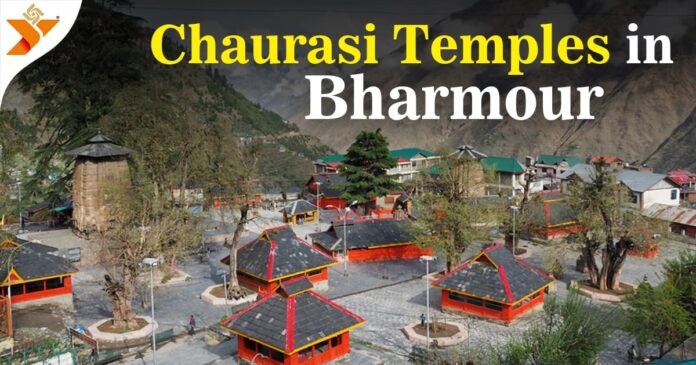
Chaurasi Temple Bharmour
Chaurasi Temple is a complex of 84 shrines in Bharmour, Himachal Pradesh, built primarily in the 7th-10th century. The central Manimahesh shrine features distinctive Pahari-Hima…
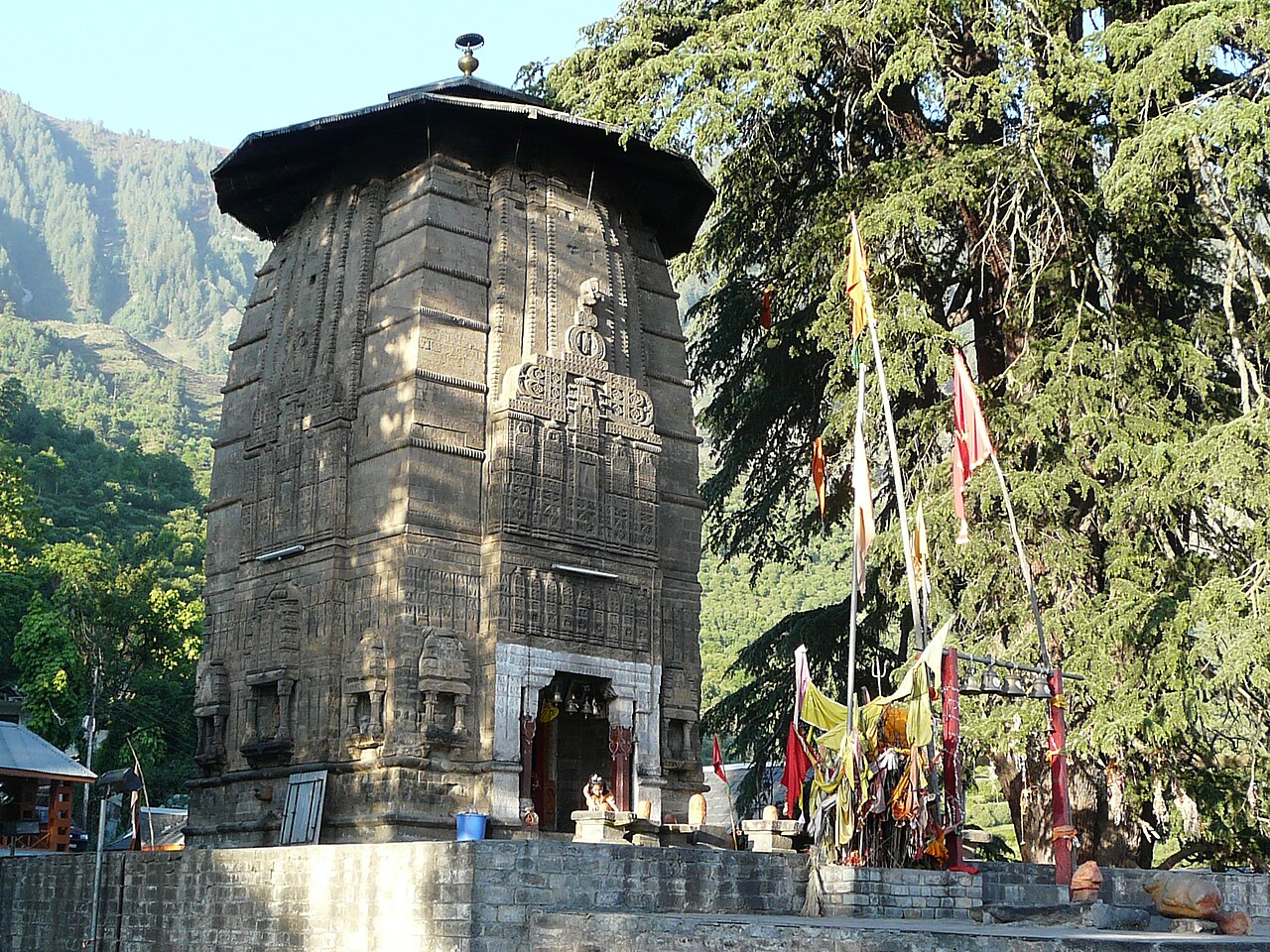
Mani Mahesh Temple, Brahmaur
Mani Mahesh Temple in Brahmaur is a sacred shrine dedicated to Lord Shiva, situated near the holy Mani Mahesh Lake at 13,000 feet in the Budhil valley of Himachal Pradesh.
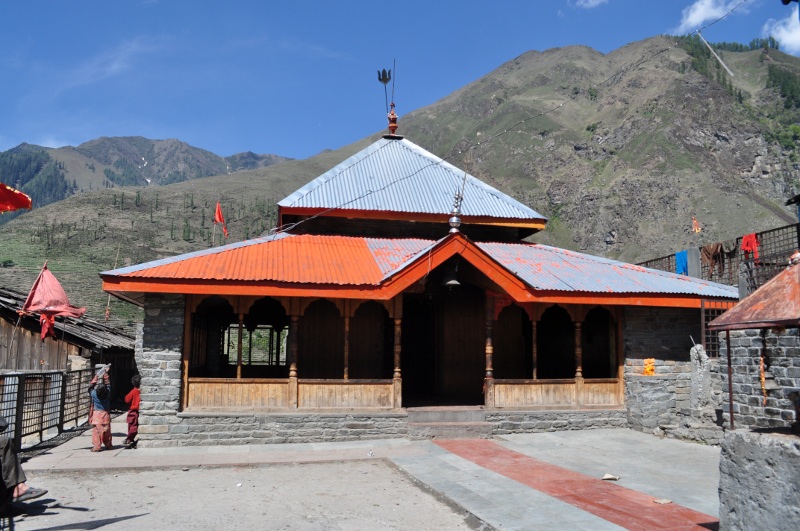
Banni Mata Temple
Banni Mata Temple, also known as Mahakali Banni Mata Temple, is an ancient shrine dedicated to Devi Kali located at 2,600 metres in Chamba District, Himachal Pradesh, surrounded…
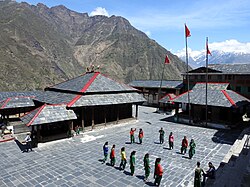
Shakti Devi Temple, Chatrari
Shivshakti Devi Temple in Chhatrari, Chamba district, is an ancient shrine dedicated to Aadishakti, the primordial divine feminine power, believed to date back over 2000 years a…
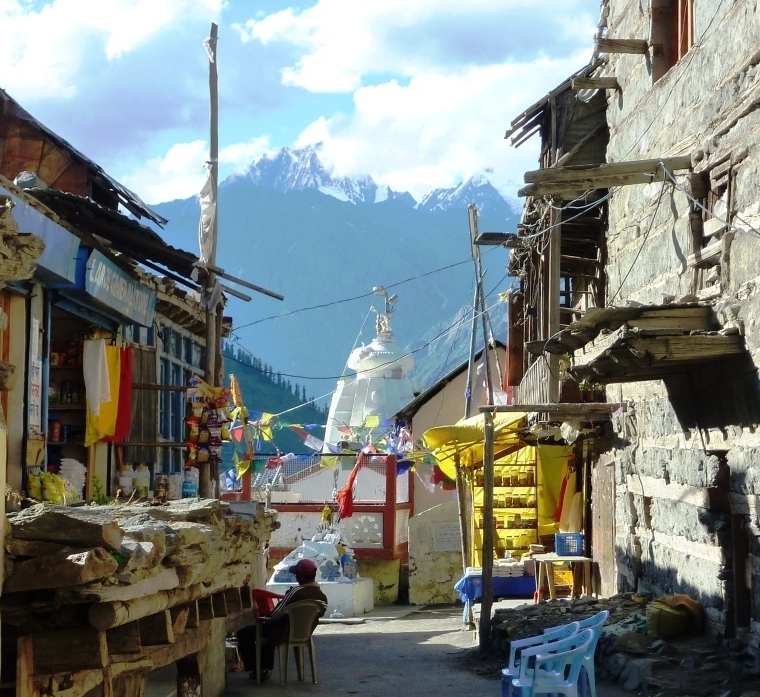
Trilokinath Temple at Tunde
The Trilokinath Temple in Tunde is an ancient shrine venerated by both Hindus and Buddhists, situated at 2,760 metres in the Lahul and Spiti District of Himachal Pradesh. Hindus…
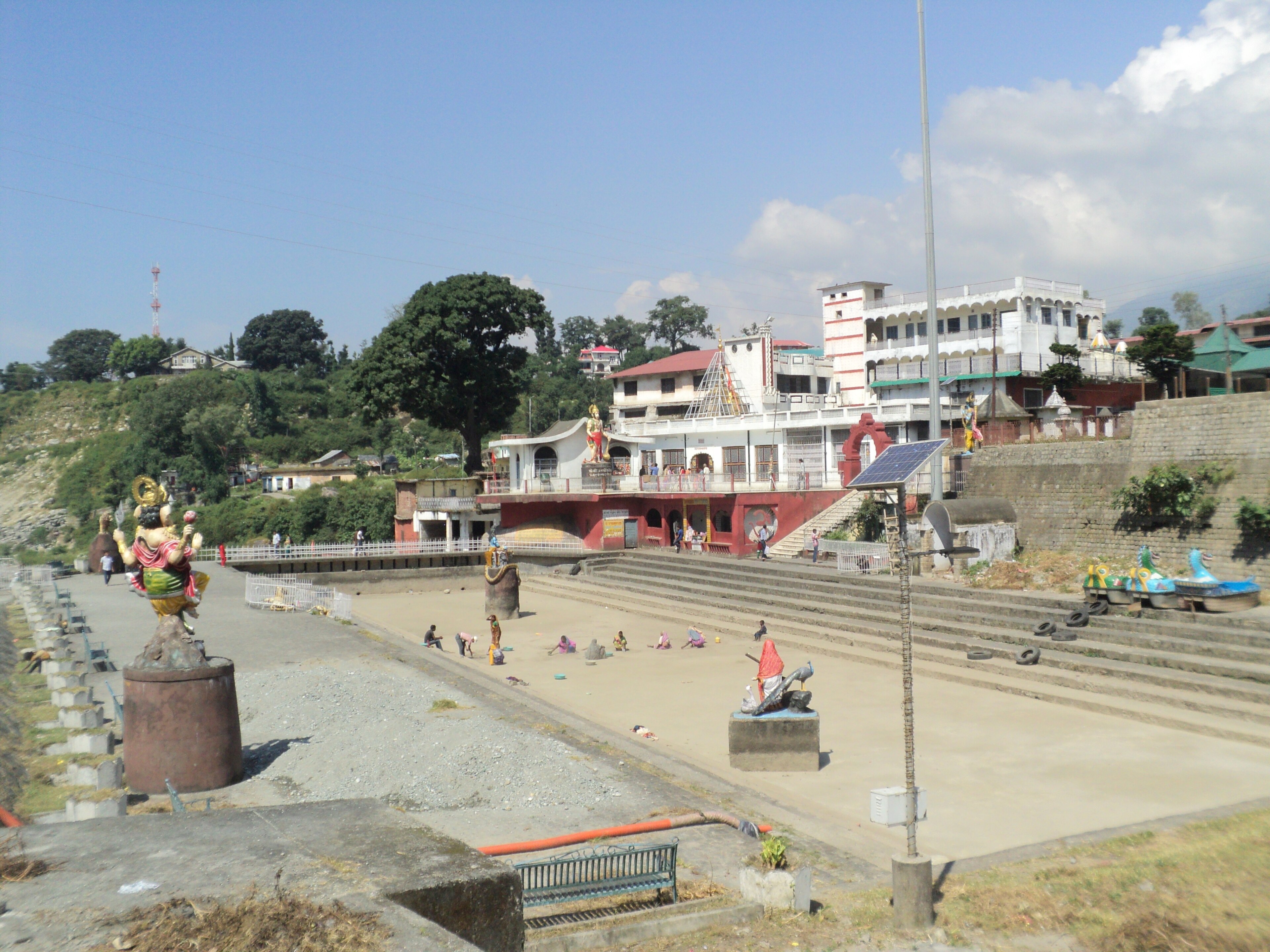
Shri Chamunda Devi Mandir
Shri Chamunda Devi Temple, located 19 km from Palampur in Kangra district, Himachal Pradesh, is a prominent Hindu shrine dedicated to Chamunda Devi, a fierce manifestation of Go…