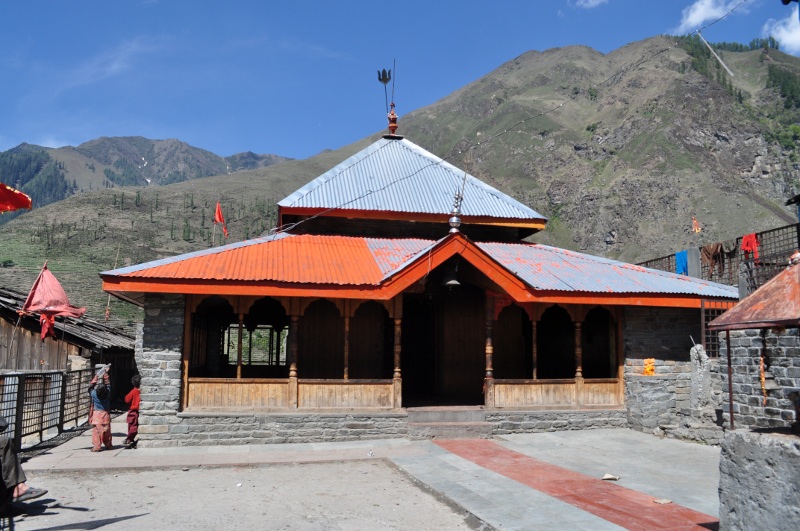
Banni Mata Temple
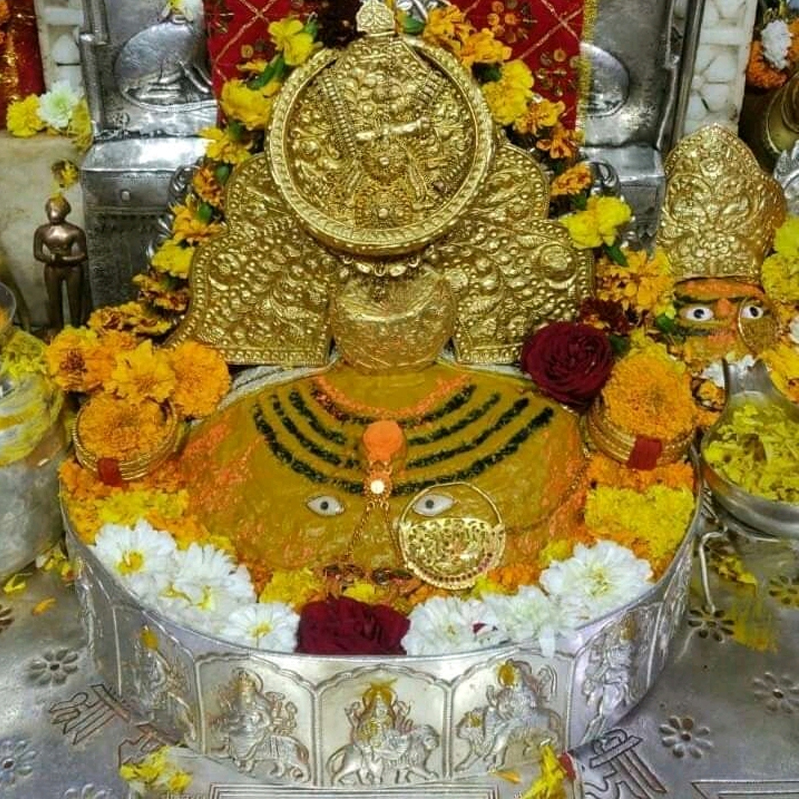
About Banni Mata Temple
The temple occupies a setting of deep forests within the Himalayan foothills, an environment integral to its sacred identity. This forested setting is typical of goddess temples in the Himalayan region, where natural wilderness and human devotion intersect. The elevation and remote location—approximately 4 kilometres on foot from the nearest road access at Tundah village—mean that reaching this shrine requires physical commitment and preparation. The journey itself is understood as part of the pilgrimage rather than merely a means to arrival.
The Annual Fair and Ritual Observance
Each August, during the Bhadrapad month of the Hindu calendar, Banni Mata Temple hosts an annual fair that draws devotees from surrounding regions. The fair follows practices rooted in Kali Puja traditions, which include ritual animal sacrifice as an offering to the goddess. During these observances, a temple priest known locally as the Chela performs ceremonial duties. The Chela is believed within the tradition to possess special powers granted by the goddess and participates in practices—including consuming the blood of sacrificed animals and accepting liquor offerings from devotees—understood as direct communion with the divine.
The fair represents the temple's most significant gathering, when the full ceremonial calendar is observed and the sanctuary draws its largest congregations. Outside this period, the temple remains accessible to individual pilgrims, though specific daily darshan timings and worship schedules are not documented in available sources.
Multiple Deities Within One Sanctuary
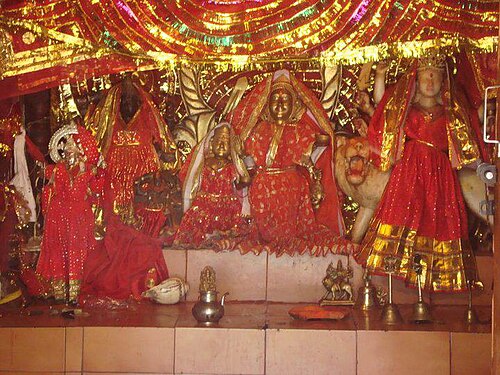
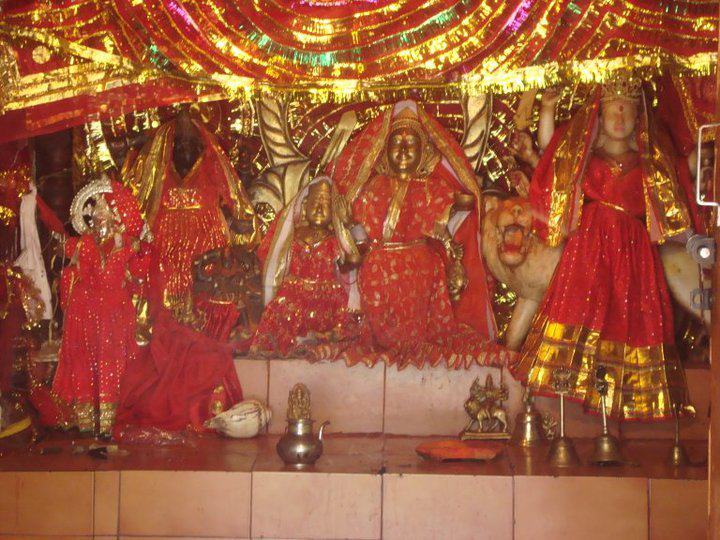
Beyond Devi Kali, the temple functions as a multi-deity shrine typical of Himalayan sacred sites. Worshipped alongside the primary goddess are Digu Wazir, Kelang Wazir, and Chamunda Devi. This arrangement allows pilgrims to address multiple aspects of divine power within a single journey, reflecting the interconnected nature of goddess worship across the Himalayan region. Visitors may encounter layered devotional practices and multiple ritual focuses within the temple's precincts.
Planning Your Visit
The best time to visit is August during the annual fair in Bhadrapad month, when ceremonial life is most active and the temple's full spiritual calendar unfolds. Those planning to visit during the fair should anticipate large crowds and prepare for the ritual practices associated with Kali Puja worship.
Visitors should be prepared for high-altitude conditions and the 4-kilometre walk from Tundah village on foot. Appropriate footwear and physical fitness are essential. Modest dress respectful of Hindu temple customs is appropriate. The temple's position within the Bharmour region means it is best accessed as part of a broader pilgrimage circuit through this area of Himachal Pradesh rather than as an isolated destination. Seasonal weather conditions affecting high-altitude Himalayan travel should inform your planning.
How to Reach the Temple
Banni Mata Temple is located in Chamba District, Himachal Pradesh, at coordinates 32.541°N, 76.461°E. The nearest road access terminates at Tundah village, approximately 4 kilometres from the temple on foot. The temple lies in the Bharmour region of the Chamba Valley, near Manimahesh Peak. Plan your journey as part of a broader pilgrimage circuit through this mountainous area rather than as a standalone destination, and account for the terrain and seasonal conditions of high-altitude Himalayan travel.
How to reach
Temples near Banni Mata Temple
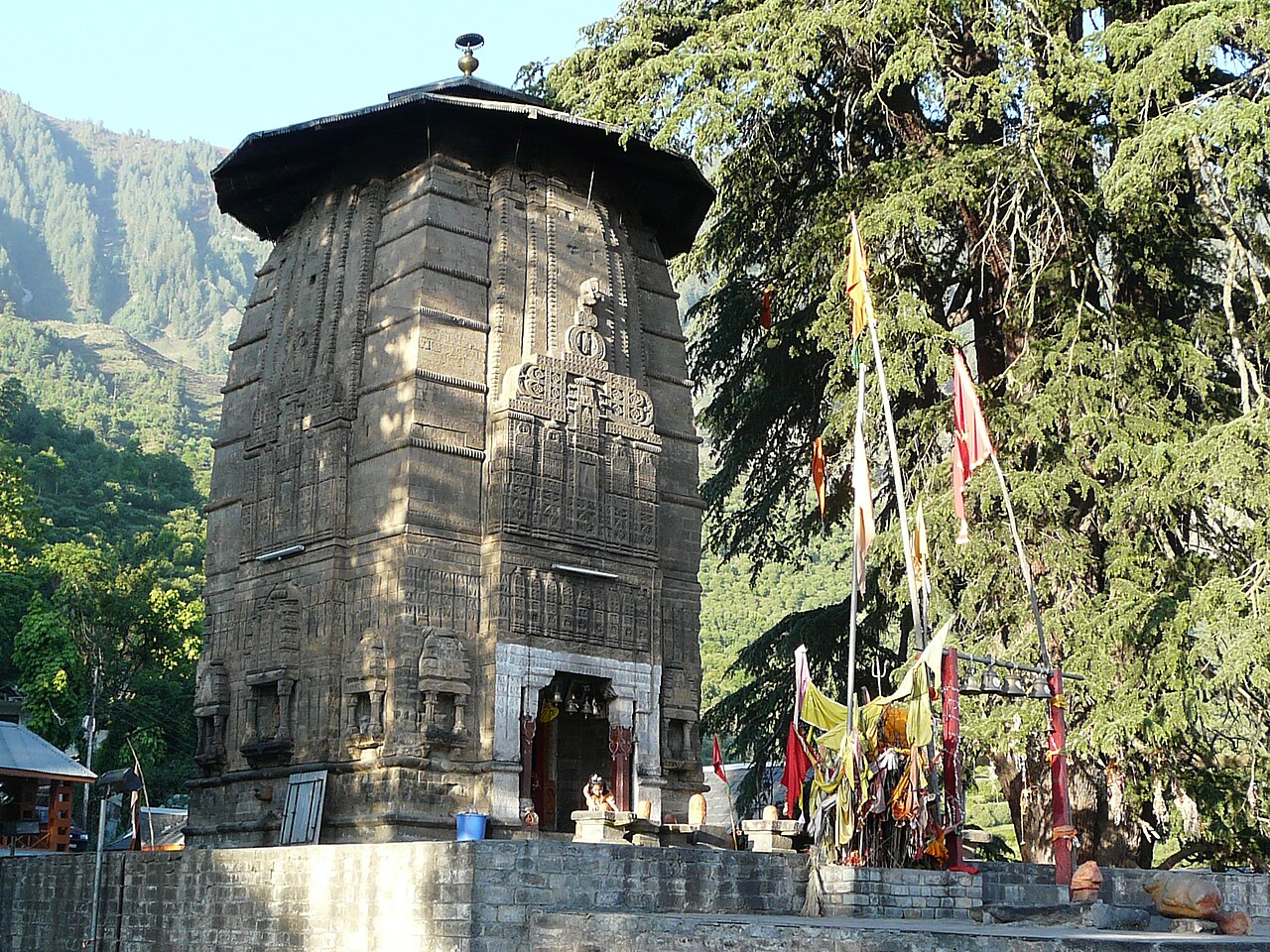
Mani Mahesh Temple, Brahmaur
Mani Mahesh Temple in Brahmaur is a sacred shrine dedicated to Lord Shiva, situated near the holy Mani Mahesh Lake at 13,000 feet in the Budhil valley of Himachal Pradesh.
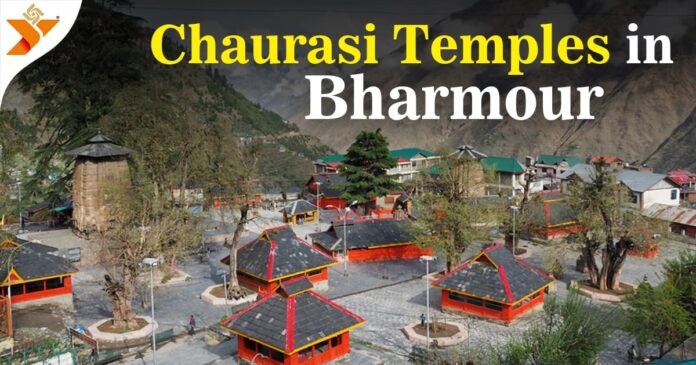
Chaurasi Temple Bharmour
Chaurasi Temple is a complex of 84 shrines in Bharmour, Himachal Pradesh, built primarily in the 7th-10th century. The central Manimahesh shrine features distinctive Pahari-Hima…
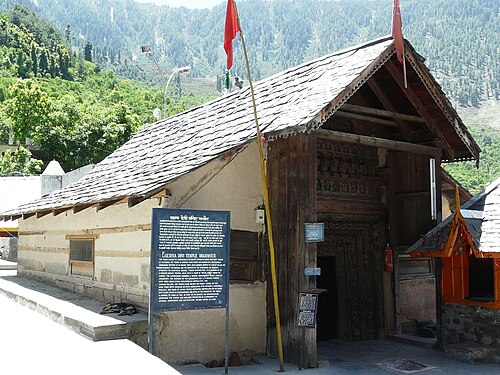
Lakshana Devi Temple, Bharmour
Lakshana Devi Temple in Bharmour is a seventh-century wooden shrine dedicated to Durga in her Mahishasura-mardini form, recognized as one of India's oldest surviving wooden temp…
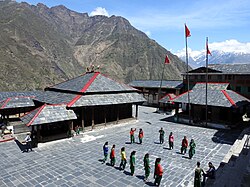
Shakti Devi Temple, Chatrari
Shivshakti Devi Temple in Chhatrari, Chamba district, is an ancient shrine dedicated to Aadishakti, the primordial divine feminine power, believed to date back over 2000 years a…
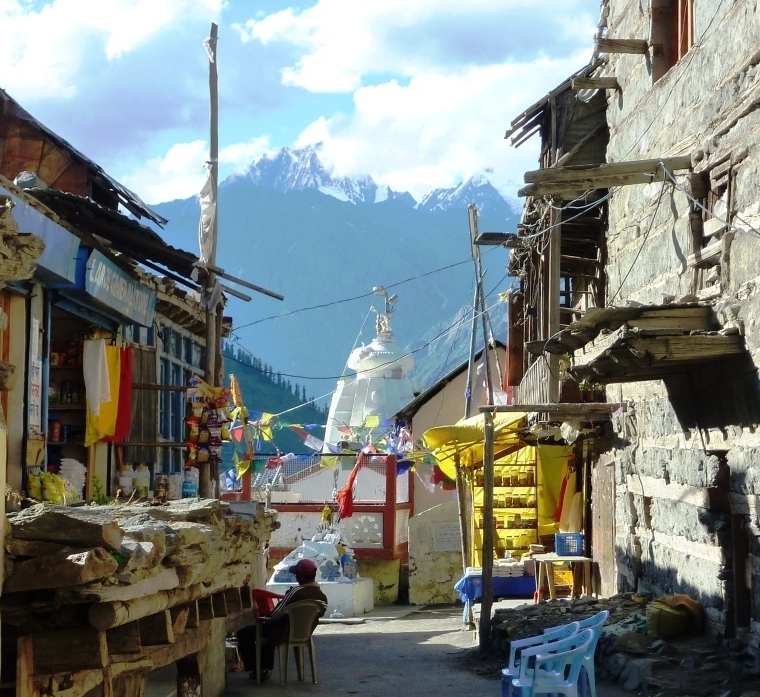
Trilokinath Temple at Tunde
The Trilokinath Temple in Tunde is an ancient shrine venerated by both Hindus and Buddhists, situated at 2,760 metres in the Lahul and Spiti District of Himachal Pradesh. Hindus…
Shri Bajreshwari Temple
Shri Bajreshwari Devi Temple in Kangra, Himachal Pradesh, is dedicated to Durga in her fierce form as Vajreshwari, the goddess of the thunderbolt. It is one of the 51 sacred Sha…