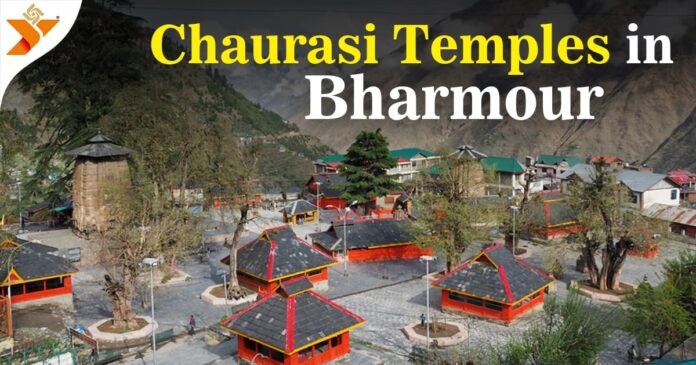
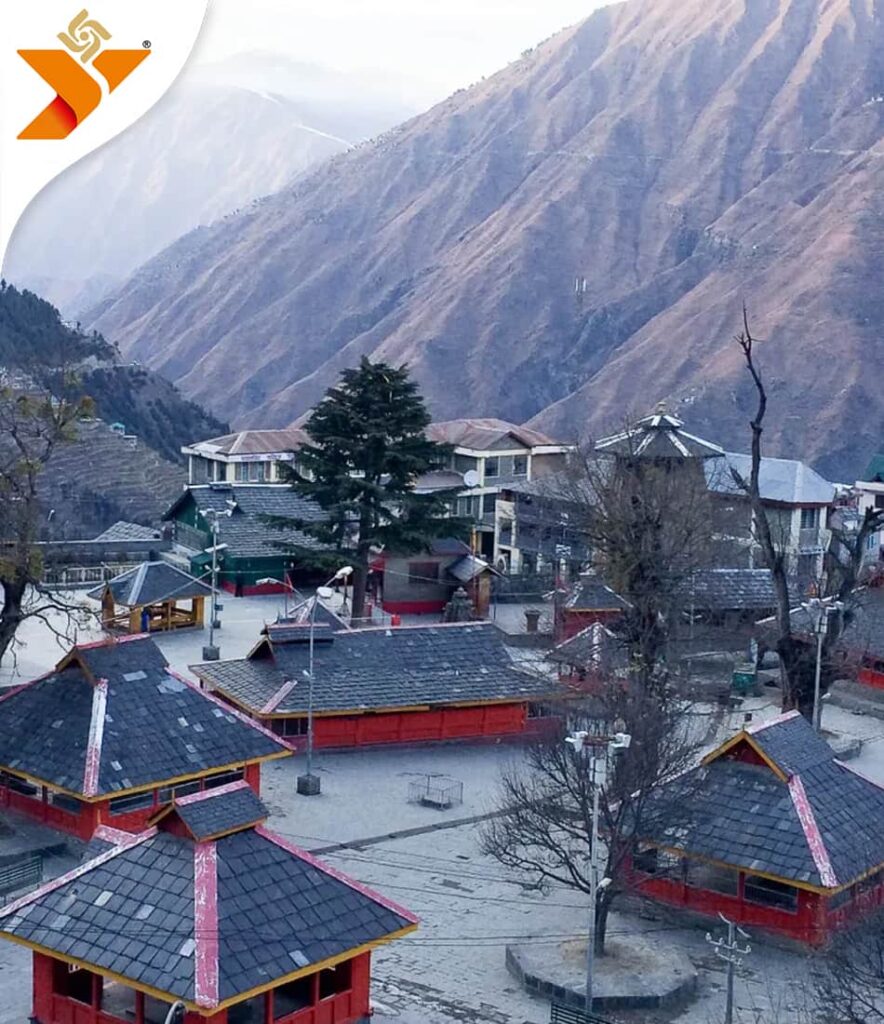
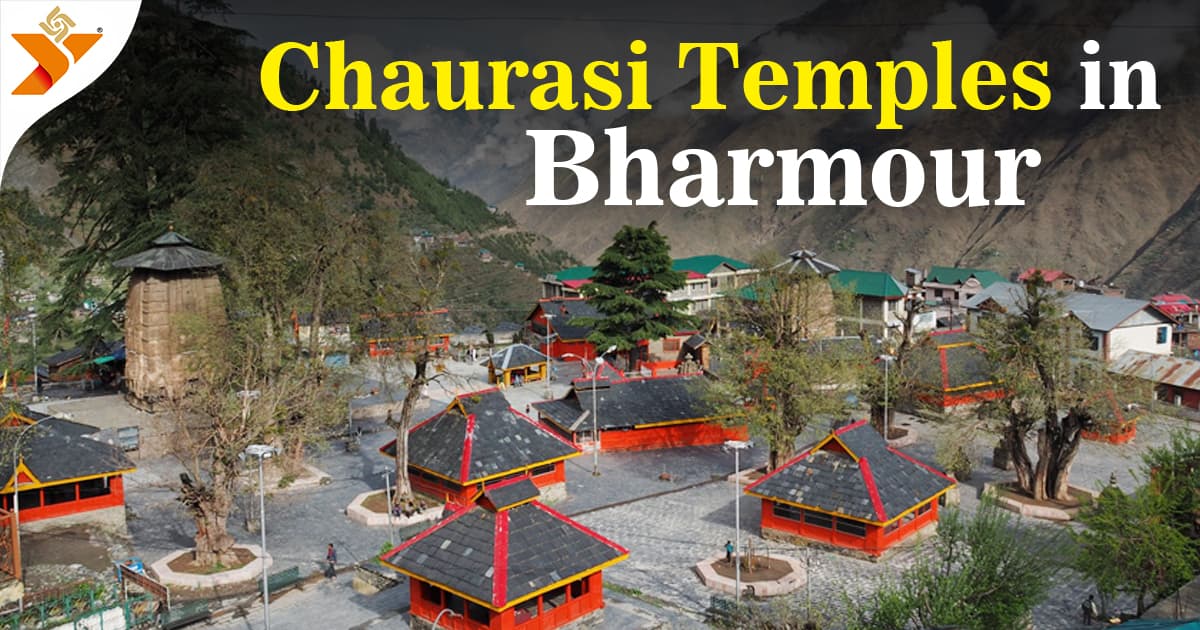
Chaurasi Temple Bharmour
About Chaurasi Temple Bharmour
The Chaurasi complex dates to approximately the 7th century, placing it among the older temple sites in the Himalayan region. Though the original construction occurred over 1,400 years ago, many of the individual shrines have undergone repairs and restoration in subsequent centuries, a common pattern for temples in active use across such extended periods. This layering of construction phases means the complex represents not a single moment in time but an accumulation of devotional investment across generations.
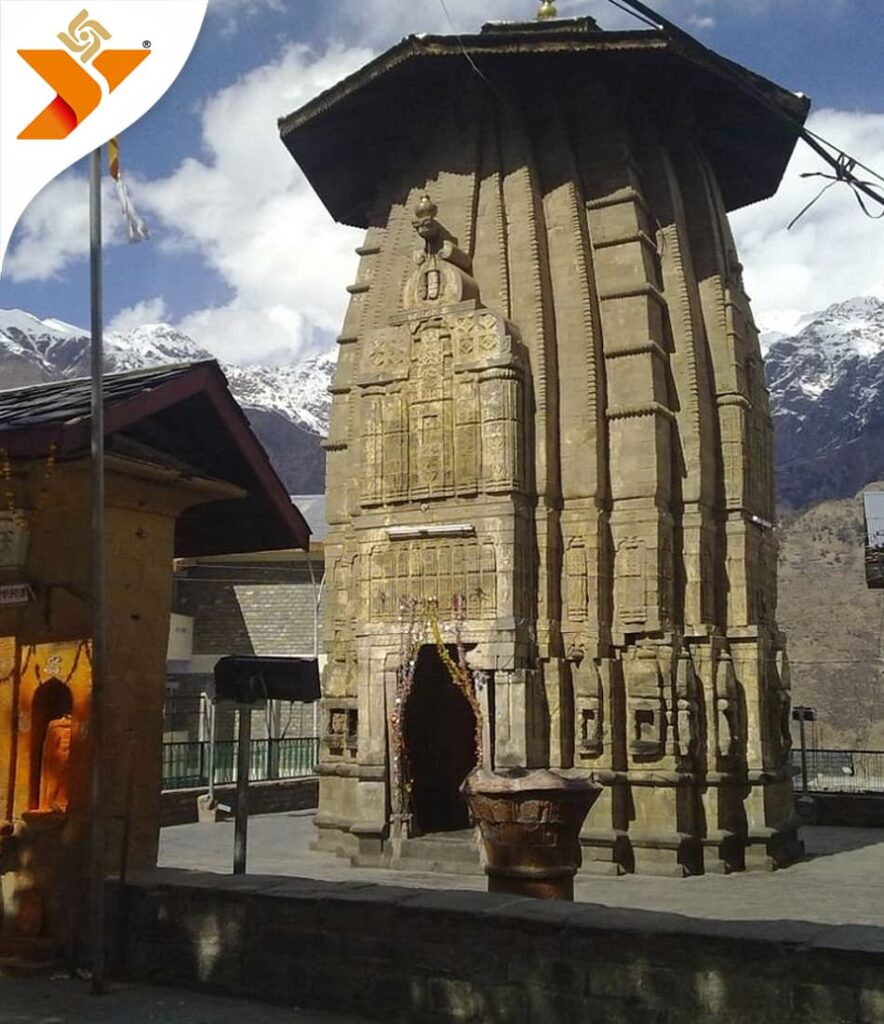
The architectural style—valabhi-Shikhara—reflects regional building traditions adapted to mountain terrain and climate. This style, visible in the central Manimahesh temple, represents a distinctive approach to sacred architecture in the Himalayan context. The arrangement of 84 shrines around a central temple suggests deliberate planning to create a pilgrimage destination of substantial religious significance.
Daily Worship and Darshan
The temple complex maintains traditional worship schedules aligned with the natural rhythms of the mountain region. The gates open at 05:00 for the sunrise aarti, and close at 20:00 following the sunset aarti. These two principal ritual moments—at dawn and dusk—structure the devotional day. The complex remains accessible to visitors throughout these hours, though specific darshan timings for individual shrines within the complex may vary and should be confirmed locally upon arrival.
Visitors planning to participate in the aartis should arrive with time to spare, as these are significant ritual moments drawing both residents and pilgrims. The mountain climate means early mornings can be cold; appropriate layering is advisable.
Festivals and Pilgrimage Seasons
Chaurasi Temple holds particular importance during major Hindu festivals and pilgrimage cycles. Maha Shivratri and Navratri bring increased devotional activity to the complex. The temple also serves as a focal point during the Manimahesh Yatra, a significant regional pilgrimage tradition. August and September are considered the optimal months for visiting, as these coincide with the Manimahesh Yatra season when pilgrimage activity peaks in the broader Bharmour region.
The temple's role within the Manimahesh pilgrimage network reflects its position within larger Himalayan devotional traditions centered on sacred mountains and water sources. Visitors planning trips around these festival periods should expect increased crowds and may wish to book accommodation in advance.
Visitor Practicalities
The temple complex is located in Bharmour town, Chamba District, at coordinates 32.4425, 76.5375. Modest dress is customary—visitors should cover shoulders and knees as a sign of respect. Shoes are typically removed before entering shrine areas, following standard Hindu temple practice. The mountain setting means weather can change rapidly; visitors should be prepared for variable conditions and bring appropriate clothing layers.
Individual shrines within the complex may have specific protocols or access restrictions; observing local guidance and the behavior of other worshippers will help visitors navigate these appropriately. Photography policies should be confirmed at the site, as these vary among different shrines.
Accessing the Temple
Bharmour is situated in the Chamba District of Himachal Pradesh in the Indian Himalayas. The town itself is the primary landmark; the temple complex occupies the center. Visitors should plan their journey accounting for mountain terrain and road conditions, which can be affected by seasonal weather. The nearest major city is Chamba; local inquiry upon arrival will provide current information about transport options and road conditions to Bharmour.
How to reach
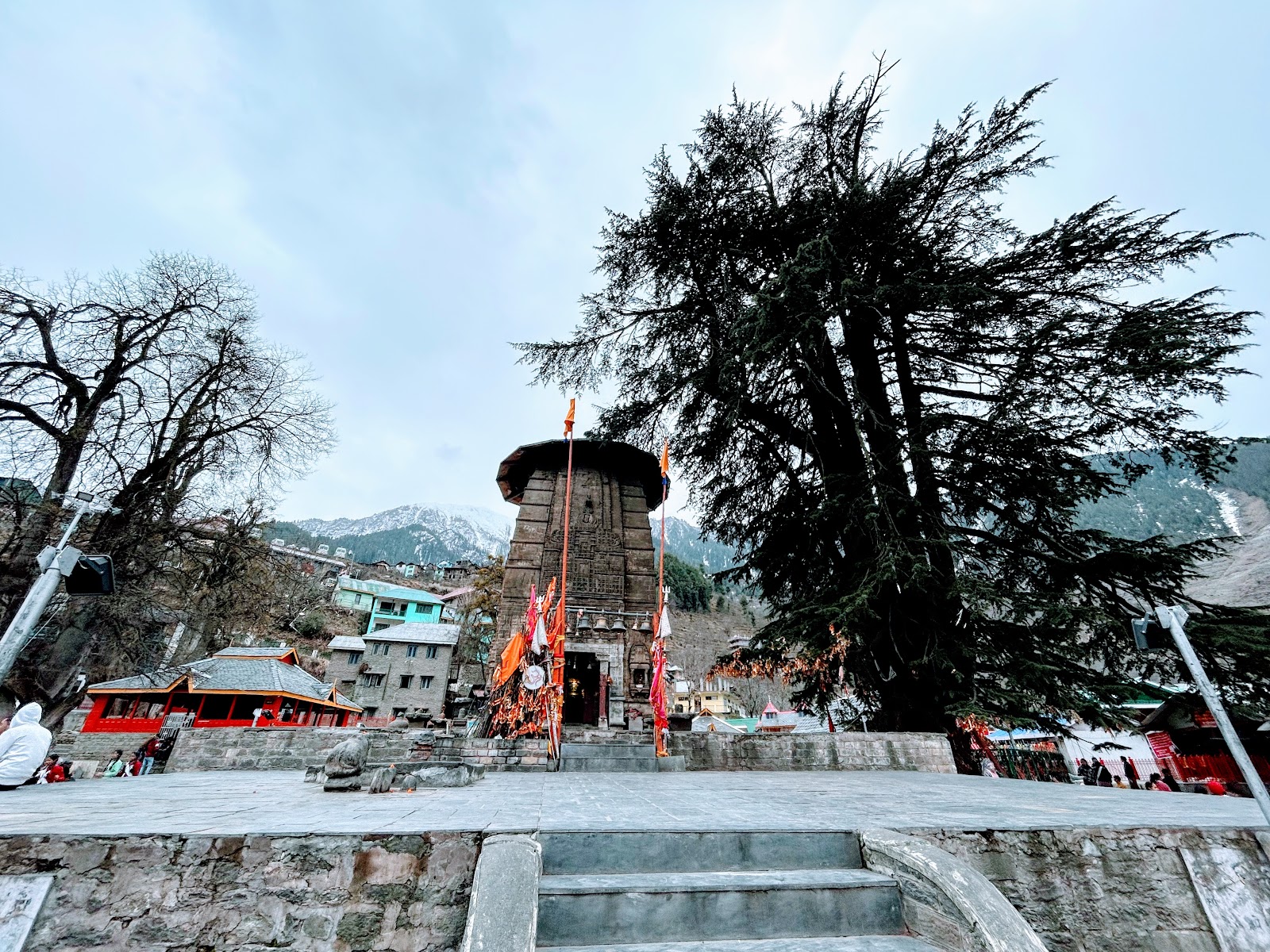
Temples near Chaurasi Temple Bharmour
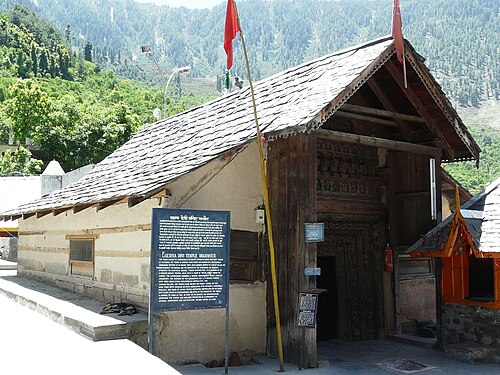
Lakshana Devi Temple, Bharmour
Lakshana Devi Temple in Bharmour is a seventh-century wooden shrine dedicated to Durga in her Mahishasura-mardini form, recognized as one of India's oldest surviving wooden temp…
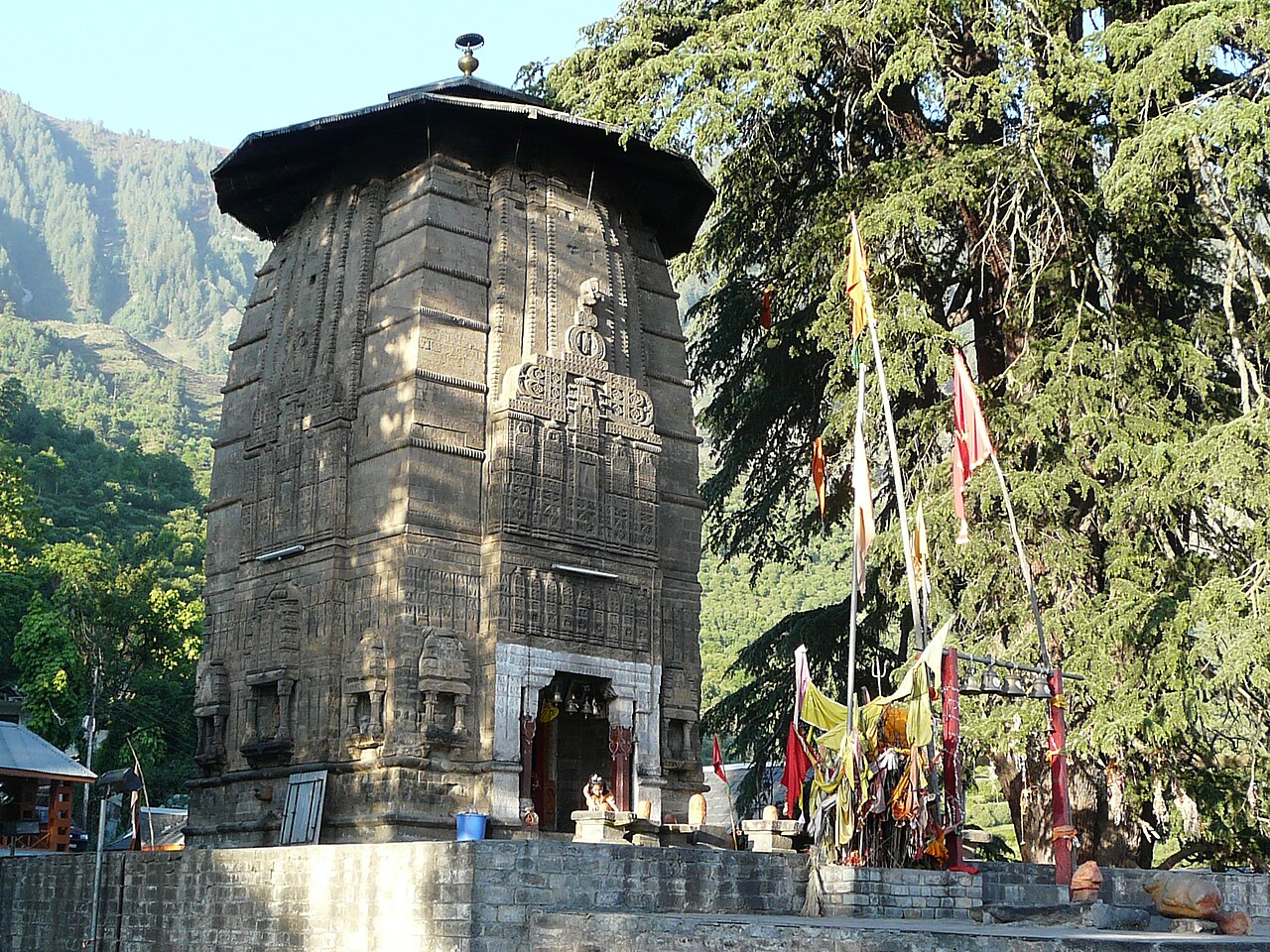
Mani Mahesh Temple, Brahmaur
Mani Mahesh Temple in Brahmaur is a sacred shrine dedicated to Lord Shiva, situated near the holy Mani Mahesh Lake at 13,000 feet in the Budhil valley of Himachal Pradesh.
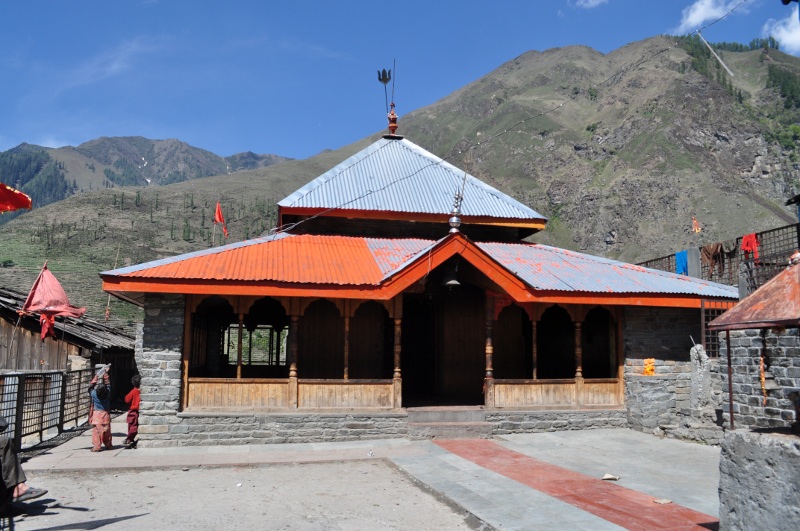
Banni Mata Temple
Banni Mata Temple, also known as Mahakali Banni Mata Temple, is an ancient shrine dedicated to Devi Kali located at 2,600 metres in Chamba District, Himachal Pradesh, surrounded…
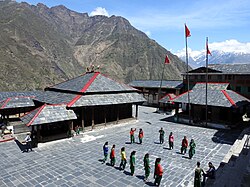
Shakti Devi Temple, Chatrari
Shivshakti Devi Temple in Chhatrari, Chamba district, is an ancient shrine dedicated to Aadishakti, the primordial divine feminine power, believed to date back over 2000 years a…
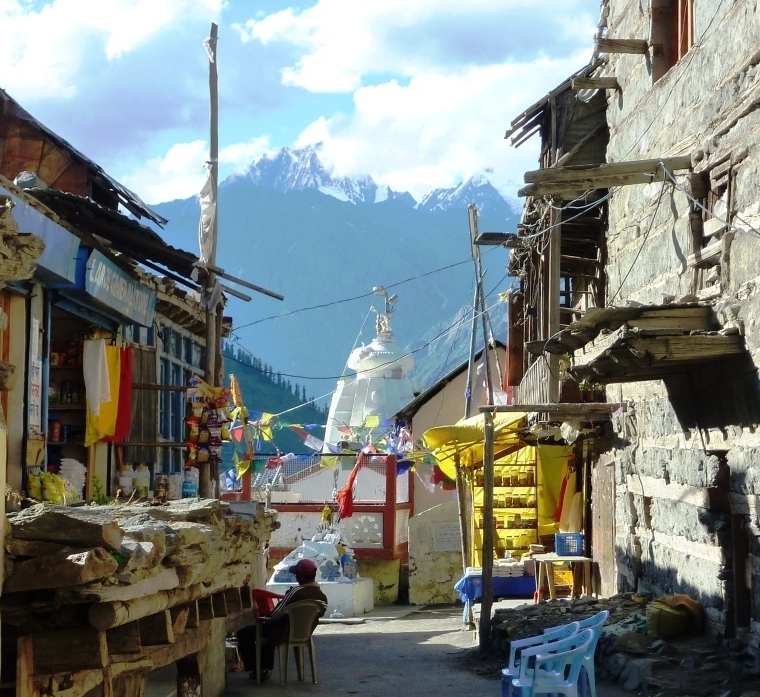
Trilokinath Temple at Tunde
The Trilokinath Temple in Tunde is an ancient shrine venerated by both Hindus and Buddhists, situated at 2,760 metres in the Lahul and Spiti District of Himachal Pradesh. Hindus…
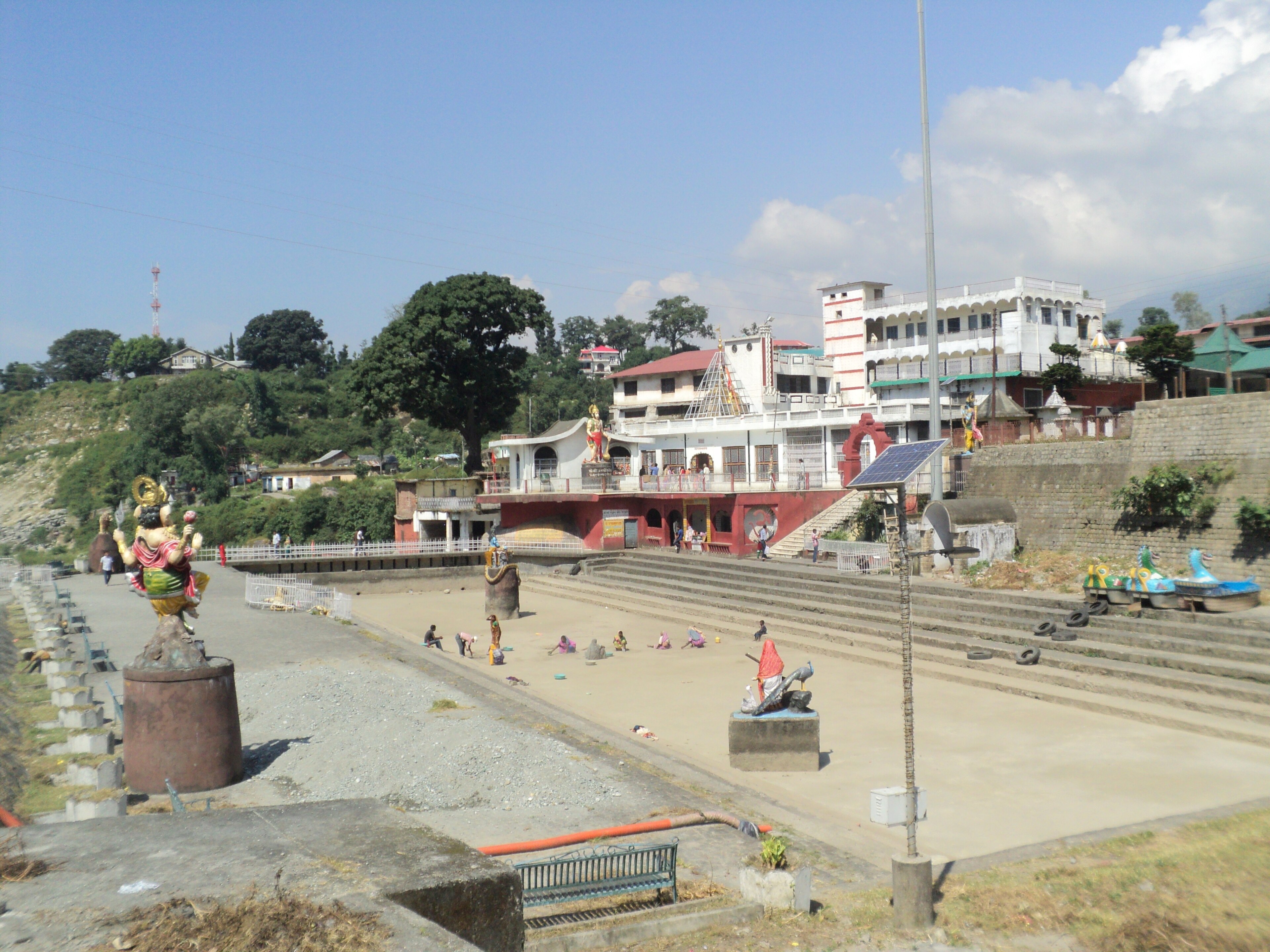
Shri Chamunda Devi Mandir
Shri Chamunda Devi Temple, located 19 km from Palampur in Kangra district, Himachal Pradesh, is a prominent Hindu shrine dedicated to Chamunda Devi, a fierce manifestation of Go…