
Tirundudevankudi Karkadeswarar Temple
About Tirundudevankudi Karkadeswarar Temple
This temple holds the distinction of being one of 275 sacred Shiva temples celebrated in the Tevaram hymns composed by Saint Tirugnanasambandar, earning it the status of a Paadal Petra Sthalam—a shrine glorified in classical Tamil devotional literature. The temple's origins trace to the Chola period, as evidenced by its inscriptions and architectural features. The historical names of the location—Karkteeswaram and Nandankoil—reflect both the mythological associations of the site and its astrological significance within the broader landscape of Tamil Nadu's sacred geography.
The temple's age and continuous worship across centuries have established it as an important node in the network of Shaivite pilgrimage sites in the Thanjavur region, situated within a landscape of paddy fields and coconut groves that characterizes rural Tamil Nadu.
Architecture in the Dravidian Tradition
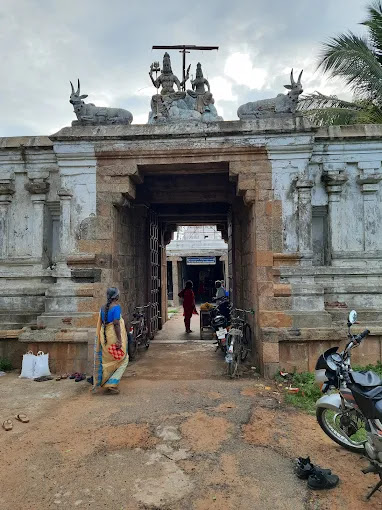
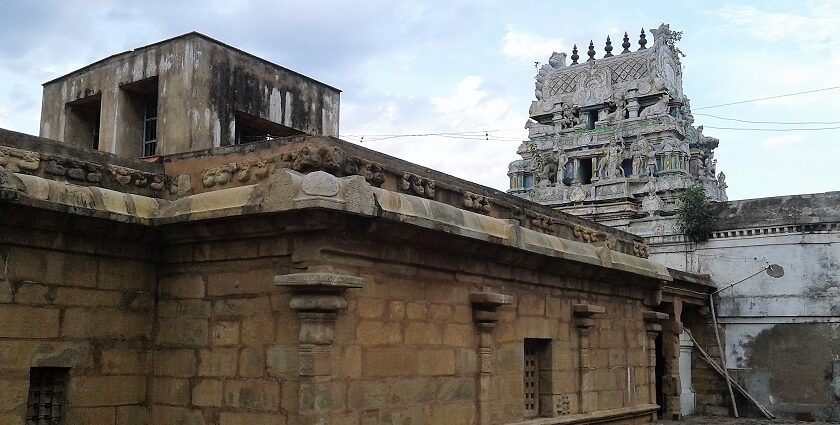
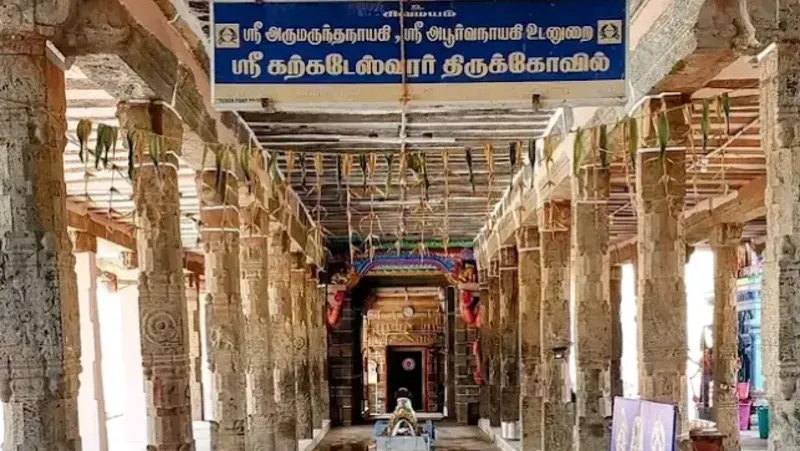
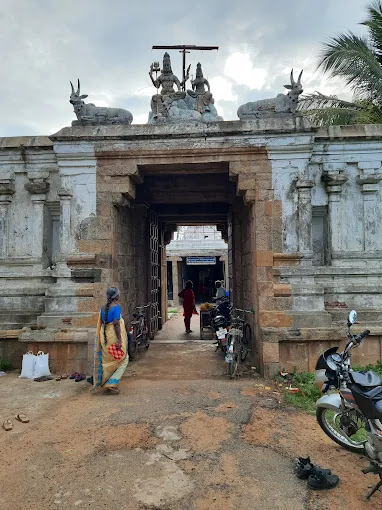
The temple exemplifies classical South Indian Dravidian architecture with restrained elegance. The main sanctum faces east, a standard orientation in Hindu temple design, and houses the Shiva Lingam within a spiritually potent inner chamber. The vimana (tower) above the sanctum displays the Gajaprishta or elephant-back style, characteristic of certain Chola-period temples. A modest gopuram and serene prakaram (circumambulatory passage) complete the primary structure.
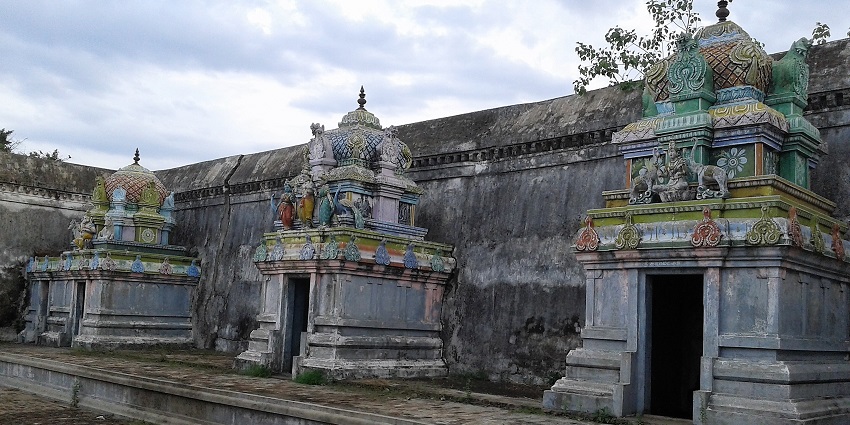
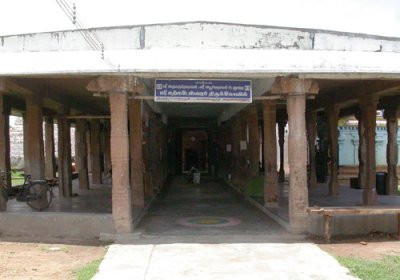
The goddess shrine dedicated to Apoorvanayaki faces south and occupies a separate sanctum. Throughout the prakaram, subsidiary shrines house the Navagrahas (nine celestial bodies), Vinayaka (Ganesha), Murugan, Dakshinamurthy, and Chandikeswara, along with various Shaivite lingas and icons. The mandapam features pillars carved with floral and iconographic designs reflecting the temple's artistic heritage. The Vilvam tree serves as the Sthala Vriksham (sacred tree), and a temple tank called Karkada Theertham is believed to possess purifying and healing properties.
Daily Worship and Darshan
The temple operates from 6:00 AM to 8:00 PM on regular days. Darshan—the viewing of the deity—is available during two windows: morning darshan from 6:00 AM to 12:00 PM and evening darshan from 4:00 PM to 8:00 PM. The temple follows Shaivagama traditions, with worship conducted by hereditary priests according to established ritual protocols.
Four daily pujas structure the worship cycle: Kalasanthi in the morning, Uchikala at midday, Sayaraksha in the evening, and Arthajama at night. Pradosham, observed on the 13th day of each lunar fortnight, receives special observance with abhishekam (ritual bathing of the deity) and deepa aradhana (worship with lamps). Mondays and days when the Thiruvathirai Nakshatra occurs are considered particularly auspicious for Shiva worship at this temple.
Festivals and Observances
Maha Shivaratri, the major festival dedicated to Shiva, is celebrated with night-long vigil, abhishekam, and chanting of the Shiva Panchakshari mantra. Aani Thirumanjanam, a ritual bathing of the deity, takes place during the Tamil month of Aani (May–June) and holds particular significance in the temple's annual calendar. These observances draw devotees seeking to participate in the temple's spiritual rhythms and connect with the deity through established festival practices.
Visiting the Temple: Practical Information
The temple is located in Tirundudevankudi village in Thanjavur district, approximately 10 km from Kumbakonam bus stand and 2 km from Tiruvisainallur. It is well-connected by bus from Kumbakonam. Visitors should plan their visit during the designated darshan hours and dress modestly, as is customary at Hindu temples. The serene setting surrounded by agricultural land creates a meditative atmosphere conducive to worship and reflection. Those seeking relief from perceived curses or karmic difficulties, or simply wishing to pay respects to Shiva in this form, will find the temple's spiritual environment supportive of their devotional intentions.
How to reach

Temples near Tirundudevankudi Karkadeswarar Temple
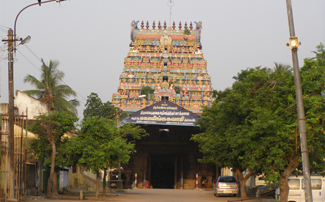
Thiruvisanallur Sivayoginathar Temple
An ancient Shiva temple in Thanjavur district revered in seventh-century Tevaram hymns, where the presiding deity Sivayoginathar is worshipped in the Kali Yuga form with the con…
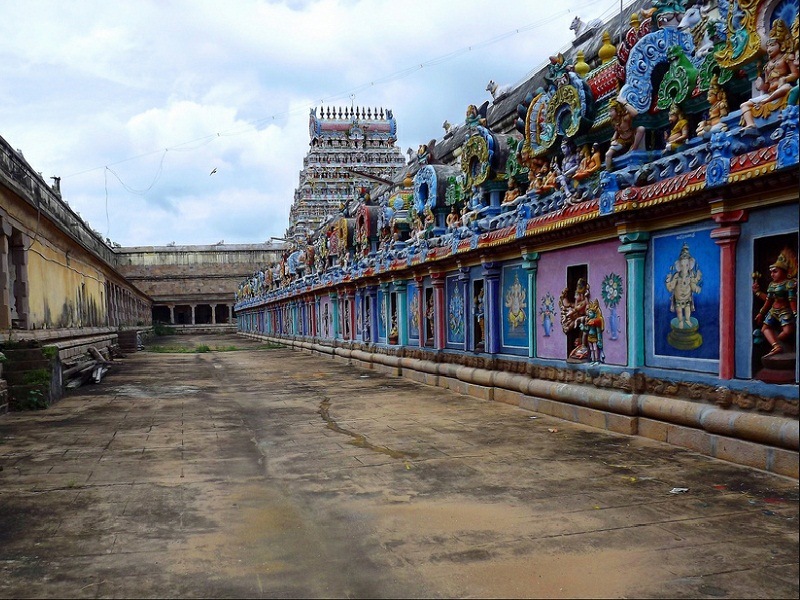
Thiruvidaimarudur Risipureeswarar Temple
Sri Mahalinga Swamy Temple in Thiruvidaimarudur is one of the Panchakrosha Sthalas near Kumbakonam, dedicated to Lord Shiva as the presiding deity Mahalingaswamy.
Mahalingeswarar Temple, Thiruvidaimarudur
Mahalingeswarar Temple in Thiruvidaimarudur is one of seven major Shiva temples in Tamil Nadu, revered in 7th-century Tamil Saiva scriptures and celebrated for its sacred lingam…

Bhairavesvarar Temple, Cholapuram
Bhairavesvarar Temple in Cholapuram is an ancient Hindu shrine dedicated to Lord Shiva, with the primary deity known as Mahabhairaveshwarar and the goddess as Mahabhairaveshwari.
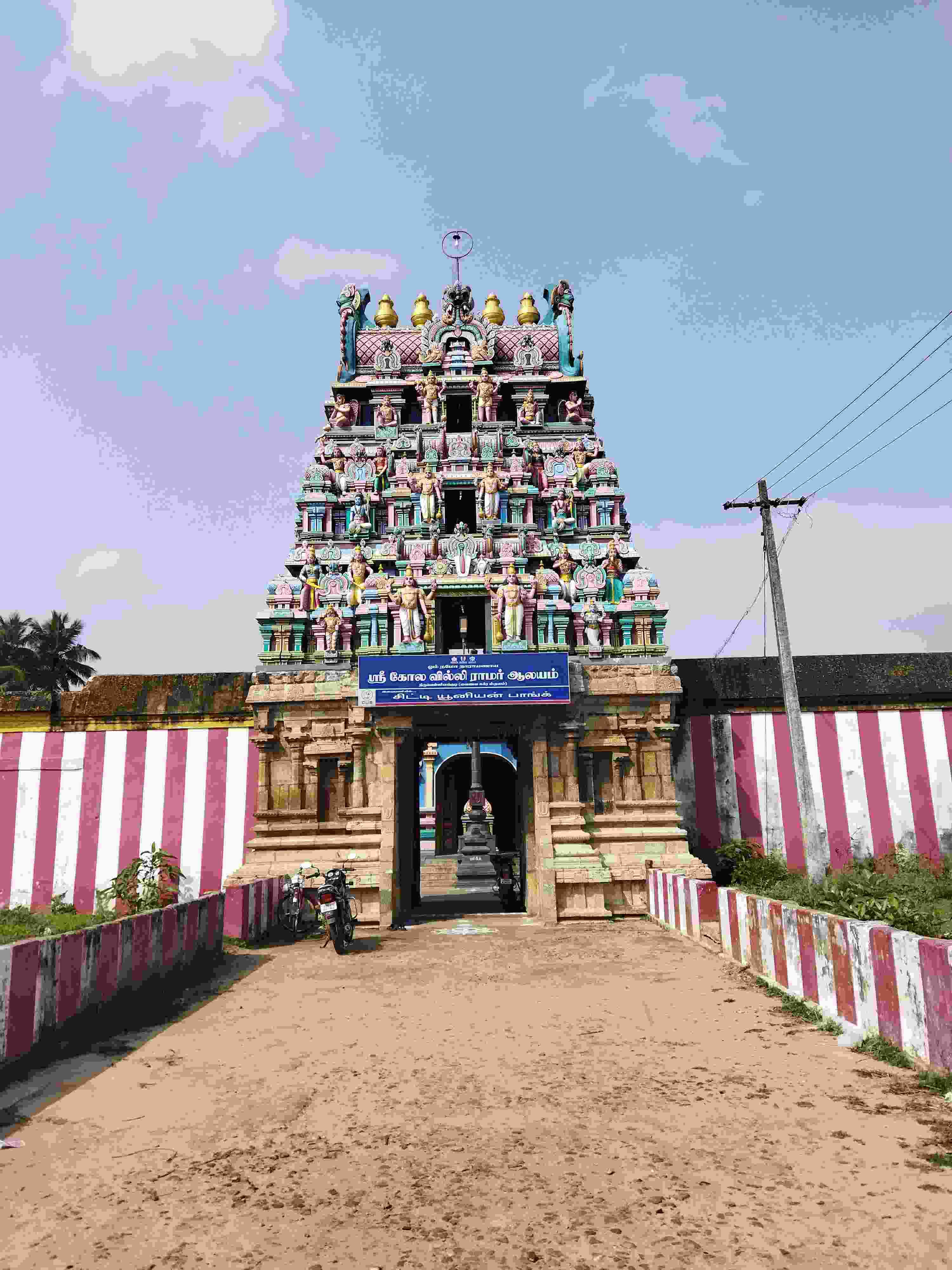
Thiruvelliangudi Kolavilli Ram Temple
Kolavilli Rama Perumal Temple in Thiruvelliyangudi is one of the 108 Divya Desams, distinguished as the only temple where Garuda appears with four hands holding the divine discu…
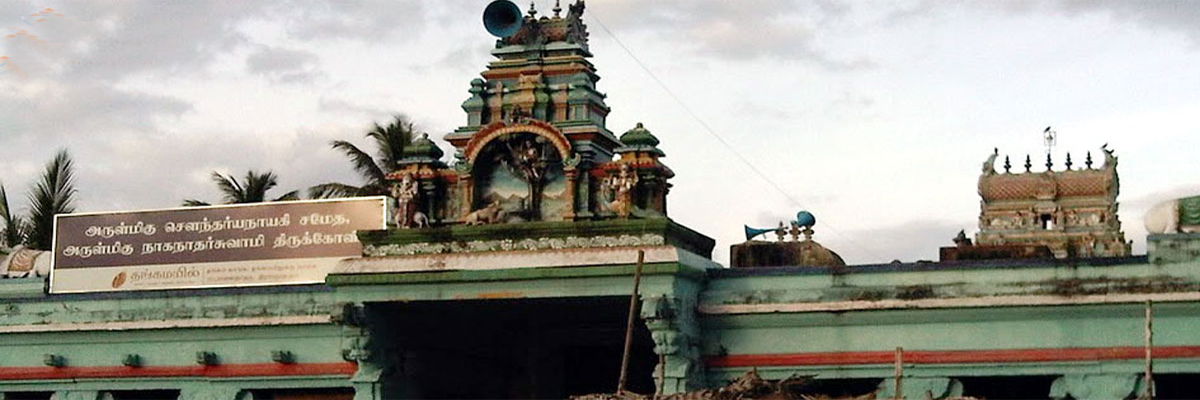
Naganathaswamy Temple
Naganathaswamy Temple in Keezhaperumpallam is a Navagraha shrine dedicated to Lord Ketu, where the presiding deity Lord Naganathaswamy is worshipped alongside the planetary form…