


Bhairavesvarar Temple, Cholapuram
About Bhairavesvarar Temple, Cholapuram
The temple belongs to the Chola dynasty era, placing it within one of South India's most significant periods of temple construction and religious patronage. The architectural style reflects the modest scale typical of many Chola-period shrines, though the temple's spiritual significance far exceeds its physical grandeur.
The structure itself is relatively simple. There is no elaborate entrance gateway; instead, only the base of the front mandapa (pavilion) remains. On either side of the garbhagriha (inner sanctum), images of Vinayaka (Ganesha) are positioned, with Subramania (Murugan) located nearby. The goddess faces south. Beyond the primary deities, the temple also houses images of Ardhanarishvara (the half-Shiva, half-Parvati form), Durga with eight hands, Dakshinamurti (Shiva as the supreme teacher), Gangadharar (Shiva bearing the Ganges), and Kalyanasundara (Shiva in his marriage form with Parvati).
Worship and Rituals
Special pujas are conducted on Saturdays, making these days particularly auspicious for worship at this temple. The Saturday observance aligns with traditional Hindu practice, as Saturday is associated with Saturn and is considered an important day for certain forms of Shiva worship and propitiation. Devotees seeking blessings related to protection, spiritual transformation, and the removal of obstacles often visit on these days.
The 64 peetas within the temple serve as focal points for meditation and ritual practice. Devotees may engage in worship at these platforms, following the belief that the 64 Bhairavas themselves performed spiritual practices here. This structure allows for both individual and communal worship experiences.
Location and Access
The temple is situated 13 kilometres from Kumbakonam along the Kumbakonam-Chennai highway in Cholapuram village. The area was historically known as Bhairavapuram, a name reflecting the deity's prominence in local religious life. The accessible location on a major highway makes the temple reachable for pilgrims traveling through the Thanjavur district.
What Visitors Should Know
Visitors should confirm current darshan timings and any special observances before arrival, as temple schedules vary with festivals and seasons. Saturday visits are particularly recommended for those wishing to participate in the special pujas held on that day. Modest dress is appropriate when visiting Hindu temples; visitors should cover shoulders and knees as a mark of respect.
Photography policies and specific rules regarding entry to different shrine areas should be confirmed upon arrival. As with most Hindu temples, removing footwear before entering the sanctum is standard practice. Visitors are welcome to circumambulate the temple and offer prayers at the various shrines dedicated to different forms of Shiva and other deities.
Spiritual Significance
For devotees of Bhairava and Shiva, this temple represents a site of direct connection to the deity's manifestation. The presence of the 64 Bhairavas makes it particularly significant for those engaged in tantric or esoteric spiritual practices, as these forms are central to certain Hindu philosophical and devotional traditions. The temple's association with protection, transformation, and the transcendent aspects of Shiva draws pilgrims seeking spiritual advancement and divine grace.
How to reach

Temples near Bhairavesvarar Temple, Cholapuram
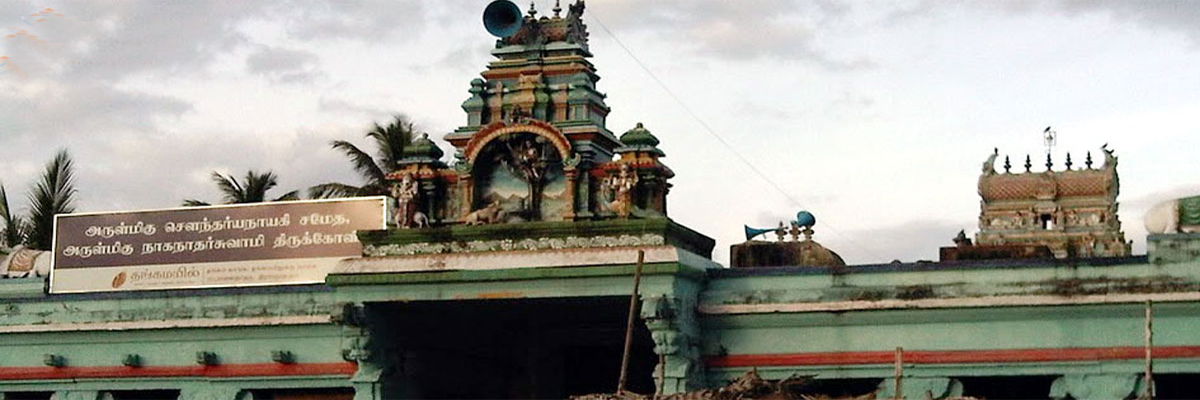
Naganathaswamy Temple
Naganathaswamy Temple in Keezhaperumpallam is a Navagraha shrine dedicated to Lord Ketu, where the presiding deity Lord Naganathaswamy is worshipped alongside the planetary form…
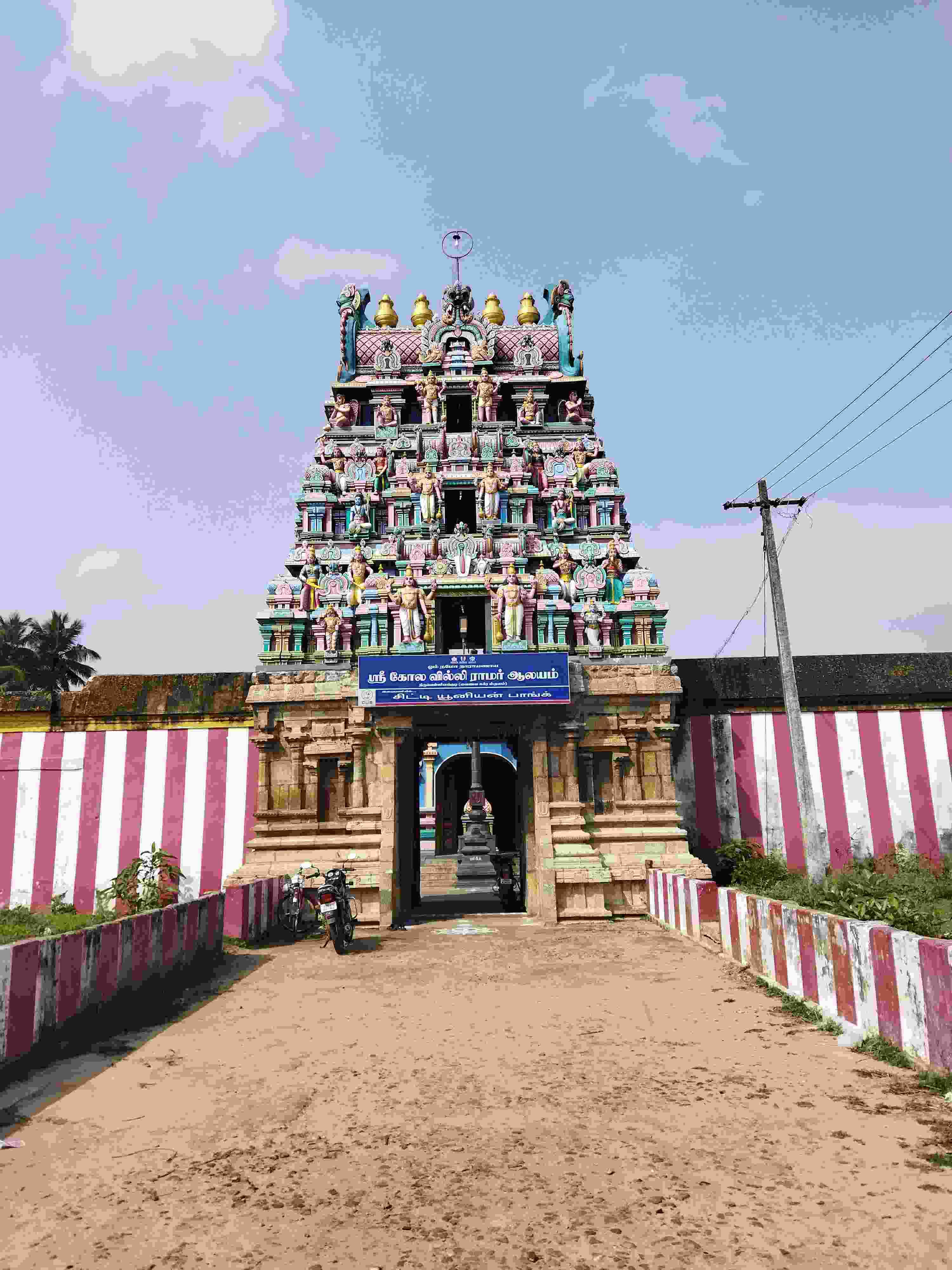
Thiruvelliangudi Kolavilli Ram Temple
Kolavilli Rama Perumal Temple in Thiruvelliyangudi is one of the 108 Divya Desams, distinguished as the only temple where Garuda appears with four hands holding the divine discu…
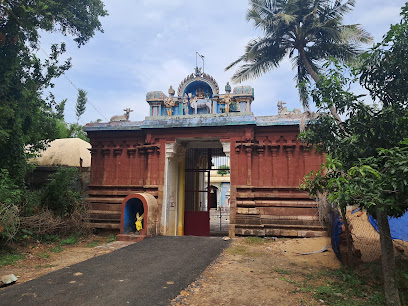
Palunkanda Nathar Temple
Palunkanda Nathar Temple is an ancient Shiva shrine in Thiruvaipadi, Thanjavur, traditionally dated 1,000–2,000 years old and celebrated in the Thevaram hymns of Saint Thirunavu…

Tirundudevankudi Karkadeswarar Temple
Tirundudevankudi Karkadeswarar Temple is a revered Shaivite shrine in Thanjavur district, Tamil Nadu, where Lord Shiva is worshipped as Karkadeswarar—named after a legendary cra…
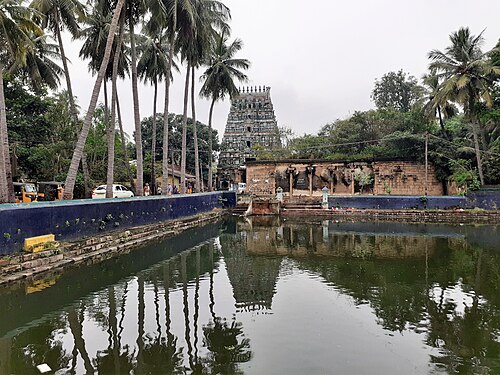
Prananadeswarar Temple
Prananadeswarar Temple in Thirumangalakudi is an ancient Shiva shrine revered in seventh-century Tamil devotional literature and celebrated as a Paadal Petra Sthalam.
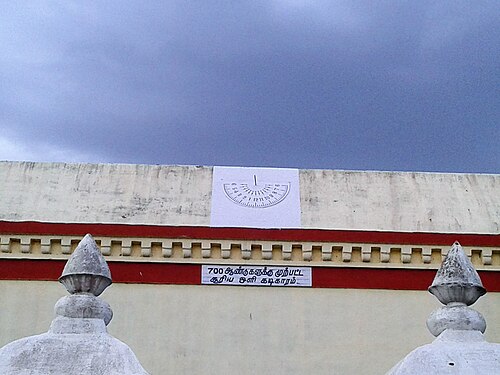
Thiruvisanallur Sivayoginathar Temple
An ancient Shiva temple in Thanjavur district revered in seventh-century Tevaram hymns, where the presiding deity Sivayoginathar is worshipped in the Kali Yuga form with the con…