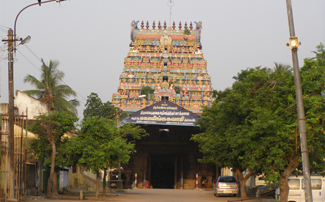

Thiruvidaimarudur Risipureeswarar Temple
About Thiruvidaimarudur Risipureeswarar Temple
The temple's origins are rooted in classical Tamil devotional tradition. References to the site appear in the compositions of Gnanasambandhar and Thirunavukarasar, medieval Shaiva saints whose hymns documented sacred Shiva temples across the region. This textual presence in Thevaric literature establishes the temple's antiquity and its place within the broader landscape of Tamil Shaivism.
The temple complex reflects architectural and ritual practices characteristic of Chola-period temple construction, a period when such sanctuaries were systematized and expanded. The presence of the Ammbal Shrine, identified as one of the Shakti Peethas, indicates the temple's integration into the wider network of goddess worship sites that complement Shiva temples throughout South India.
Daily Worship and Darshan
The temple opens for darshan in two sessions: morning hours from 6:00 AM to 12:00 PM, and evening hours from 4:00 PM to 9:00 PM. Both sessions include formal aartis—the morning aarti and evening aarti—during which the deity is ritually honoured with light, flowers, and chanting. These aartis mark the principal moments of congregational worship and are times when the sanctum is most actively engaged in ritual activity.
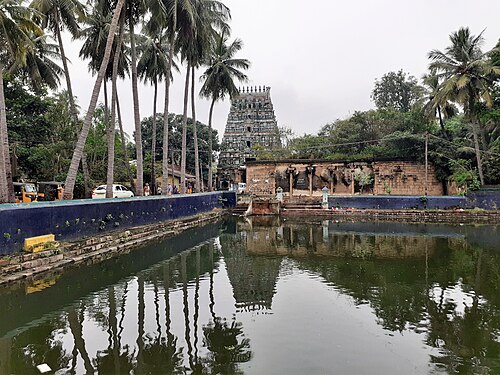
Water for ritual ablutions of the deity is drawn from a dedicated well connected to the temple's principal tank, known as Karunyamirtha Theertham (the tank of compassionate nectar). This arrangement reflects traditional temple infrastructure designed to support daily worship practices. Visitors should plan their visit around these darshan windows and confirm exact timings locally, as schedules may shift during festival periods or seasonal observances.
The Temple Landscape
Thiruvidaimarudur is described as a calm and clean hamlet, with the temple situated prominently within it. The complex includes a large pond visible from the temple's front approach, tower structures on the southern side, and landscaped grounds including a Nandavana (garden of trees). The architectural layout follows conventions typical of Tamil Shiva temples, with gopurams (towers) marking cardinal directions and water features integral to the sacred geography.
The setting within the Kaveri delta places the temple in a region historically associated with agricultural prosperity and spiritual significance. The proximity to Kumbakonam, itself known as a temple town and home to numerous shrines, positions Thiruvidaimarudur within a broader pilgrimage circuit for those visiting the region's sacred sites.
Visiting Information
The best season to visit is October through March, when temperatures are moderate and the climate favourable for travel. Visitors should observe standard temple etiquette: remove footwear before entering the sanctum, dress modestly, and maintain respectful conduct during worship hours. Photography policies should be confirmed at the temple entrance, as restrictions vary.
The temple's address is Thiruvidaimarudur, Tamil Nadu 612104. Those wishing to arrange formal darshan, special pujas, or assistance with temple protocols can contact local coordinators who work through official temple channels. Exact timings for darshan and aartis should be confirmed before visiting, as schedules may vary with festivals or special observances.
Festivals and Sacred Occasions
The temple observes significant festivals within the Shaiva calendar. A notable recent observance was the Aadi Puram festival, which took place in July-August 2011 after a 63-year interval, indicating that certain festivals at the temple follow extended cycles. Devotees planning visits should inquire locally about upcoming festival dates and special rituals, as these occasions draw larger congregations and may affect darshan arrangements.
The broader Kumbakonam region celebrates the Mahamaham festival every twelve years at the Mahamaham tank, an event of major significance in the Tamil religious calendar. Visitors interested in experiencing major festivals should coordinate their travel accordingly.
How to reach

Temples near Thiruvidaimarudur Risipureeswarar Temple
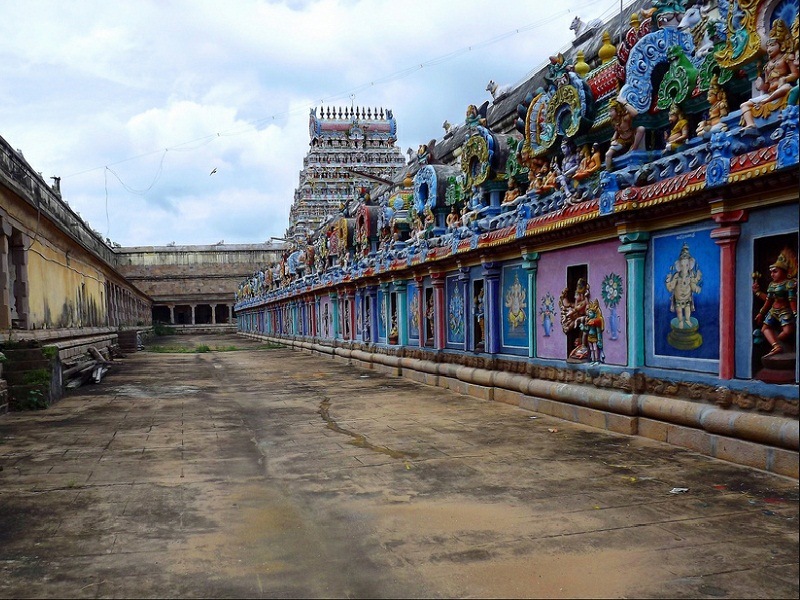
Mahalingeswarar Temple, Thiruvidaimarudur
Mahalingeswarar Temple in Thiruvidaimarudur is one of seven major Shiva temples in Tamil Nadu, revered in 7th-century Tamil Saiva scriptures and celebrated for its sacred lingam…

Thiruvisanallur Sivayoginathar Temple
An ancient Shiva temple in Thanjavur district revered in seventh-century Tevaram hymns, where the presiding deity Sivayoginathar is worshipped in the Kali Yuga form with the con…
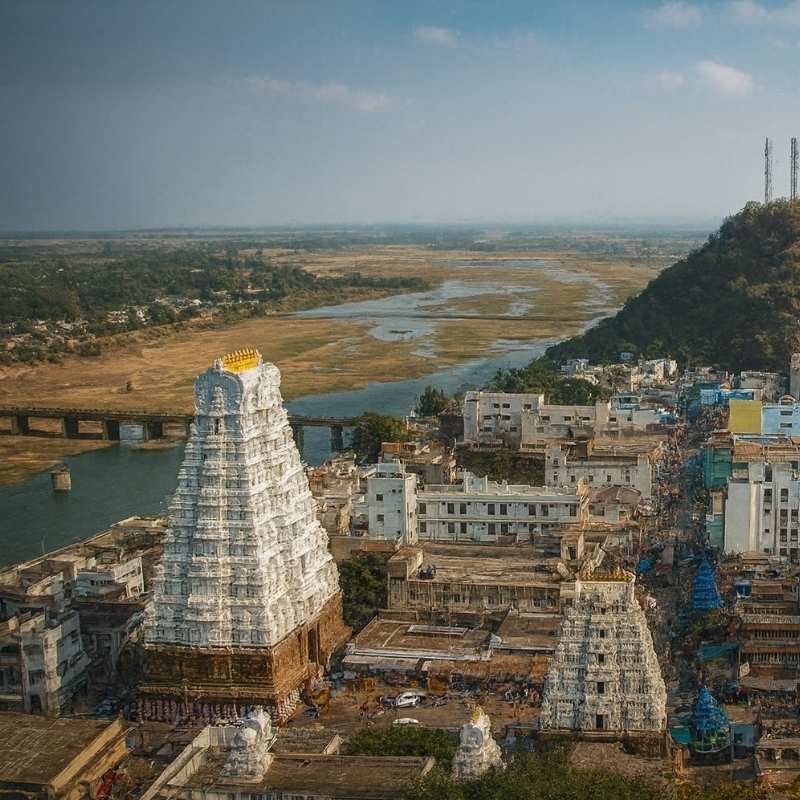
Rahu Stalam
Thirunageswaram Rahu Temple, also known as Rahu Stalam, is an ancient Shiva temple near Kumbakonam dedicated to Lord Naganatha Swamy and recognized as one of the nine Navagraha…

Tirundudevankudi Karkadeswarar Temple
Tirundudevankudi Karkadeswarar Temple is a revered Shaivite shrine in Thanjavur district, Tamil Nadu, where Lord Shiva is worshipped as Karkadeswarar—named after a legendary cra…
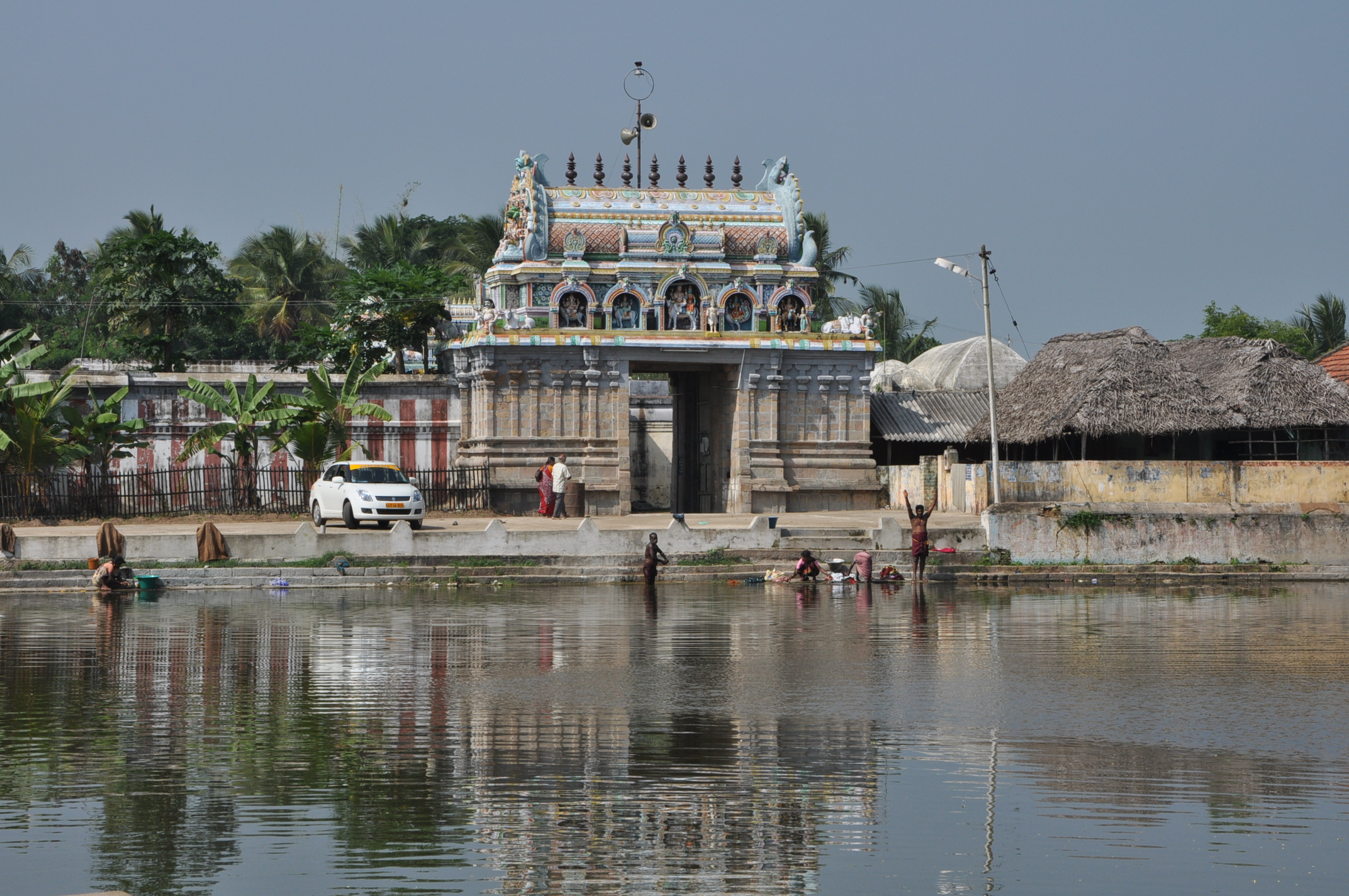
Tiruneelakkudi Neelakandeswarar Temple
Tiruneelakkudi Neelakandeswarar Temple is an ancient Shiva shrine in Thanjavur district, Tamil Nadu, revered as one of the 275 Paadal Petra Sthalams and celebrated for its uniqu…
Prananadeswarar Temple
Prananadeswarar Temple in Thirumangalakudi is an ancient Shiva shrine revered in seventh-century Tamil devotional literature and celebrated as a Paadal Petra Sthalam.