Rahu Stalam
About Rahu Stalam
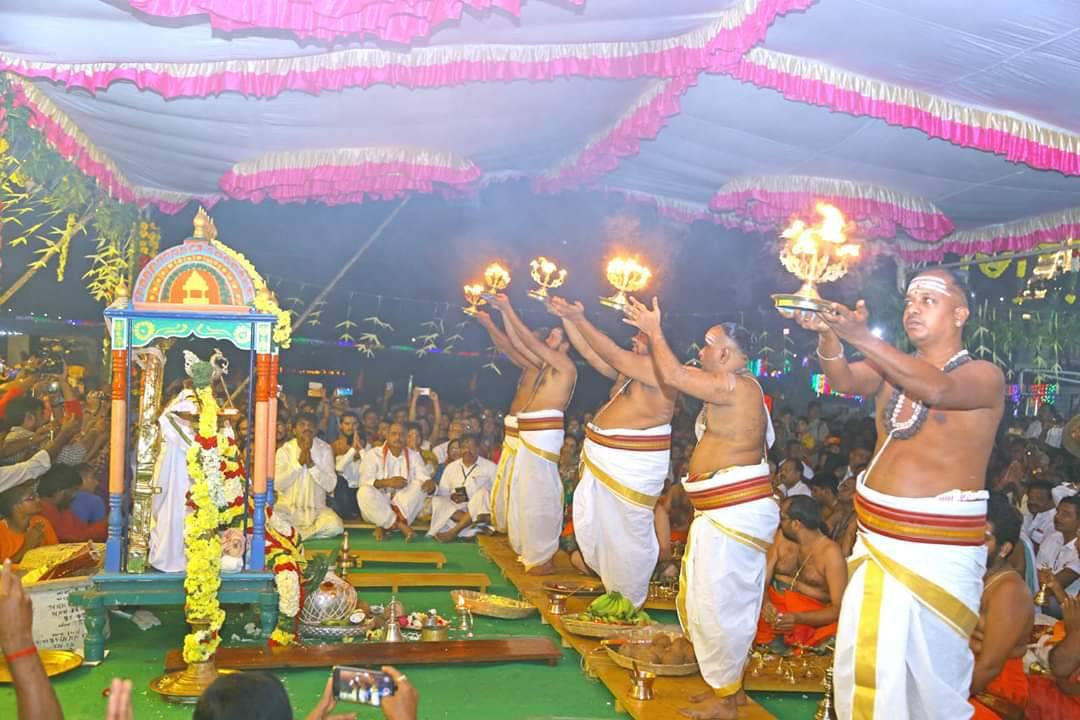
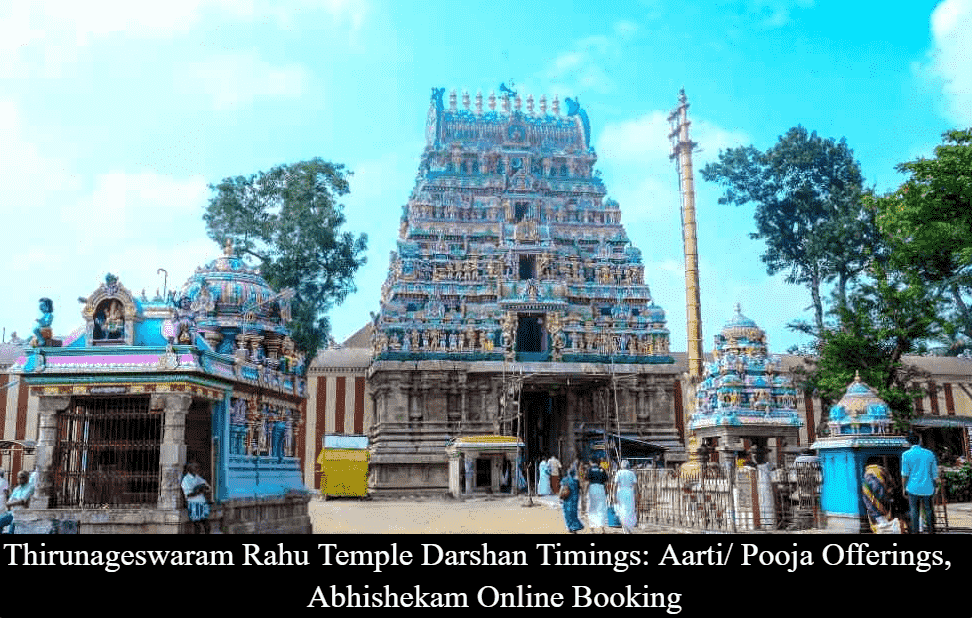
The temple maintains regular darshan hours from 06:00 to 21:00, divided into morning (06:00–13:00) and evening (16:00–21:00) sessions. Six daily rituals structure the worship cycle: Ushakala Pooja at 06:00 marks the dawn worship, followed by Kalasandhi Pooja at 08:00. Uchikkala Pooja occurs at midday (12:30), while the evening sequence begins with Sayaraksha Pooja at 16:30, continues with Irandamkala Pooja at 19:30, and concludes with Ardhajama Pooja at 20:30. These rituals follow the traditional rhythm of Shaivite temple worship, with each pooja representing a distinct moment in the deity's daily cycle.
Visitors may time their visit to coincide with any of these ceremonies, though the morning hours typically offer a quieter atmosphere for personal worship. The evening rituals draw larger congregations of local devotees.
Visiting the Temple
The temple is accessible by road from Kumbakonam, a major pilgrimage hub in Tamil Nadu. Visitors should observe standard temple etiquette: remove footwear before entering the sanctum, dress modestly (avoiding shorts and sleeveless garments), and maintain silence during active worship. Photography policies vary; it is wise to ask temple staff before taking images.
No specific information about prasadam distribution, accommodation, or other visitor facilities is documented in available sources. Visitors planning an extended stay should arrange lodging in nearby Kumbakonam, which offers hotels and guesthouses catering to pilgrims. The temple's location in rural Thanjavur District means that visiting during daylight hours and planning transport in advance is advisable.
Astrological Significance
Within Vedic astrology, Rahu represents shadow, transformation, and karmic lessons. Devotees visit temples dedicated to Rahu—particularly this one—to perform remedial rituals believed to mitigate challenging planetary influences. The worship of Rahu alongside Shiva, the supreme transformer in Hindu theology, creates a powerful symbolic alignment. Many pilgrims undertake specific poojas or vows at such temples during periods when Rahu's transit is thought to create difficulty in their natal charts.
The temple's dual focus on Shiva and the planetary principle reflects a broader Hindu practice of addressing cosmic forces through devotion and ritual rather than viewing them as purely mechanical influences.
Historical and Religious Context
The temple's mention in the Tevaram—the 7th-century collection of devotional hymns by the Nayanars—establishes its antiquity and spiritual legitimacy within Tamil Saivism. This classification as a Paadal Petra Stalam places it among temples of the highest cultural and religious significance in South India, recognized not merely as a place of worship but as a site sanctified by the presence and praise of enlightened saints.
The temple functions as both a living place of worship and a historical monument, preserving architectural and liturgical traditions that span more than a thousand years. Its continued observance of daily rituals maintains an unbroken chain of devotional practice reaching back to medieval times.
Planning Your Visit
The temple operates year-round with consistent daily hours. The morning darshan period (06:00–13:00) generally experiences lighter crowds than the evening hours, making it suitable for those seeking a more meditative experience. The specific festivals observed at the temple are not documented in available sources; visitors interested in attending major celebrations should contact the temple directly or check with local pilgrimage offices in Kumbakonam.
Bring water and wear comfortable walking shoes for the journey to and from the temple entrance. The Thanjavur District experiences significant heat; visiting during early morning or late evening hours offers greater comfort. Allow at least one to two hours for darshan and worship, longer if you wish to observe multiple rituals or perform additional poojas.
How to reach
Temples near Rahu Stalam
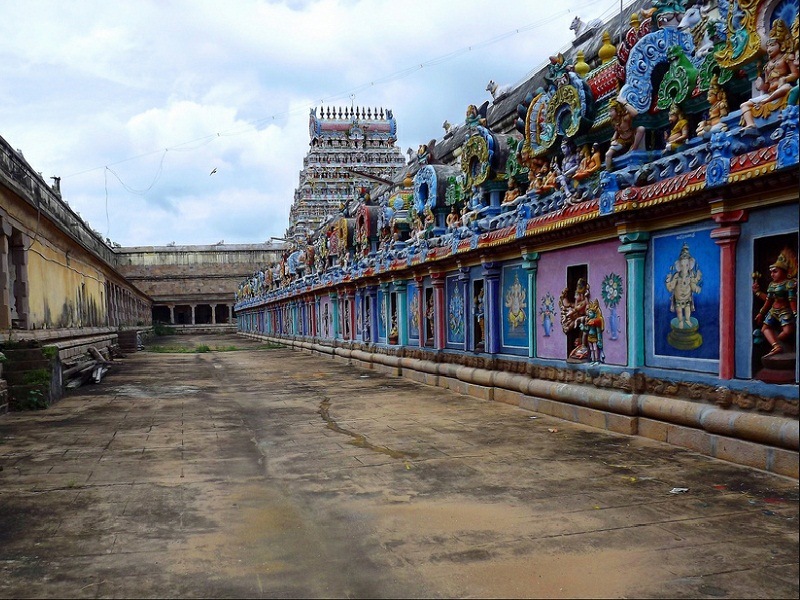
Mahalingeswarar Temple, Thiruvidaimarudur
Mahalingeswarar Temple in Thiruvidaimarudur is one of seven major Shiva temples in Tamil Nadu, revered in 7th-century Tamil Saiva scriptures and celebrated for its sacred lingam…
Thiruvidaimarudur Risipureeswarar Temple
Sri Mahalinga Swamy Temple in Thiruvidaimarudur is one of the Panchakrosha Sthalas near Kumbakonam, dedicated to Lord Shiva as the presiding deity Mahalingaswamy.
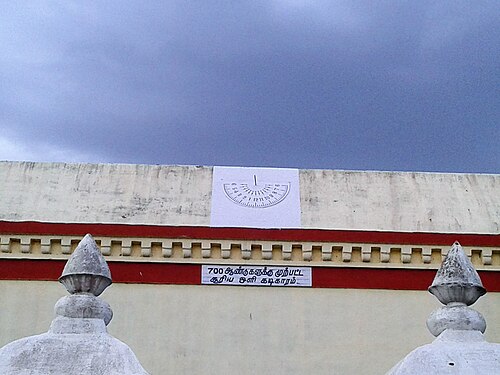
Thiruvisanallur Sivayoginathar Temple
An ancient Shiva temple in Thanjavur district revered in seventh-century Tevaram hymns, where the presiding deity Sivayoginathar is worshipped in the Kali Yuga form with the con…
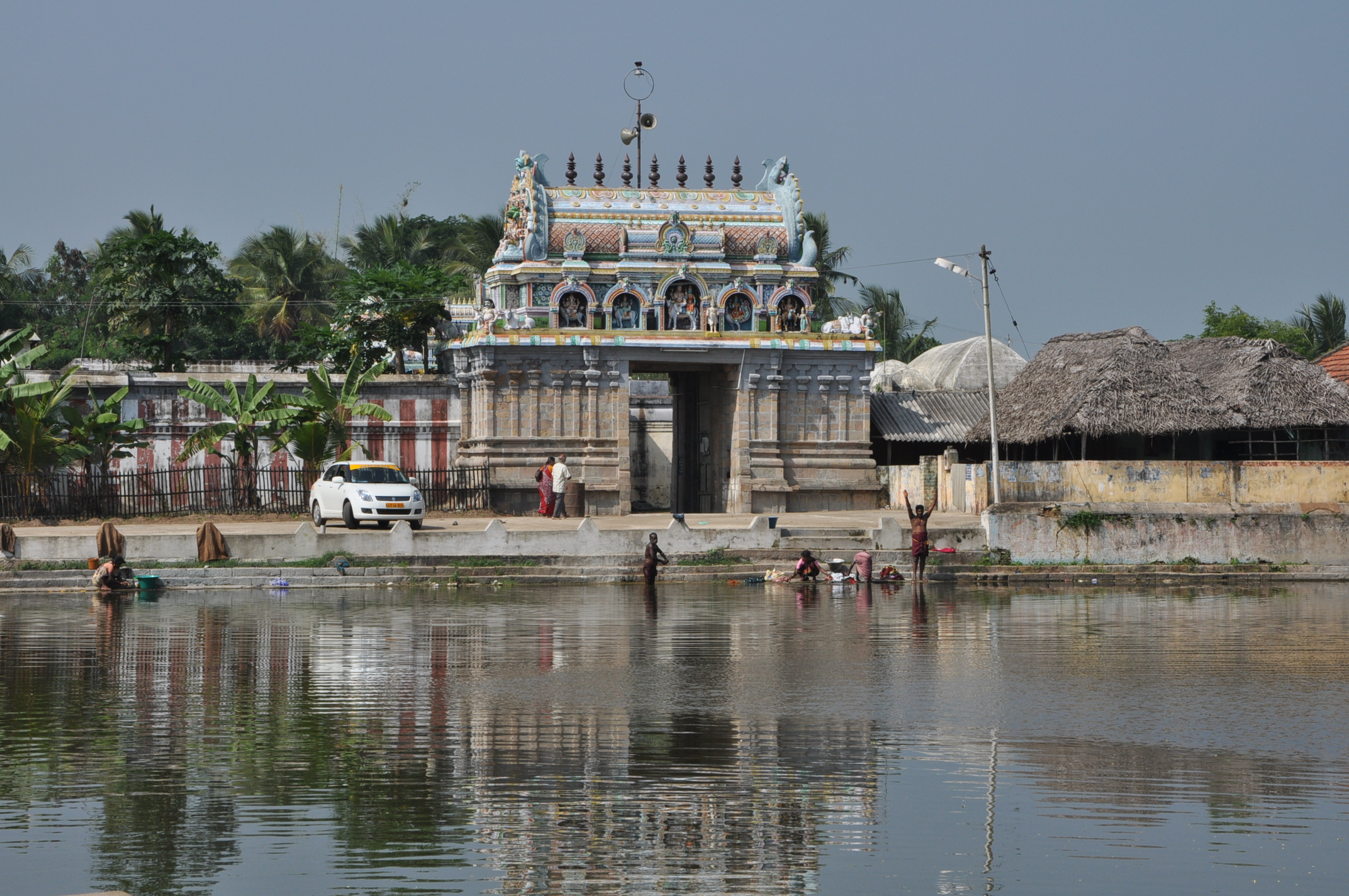
Tiruneelakkudi Neelakandeswarar Temple
Tiruneelakkudi Neelakandeswarar Temple is an ancient Shiva shrine in Thanjavur district, Tamil Nadu, revered as one of the 275 Paadal Petra Sthalams and celebrated for its uniqu…
Andankoil Swarnapureewarar Temple
Swarnapureeswarar Temple in Andankoil is a sacred Shaivite shrine revered as a place of spiritual purification, particularly associated with women's wellbeing and mentioned in t…

Tirupandurai Sivanandeswarar Temple
Sivanandeswarar Temple is an ancient Shiva shrine at Tirupandurai in Thanjavur district, Tamil Nadu, revered as one of the 275 Paadal Petra Sthalams praised in Tevaram hymns.