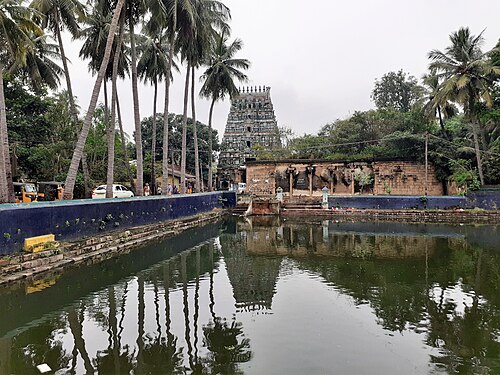
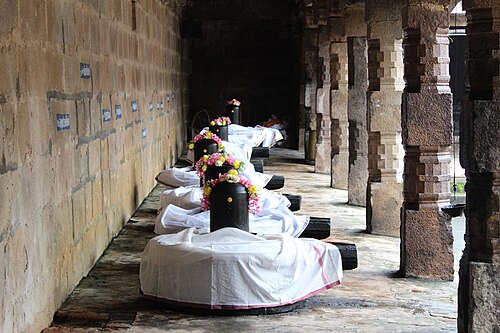
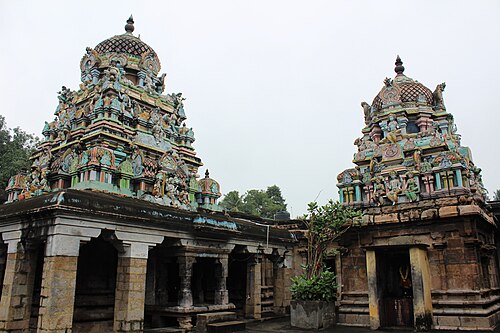
Prananadeswarar Temple
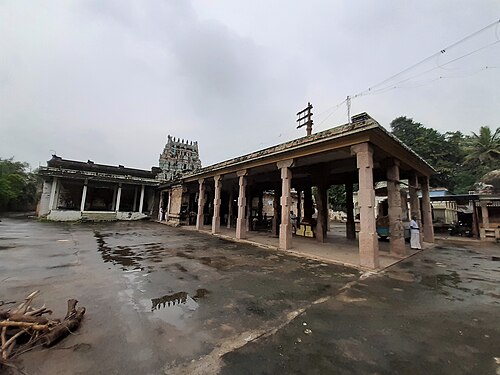
About Prananadeswarar Temple
The temple maintains regular daily rituals between 06:30 and 21:00. Devotees seeking darshan should plan visits according to these hours, keeping in mind that Tamil Nadu temples typically observe a midday closure. Early morning or late afternoon visits often provide less crowded access to the sanctum. As with most Hindu temples, modest dress is expected—shoulders and knees should be covered. Footwear must be left at designated stands before entering the temple grounds. Photography policies vary; visitors should ask permission before using cameras, particularly within inner sanctums. Some inner shrine areas may be restricted to Hindu devotees, though outer courtyards and towers generally welcome all visitors.
Festivals and Observances
The Panguni Brahmostavam festival represents the principal annual celebration at Prananadeswarar Temple. This festival, typically observed during the Tamil month of Panguni (March–April), draws devotees for special rituals and processions. However, festival dates and observances can shift based on the lunar calendar and local temple administration. Visitors planning a trip specifically for festival darshan should verify the current year's dates through local sources or the temple directly before travel, as these celebrations fill nearby accommodation quickly.
Visiting Practicalities
Prananadeswarar Temple is located at coordinates 11.02416667, 79.47055556 in Thirumangalakudi village. The nearest significant town is Kumbakonam, which serves as a base for pilgrims visiting multiple temples in the region. Hotels and rest houses are available in Kumbakonam and nearby areas, though availability tightens during festival periods. Day tours combining Prananadeswarar with other heritage and temple sites can be arranged from Kumbakonam. Before visiting, check the local panchangam (Hindu calendar) for auspicious times and festival schedules, as these significantly affect temple operations and crowds. Confirm current timings locally upon arrival, since festival days alter standard schedules.
Etiquette and Expectations
Visitors should approach the temple with the reverence appropriate to an active place of worship. The Tevaram tradition emphasizes devotion and the sacred relationship between worshipper and deity. Maintain quiet within the temple grounds, and observe any instructions from temple staff regarding movement through different areas. If participating in any ritual offerings or receiving prasadam (blessed food), follow the guidance of temple priests. Non-Hindu visitors are generally welcome in outer areas and should be respectful of restrictions on inner sanctums, which reflect the temple's living religious practice rather than exclusion.
How to reach
You may also visit
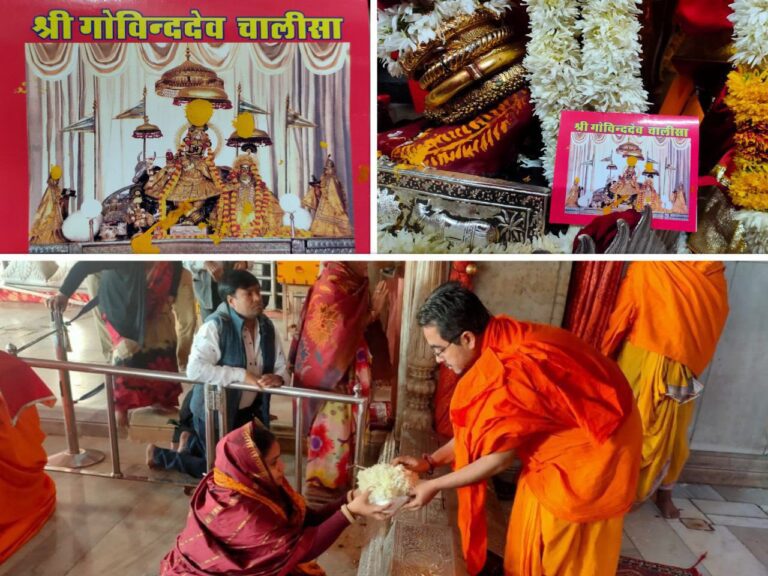
Kalyanji Temple
Kalyanji Temple in Jaipur's Chandpol Bazaar is approximately two centuries old and renowned for displaying the twenty-four avatars of Krishna, visible only twice yearly during Akha Teej and Patottsav festival.
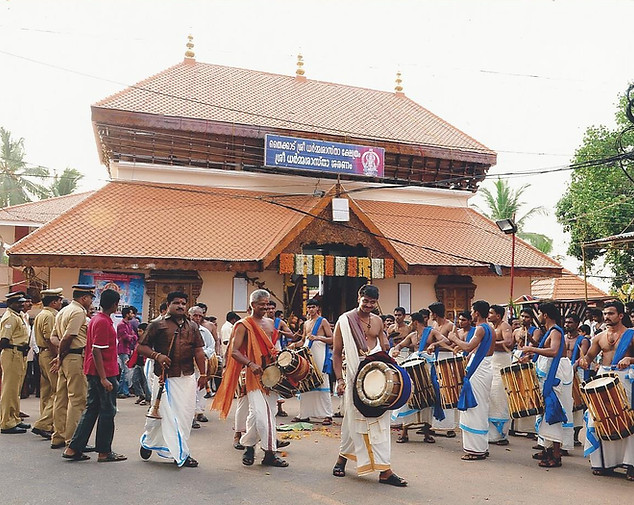
Sastha (Ayyappan) Temple
Sree Dharma Sastha Temple in Thycaud, Thiruvananthapuram, is a centuries-old shrine where the deity manifests as Dhanwanthari, the divine healer, holding the sacred blue lotus.
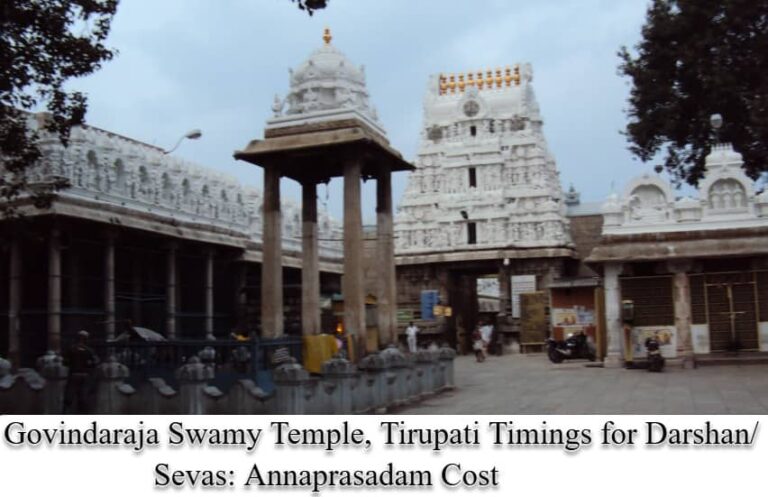
Govindarajaswamy Temple
Sri Govindarajaswamy Temple in Tirupati is an ancient Vaishnavaite shrine consecrated in 1130 AD by Saint Ramanuja, where the presiding deity rests in eternal Yoga Nidra on the serpent Adisesha.