


Srikanteshwara Temple, Nanjangud
About Srikanteshwara Temple, Nanjangud
The temple maintains two principal darshan windows each day. Morning darshan runs from 6:00 AM to 12:00 PM, while evening darshan operates from 4:00 PM to 9:00 PM. These timings allow both early risers and those visiting after daily work to access the sanctum. The temple observes morning and evening aartis—the ritual offerings of light and prayers that form the backbone of daily worship in Shiva temples. These ceremonies mark the temple's rhythm and provide focal points for collective devotion.
Visitors should confirm exact timings before arrival, as schedules may shift during festivals or seasonal observances. The extended morning window accommodates the traditional practice of visiting temples early in the day, while the evening slot serves those who prefer to worship as daylight fades.
Best Seasons for Visiting
The period from October through March represents the optimal window for visiting Nanjanagudu. During these months, the climate of Karnataka's interior is cooler and more comfortable for pilgrimage, and the monsoon rains that characterize other seasons have passed. This timeframe aligns with the broader pilgrimage calendar of South India, when many devotees undertake sacred journeys. Planning a visit during these months will provide the most pleasant experience for darshan and exploration of the temple grounds.
Practical Information for Visitors
Visitors should dress modestly when entering the temple, following the conventions observed at Shiva temples throughout India. Typically, men wear simple clothing such as dhotis or plain trousers and shirts, while women wear sarees, salwar kameez, or other traditional attire. Leather items are generally not worn inside temple sanctums. Footwear is removed before entering the inner shrine, as is standard practice.
The temple's location in Nanjanagudu, accessible from Mysuru, makes it reachable by road. Visitors arriving by vehicle will find the town connected to regional transport networks. Those wishing to arrange formal darshan, special pujas, or assistance with temple protocols can contact temple coordinators in advance to ensure a smooth visit. The temple's significance as a pilgrimage site means that facilities for basic needs exist in the surrounding town, though visitors should not assume extensive amenities and should plan accordingly.
The Sacred Geography of Nanjanagudu
Nanjanagudu's designation as Dakshina Kashi places it within a tradition of sacred geography that extends across the Hindu world. Just as Kashi in North India is revered as the ultimate pilgrimage destination and a place of liberation, the southern equivalent carries similar spiritual weight for devotees of that region. This classification suggests that the temple and town have functioned historically as a destination for those seeking the blessings of Shiva without undertaking the longer journey to the Ganges valley.
The Kapila River, though smaller than the great rivers of North India, serves as the sacred waterway of this landscape. Bathing in its waters before or after darshan forms part of the traditional pilgrimage experience, connecting the physical act of worship to the natural world.
Approaching the Temple
Visitors to Srikanteshwara should approach their pilgrimage with the understanding that this is an active place of worship, not a museum. The temple serves the spiritual needs of local devotees and pilgrims year-round. Respectful behavior—maintaining silence in the sanctum, following the directions of temple staff, and participating in rituals only when invited—ensures a harmonious visit for all present.
Those unfamiliar with temple protocols may observe other devotees to understand the flow of darshan and the appropriate moments for circumambulation or prayer. Many temples of this tradition welcome sincere visitors regardless of background, though the primary purpose remains the worship of the deity by the faithful.
How to reach


Temples near Srikanteshwara Temple, Nanjangud
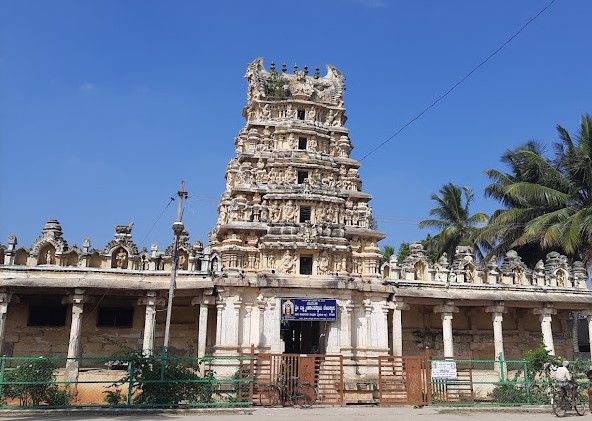
Lakshmikanta Temple, Kalale
The Lakshmikanta Temple in Kalale is a Vaishnava shrine dating to the early 18th century, built in classical Dravidian architectural style and protected as a heritage monument b…
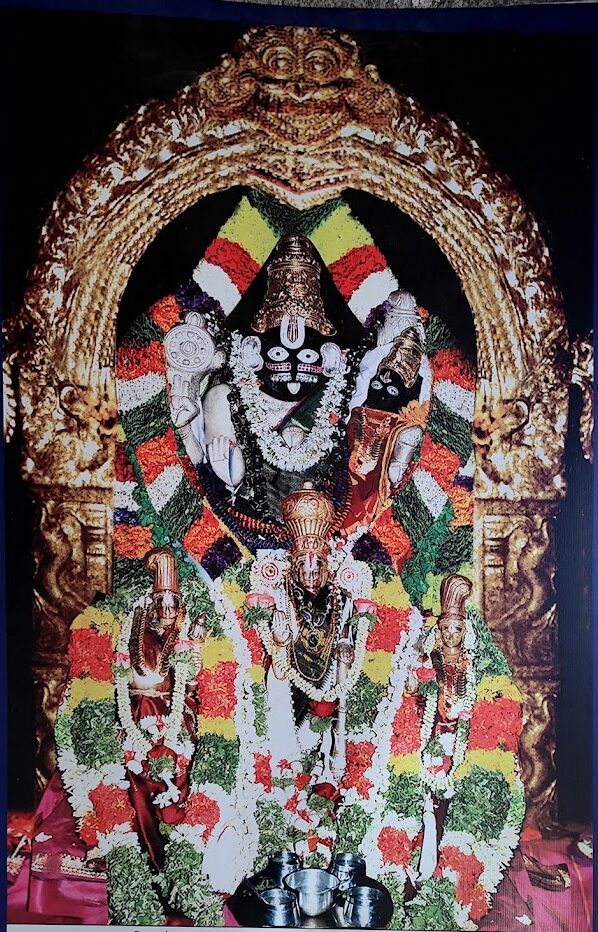
Gunja Narasimha Swamy Temple, Thirumakudalu Narasipura
The Gunja Narasimha Swamy Temple in Tirumakudalu Narasipura is a 16th-century Vijayanagara-era shrine dedicated to Lord Narasimha, situated at the sacred confluence of the Kaver…

Nimishambha
Shri Nimishambha Devi Temple in Srirangapatna, Karnataka, is a riverside Shakti shrine dedicated to Goddess Nimishamba (an aspect of Parvati), revered among devotees for grantin…

Arakeshvara Templa
The Arakeshvara Temple in Hole Alur, Karnataka, is a 10th-century Shiva shrine built by Western Ganga king Butuga II around 949 CE to commemorate his victory over the Cholas at…

Venugopala Swamy Temple
The Venugopala Swamy Temple at Hosa Kannambadi showcases 12th-century Hoysala architecture dedicated to Lord Krishna in his form as the divine flute player. Originally submerged…
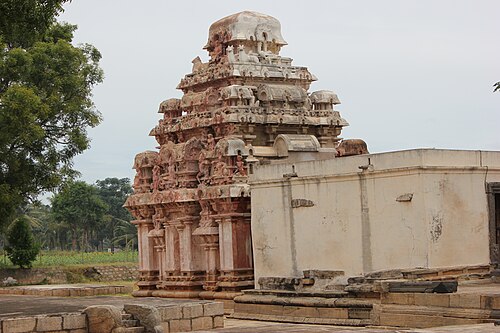
Ramesvara Temple, Narasamangala
The Rameshvara Temple in Narasamangala, Chamarajanagar district, is a 9th-century shrine dedicated to Shiva, constructed during the Western Ganga Dynasty and recognized as a Mon…