
Ramesvara Temple, Narasamangala
About Ramesvara Temple, Narasamangala
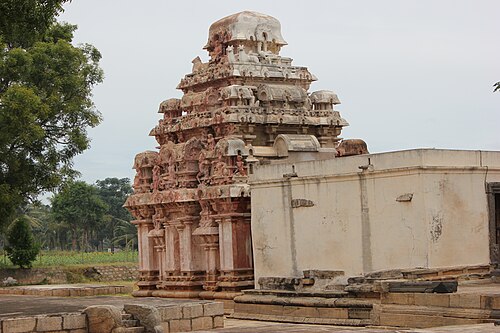
The Rameshvara Temple exemplifies Dravidian architectural principles adapted in brick and stucco—materials that distinguish it from stone-built contemporaries. The central shrine tower, or vimana, rises eleven meters above a two-meter-high platform of molded stone (adhishthana), creating a vertical emphasis characteristic of South Indian temple design. The internal layout follows a traditional arrangement: the sanctum (garbhagriha) forms the innermost sacred chamber, connected to a narrow inner hall (ardhamantapa) and a larger assembly hall (mahamantapa). This progression from intimate to expansive spaces guides the devotee's movement through the temple.
The sculptural program includes representations of Nataraj, the dancing form of Shiva, and the saptamatrikas—the seven mother goddesses revered across Hindu traditions. These carvings, executed in the brick and stucco medium, demonstrate the artisans' skill in working with materials less durable than stone, yet capable of conveying religious meaning and aesthetic refinement.
The Deity and Worship
The temple is dedicated to Rameshvara, a form associated with Shiva. Temples bearing this name typically honor Shiva in his manifestation connected to the sacred geography of pilgrimage sites, though the specific theological emphasis at Narasamangala remains undocumented in available sources. Devotees approach the sanctum through the prescribed sequence of halls, with worship focused on the central shrine where the deity is enshrined.
Visiting the Temple
Narasamangala lies in Chamarajanagar District in southern Karnataka, accessible by road from the district headquarters. The temple's exact opening hours and darshan timings are not specified in available sources; visitors should confirm current arrangements locally or through the temple administration before planning their visit. As with most Hindu temples, modest dress is expected—covering shoulders and knees is standard practice. Shoes are typically removed before entering the inner sanctum, and photography policies should be clarified upon arrival.
The temple remains an active place of worship, and visitors should be respectful of ongoing rituals and the devotional space. The brick and stucco construction, while architecturally distinctive, requires careful preservation; visitors are asked to avoid touching sculptures or structural elements unnecessarily.
Architectural Significance
The Rameshvara Temple represents an important regional variation in medieval South Indian temple design. The use of brick and stucco for the superstructure, rather than the stone construction more commonly documented, reflects local material availability and construction traditions in the Chamarajanagar area. This technique allowed builders to achieve the characteristic Dravidian tower form while working within practical constraints. The temple's survival across more than a millennium testifies to both the durability of these materials when properly maintained and the community's commitment to preserving the structure.
Reaching Narasamangala
The town of Narasamangala is located in Chamarajanagar District at coordinates 11.80334203, 76.85936202. The district is served by road connections to larger towns in the region. Visitors traveling from Bangalore or other major centers should plan their route via Chamarajanagar town. Local inquiry upon arrival will help identify the temple's precise location within Narasamangala and current access arrangements. The rural setting of the temple means that advance planning regarding transportation and local facilities is advisable.
How to reach
Temples near Ramesvara Temple, Narasamangala

Arakeshvara Templa
The Arakeshvara Temple in Hole Alur, Karnataka, is a 10th-century Shiva shrine built by Western Ganga king Butuga II around 949 CE to commemorate his victory over the Cholas at…
Lakshmikanta Temple, Kalale
The Lakshmikanta Temple in Kalale is a Vaishnava shrine dating to the early 18th century, built in classical Dravidian architectural style and protected as a heritage monument b…
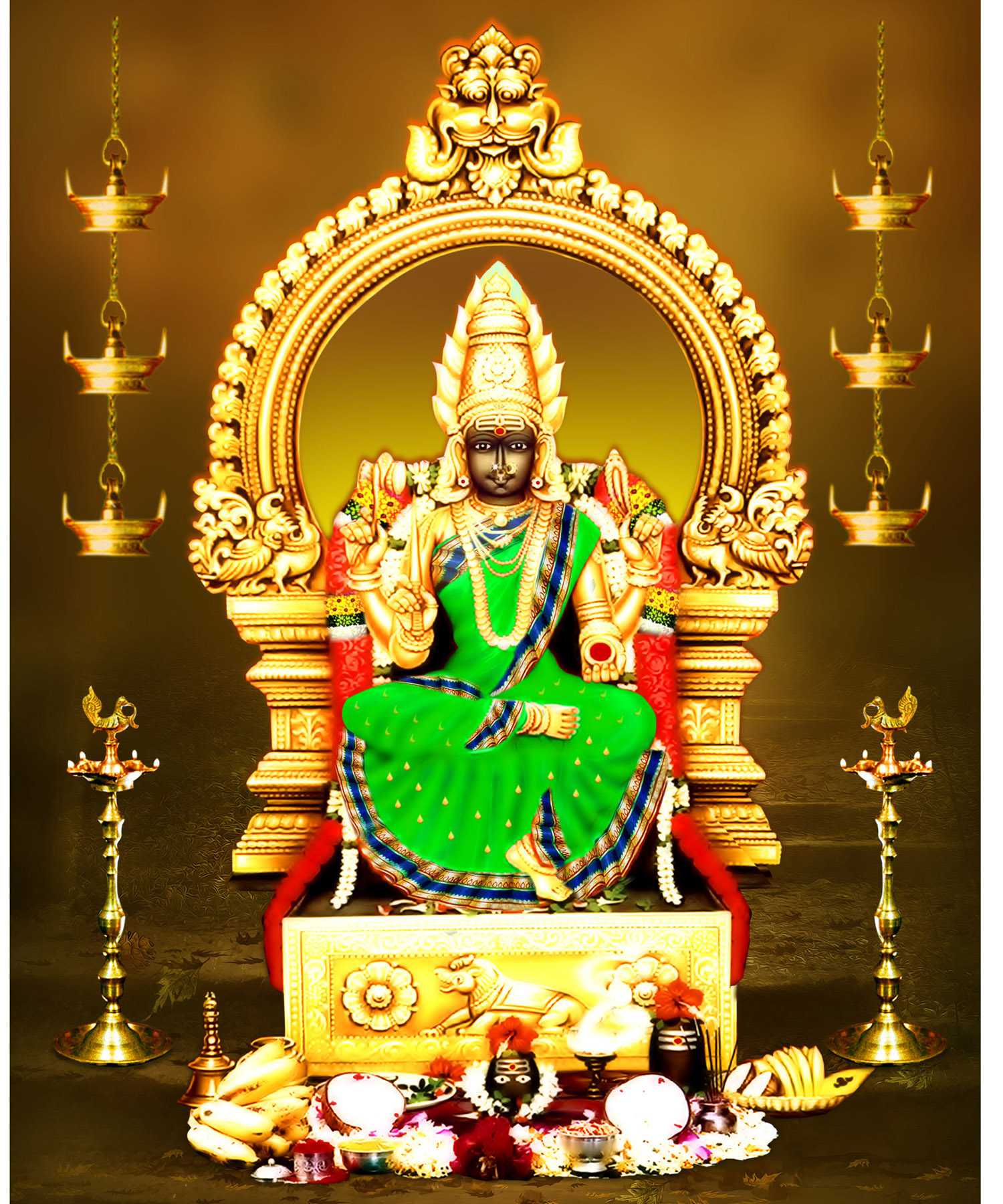
Bannari Amman Temple
Arulmigu Bannari Mariamman Temple is a self-manifested goddess shrine located in Bannari, Erode district, Tamil Nadu, drawing devotees from across Tamil Nadu and Karnataka.
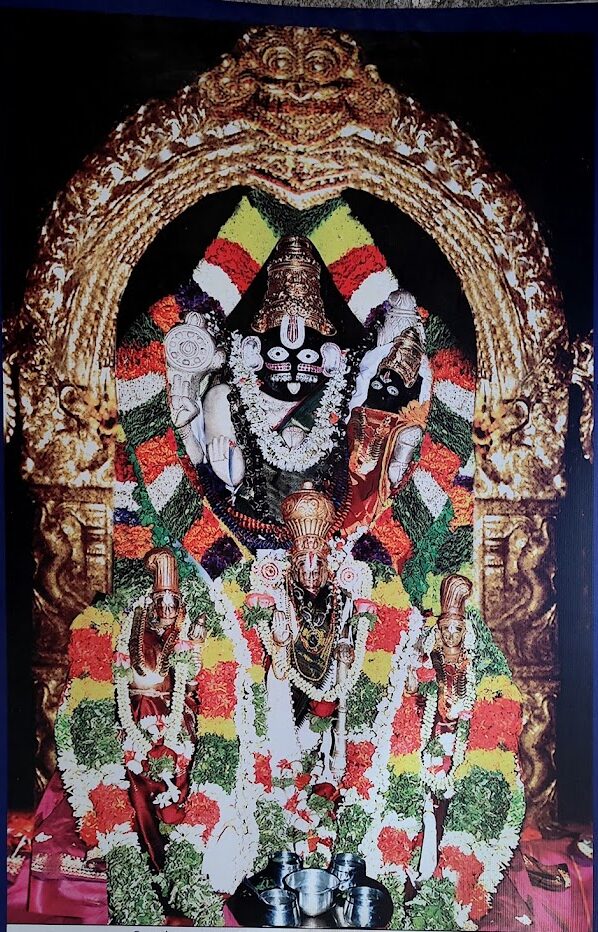
Gunja Narasimha Swamy Temple, Thirumakudalu Narasipura
The Gunja Narasimha Swamy Temple in Tirumakudalu Narasipura is a 16th-century Vijayanagara-era shrine dedicated to Lord Narasimha, situated at the sacred confluence of the Kaver…
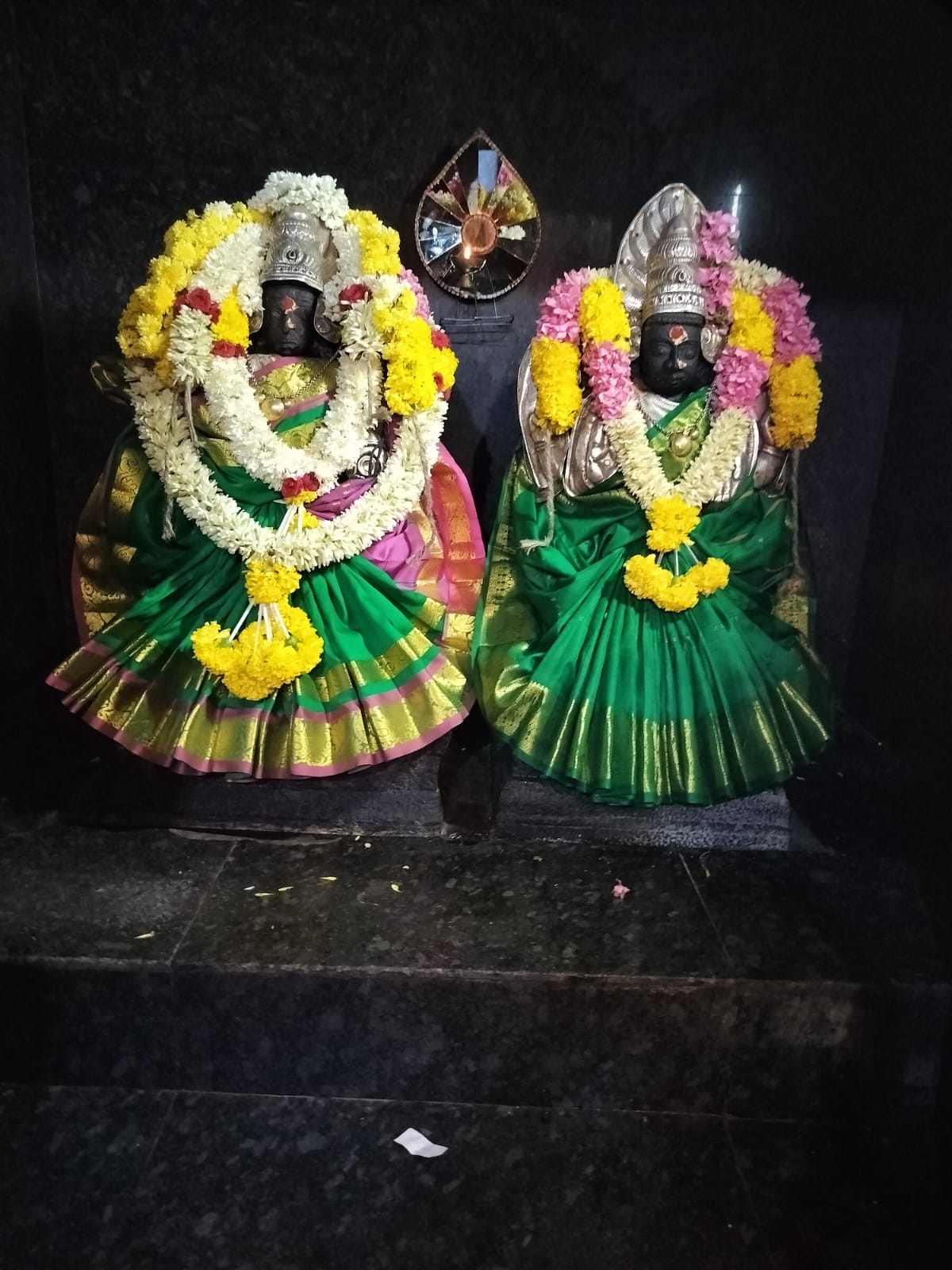
Mariamman temple, Ooty
The Mariamman Temple in Ooty is a community shrine dedicated to the Hindu goddess Mariamman, revered as the deity of rain, health, and fertility in Tamil Nadu's Nilgiri region.
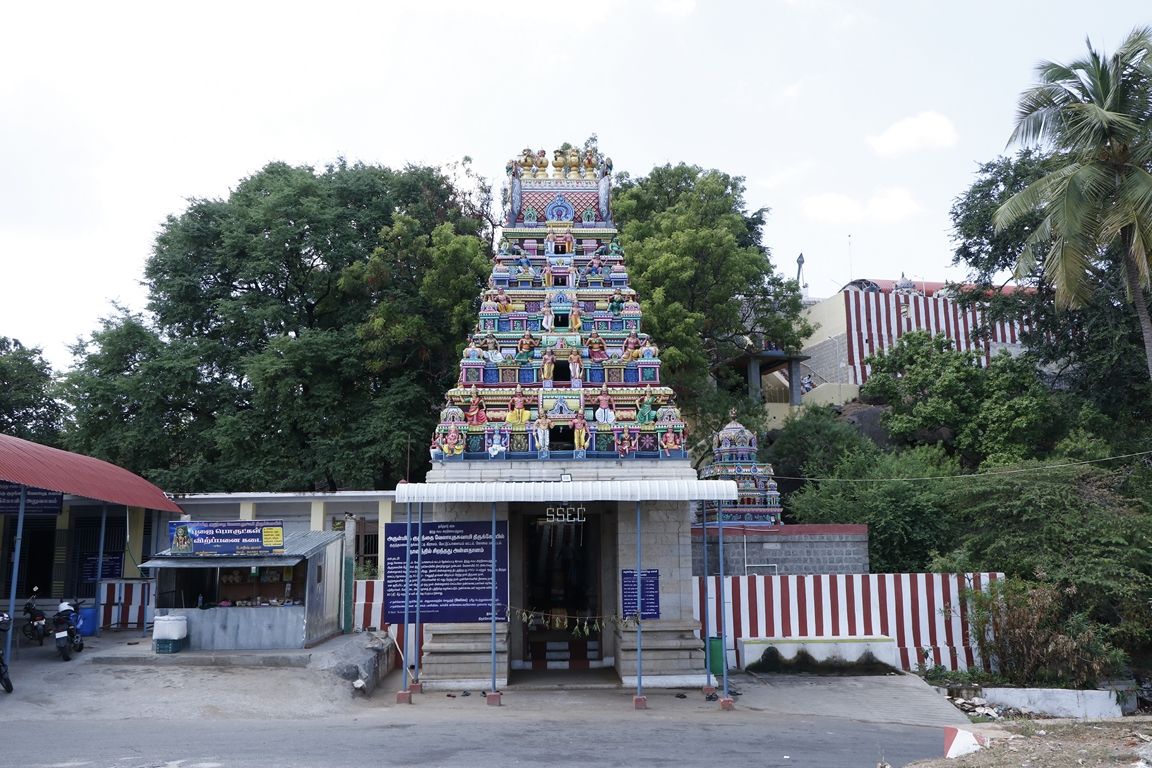
Kurunthamalai Kulandhai Velaayutha Swami Temple
Arulmigu Kulanthai Velayudhasamy Temple in Kurunthamalai, Coimbatore, is a historic shrine dedicated to Lord Murugan, revered for its spiritual significance and traditional arch…