


Arakeshvara Templa
About Arakeshvara Templa
The temple dates to around 949 CE, constructed during the reign of King Butuga II of the Western Ganga Dynasty. According to historical records, the temple was built to commemorate a significant military victory: the battle of Takkolam, in which Butuga II's forces defeated the Cholas of Tanjore. This engagement involved the Chola crown prince Rajaditya, son of King Parantaka I. The temple thus carries historical weight beyond its religious function, marking a moment of dynastic importance in the medieval Deccan. The Archaeological Survey of India recognises the Arakeshvara Temple as a monument of national importance, affording it protected status.
The Temple's Age and Later Modifications
As a structure now over a thousand years old, the temple has undergone renovation and modification across the centuries. Historian Sarma notes that while the temple originates in the middle of the 10th century, later periods saw significant work undertaken on the building. This layering of construction across time is common in South Indian temples, where structures are maintained, repaired, and sometimes substantially rebuilt while retaining their original sacred purpose and orientation. Visitors encountering the temple today encounter both its medieval foundations and the accumulated care of subsequent generations.
Daily Worship and Darshan
The temple maintains regular timings for worship, structured around the daily ritual cycle typical of Shiva temples in the region. Abhishekam, the ceremonial bathing of the deity's image, forms a central element of daily practice, accompanied by offerings and designated periods when devotees may enter the sanctum for darshan. The day's rhythm is marked by aarti—the ritual of light that typically punctuates significant moments in the worship cycle. However, these timings may shift seasonally or on festival days. Visitors should contact the temple directly before travelling to confirm current darshan hours and aarti timings, as schedules can vary and such confirmation ensures arrival at a time suited to your visit.
Festivals Throughout the Year
The temple observes several festivals that draw devotees and transform the sacred space with heightened decoration and activity. Ganesh Chaturthi, Diwali, and Ram Navami are among the major celebrations observed. The temple calendar also includes Hanuman Jayanti on 1 April, which celebrates the birth of Hanuman; Makar Sankranti on 14 January, a harvest festival marking the sun's astronomical transition; and Guru Purnima on 29 July, which honours spiritual teachers and guides. Festival periods represent the most visually elaborate times to visit, when the temple's decorations are most extensive. However, they also draw larger crowds, so visitors should weigh the appeal of heightened ceremony and decoration against their preference for a quieter experience.
Practical Information for Visitors
The temple is located at coordinates 11.9681°N, 76.9878°E in Hole Alur village, Chamarajanagar district, Karnataka. Before planning your visit, contact the temple to confirm current opening hours, darshan timings, and any specific protocols for entry or worship. As with most Hindu temples, modest dress is customary—covering shoulders and knees is standard practice. The temple is protected as an ASI monument, which means it is maintained under archaeological oversight. Visitors should be prepared for the possibility that the site may have specific rules regarding photography or access to certain areas, and should inquire about these when confirming timings.
Getting There
Hole Alur village is situated in the Chamarajanagar district of southern Karnataka. The nearest major city is Chamarajanagar itself. Visitors should plan their route using local transport options or private vehicles, and should allow time for travel from larger towns or cities in the region. The temple's location in a village setting means that facilities may be limited compared to urban temples, so visitors should plan accordingly for refreshments and other needs.
How to reach
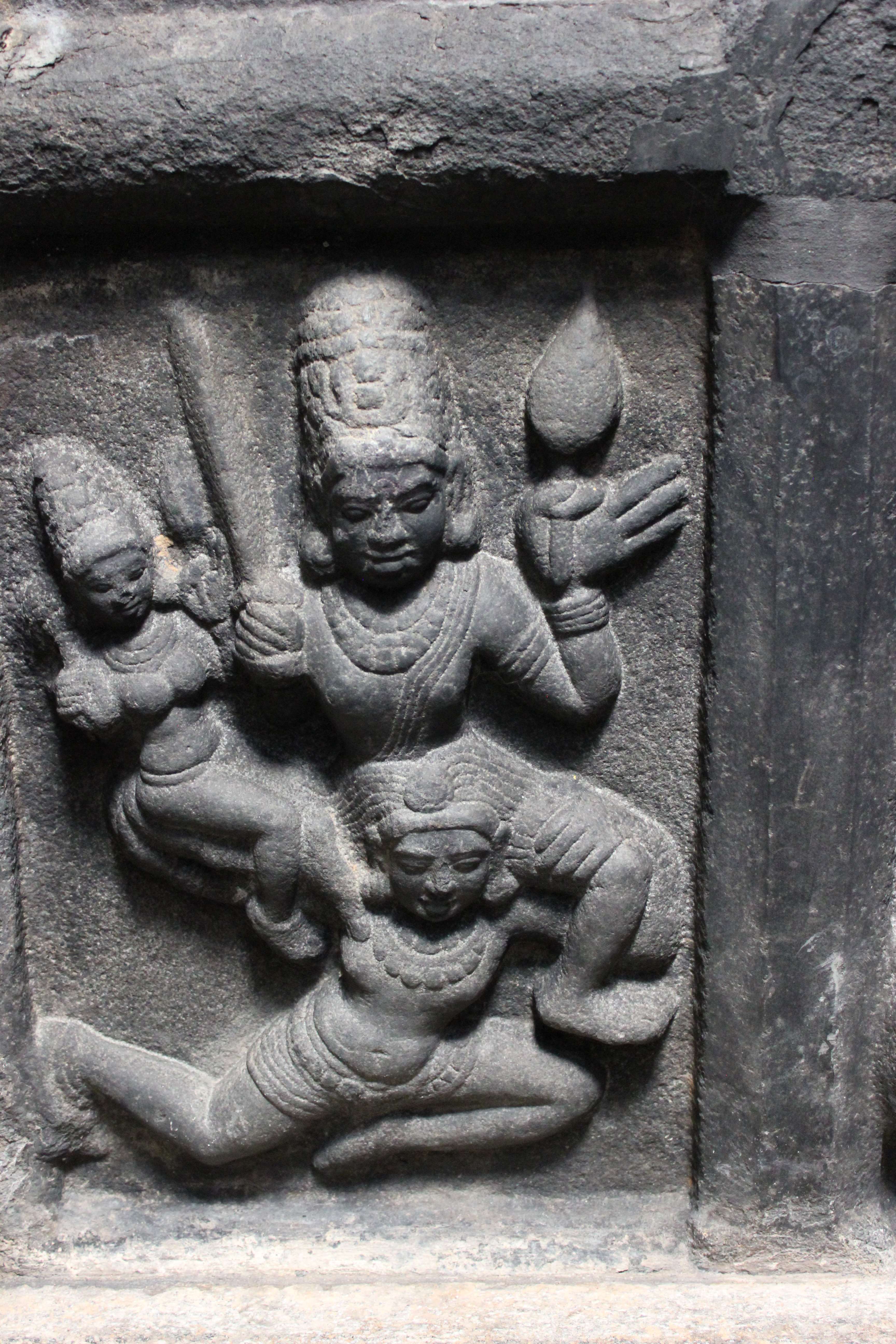
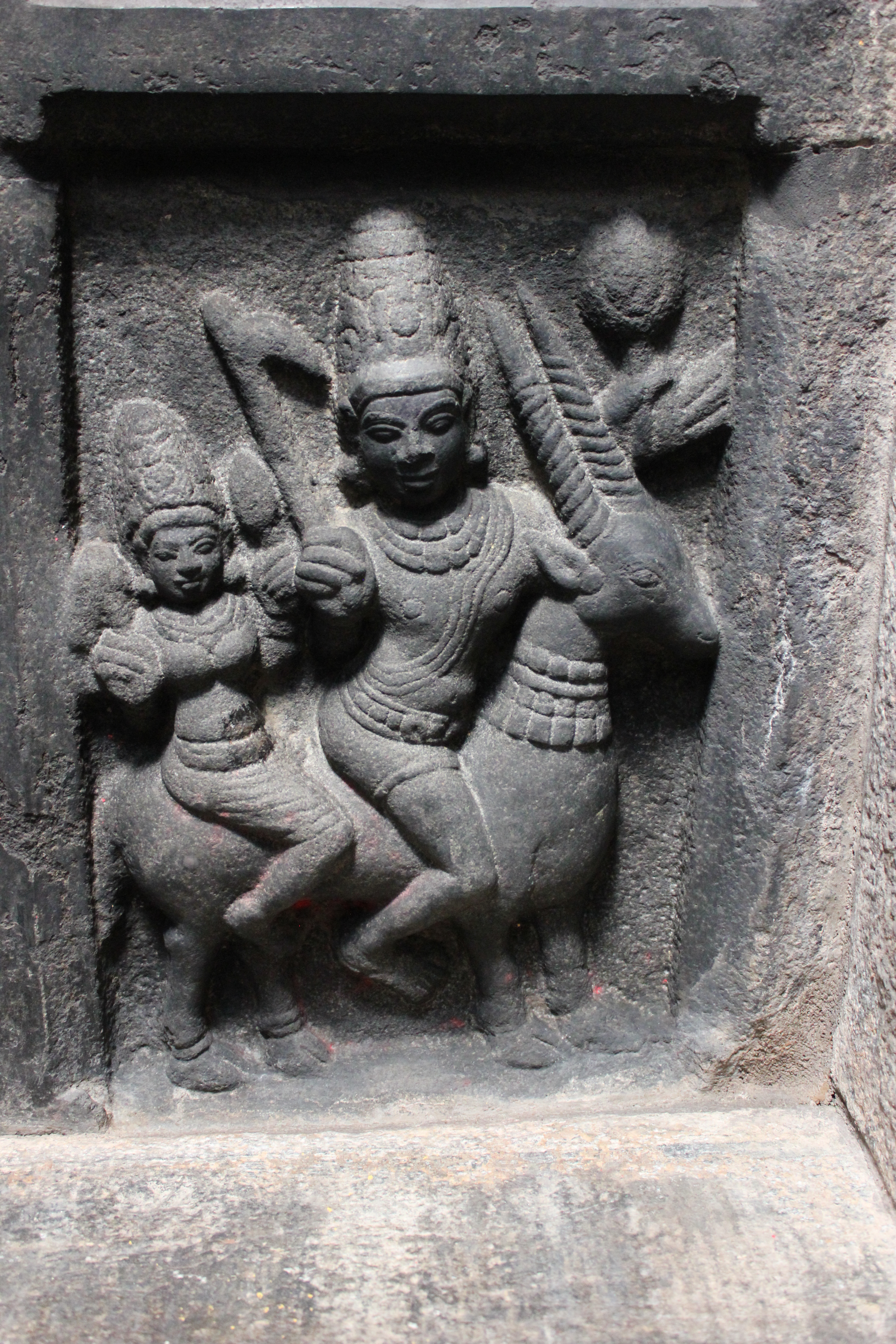
Temples near Arakeshvara Templa
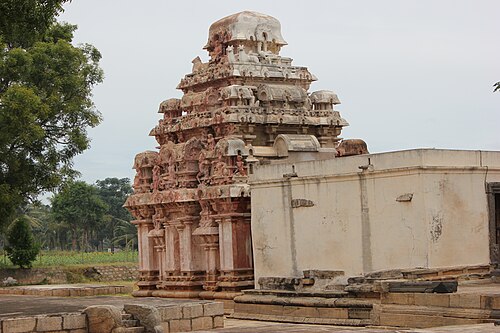
Ramesvara Temple, Narasamangala
The Rameshvara Temple in Narasamangala, Chamarajanagar district, is a 9th-century shrine dedicated to Shiva, constructed during the Western Ganga Dynasty and recognized as a Mon…
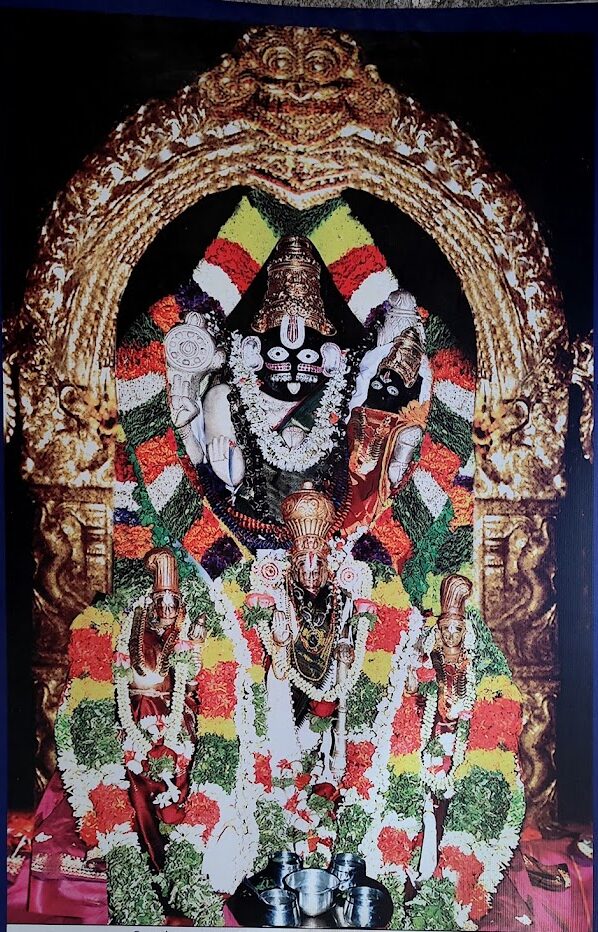
Gunja Narasimha Swamy Temple, Thirumakudalu Narasipura
The Gunja Narasimha Swamy Temple in Tirumakudalu Narasipura is a 16th-century Vijayanagara-era shrine dedicated to Lord Narasimha, situated at the sacred confluence of the Kaver…
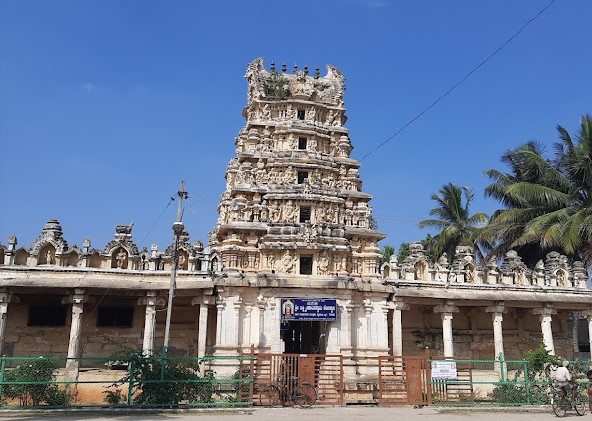
Lakshmikanta Temple, Kalale
The Lakshmikanta Temple in Kalale is a Vaishnava shrine dating to the early 18th century, built in classical Dravidian architectural style and protected as a heritage monument b…
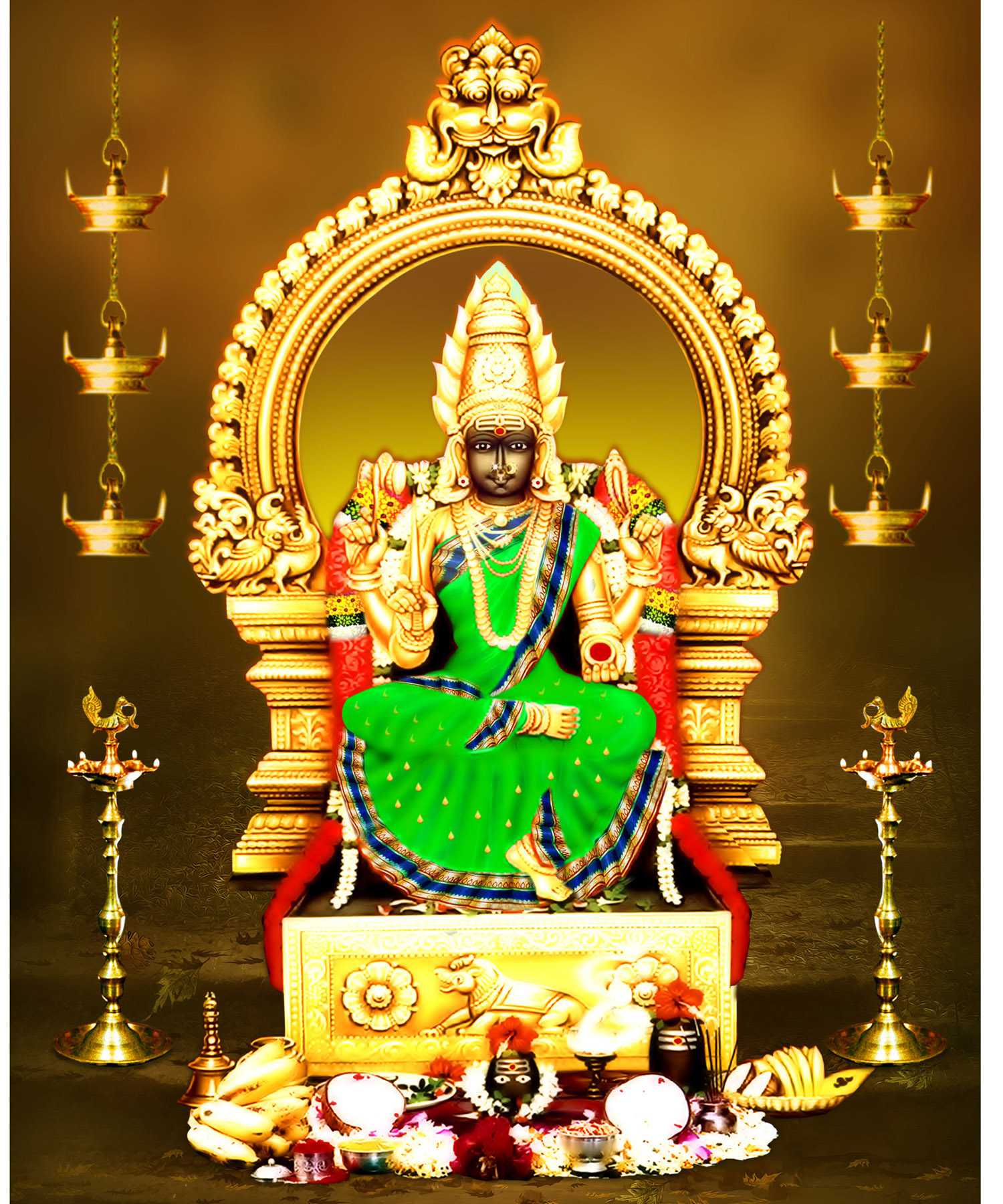
Bannari Amman Temple
Arulmigu Bannari Mariamman Temple is a self-manifested goddess shrine located in Bannari, Erode district, Tamil Nadu, drawing devotees from across Tamil Nadu and Karnataka.

Nimishambha
Shri Nimishambha Devi Temple in Srirangapatna, Karnataka, is a riverside Shakti shrine dedicated to Goddess Nimishamba (an aspect of Parvati), revered among devotees for grantin…
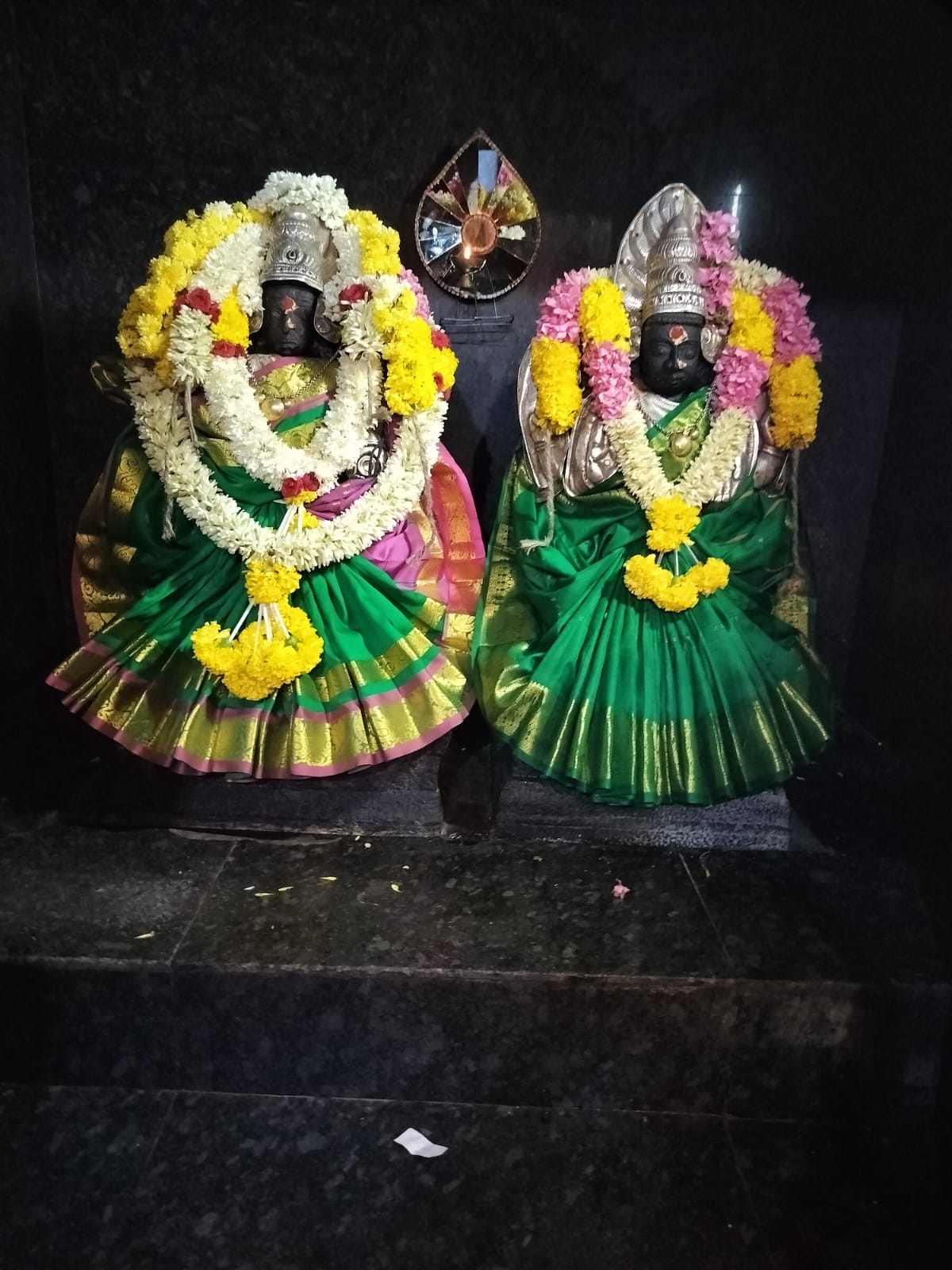
Mariamman temple, Ooty
The Mariamman Temple in Ooty is a community shrine dedicated to the Hindu goddess Mariamman, revered as the deity of rain, health, and fertility in Tamil Nadu's Nilgiri region.