Shri Dev Rameshwar Temple
About Shri Dev Rameshwar Temple
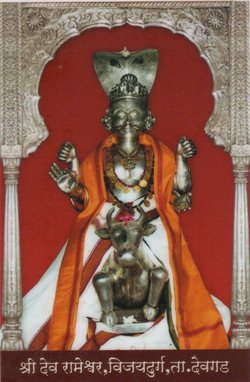
At the heart of the temple rests a four-armed silver idol seated upon a bull, Shiva's traditional mount. Crafted from solid silver and reportedly weighing approximately one hundred kilograms, the idol depicts Shiva in a meditative posture that reflects classical iconographic representations of the deity. The four arms and seated position convey Shiva's cosmic and contemplative aspects. The use of precious metal for the primary deity image underscores the temple's historical importance and the devotion of its patrons. The idol remains in good condition, a result of careful preservation and maintenance by successive generations of temple custodians.
Rock-Cut Architecture and Approach
The temple's most distinctive feature is its approach: a passage approximately 250 yards in length cut directly through rock to a depth of fifty feet. This engineering accomplishment, dating to the temple's 16th-century origins, creates a dramatic and physically demanding entry to the shrine. The rock-cut passage is a testament to the effort invested in establishing this place of worship and remains the primary means of access to the temple. Visitors should be prepared for this physical requirement when planning a visit.
Daily Worship and Darshan
The temple remains open for darshan throughout the day and night. Temples dedicated to Shiva typically observe worship cycles centered on early morning and evening hours, when devotees gather for darshan—the viewing of the deity. These times are considered particularly auspicious for worship and meditation. Visitors should dress modestly, covering shoulders and knees, as is customary in Hindu temples. Footwear is generally removed before entering the inner sanctum. The temple functions as an active place of worship, and visitors should conduct themselves respectfully within the sacred space.
Festivals and Observances
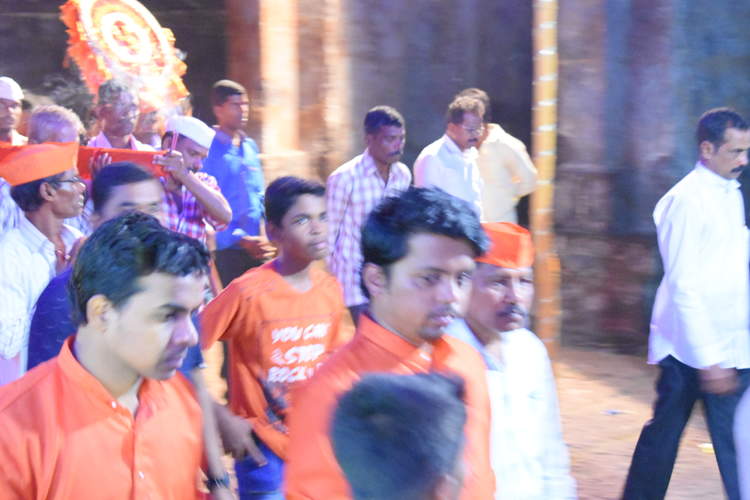
The temple observes several significant festivals throughout the year. Sharad Navaratri, the nine-night festival honoring the Goddess, draws devotees during autumn months. Diwali, the festival of lights, is celebrated with special observances and decoration. Ganesh Chaturthi, the ten-day festival honoring Ganesh, is also marked at the temple. During these festival periods, the temple is typically more elaborately decorated and busier with worshippers. Festival dates and special rituals may vary from year to year; it is advisable to confirm specific timings with the temple before traveling.
Practical Information for Visitors
The temple is located in Rameshwar Wadi village within Devgad taluka of Sindhudurg District, at coordinates 16.074444° N, 73.668611° E. The site's rural location in the Konkan region requires careful journey planning. The rock-cut passage should be navigated carefully, particularly during monsoon season when moisture may affect footing and safety. Those with mobility limitations should consider the physical demands of the approach before planning a visit. The temple office can be contacted at +91-9421543773 for inquiries regarding access, timings, or current conditions. As a functioning place of worship, the temple's schedule and accessibility may vary; local inquiry before traveling is advisable.
Temple Administration and Stewardship
The temple is managed by multiple committees dedicated to its maintenance and restoration. The Shri Dev Rameshwar Devasthan Vishwasta Mandal oversees day-to-day temple operations, while the Shri Dev Rameshwar Jirnodhhar Samiti focuses on restoration and preservation efforts. These administrative bodies work to ensure the temple's upkeep and the continuation of worship practices. The involvement of organized committees reflects the temple's status as a significant heritage and religious site requiring coordinated stewardship.
How to reach
Temples near Shri Dev Rameshwar Temple

Shree Kaleshwara Temple
Sri Kaleshwara Mukteshwara Swamy Temple is a significant Shaiva shrine located at the sacred confluence of the Godavari and Pranahita rivers in Telangana, uniquely housing two S…
Ganapati Temple, Redi
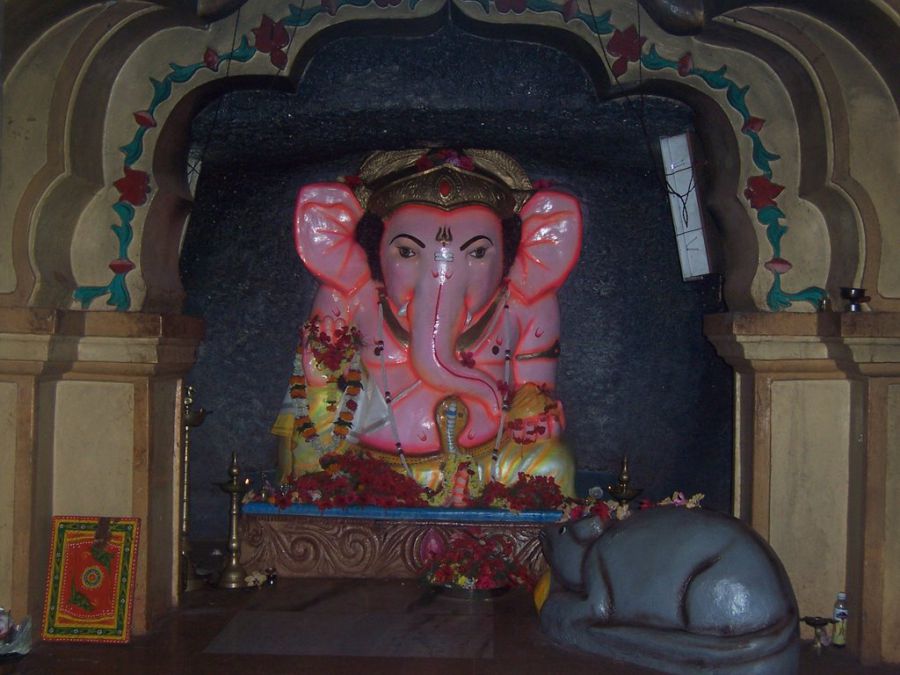
The Ganapati Temple at Redi houses a rare two-handed idol of Lord Ganesha discovered in 1976 during mining operations, following a local devotee's divine dream.
Shantadurga Kalangutkarin Temple
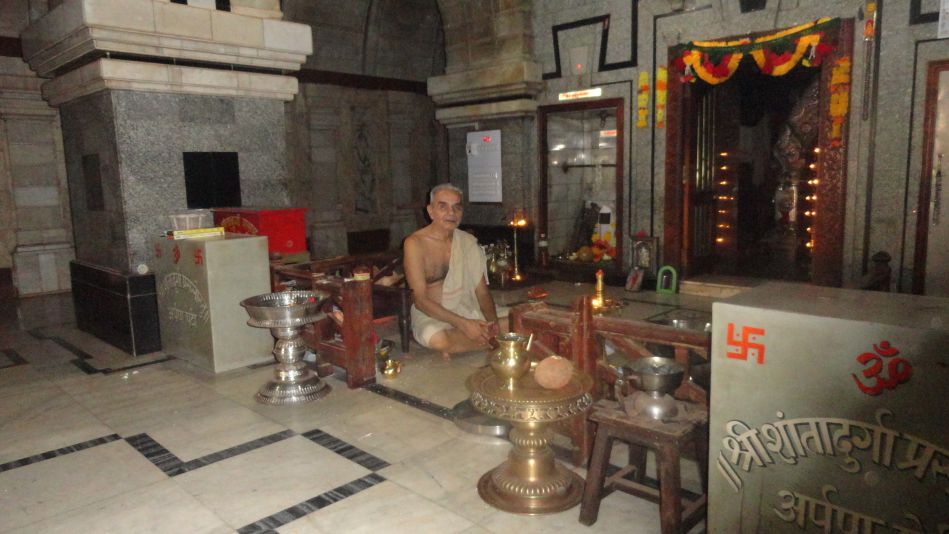
Shantadurga Kalangutkarin Temple in Nanoda village, Bicholim taluka, Goa, is a 17th-century Hindu shrine dedicated to the goddess Shantadurga worshipped in her Vishweshwari form…
Shri Aday Durgay Temple
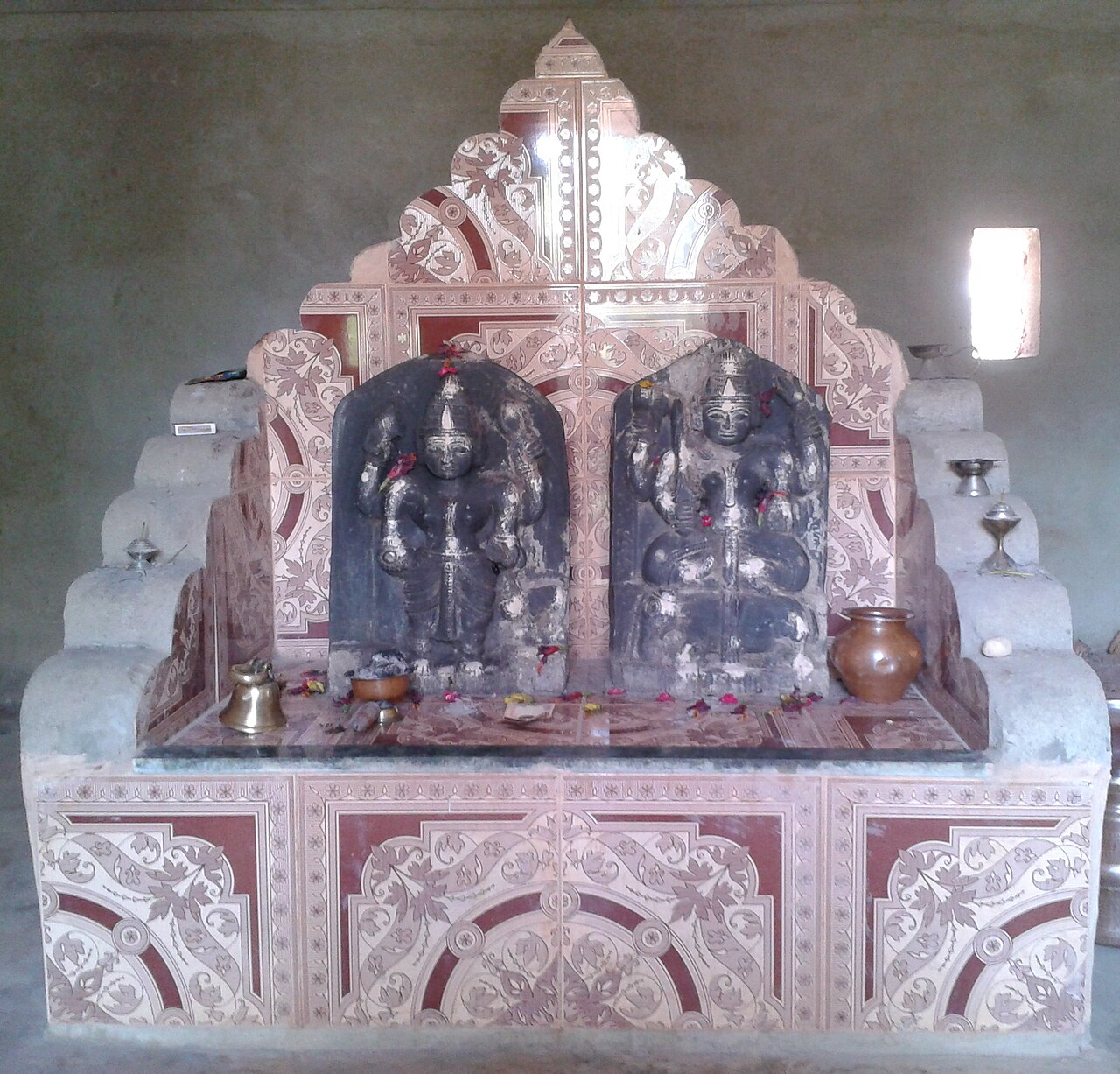
Shri Aday Durgay Temple, established before the 15th century near Rameshwar village in Maharashtra, is a modest forest shrine dedicated to two goddesses and serves as the clan d…

Saptakoteshwar Temple
Saptakoteshwar Temple in Narve, Goa is an ancient Shaivite shrine dedicated to Lord Shiva, with origins tracing to the Kadamba dynasty (1148–1179 CE). Destroyed during Portugues…
Shree Betal temple
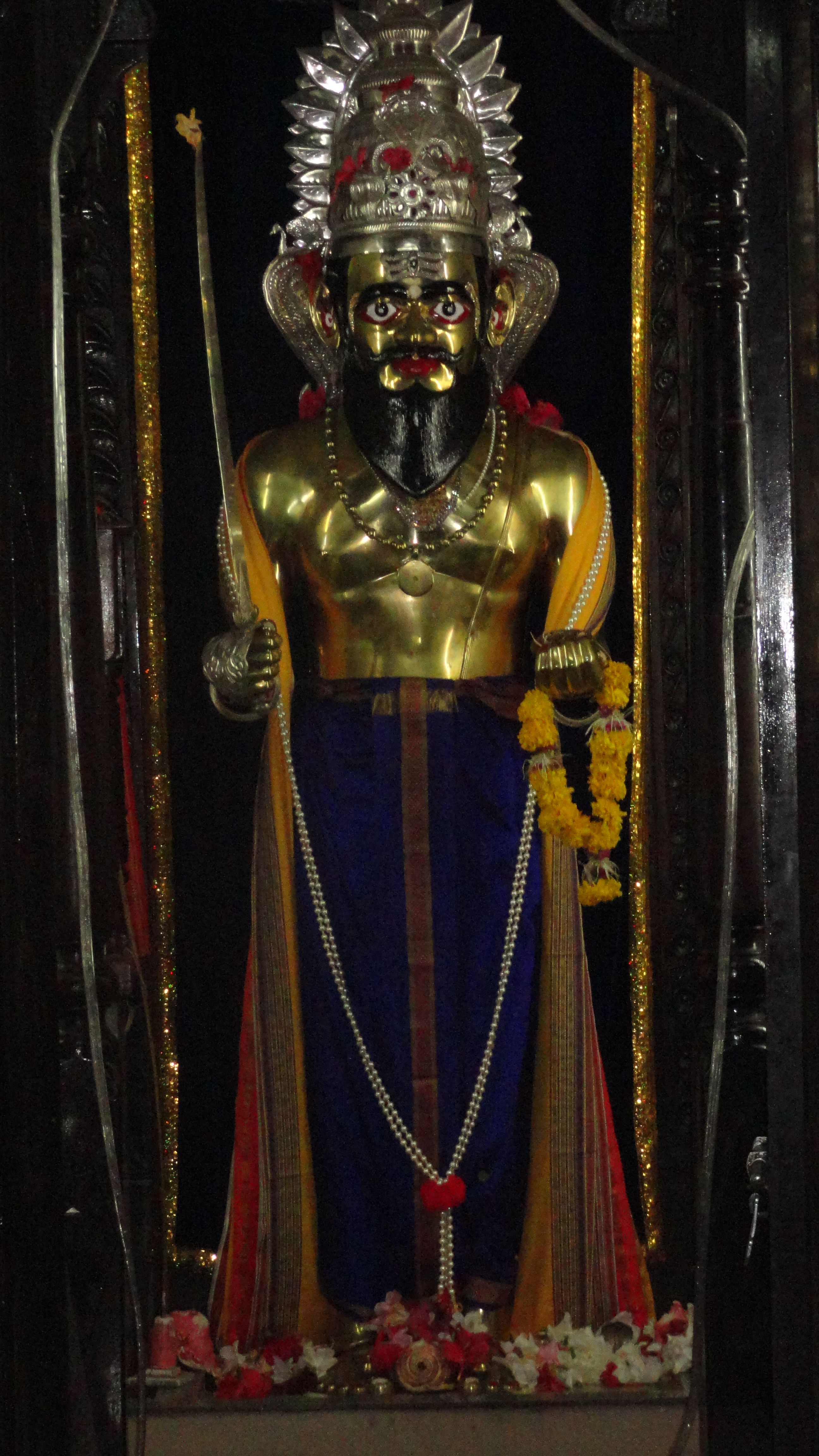
Shree Betal temple in Amona, Goa, is an ancient shrine dedicated to Betal, a fierce warrior form of Shiva worshipped as the village guardian deity. The temple is renowned for it…