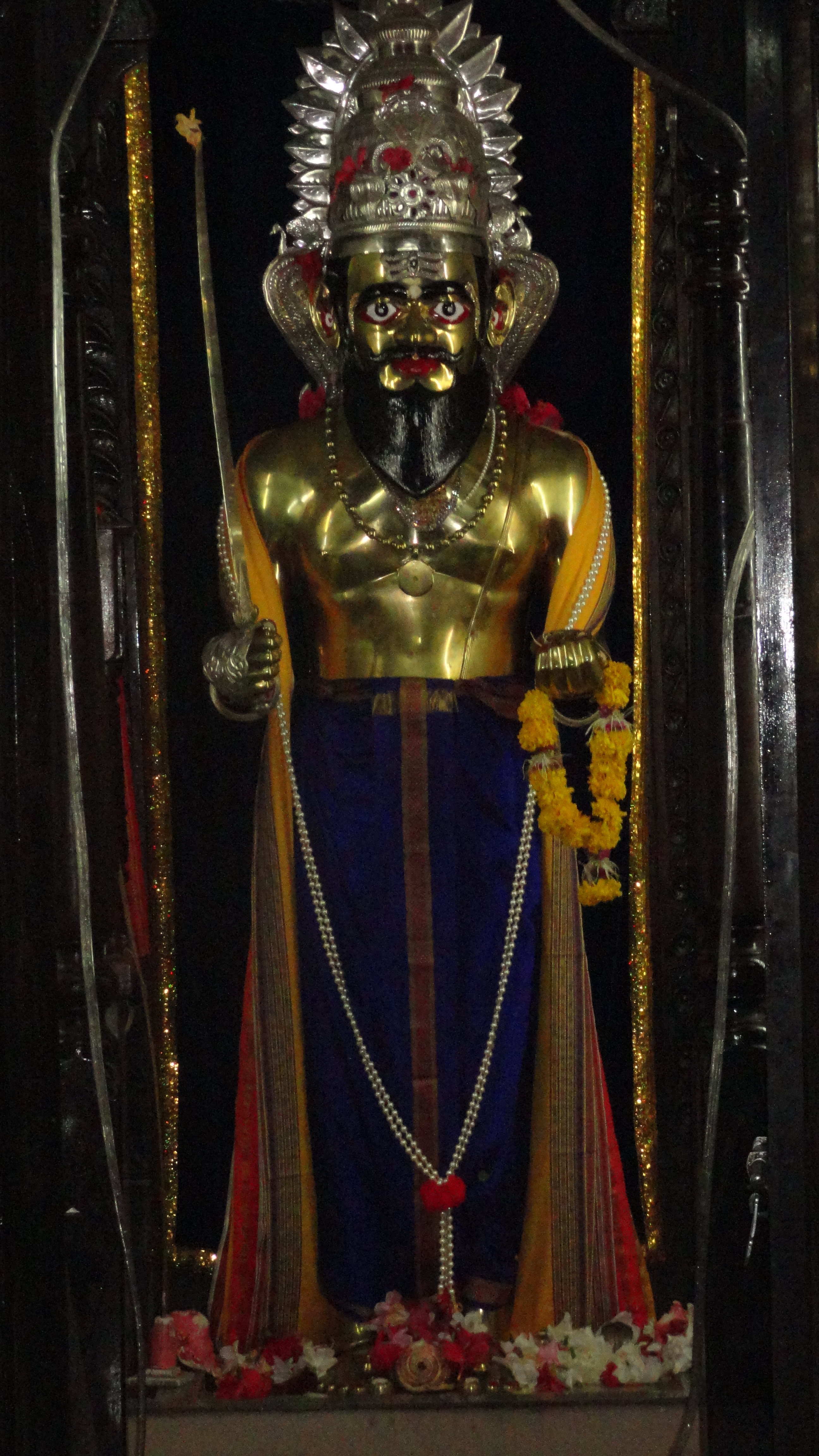
Shree Betal temple
About Shree Betal temple
Worship of Betal is among Goa's oldest religious traditions, predating many of the major temples dedicated to Puranic deities. The temple itself was established before the 16th century, though its current location in Amona village reflects a significant historical displacement. The original shrine stood on the island of Chorão but was relocated during the 16th-century Portuguese religious persecutions to preserve the deity and its worship. This relocation to Amona represents an act of community resilience—the villagers' determination to maintain their sacred tradition despite external pressure. The temple has undergone renovations over the centuries, yet the core rituals and the ancient idol have been preserved, anchoring the community's spiritual continuity across generations.
Architecture and Atmosphere
The temple follows traditional Goan Hindu architectural principles, centered on a large Sabhamandapa (assembly hall) and a deepasthambha (lamp pillar). The sanctum itself is dominated by the commanding presence of Betal's towering idol, which draws the eye and commands reverence through sheer scale and intensity. The temple premises are laid out on flat, paved ground, making the space accessible to elderly visitors and those with mobility needs.
The spiritual atmosphere shifts noticeably between day and night. During evening hours, particularly when night rituals are performed, the charged quality of the space intensifies, reflecting Betal's active vigilance as protector and judge. This is not a temple of gentle contemplation but of focused, serious devotion—a place where the boundary between the divine and the material world feels permeable and alive.
Daily Darshan and Visitor Conduct
The temple opens for darshan in two periods: early morning from 05:00 to 08:00, and evening from 18:00 to 20:30. A break occurs between 13:00 and 16:00. Visitors should plan their visits within these windows and prepare themselves for the temple's serious, focused atmosphere.
Strict protocols govern behaviour. Modest, traditional dress is required—men should wear trousers or dhotis, and women should wear sarees or long dresses. Photography of the main idol is strictly prohibited out of respect for the deity's sanctity. Silence must be maintained within the sanctum to preserve the spiritual intensity of the space. These requirements reflect the nature of Betal worship, which demands focused reverence rather than casual devotion. Flowers and oil for the lamps are traditional offerings. The temple premises are accessible and welcoming to families, though children should be prepared for the serious atmosphere and the impressive scale of the idol.
Festivals and Sacred Times
The temple comes alive during the annual Jatra, a grand fair where Betal's idol is carried in procession through the village, attracting thousands of devotees from across Goa. This is the most vibrant period at the temple, when the deity's protective presence is celebrated and renewed through community gathering.
Shivratri, the night dedicated to Shiva, is also observed as an especially auspicious time to visit. These occasions draw larger crowds and intensify the spiritual energy of the space, making them ideal times for those seeking a fuller experience of the temple's significance to its community.
How to Reach
Shree Betal temple is located in Amona village, Bicholim taluk, North Goa (coordinates: 15.53333333, 73.98333333). The temple is easily accessible via the Amona-Khandola bridge if approaching from Ponda, or via Bicholim town. Private vehicles or taxis are the most convenient means of transport. The village setting is quiet and traditional, offering a sense of removal from urban bustle while remaining accessible to visitors.
How to reach
Temples near Shree Betal temple
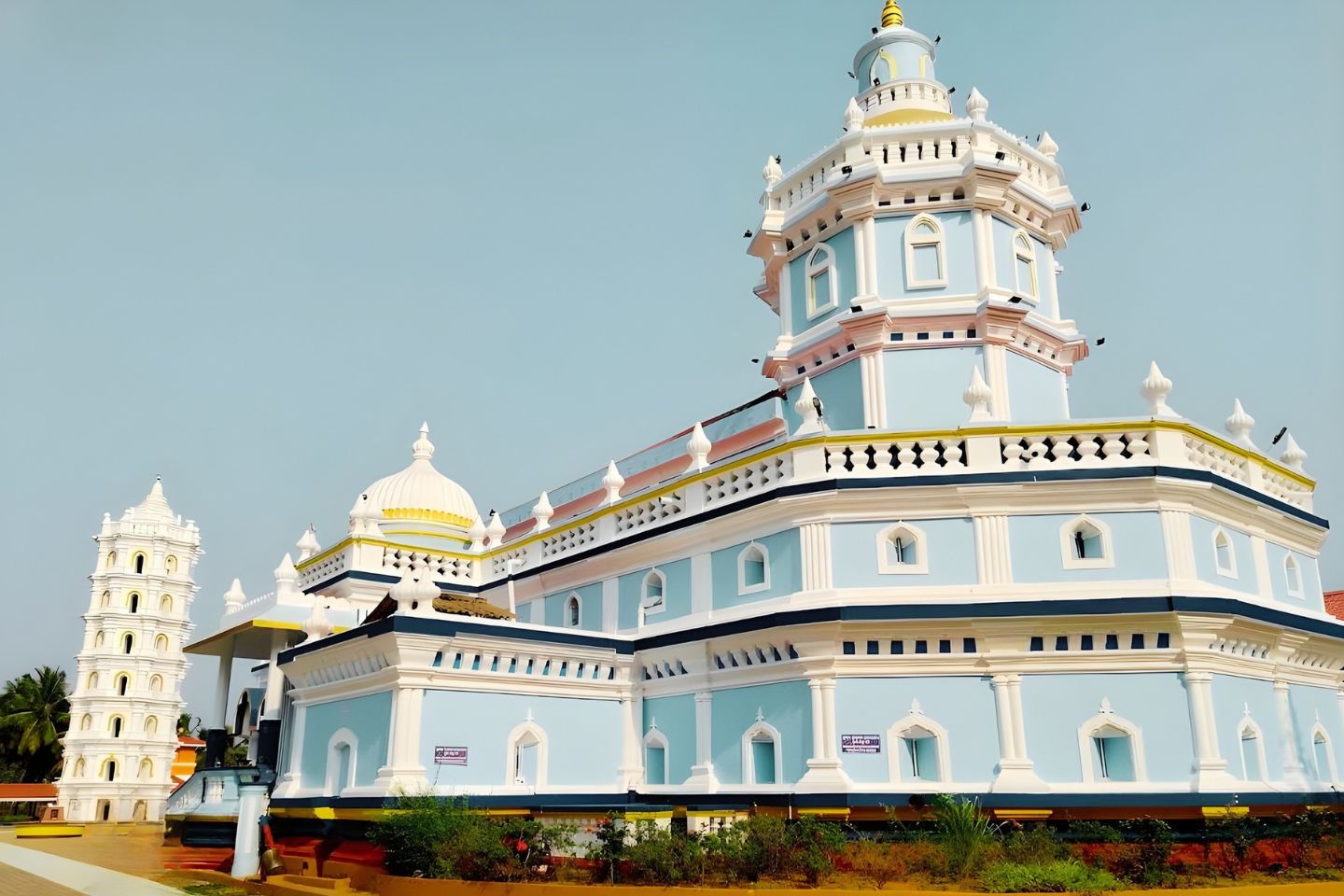
Mangueshi Temple
Shri Manguesh Temple in Ponda, Goa is one of the state's largest and most visited Hindu shrines, dedicated to Lord Shiva and serving as the Kuldeva of Saraswat Brahmins. Establi…

Mandodari Temple, Betki
Shri Mandodari Temple in Betki, Goa, is a revered Hindu shrine dedicated to Goddess Mandodari, the consort of Lord Ravana, known for her miraculous grace and the devotion of loc…

Saptakoteshwar Temple
Saptakoteshwar Temple in Narve, Goa is an ancient Shaivite shrine dedicated to Lord Shiva, with origins tracing to the Kadamba dynasty (1148–1179 CE). Destroyed during Portugues…
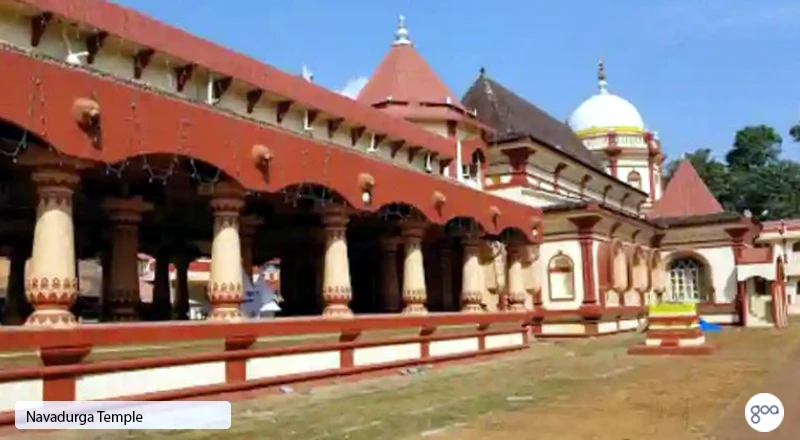
Navdurga Temple, Kundaim
The Navdurga Temple in Kundaim, Goa is a Hindu shrine dedicated to Goddess Navdurga, established by Gaud Saraswat Brahmin families who migrated from Verna village to create a ne…
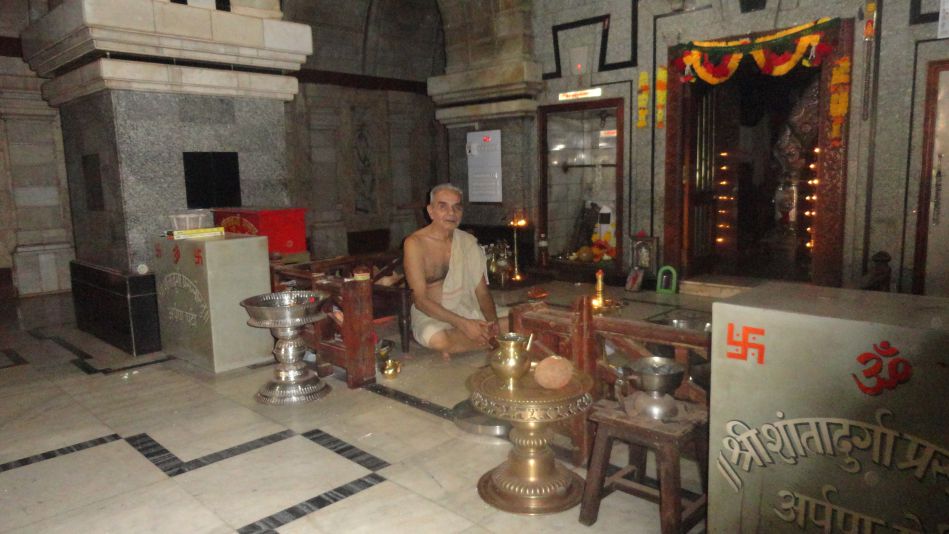
Shantadurga Kalangutkarin Temple
Shantadurga Kalangutkarin Temple in Nanoda village, Bicholim taluka, Goa, is a 17th-century Hindu shrine dedicated to the goddess Shantadurga worshipped in her Vishweshwari form…
Navdurga Temple, Madkai
Shree Navdurga Temple in Madkai, Goa is an ancient shrine dedicated to Goddess Navdurga in her fierce Mahishasuramardini form, venerated across North Goa for nearly five centuries.