Shri Aday Durgay Temple
About Shri Aday Durgay Temple
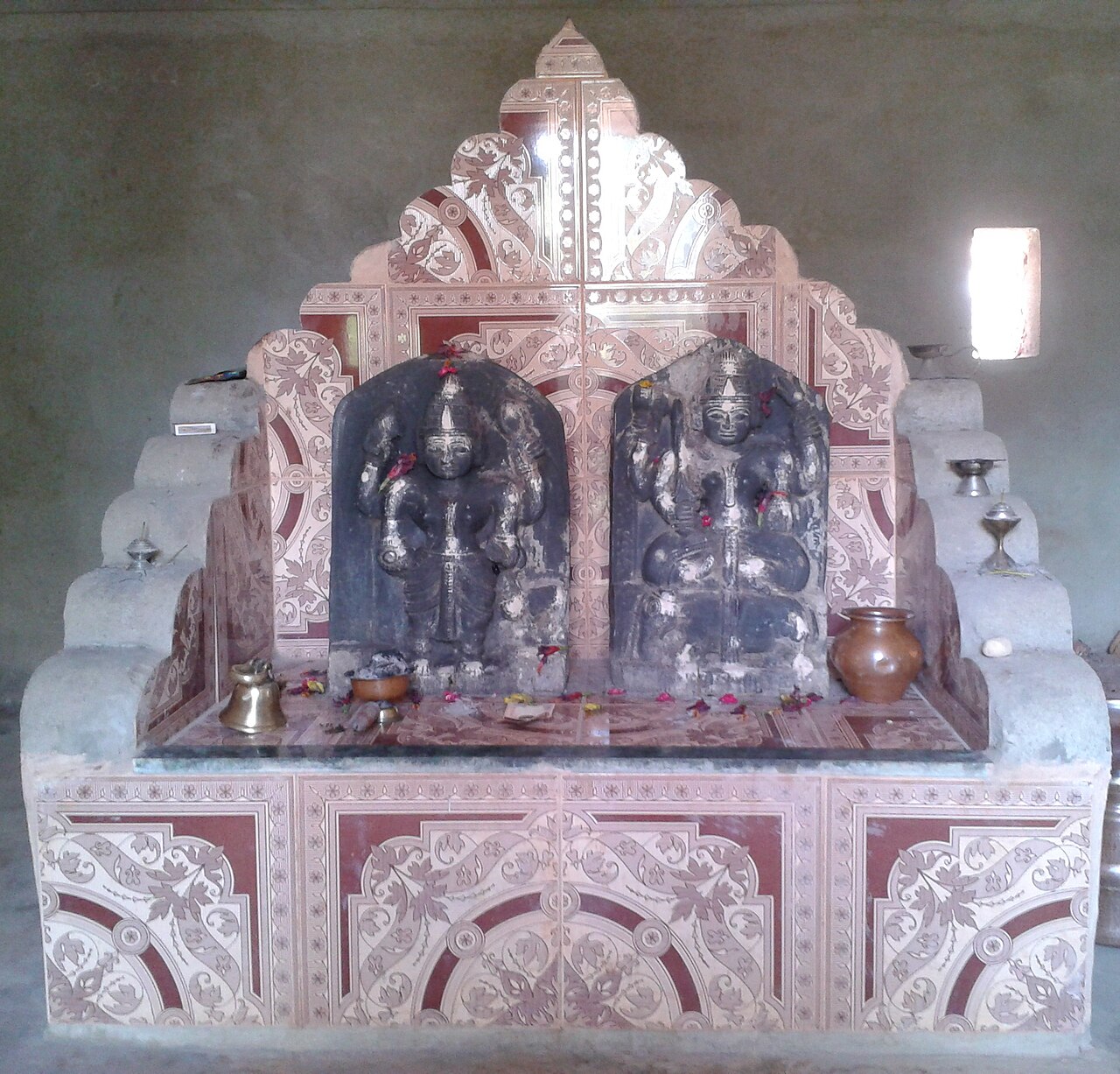
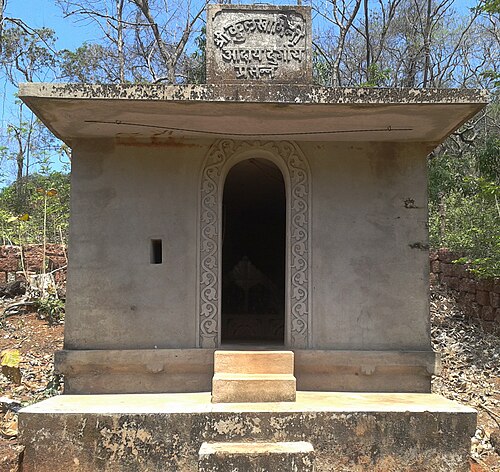
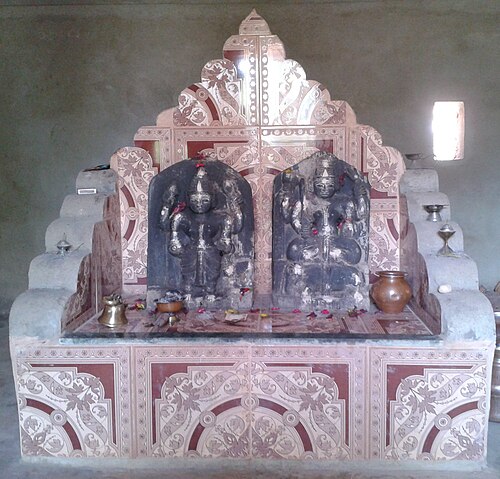
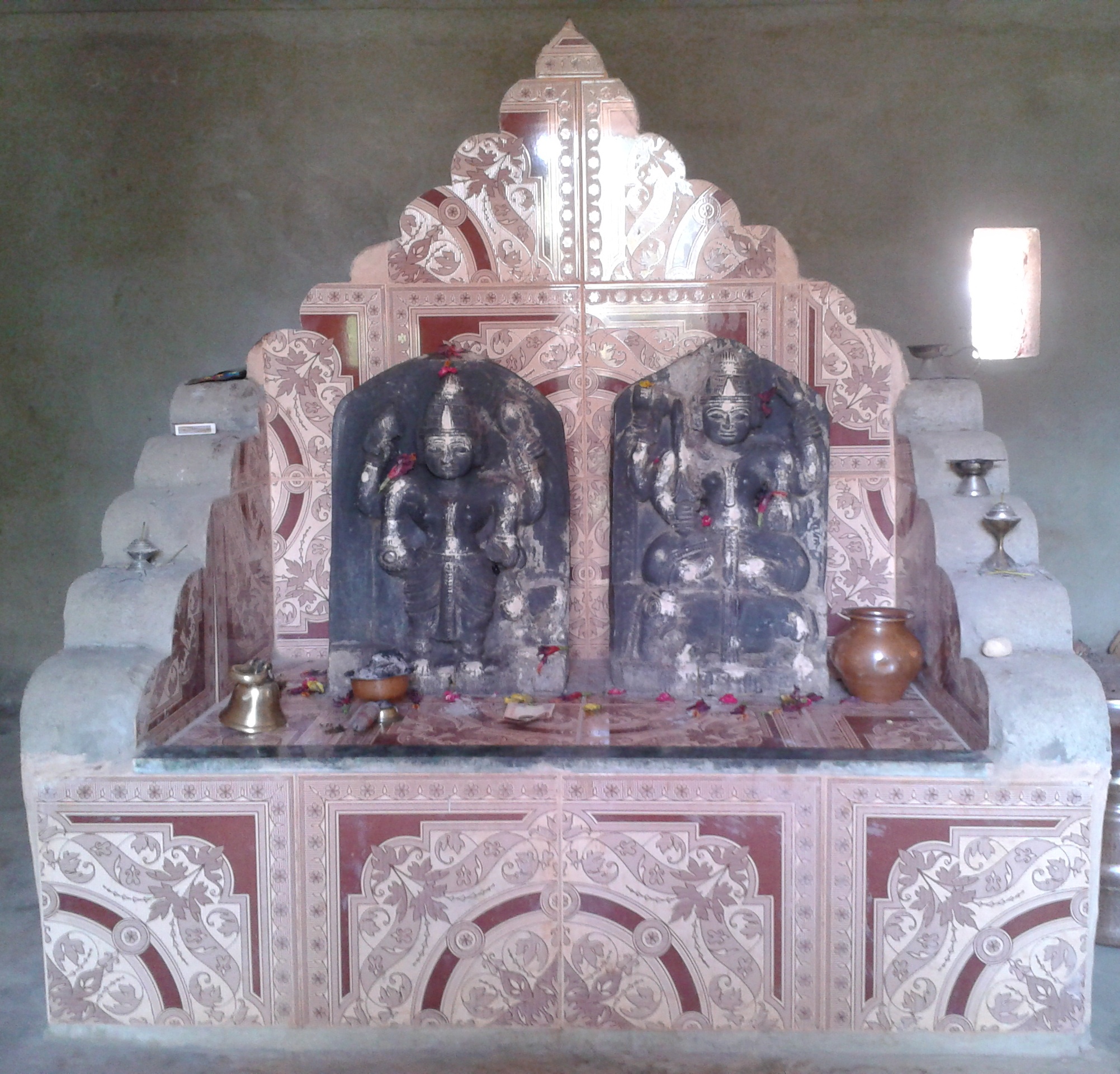
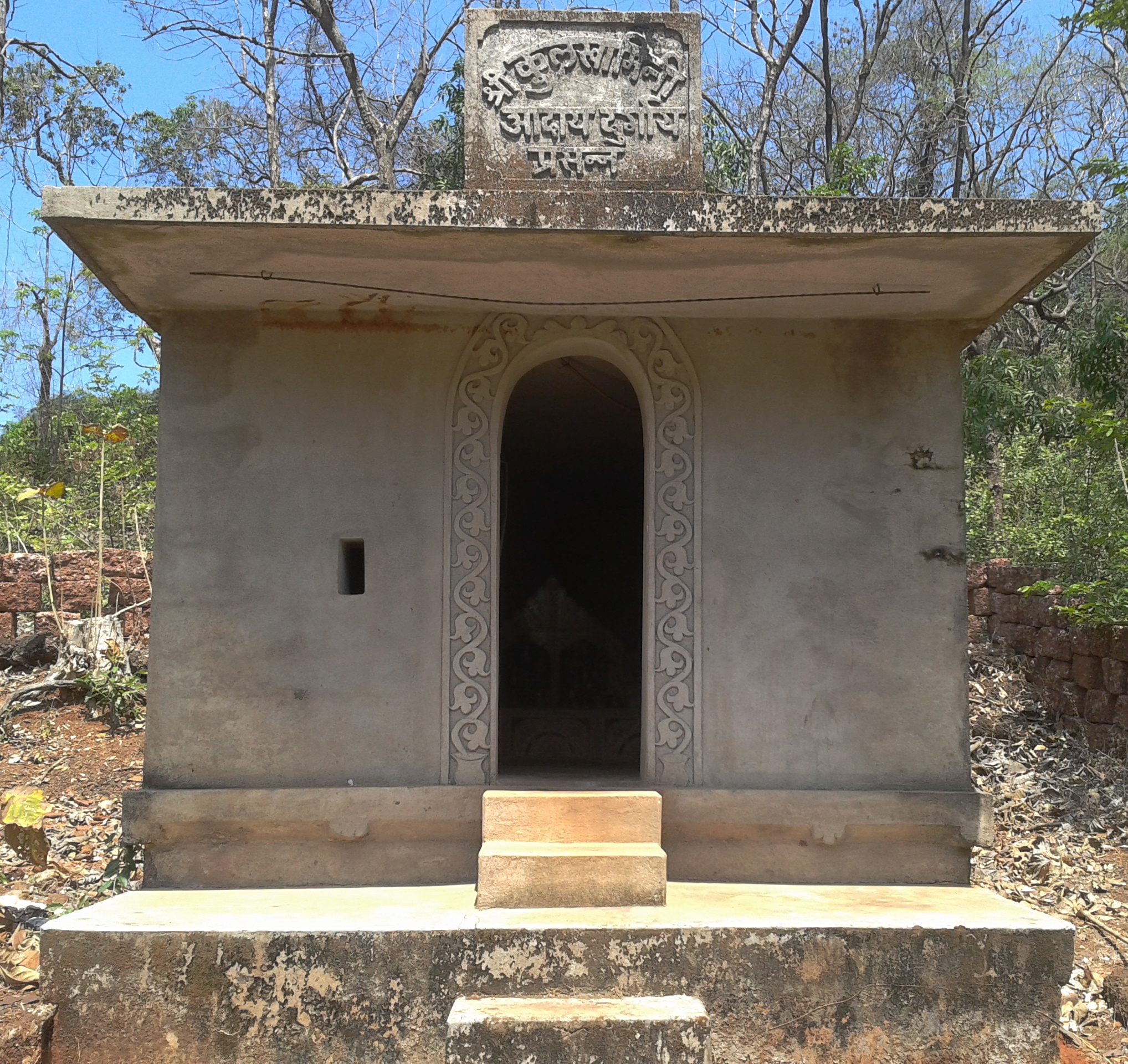
The temple building itself is modest in scale. A small chamber, raised approximately four feet above ground level, contains the sacred images of the two goddesses. The entire structure reaches only about ten feet in height, prioritising spiritual function over architectural elaboration. The main entrance faces east, following traditional Hindu temple orientation. The temple stands without a wooden door and remains open to devotees continuously, though access is governed by community custom rather than formal gates.
The shrine sits within a forest landscape interspersed with mango plantations maintained by local residents, including members of the Pujare community. This integration of the sacred space within the agricultural life of the region reflects how many rural temples function as part of the broader landscape rather than as isolated monuments. The temple lies near the state highway MSH 115, but access requires a forest walk of fifteen to twenty minutes along a narrow stone pathway through woodland. The terrain is natural and uneven, making appropriate footwear essential for visitors.
Daily Worship and Priestly Tradition
The Pujare priests, who reside in nearby settlements, perform all temple rituals including daily puja and aarti. These priestly duties have been hereditary within the clan for as long as the temple has existed. The priests maintain responsibility for the care of the sacred images and the upkeep of the shrine. Unlike many temples in the surrounding area, this sanctuary operates without formal visiting hours or documented darshan timings. Visitors should confirm current access conditions locally before travelling, particularly given the ongoing renovation work.
Festivals and Auspicious Times
The temple observes worship during significant Hindu festivals. Vasant Panchami in January, Chhath Puja in November, and Ugadi or Gudi Padwa in March are noted as auspicious times for visiting. These festivals align with broader Hindu observances across India, though specific rituals or celebrations particular to this temple are not documented. Visitors planning to visit during festivals should seek local confirmation of any special arrangements or gatherings.
Visiting with Respect for Local Tradition
This is an active place of worship maintained by a specific community with particular customs. Local tradition restricts entry to male members of the Pujare clan, a practice rooted in the temple's function as a family shrine. Visitors should approach with respect for these restrictions and the sacred nature of the space. No formal facilities such as shops, rest areas, or accommodation exist at the temple site. Visitors must be prepared for the forest walk and should plan their journey accordingly, ideally seeking local guidance to locate the stone pathway entrance, as signage may be minimal.
How to Reach
The temple is situated near Rameshwar village in Devgad taluka, Sindhudurg District, Maharashtra, at coordinates 16.515342°N, 73.339385°E. Access is via state highway MSH 115, from which the forest pathway begins. The nearest significant settlement is Rameshwar village. Allow time for the forest walk and seek local guidance to locate the pathway entrance. Check locally for current access conditions before travelling, especially given the ongoing renovation work.
How to reach
You may also visit
Kalyanji Temple
Kalyanji Temple in Jaipur's Chandpol Bazaar is approximately two centuries old and renowned for displaying the twenty-four avatars of Krishna, visible only twice yearly during Akha Teej and Patottsav festival.
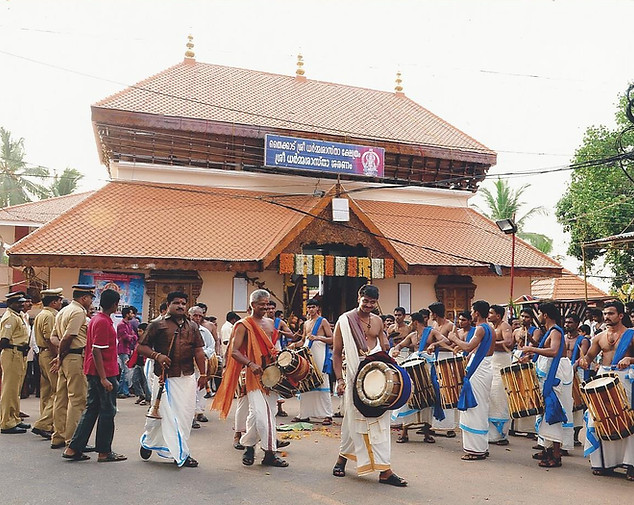
Sastha (Ayyappan) Temple
Sree Dharma Sastha Temple in Thycaud, Thiruvananthapuram, is a centuries-old shrine where the deity manifests as Dhanwanthari, the divine healer, holding the sacred blue lotus.

Govindarajaswamy Temple
Sri Govindarajaswamy Temple in Tirupati is an ancient Vaishnavaite shrine consecrated in 1130 AD by Saint Ramanuja, where the presiding deity rests in eternal Yoga Nidra on the serpent Adisesha.