


Shree Kaleshwara Temple
About Shree Kaleshwara Temple
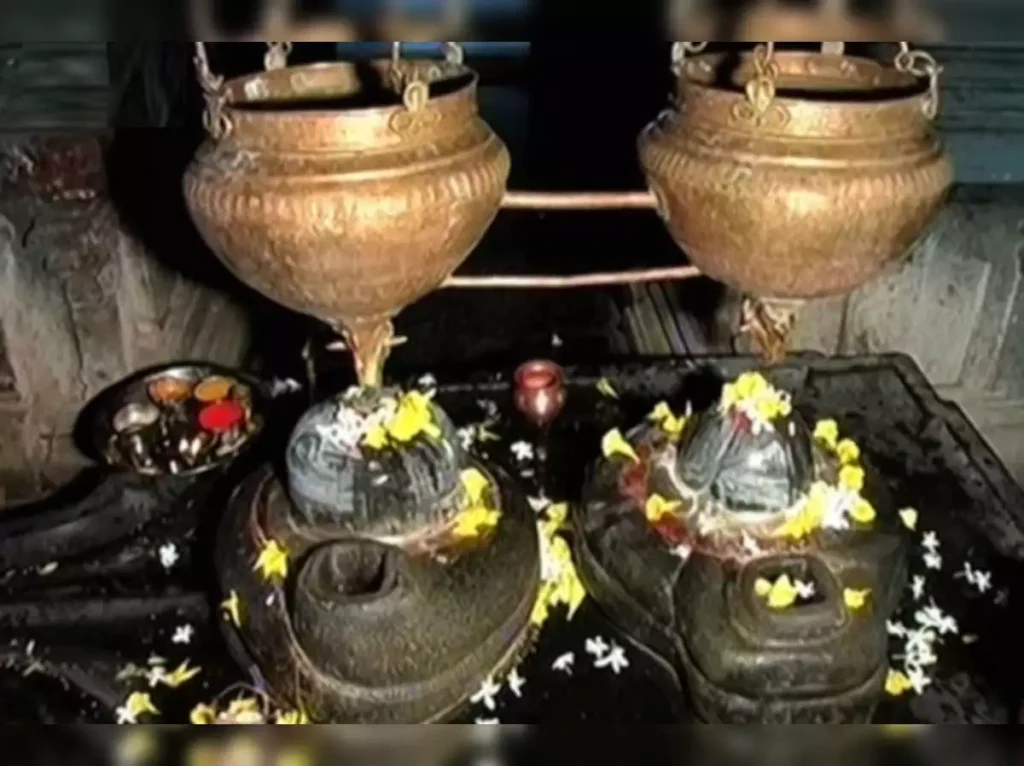
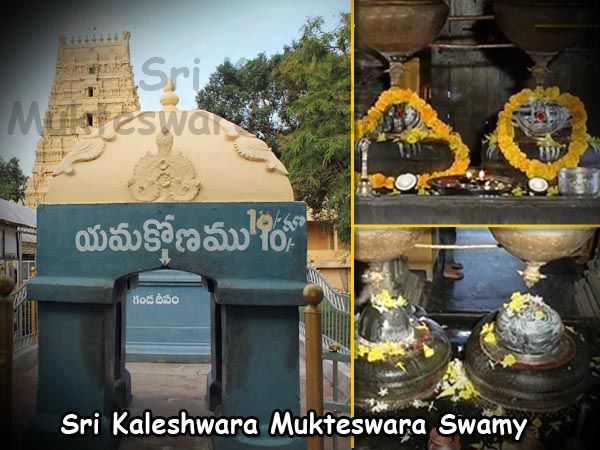
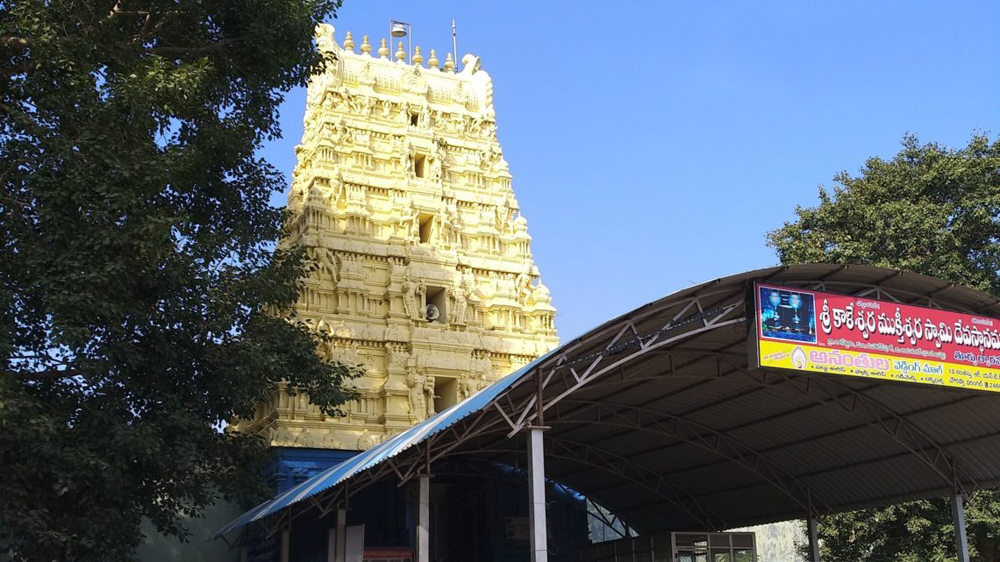
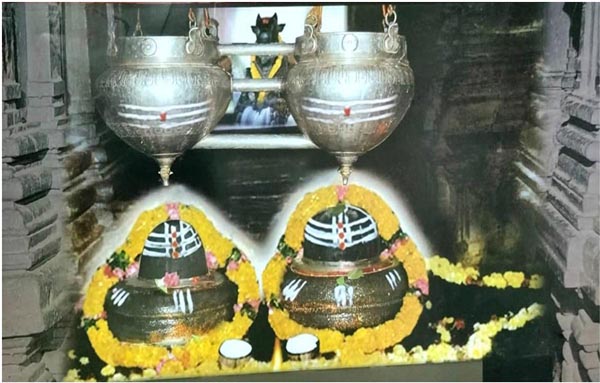
The temple's inner sanctum features four doorways facing the cardinal directions, a design that allows devotees to approach from multiple points. The Muktheshwara linga possesses a distinctive feature: two small apertures near its upper portion. According to temple tradition, water poured during ritual ablutions enters these openings but does not emerge from the linga itself; instead, it is believed to travel underground and join the Godavari River approximately one kilometer away. This phenomenon, whether understood literally or symbolically, forms part of the temple's sacred geography.
Within the temple grounds stands a triangular structure known as the Yamakona, a feature associated with protection from harm. Temple tradition holds that those who pass through this structure while bending forward without their head touching the ground will be spared from suffering caused by Yama, the deity of death. The temple also features a stone flagstaff with a Nandi (bull) figure that, according to local observation, appears to face south during the winter solstice period and north during the summer solstice period.
Worship and Daily Rituals
The temple functions as an active place of worship where daily rituals honor both lingas. The sequence of veneration—Kaleshwara first, then Muktheshwara—reflects a structured approach to engaging with the dual divine presence. Ablutions and offerings form part of the standard worship practices at Shiva temples, and this shrine follows those conventions. The specific timings for darshan and puja are maintained by the temple, though visitors should contact the temple directly for current schedules, as these may vary seasonally.
River Confluence and Sacred Geography
The temple's location holds significance within the geography of sacred waters. It stands near the confluence of the Godavari River with the Pranahita tributary, a meeting of waters that carries spiritual importance in Hindu tradition. This positioning near a river confluence adds to the temple's sanctity, as such locations are traditionally regarded as especially auspicious for worship and pilgrimage.
Visiting the Temple
Nerur is located in Sindhudurg district in Maharashtra's coastal region. Visitors planning to attend should contact the temple in advance to confirm current darshan hours and any specific protocols for worship. As with most Hindu temples, modest dress is appropriate—clothing that covers shoulders and knees shows respect for the sacred space. Shoes are typically removed before entering the inner sanctum.
The temple maintains accommodation facilities for pilgrims, allowing visitors to spend time in the temple environment. These arrangements should be confirmed directly with temple authorities before arrival. Basic amenities and contact information can be obtained through the temple's administrative office.
Approaching the Sacred Space
Visitors to Shiva temples typically approach the deity with an attitude of reverence and openness to the spiritual significance of the place. The dual linga arrangement here invites contemplation on the multiple dimensions of divine manifestation. Whether one comes seeking blessing, spiritual insight, or simply to witness an unusual sacred configuration, the temple welcomes sincere devotion. The combination of architectural distinctiveness and the natural setting near the river creates an environment conducive to quiet reflection and worship.
How to reach
Temples near Shree Kaleshwara Temple
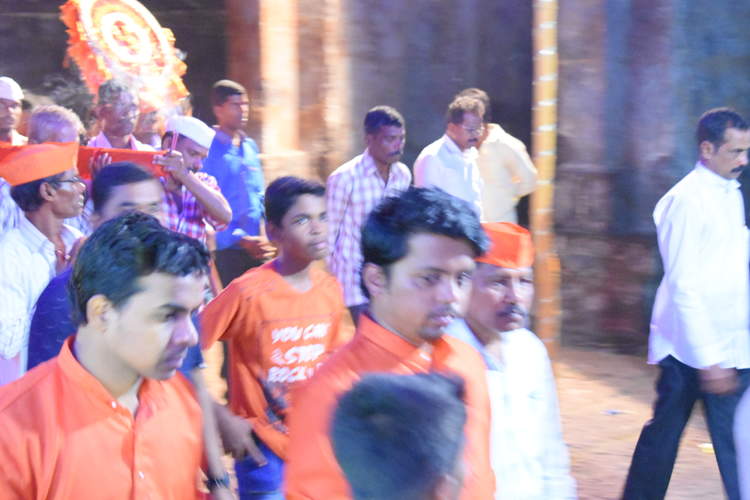
Shri Dev Rameshwar Temple
A 16th-century Shiva temple in Maharashtra's Konkan region, distinguished by a remarkable rock-cut approach fifty feet deep and a four-armed silver idol of Shiva seated on a bull.
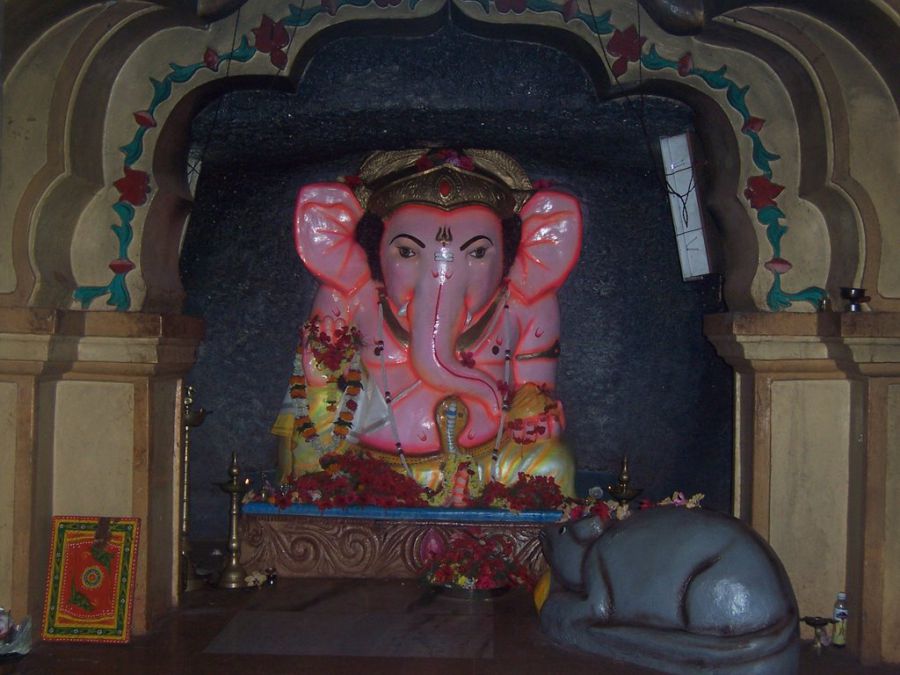
Ganapati Temple, Redi
The Ganapati Temple at Redi houses a rare two-handed idol of Lord Ganesha discovered in 1976 during mining operations, following a local devotee's divine dream.
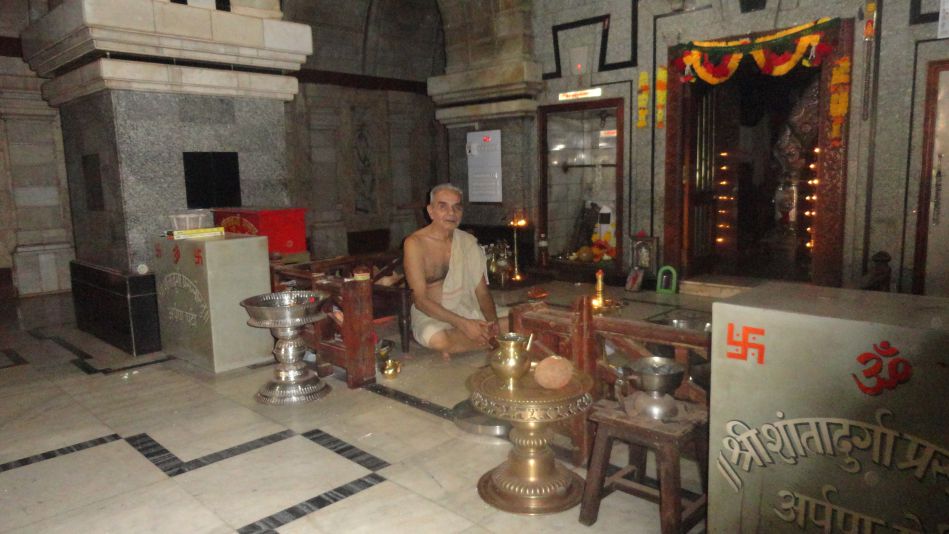
Shantadurga Kalangutkarin Temple
Shantadurga Kalangutkarin Temple in Nanoda village, Bicholim taluka, Goa, is a 17th-century Hindu shrine dedicated to the goddess Shantadurga worshipped in her Vishweshwari form…

Saptakoteshwar Temple
Saptakoteshwar Temple in Narve, Goa is an ancient Shaivite shrine dedicated to Lord Shiva, with origins tracing to the Kadamba dynasty (1148–1179 CE). Destroyed during Portugues…
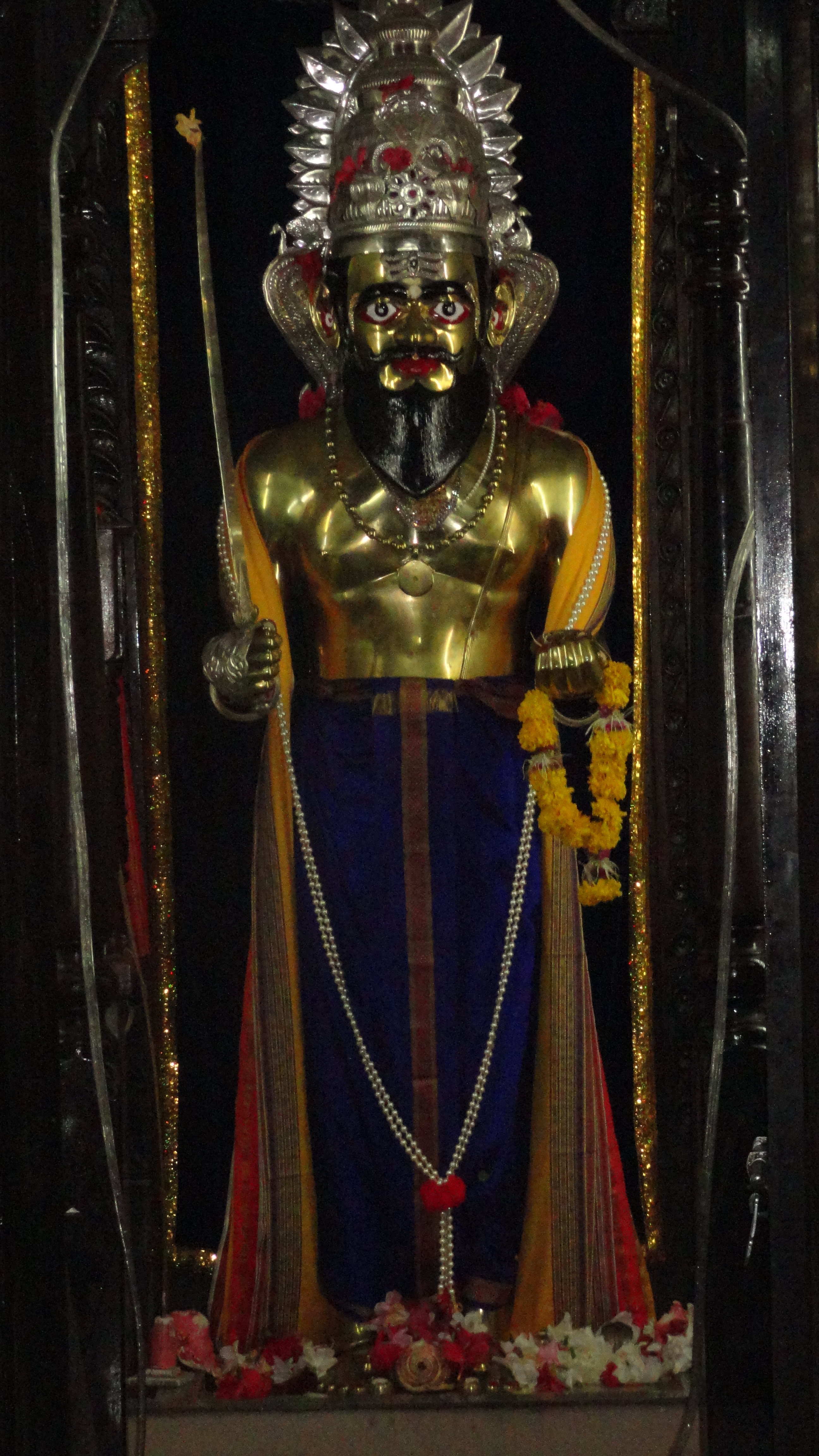
Shree Betal temple
Shree Betal temple in Amona, Goa, is an ancient shrine dedicated to Betal, a fierce warrior form of Shiva worshipped as the village guardian deity. The temple is renowned for it…
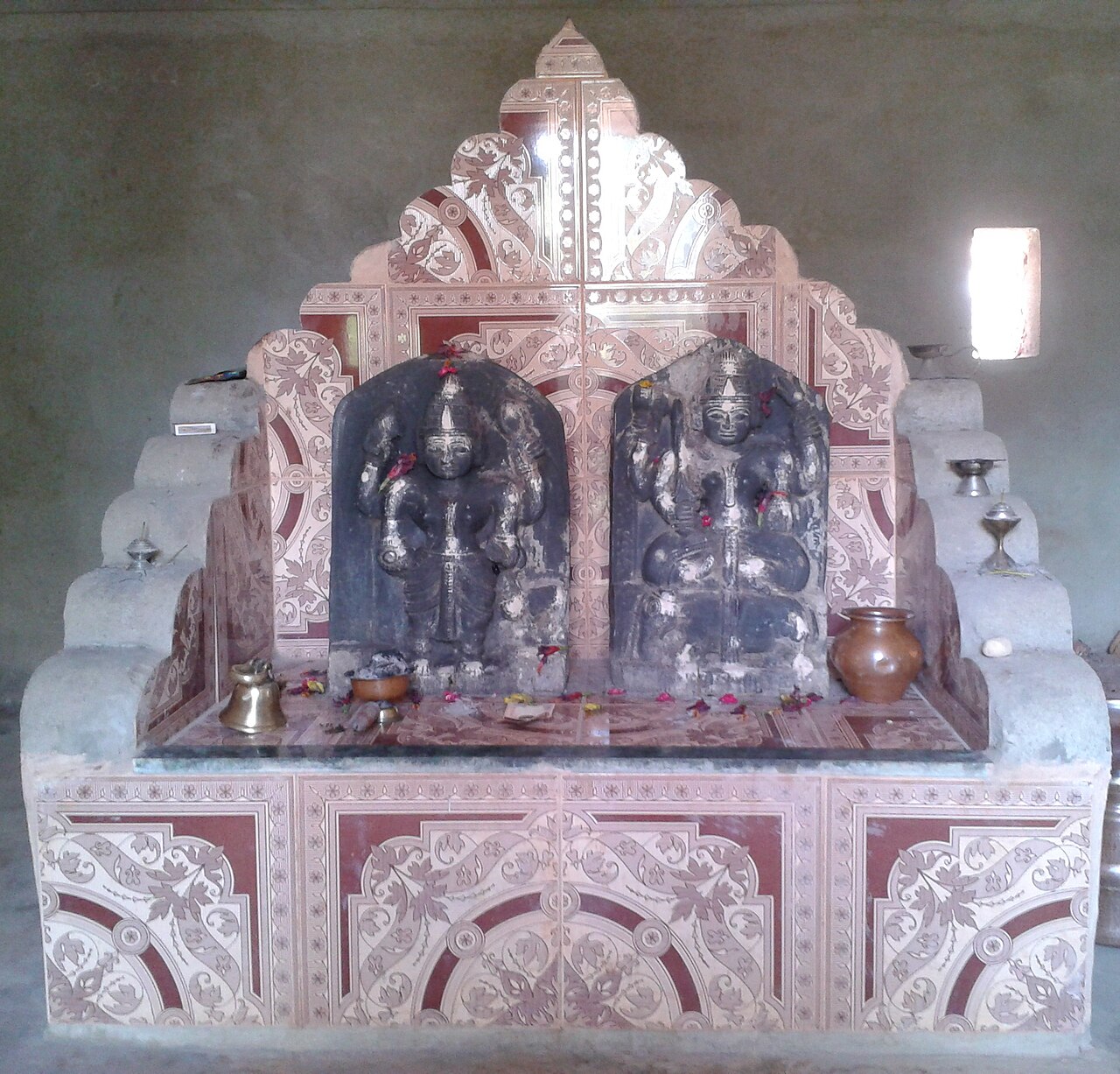
Shri Aday Durgay Temple
Shri Aday Durgay Temple, established before the 15th century near Rameshwar village in Maharashtra, is a modest forest shrine dedicated to two goddesses and serves as the clan d…