


Saptakoteshwar Temple
About Saptakoteshwar Temple
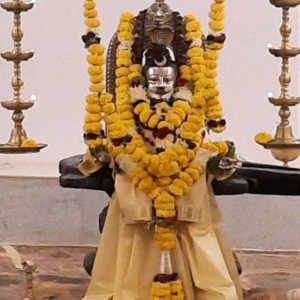
The temple's physical structure tells the story of its survival and restoration across distinct historical periods. At its foundation lies a cave shrine—a common feature in Konkan Shaivite temples where natural rock formations provided the earliest spaces for worship. Above this foundation sits the original laterite sanctum from the Kadamba period, which continues to house the sacred Ling. The uppermost structure was commissioned by Chhatrapati Shivaji Maharaj in 1668 CE, representing a period of Hindu cultural reassertion in the region.
The temple's history includes a significant rupture. During Portuguese religious persecution, the original temple at Naroa on Divar Island was destroyed in 1541 CE. Devoted followers concealed and later relocated the sacred Atma-Ling across the Mandovi River. In 1549 CE, Narainrao Shenvi Suriarao, the Sardesai of Bhatagram, consecrated the deity at its present location in Narve (also known as Hindale), ensuring the continuity of worship. This relocation and restoration transformed the temple into a symbol of spiritual resilience in Goa's Hindu community.
Daily Worship and Darshan
The temple welcomes visitors daily from 7:00 AM to 7:00 PM. The rhythm of worship centers on morning and evening aartis—ritual offerings of light and prayer that mark the principal moments of communal worship. Darshan, the viewing of the deity, typically occurs during morning hours and again in the afternoon-to-evening period, though exact timings may vary with festivals and seasons.
Temples of the Shaivite tradition typically observe traditional protocols for worship. Visitors should dress modestly and remove footwear before entering the sanctum. According to traditional practice observed at many Hindu temples, menstruating women may be restricted from certain areas; those uncertain of current protocols should inquire upon arrival. The temple welcomes all visitors seeking spiritual peace and cultural engagement with Goan Hindu heritage.
Festivals and Observances
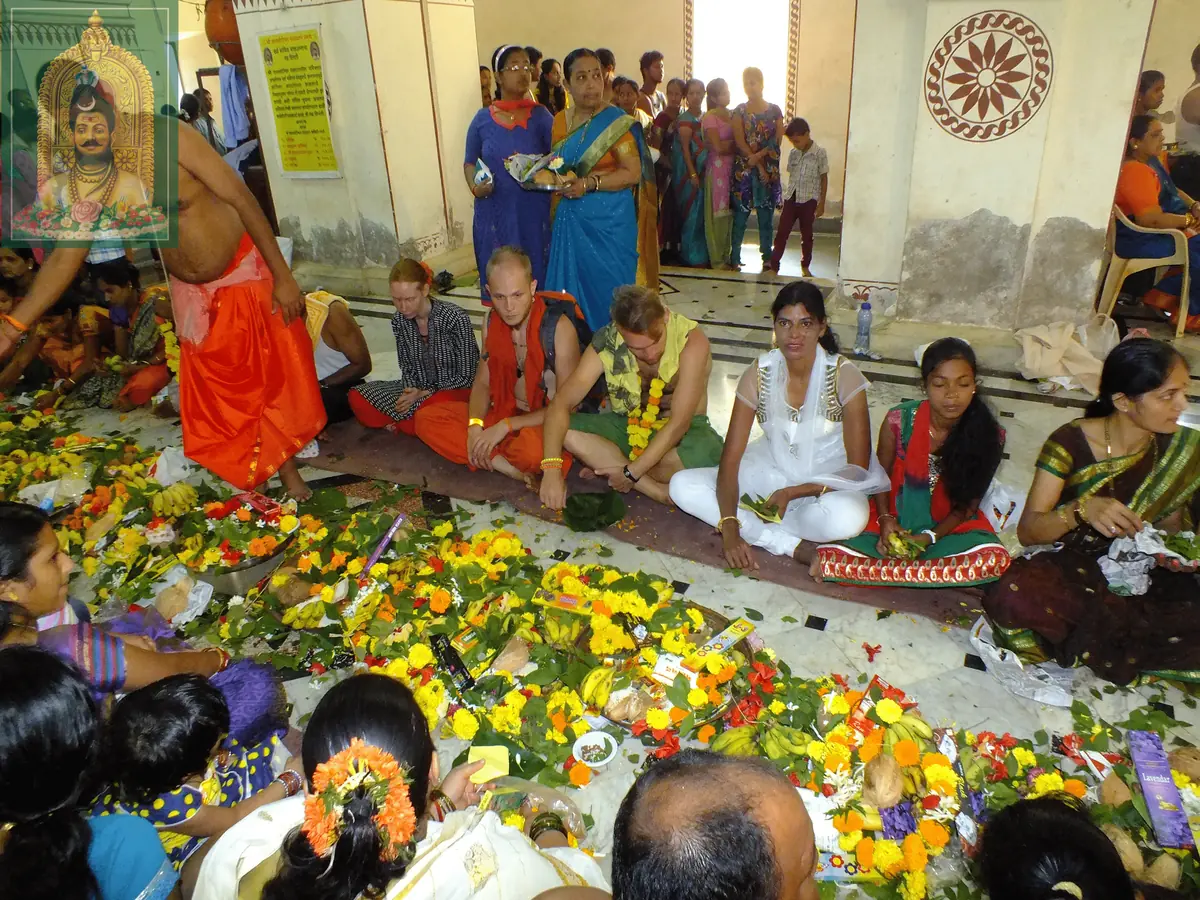
The temple celebrates festivals throughout the year that draw larger numbers of devotees and typically feature elaborate decoration. Notable observances include Ugadi or Gudi Padwa (the Hindu New Year in the Deccan tradition), Chhath Puja (worship of Surya), Vasant Panchami (associated with Saraswati puja), Makar Sankranti (a harvest festival marking the sun's entry into Capricorn), and Karwa Chauth (a fast observed for a spouse's wellbeing). Timings and observances may vary on festival days, making it advisable to confirm details directly with the temple before travelling.
Visiting Information and Etiquette
The temple is located at Deulwada, Narve, Bicholim, Goa 406504, at coordinates 15.554°N, 73.937°E. The best season to visit is October through March, when the climate is cooler and more comfortable for travel. The temple can be reached by contacting the temple office directly at +91 95796 23186 or +91 832 291 4481, or by email at contact.us@srisaptakotishwar.org. These contacts are also useful for confirming current timings, festival schedules, and any special observances before your visit.
Visitors should plan to arrive during the posted hours and be prepared for the possibility that timings may shift during festival periods. Modest dress is expected, and footwear should be removed before entering the sanctum. The temple welcomes devotees and visitors of all backgrounds seeking to experience this significant site of Goan Hindu heritage.
How to reach
Temples near Saptakoteshwar Temple
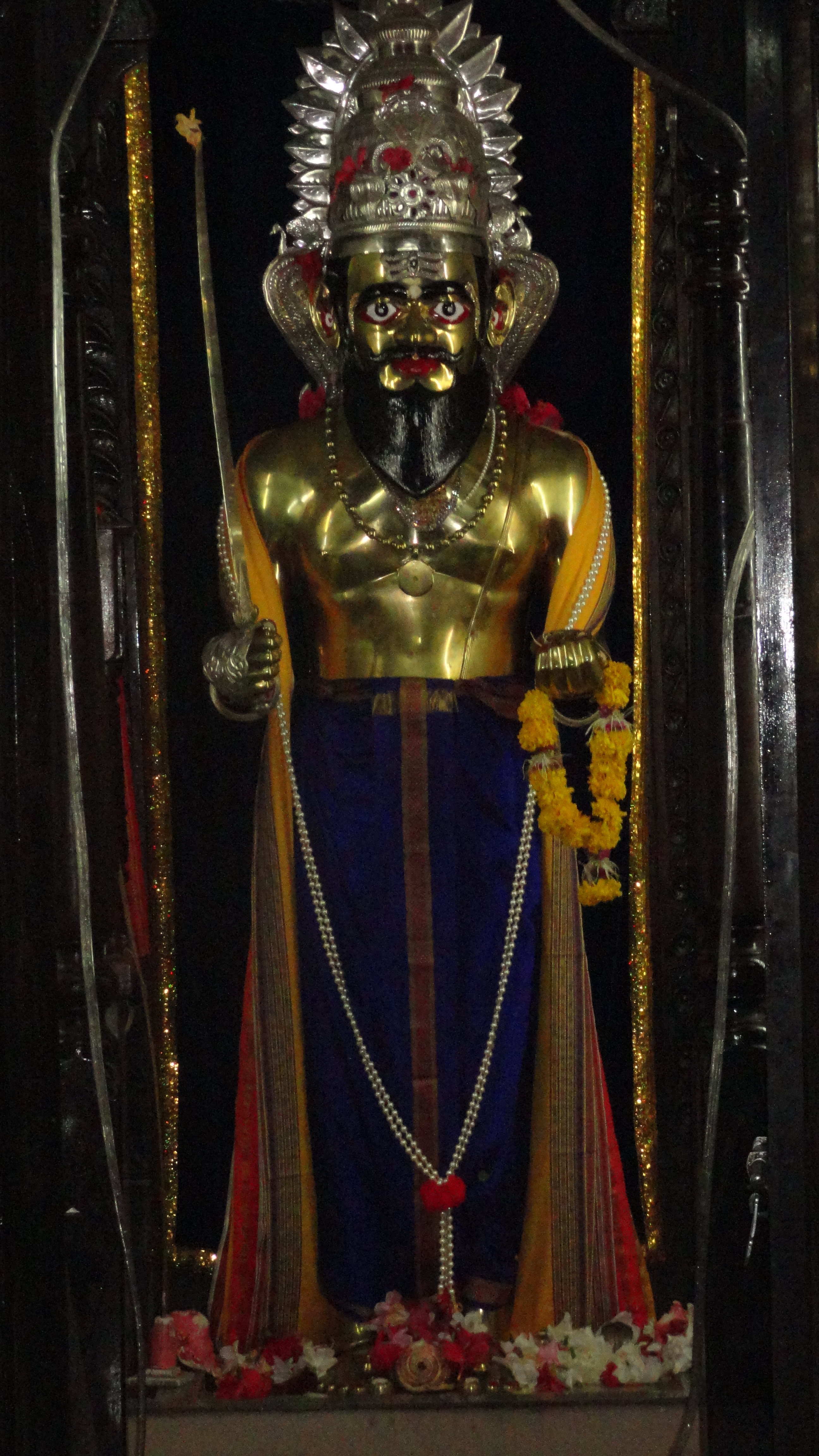
Shree Betal temple
Shree Betal temple in Amona, Goa, is an ancient shrine dedicated to Betal, a fierce warrior form of Shiva worshipped as the village guardian deity. The temple is renowned for it…
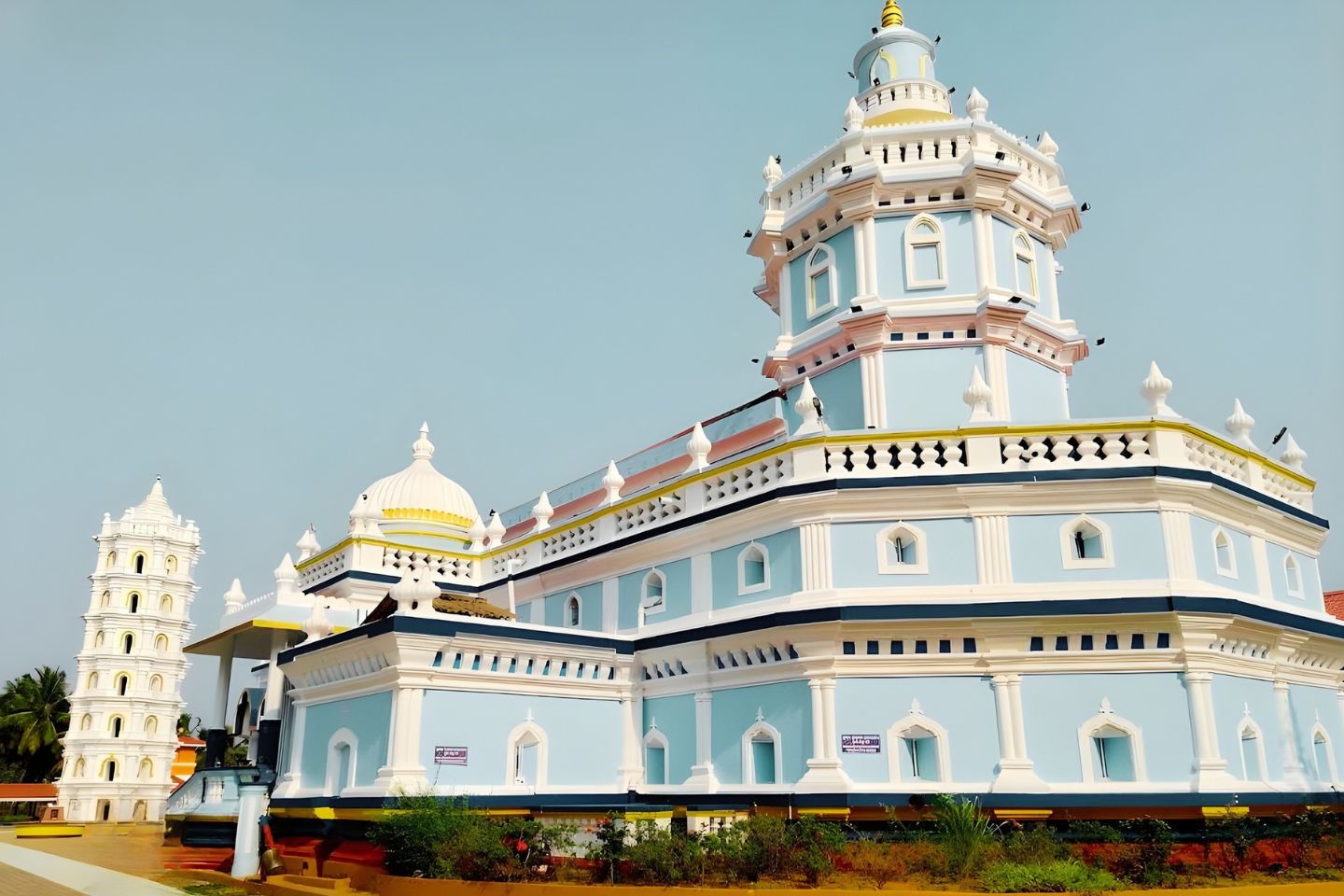
Mangueshi Temple
Shri Manguesh Temple in Ponda, Goa is one of the state's largest and most visited Hindu shrines, dedicated to Lord Shiva and serving as the Kuldeva of Saraswat Brahmins. Establi…

Mandodari Temple, Betki
Shri Mandodari Temple in Betki, Goa, is a revered Hindu shrine dedicated to Goddess Mandodari, the consort of Lord Ravana, known for her miraculous grace and the devotion of loc…
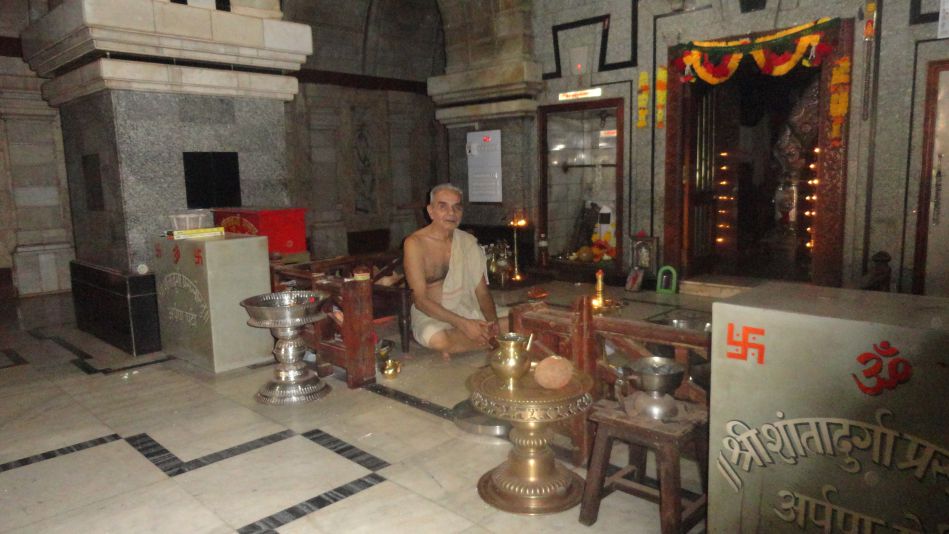
Shantadurga Kalangutkarin Temple
Shantadurga Kalangutkarin Temple in Nanoda village, Bicholim taluka, Goa, is a 17th-century Hindu shrine dedicated to the goddess Shantadurga worshipped in her Vishweshwari form…
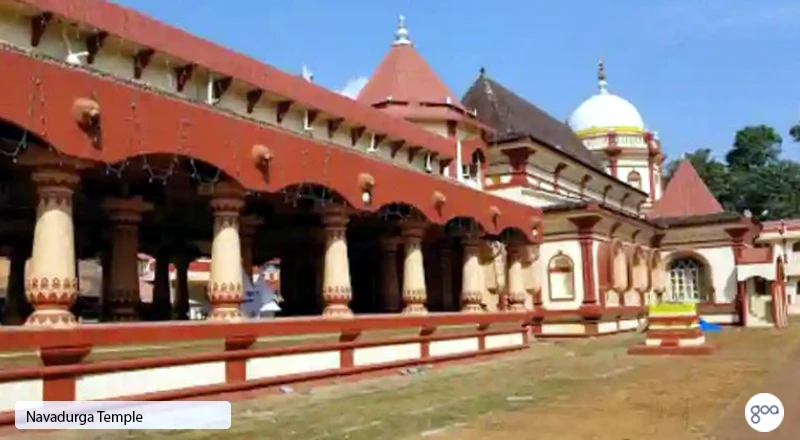
Navdurga Temple, Kundaim
The Navdurga Temple in Kundaim, Goa is a Hindu shrine dedicated to Goddess Navdurga, established by Gaud Saraswat Brahmin families who migrated from Verna village to create a ne…
Navdurga Temple, Madkai
Shree Navdurga Temple in Madkai, Goa is an ancient shrine dedicated to Goddess Navdurga in her fierce Mahishasuramardini form, venerated across North Goa for nearly five centuries.