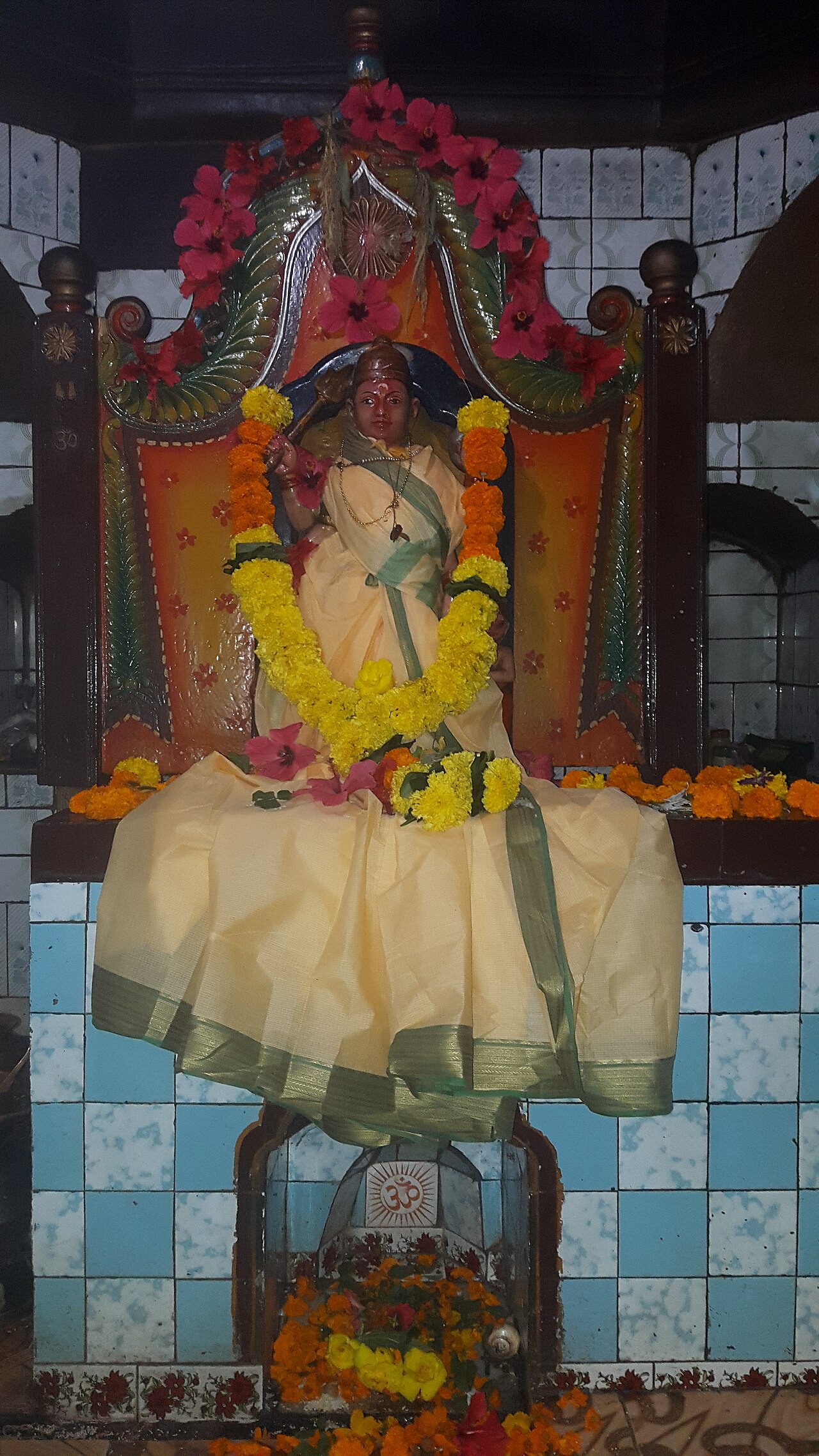
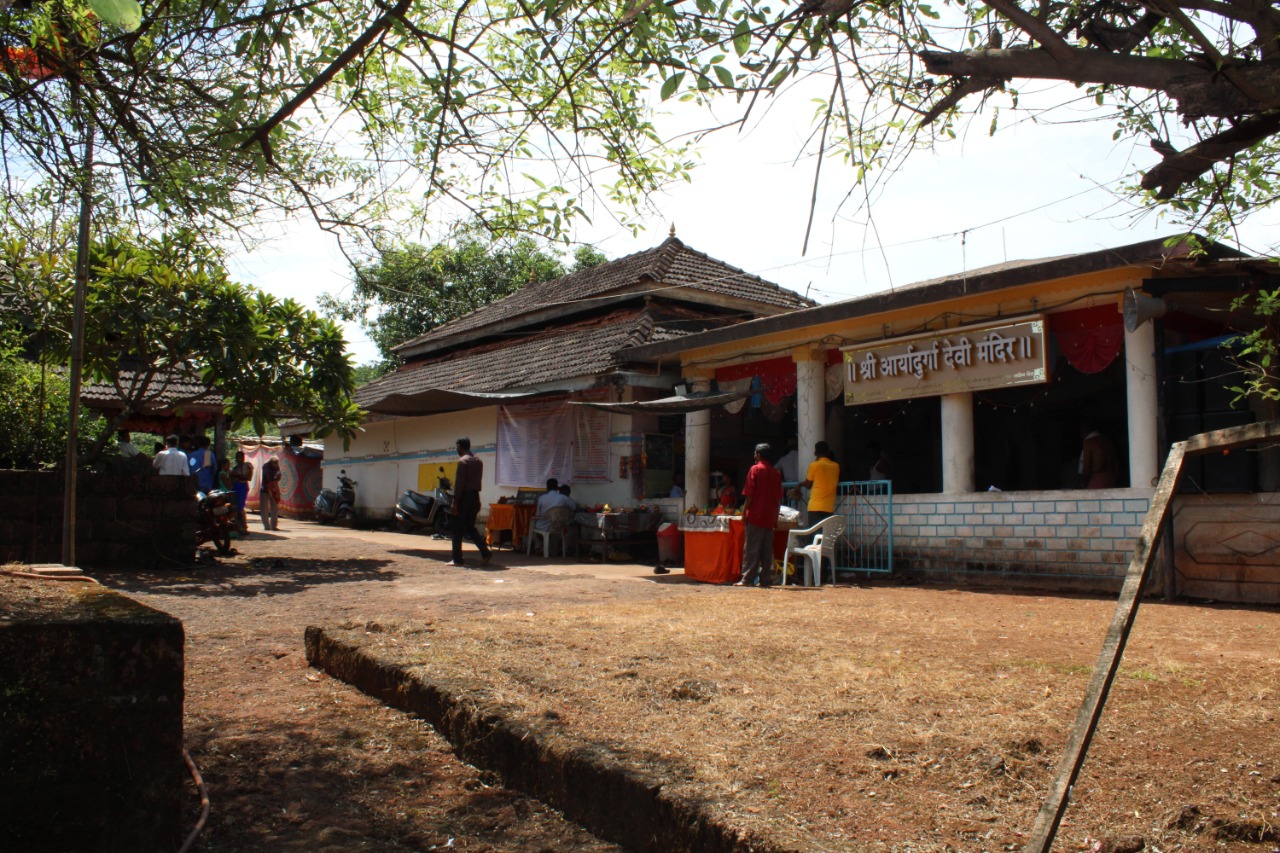
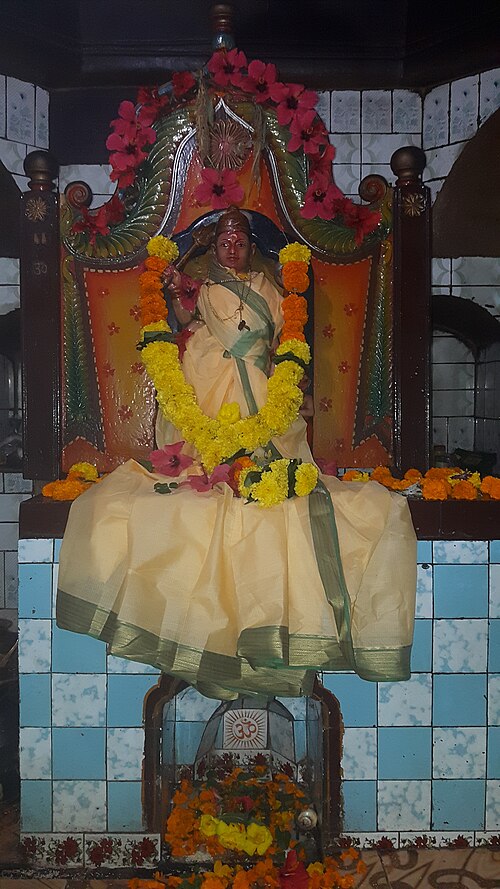
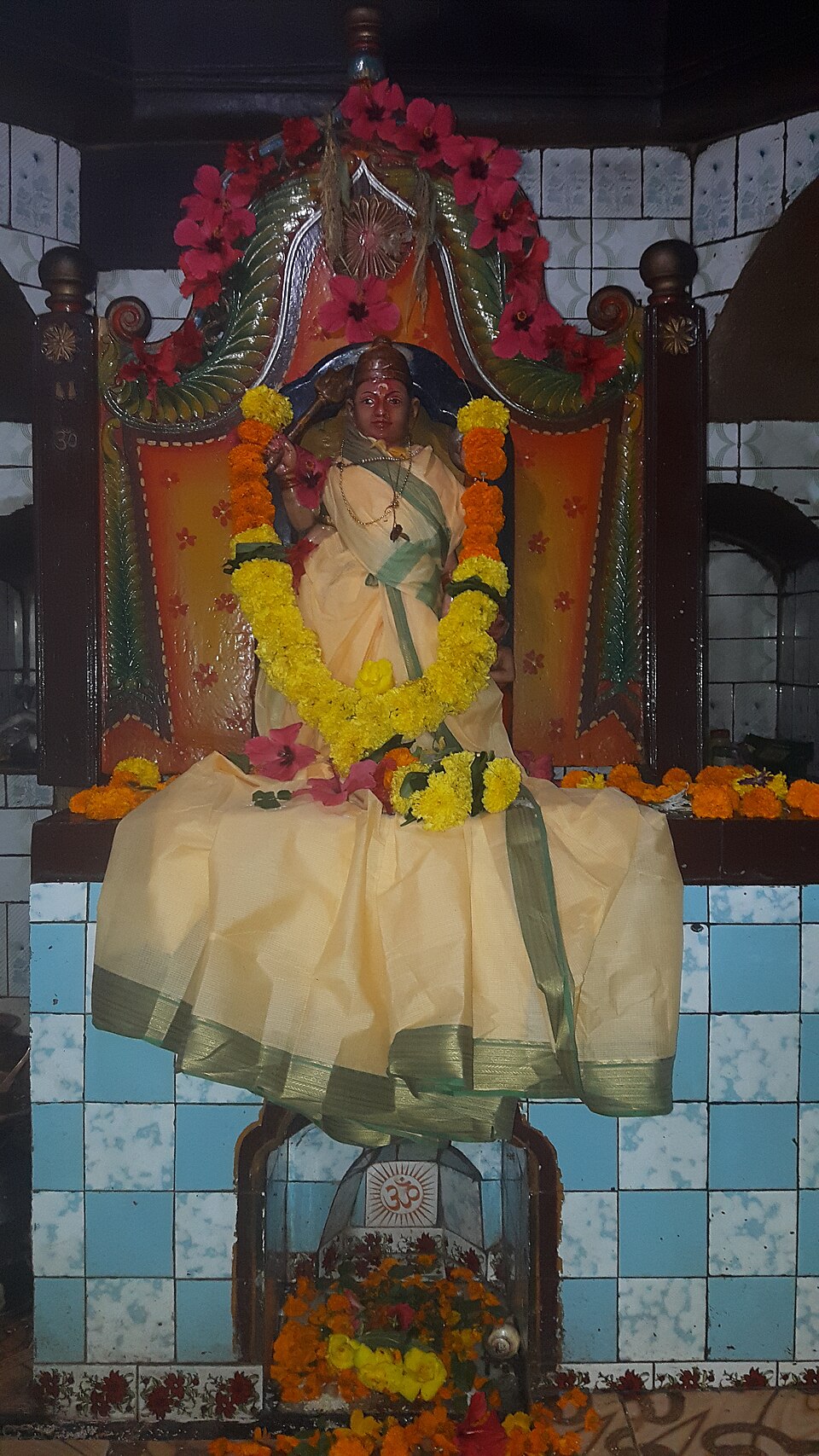
Aryadurga devi, Devihasol
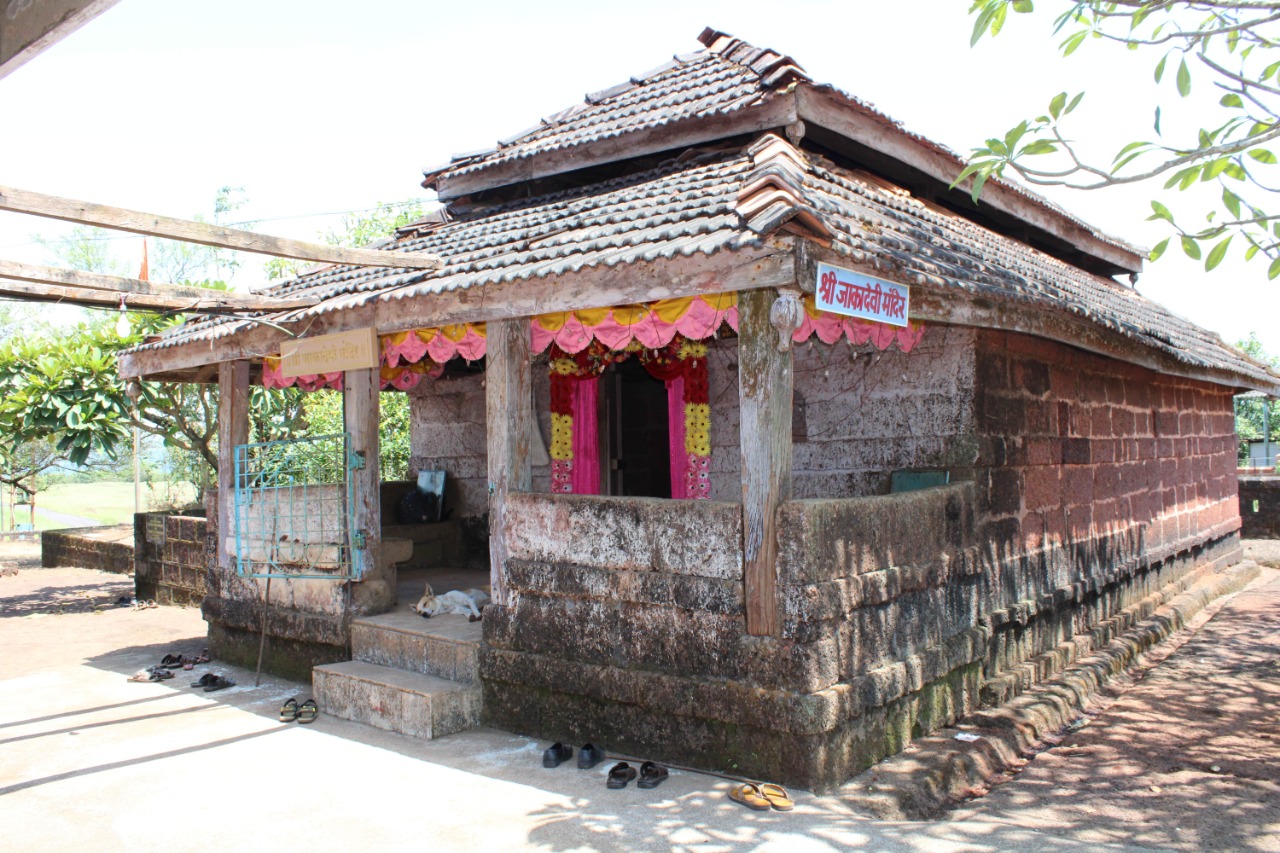
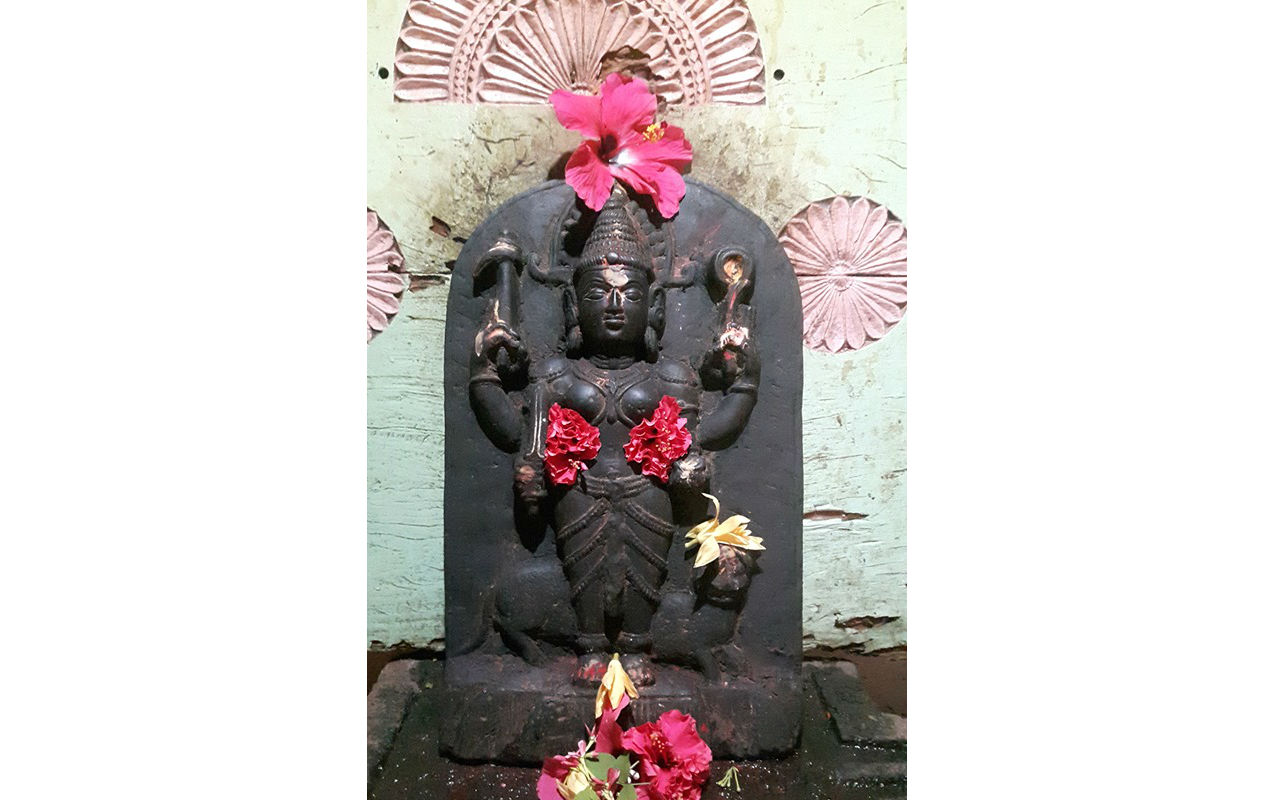
About Aryadurga devi, Devihasol
The temple maintains a structured daily schedule accommodating both ritual worship and public darshan. The gates open at 6:00 AM, with formal puja and aarti beginning at 7:00 AM and continuing until 9:00 AM. The morning aarti takes place at 7:00 AM. Following this, devotees may offer darshan and participate in religious rituals from 9:00 AM to noon. A naivedya (food offering) presentation occurs at midday, after which darshan and rituals resume from noon until 5:00 PM. Evening hours extend from 5:00 PM to 7:30 PM.
Visitors planning their trip should note these timings to align their visit with periods of active worship or quieter darshan hours according to their preference. The temple provides puja rooms available for booking, allowing devotees to arrange specific rituals or prayers.
Navratri Festival
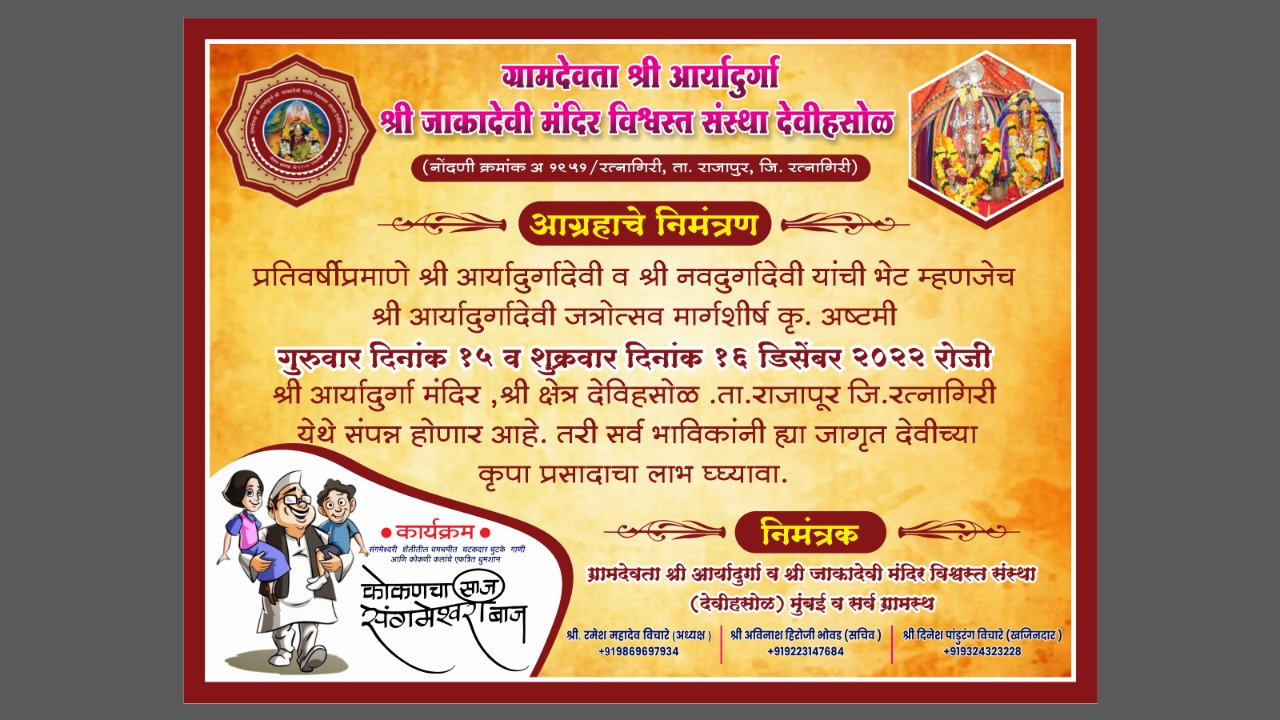
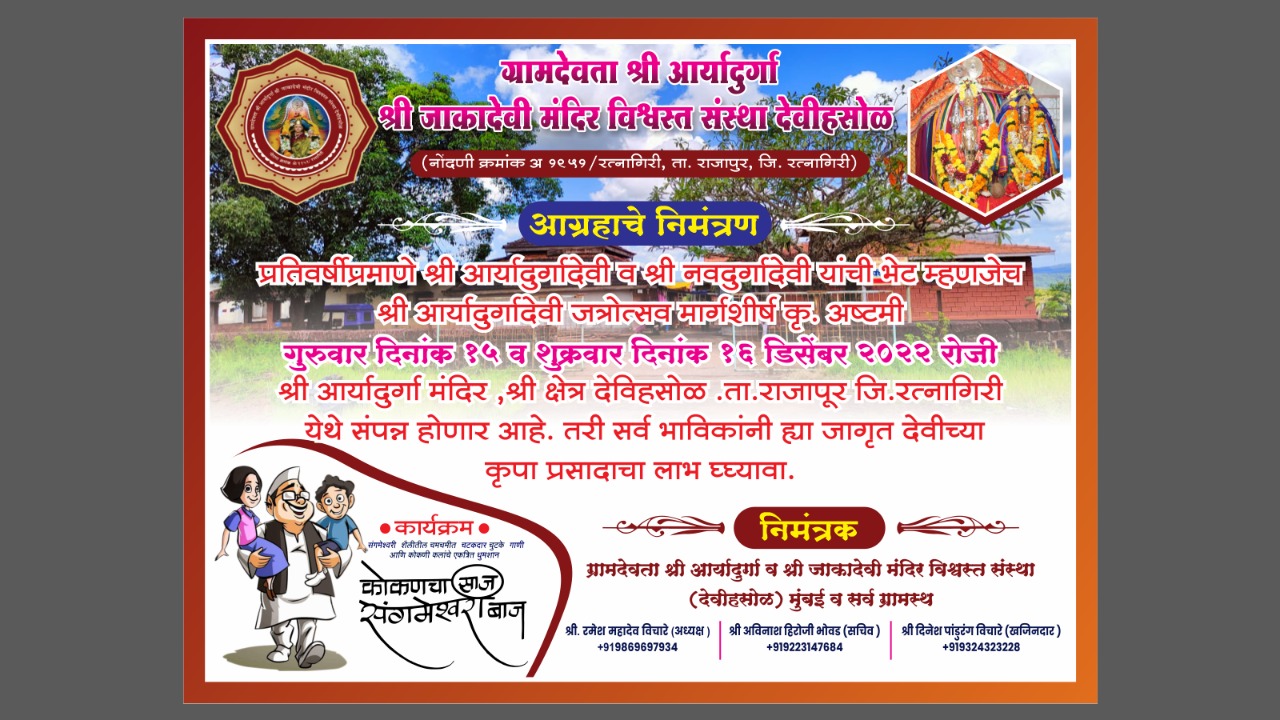
October brings the Navratri festival, with the eighth day (Ashtami) identified as the most significant time to visit the temple. During this period, a fair takes place at the shrine, drawing increased numbers of pilgrims. Navratri, the nine-night festival honouring the goddess in her various forms, holds particular importance at temples dedicated to divine feminine power. The festival represents a major annual observance at this shrine, though specific details of the celebrations and rituals performed during these nine days are not documented in available sources.
Practical Information for Visitors
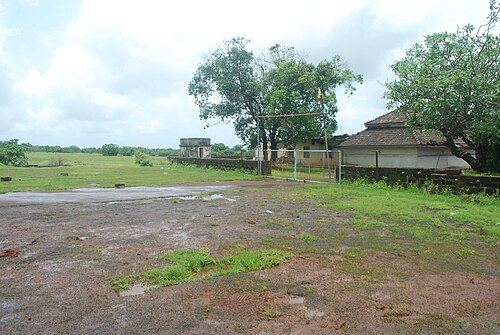
Devihasol lies approximately fifty kilometres from Ratnagiri and sixteen to twenty-two kilometres from Rajapur town, positioned on Maharashtra's western coastal region. The village's location in the Konkan area means visitors should be prepared for the region's climate and terrain. Standard temple etiquette applies: remove footwear before entering the sanctum, dress modestly, and maintain respectful behaviour during worship hours.
The temple maintains contact channels for inquiries and arrangements. Those wishing to book puja rooms or seek additional information may reach out through the temple's registered trust organisation. Accommodation facilities exist in the form of a bhakta nivas (pilgrim lodge), with information available through the temple administration.
Community and Significance
A distinctive feature of Devihasol village is the unity demonstrated by its residents across different social communities. The village population participates collectively in religious observances and life events, maintaining shared traditions regardless of individual backgrounds. This communal character extends to the temple, which serves as a focal point for the village's spiritual and social life.
The temple is registered as a formal trust institution, established to maintain the shrine and facilitate worship. This institutional framework supports the temple's operations and its role as a centre of devotion for numerous believers who regard it as an awakened place of divine presence.
Contact and Access
For inquiries regarding puja bookings, donations, or other temple matters, visitors may contact the temple trust at +91 9769907461, +91 9404151883, or +91 9029400456. Email contact is available at shreeaaryadurgadevi@gmail.com. The temple's official website provides additional information in both Marathi and English, including details about festivals, accommodation, and religious services.
How to reach
Temples near Aryadurga devi, Devihasol
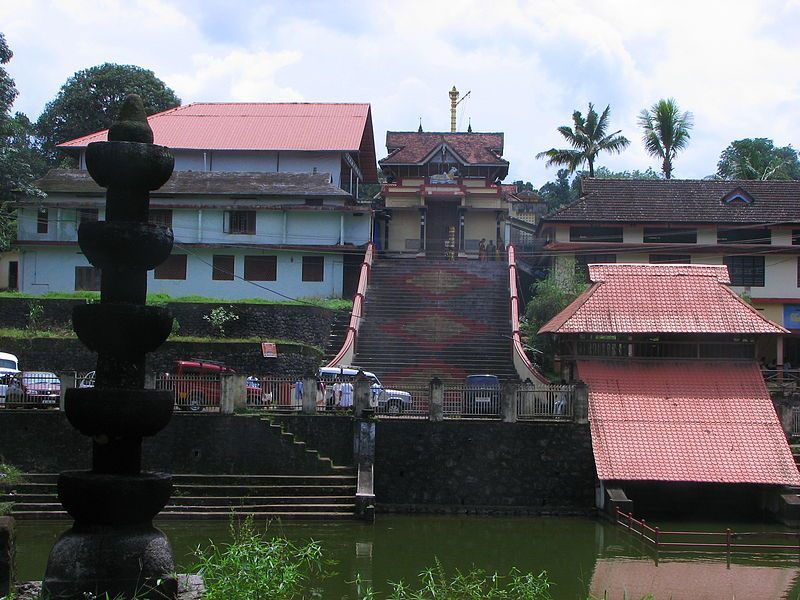
Mahakali Temple, Adiware
Mahakali Temple in Adiware is a devotional shrine dedicated to the goddess Mahakali, located in the Ratnagiri district of Maharashtra.
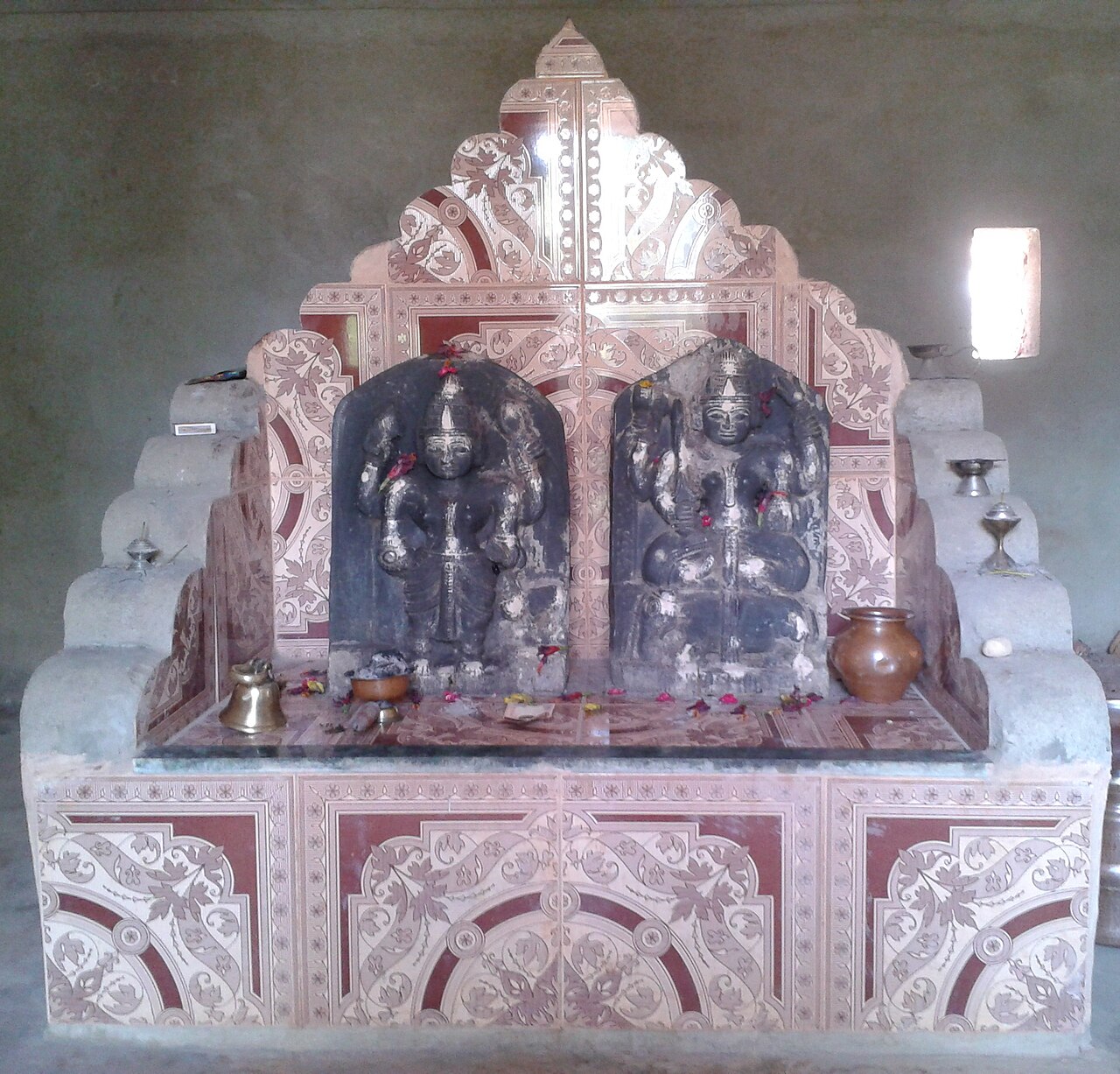
Shri Aday Durgay Temple
Shri Aday Durgay Temple, established before the 15th century near Rameshwar village in Maharashtra, is a modest forest shrine dedicated to two goddesses and serves as the clan d…
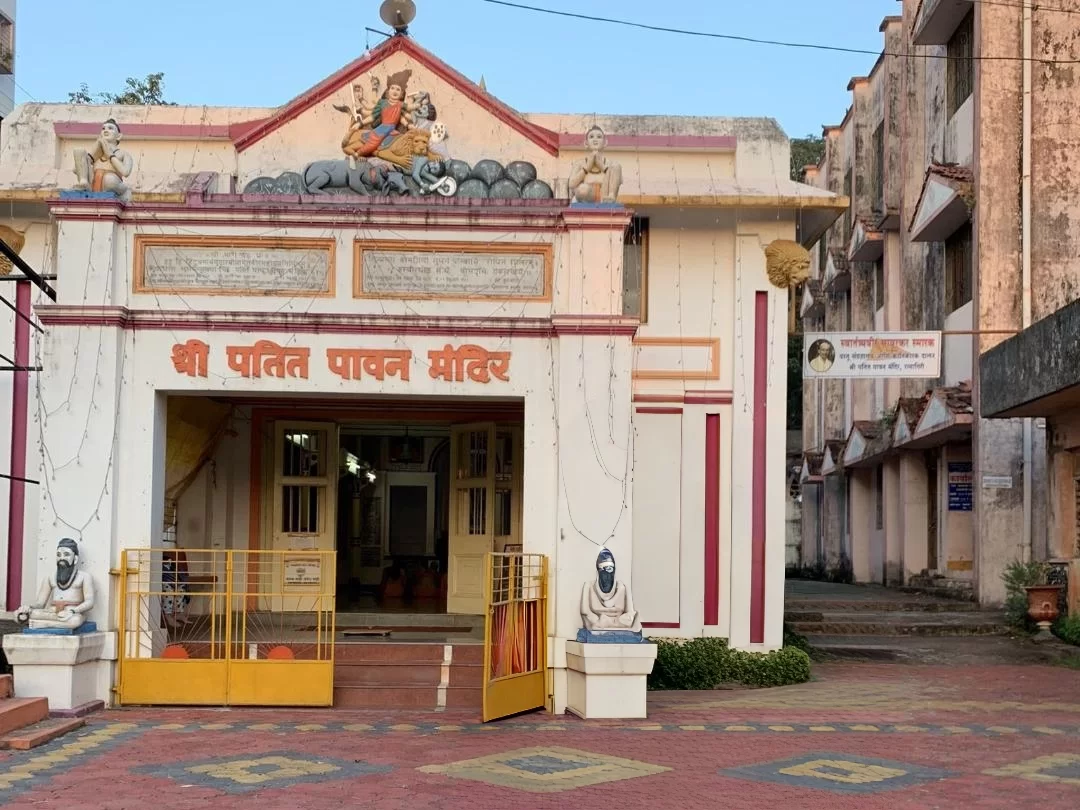
Patit Pavan Mandir
Patit Pavan Mandir in Ratnagiri is a Hindu temple dedicated to Lord Rama, built between 1929 and 1931 by Bhagoji Baloji Keer. The temple's name means 'the purifier of the fallen…
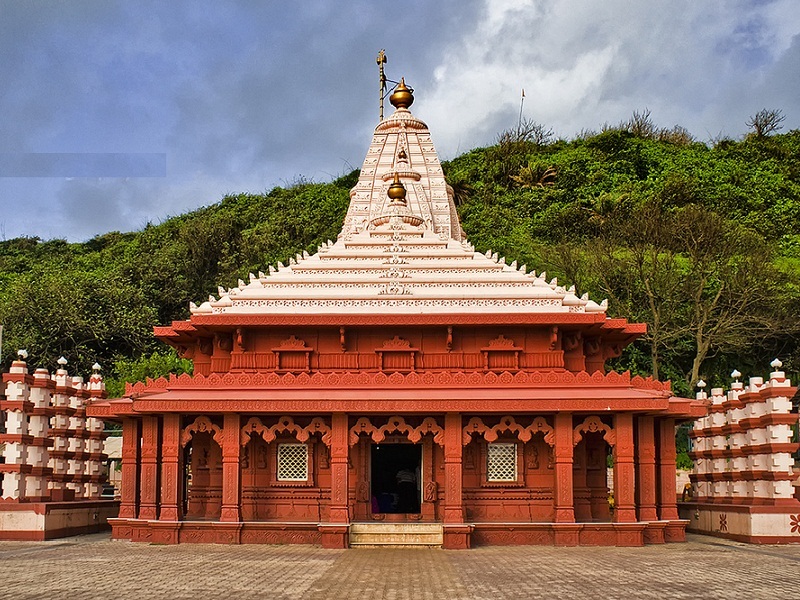
Swayambhu Ganpati Temple
An ancient seaside temple on the Konkan coast dedicated to Lord Ganesha, featuring a self-manifested idol believed to have emerged from the earth approximately four centuries ago.
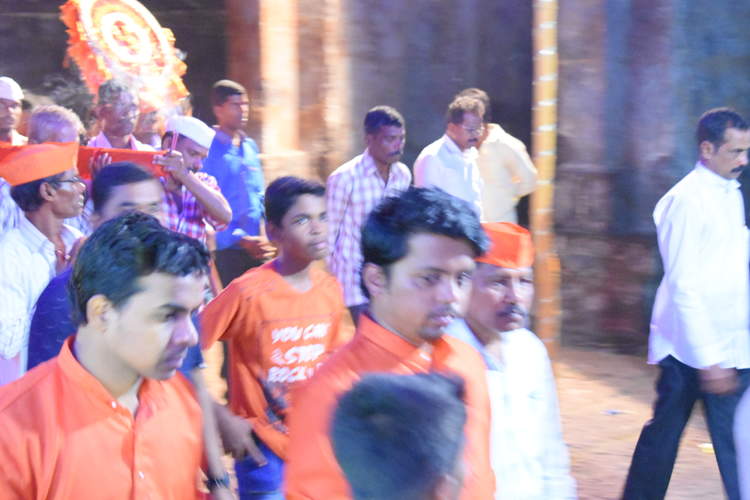
Shri Dev Rameshwar Temple
A 16th-century Shiva temple in Maharashtra's Konkan region, distinguished by a remarkable rock-cut approach fifty feet deep and a four-armed silver idol of Shiva seated on a bull.
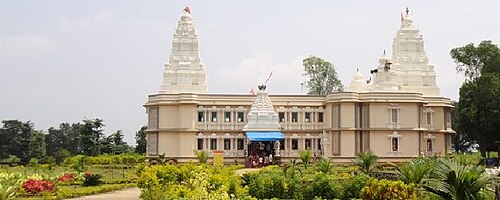
Bhawani Waghjai Temple, Terav
The Shree Bhawani Waghjai Temple in Terav, Maharashtra is a Hindu shrine dedicated to the goddesses Bhawani and Waghjai, established around 1860 in the coastal Ratnagiri district.