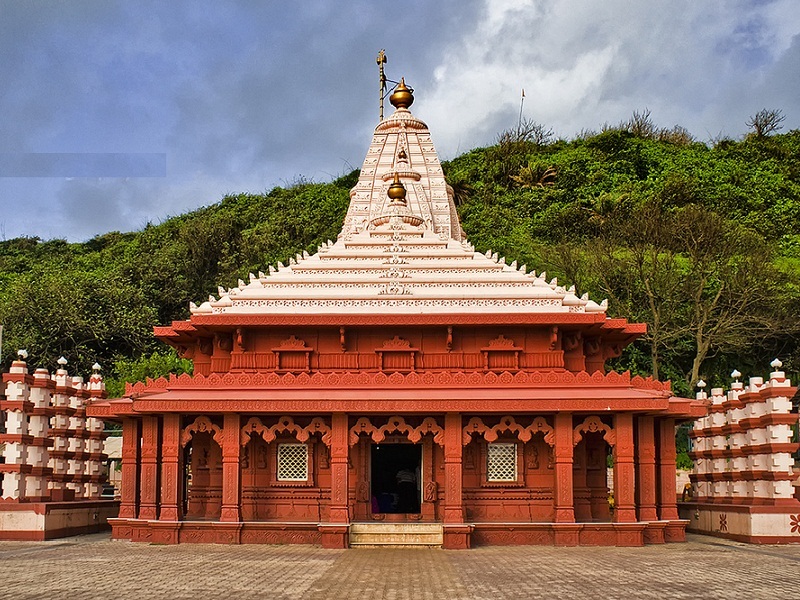
Swayambhu Ganpati Temple
About Swayambhu Ganpati Temple
The temple maintains two daily darshan periods: morning hours from 6:00 AM to 12:00 PM, and evening hours from 4:00 PM to 9:00 PM. Both sessions include formal aartis—the morning aarti and evening aarti—which are central to the temple's ritual life. These ceremonies involve the ceremonial offering of light and prayers to the deity, drawing devotees who wish to participate in the temple's communal worship.
Visitors should confirm exact timings before arrival, as schedules may shift with seasonal changes and festival observances. The extended darshan windows accommodate both early risers and those visiting in the late afternoon or evening.
Planning Your Visit
The optimal season for visiting Ganpatipule extends from October through March, when coastal weather is most favorable. The monsoon and summer months bring heat and humidity that can make the beach location less comfortable for extended stays.
Dress modestly when entering the temple, following Hindu temple conventions of respectful attire. Shoes are typically removed before entering the sanctum. Visitors should move through the temple with quiet reverence during aartis and avoid photography in areas where it may disturb worship. As with most Hindu temples, menstruating women may face restrictions on entering the inner sanctum—check current temple protocols upon arrival.
The beach setting means the temple area may have limited facilities compared to larger urban shrines. Carry water and sun protection, particularly during midday visits. Accommodation and dining options exist in the Ganpatipule area, though availability varies seasonally.
Ganesha Worship in Hindu Tradition
Ganesha holds a foundational place in Hindu devotion as the remover of obstacles and the deity invoked at the beginning of rituals and undertakings. Temples dedicated to Ganesha typically attract devotees seeking blessings for new ventures, the resolution of difficulties, and spiritual progress. The elephant-headed god is honored across India in countless forms and locations, yet each shrine develops its own character through local history and the particular circumstances of its establishment.
At Swayambhu Ganpati, the self-manifested nature of the deity adds a layer of spiritual significance for pilgrims who believe they are encountering Ganesha in a form that emerged directly from the sacred geography of the Konkan coast.
The Coastal Pilgrimage Context
The Konkan coast has long held spiritual importance in Hindu geography, and Ganpatipule represents one node in a network of sacred sites along this stretch of Maharashtra's shoreline. The combination of ocean, beach, and temple creates a distinctive pilgrimage experience—one that integrates the natural landscape with devotional practice. Visitors often combine their temple visit with time spent on the beach, allowing the coastal setting to deepen their spiritual engagement.
The temple's location makes it accessible to both local devotees and travelers moving through the region, contributing to its role as a popular coastal pilgrimage destination.
Getting There
Ganpatipule is located in Maharashtra at coordinates 17.144468, 73.266439. The site sits on Ganpatipule Beach, making it identifiable by its seaside position. Visitors traveling to the Konkan region can reach the temple by road; the nearest significant towns and transport hubs should be confirmed through current travel resources, as road conditions and transport options may change seasonally.
How to reach
Temples near Swayambhu Ganpati Temple
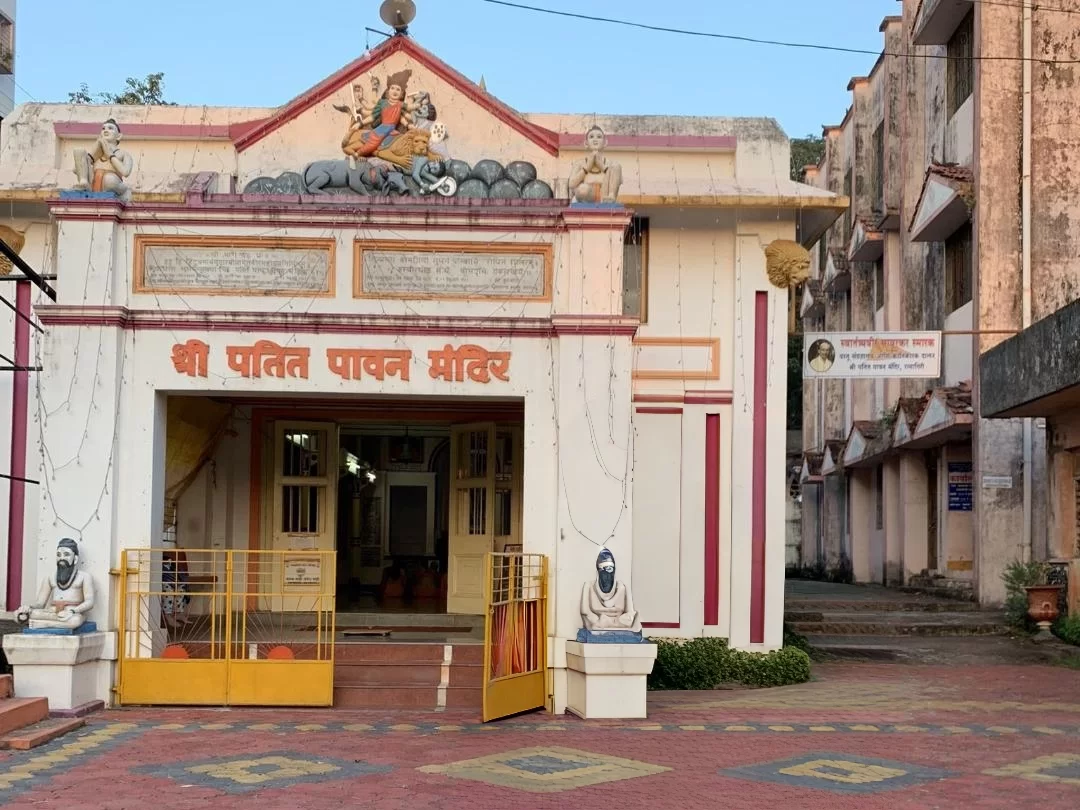
Patit Pavan Mandir
Patit Pavan Mandir in Ratnagiri is a Hindu temple dedicated to Lord Rama, built between 1929 and 1931 by Bhagoji Baloji Keer. The temple's name means 'the purifier of the fallen…
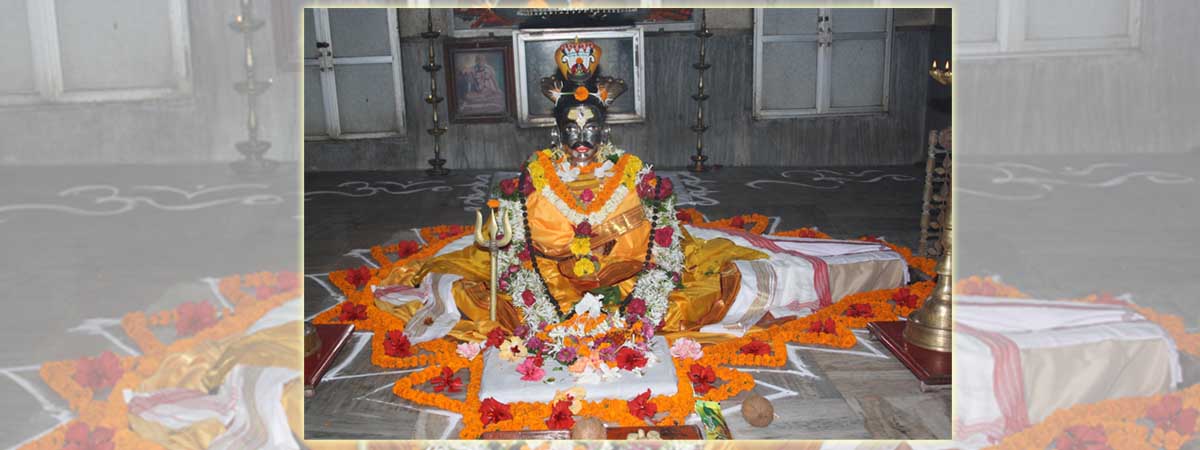
Shree Dev Vyadeshar
Shree Dev Vyadeshwar Temple at Guhagar in Ratnagiri district is an ancient sacred site established by Lord Parshuram, dedicated to the deity Vyadeshwar and serving as a spiritua…
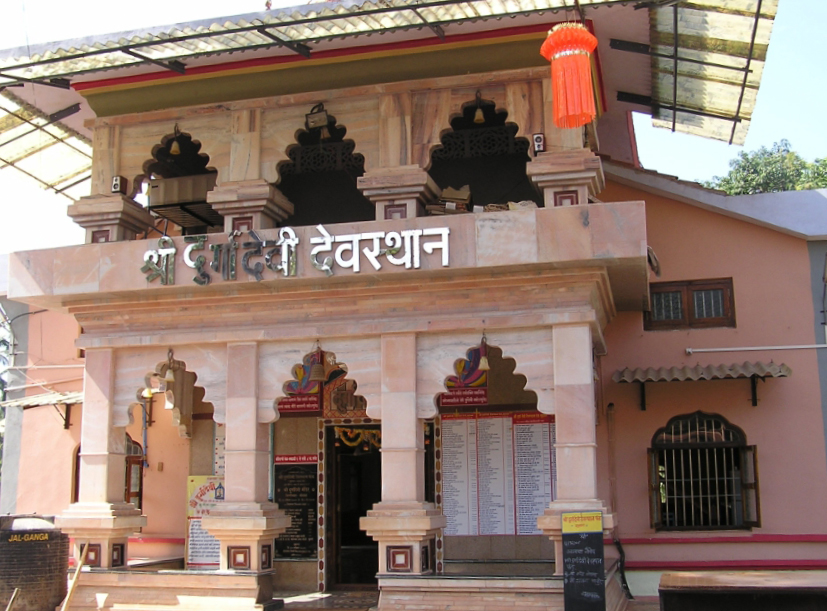
Durga Devi temple, Guhagar
Durga Devi temple in Guhagar, Ratnagiri district, Maharashtra, is a shrine dedicated to the goddess Durga established in 1715. The temple draws devotees year-round and hosts maj…
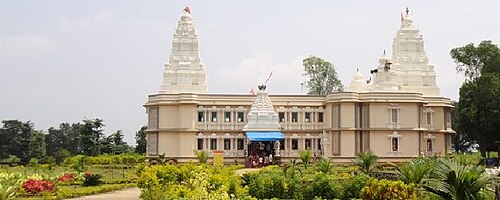
Bhawani Waghjai Temple, Terav
The Shree Bhawani Waghjai Temple in Terav, Maharashtra is a Hindu shrine dedicated to the goddesses Bhawani and Waghjai, established around 1860 in the coastal Ratnagiri district.
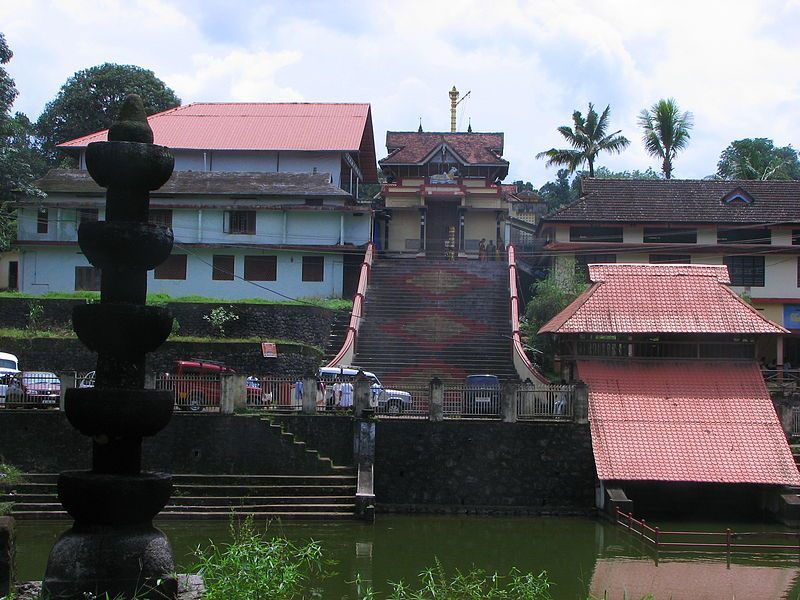
Mahakali Temple, Adiware
Mahakali Temple in Adiware is a devotional shrine dedicated to the goddess Mahakali, located in the Ratnagiri district of Maharashtra.
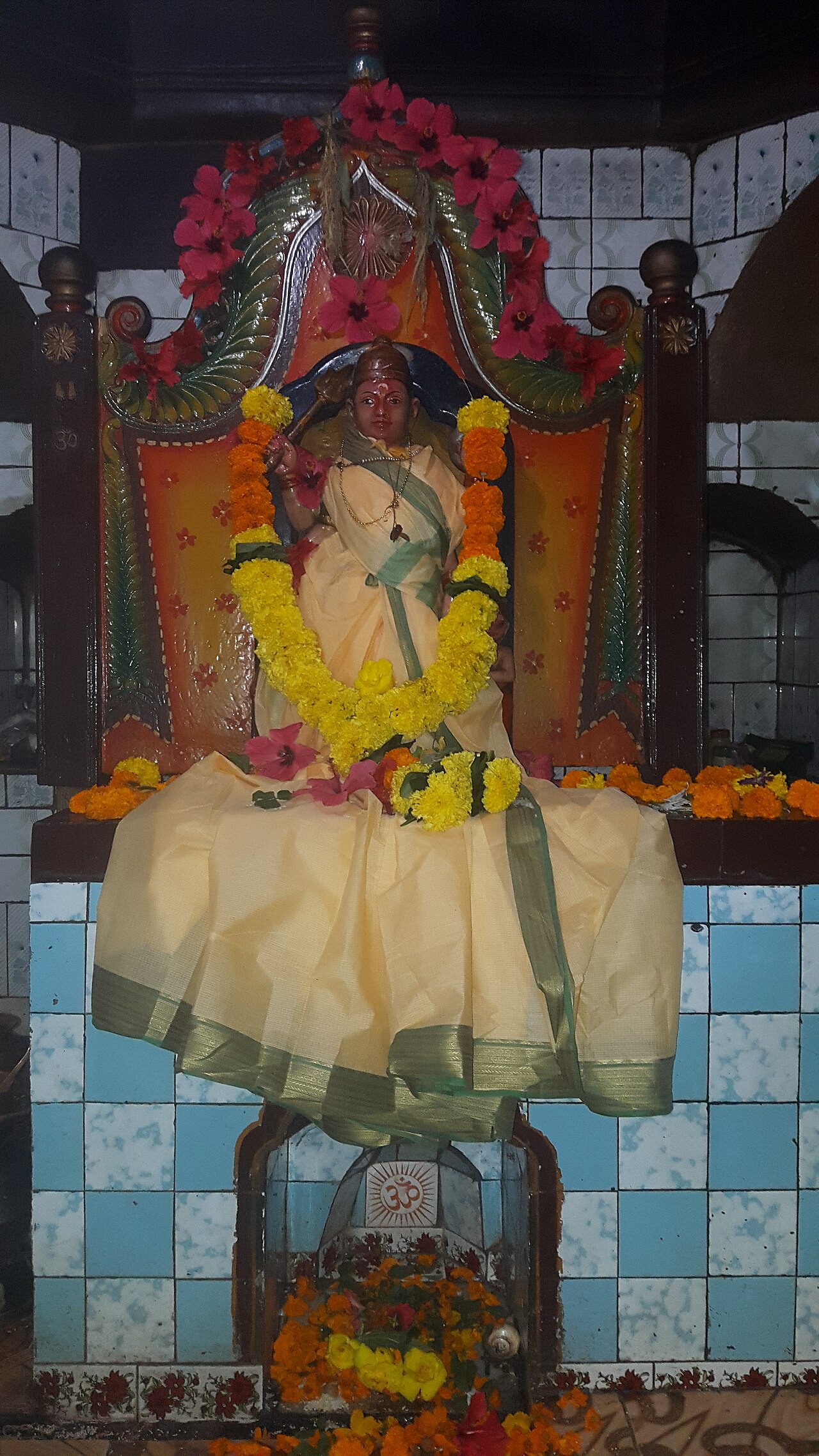
Aryadurga devi, Devihasol
Aryadurga Devi temple in Devihasol is a sacred Hindu shrine dedicated to Goddess Aryadurga, the Kuldevi of many Karahde Brahmins, located in the scenic Konkan region of Maharash…