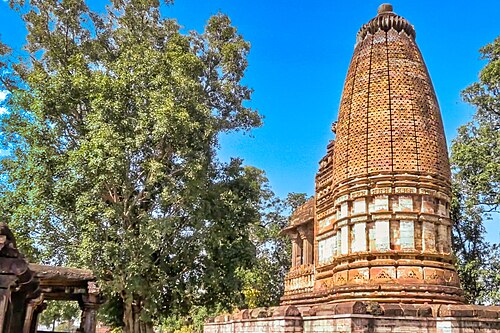
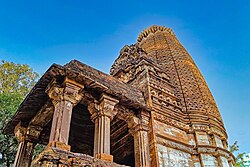
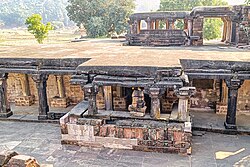
Shiva temple and monastery, Chandrehe
About Shiva temple and monastery, Chandrehe
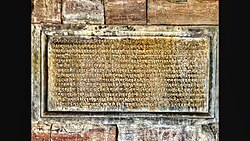
Adjoining the main temple stands a mutt, or monastery, which functioned as a residential and educational centre for practitioners of Saiva Siddhanta. The monastery's preservation of Sanskrit inscriptions indicates its importance as a repository of religious and historical knowledge. Temples of the Saiva Siddhanta tradition typically maintained such monastic communities where monks engaged in spiritual discipline, study of sacred texts, and the transmission of philosophical teachings. The physical proximity of the monastery to the temple reflects the integrated spiritual life characteristic of this tradition, where contemplative practice and ritual worship supported one another.
Location and Surroundings
Chandreh village lies in Rampur Naikin block within Sidhi district, Madhya Pradesh. The temple occupies a notable geographical position near the confluence of the River Son and the Banas, two significant waterways in central India. This location near the meeting of rivers would have held spiritual significance for devotees, as such confluences are traditionally considered auspicious in Hindu practice. The village setting provides a rural context for the temple, situated approximately 60 kilometres from Parsili Resort.
Visiting the Temple
Visitors should plan their journey with transport in mind, as Chandreh is a village location without major urban infrastructure nearby. The nearest railway stations are Marwasgram (40 kilometres away), Majhauli in Sidhi, Rewa (87 kilometres), and Satna (142 kilometres). For air travel, Bamrauli Airport in Allahabad, Uttar Pradesh, lies approximately 157 kilometres distant. Sidhi district benefits from good road connectivity via National Highway 39 and other routes, making access by private vehicle feasible. Visitors should dress modestly when entering the temple, as is customary in Hindu places of worship. Specific information regarding darshan timings, entry fees, or facilities such as accommodation or prasad distribution is not documented in available sources; enquiries with the District Administration Sidhi or local village contacts would provide current details.
The Saiva Siddhanta Tradition
The temple's association with Saiva Siddhanta places it within a philosophical and devotional tradition that emphasizes the worship of Shiva and the liberation of the soul through knowledge and grace. This South Indian school of Shaivism developed sophisticated theological frameworks and ritual practices. Temples of this tradition typically feature worship centred on Shiva in various forms, with emphasis on the guru-disciple relationship and the transmission of spiritual knowledge. The establishment of the Chandreh temple by a guru to royal patrons reflects the historical pattern of Saiva teachers gaining influence at courts and establishing institutional centres for their teachings.
Practical Information for Visitors
Before visiting, travellers should verify current opening hours and any seasonal closures by contacting the District Administration Sidhi or local village authorities. The temple's age and historical significance mean it may have limited modern facilities; visitors should come prepared with water and sun protection. Photography policies are not documented; it is respectful to ask permission before photographing the temple or inscriptions. The site's archaeological and historical importance means that the Sanskrit inscriptions within the monastery are valuable records; visitors should view these with appropriate reverence and care. Those interested in the history and architecture of 10th-century Shaiva temples will find Chandreh a site of genuine scholarly and spiritual interest, though one requiring some effort to reach.
How to reach
Temples near Shiva temple and monastery, Chandrehe
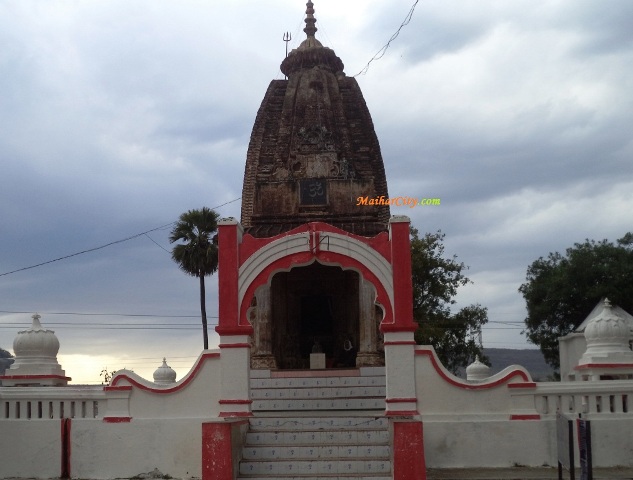
Maa Sharda Mandir, Maihar
Maa Sharda Mandir, perched atop Trikut Hill in Maihar, is a revered Shakti Peetha dedicated to Goddess Sharda, believed to be an incarnation of Saraswati and worshipped for wisd…
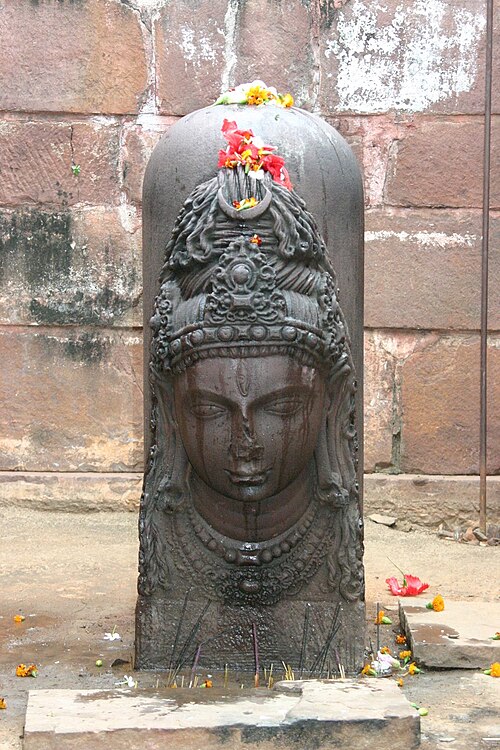
Bhumara Temple
Bhumara Temple is a 5th or 6th-century Gupta-era stone temple dedicated to Shiva near Satna, Madhya Pradesh, notable for its early enclosed pradakshina-patha and intricate sculp…
Nachna-Kuthara
Nachna-Kuthara comprises a complex of early stone Hindu temples in Panna district, Madhya Pradesh, representing some of central India's oldest surviving temple structures from t…
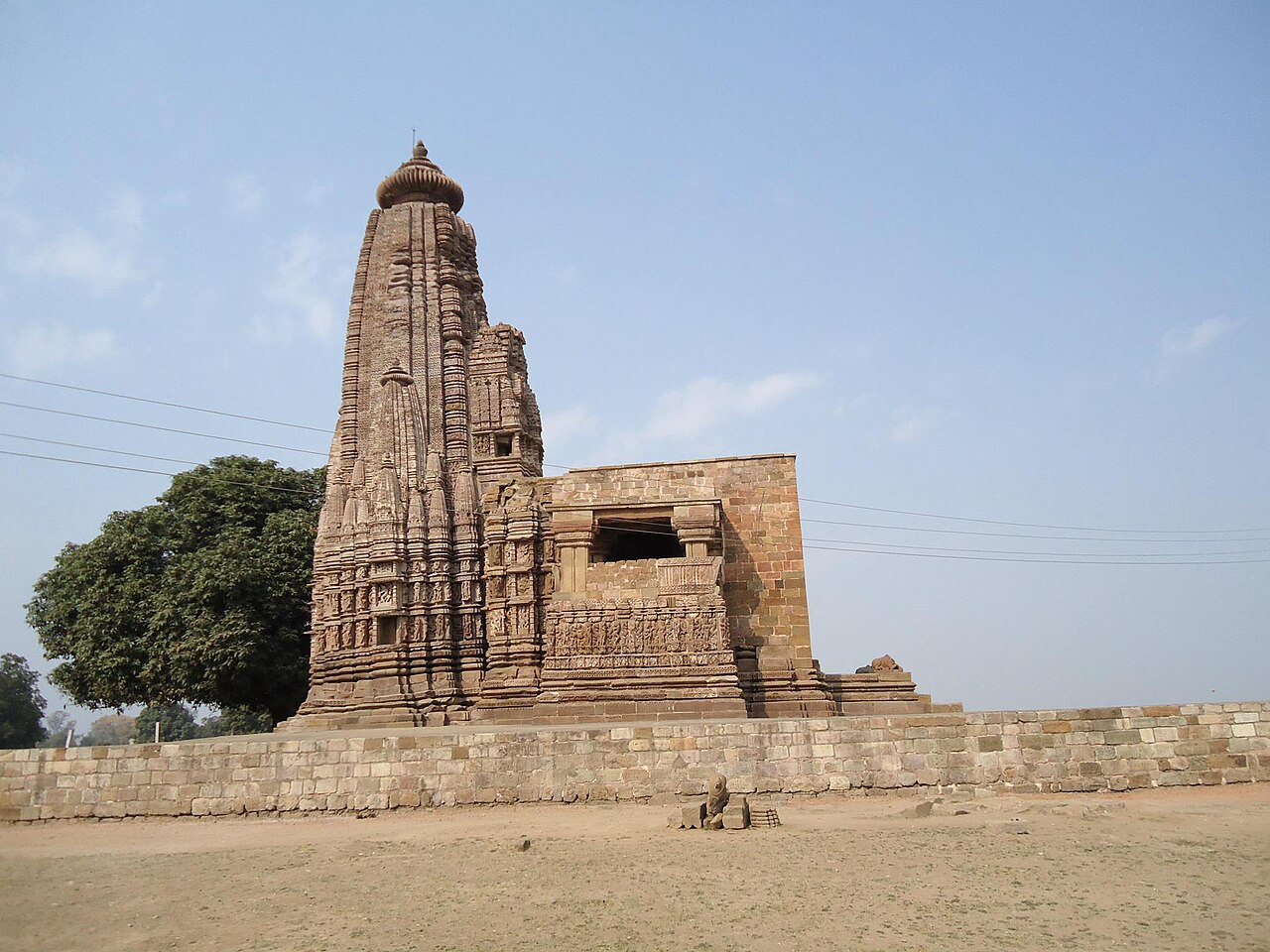
Virateshwar temple, Sohagpur
Virateshwar temple is an ancient shrine dedicated to Lord Shiva located in Sohagpur, Shahdol district, Madhya Pradesh. Built during the Kalchuri era, this 70-foot-tall structure…
Tulsi Peeth
Tulsi Peeth is a religious and social service institution established in 1987 at Janki Kund, Chitrakoot, Madhya Pradesh, believed to be the sacred site where Lord Rama gave his…

Baba Gangeshwarnath Dham
Baba Baidyanath Dham in Deoghar, Jharkhand, is the 9th of the twelve sacred Jyotirlingas of Lord Shiva, uniquely recognized as both a Jyotirlinga and Shakti Peetha. The temple d…