Shenbagavalli Amman Temple, Payanam
About Shenbagavalli Amman Temple, Payanam
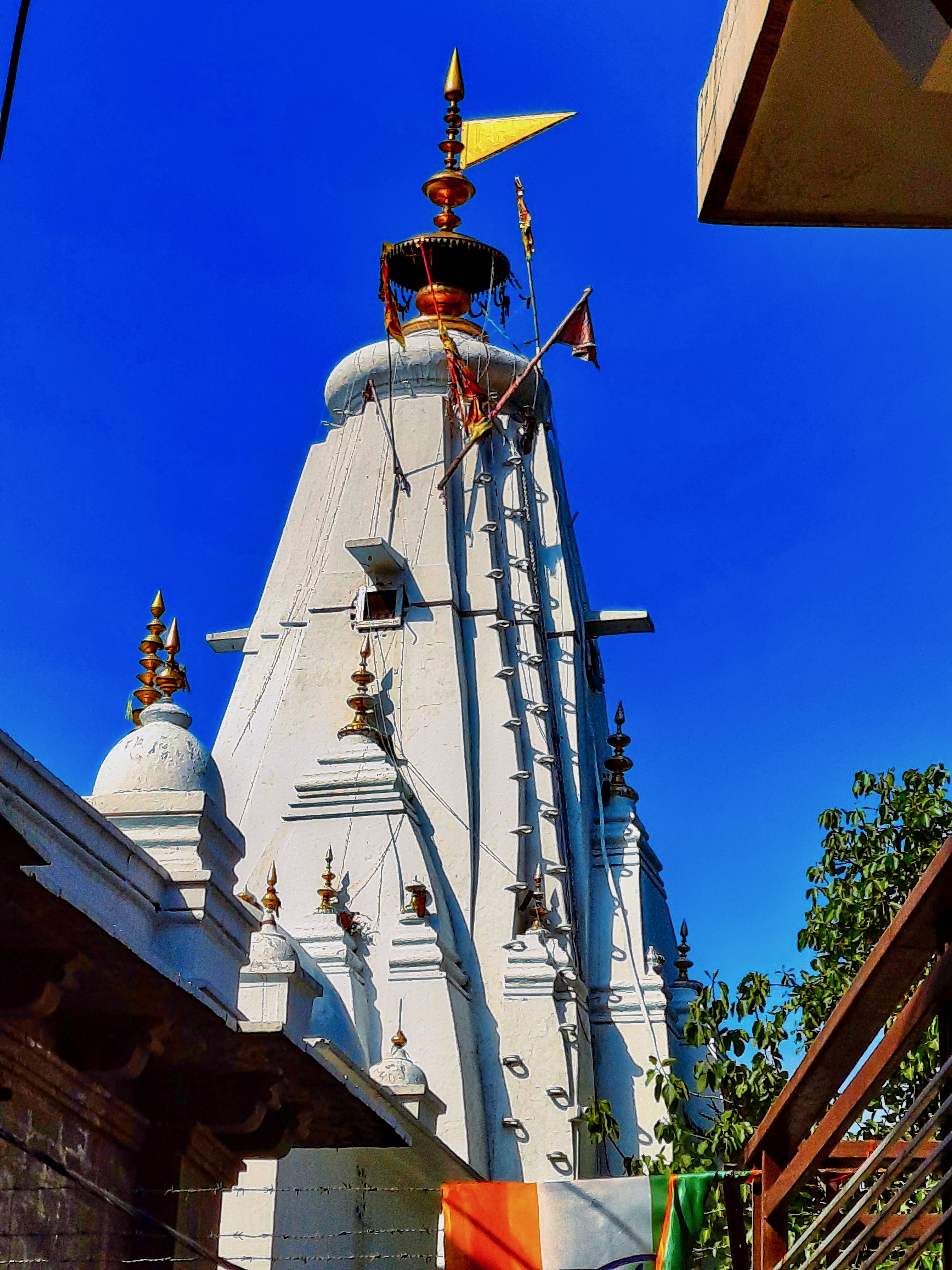
The temple's most distinctive architectural feature is the placement of its sanctum sanctorum below the vimana, the tower that crowns the shrine. This sanctum is supported by the aforementioned 17 pillars, creating a harmonious integration of symbolic numerology and structural engineering. The temple complex extends beyond the main shrine to include a Sacred Fig tree and a Banyan tree situated outside the sanctum, both of which hold significance in Hindu temple landscapes.
The overall design reflects the architectural traditions of Tamil Nadu's temple heritage, where such careful coordination between numerical symbolism and physical structure is characteristic of devotional spaces.
Daily Worship and Darshan
The temple opens for darshan during two periods each day: morning hours from 6:00 to 11:00 and evening hours from 4:00 to 8:00. These timings allow devotees to visit at times suited to their schedules, whether early morning or after evening activities. Visitors should note that timings may vary on festival days, and it is advisable to confirm the schedule with the temple before travelling, particularly if planning a visit around special occasions.
Daily rituals form the rhythm of worship at the temple, though specific details of these ceremonies are not documented in available sources.
The Annual Festival
The temple's most significant observance is its annual festival, held in late February or early March. During this period, the shrine draws numerous devotees who participate in grand processions through Payanam village and the surrounding areas. The festival represents the year's peak time for pilgrimage to the temple and offers visitors the opportunity to witness the community's collective devotion and the temple's ceremonial life at its fullest.
Visiting the Temple
Shenbagavalli Amman Temple is located in Payanam village within Vilavancode taluk, Kanyakumari district—the southernmost district of Tamil Nadu. The temple sits approximately 4 kilometers from Marthandam, a reference point for those navigating the region. The precise coordinates are 8.1933°N, 77.4342°E, which can be entered into mapping applications for navigation.
Visitors should plan their visit according to the posted darshan timings and remember that these may shift during festival periods. As with most Hindu temples, modest dress is customary—clothing that covers shoulders and knees shows respect for the sacred space. Devotees typically remove footwear before entering the sanctum area. Specific information about facilities, prasad distribution, or donation practices is not detailed in available sources, so visitors may wish to inquire upon arrival or contact the temple in advance.
Best Time to Visit
Late February and early March represent the optimal time to visit, coinciding with the annual festival when the temple's spiritual and social life reaches its peak. Beyond the festival season, the temple welcomes visitors during its regular darshan hours year-round. The rural setting of Payanam offers a quieter, less crowded experience than larger pilgrimage centers, making it suitable for those seeking a more intimate encounter with the shrine and its community.
How to reach
Temples near Shenbagavalli Amman Temple, Payanam
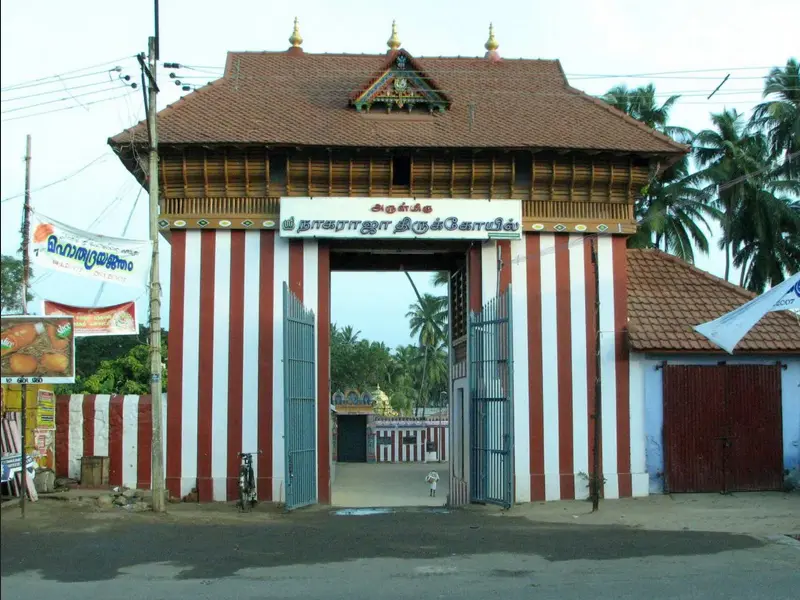
Nagaraja Temple, Nagercoil
The Nagaraja Temple in Nagercoil is an ancient shrine dedicated to the serpent deity, likely predating the 12th century. Since the 17th century, it has expanded to include shrin…

Thanumalayan Temple
The Thanumalayan Temple in Suchindram uniquely houses the Trimurti—Brahma, Vishnu, and Shiva—within a single sanctum, serving both Shaivite and Vaishnavite traditions. Built dur…
Bhoothalingaswamy Temple
The Bhoothalingaswamy Temple in Boothapandi is an ancient shrine dedicated to Lord Shiva, distinguished by its traditional South Indian architectural features and centuries of r…
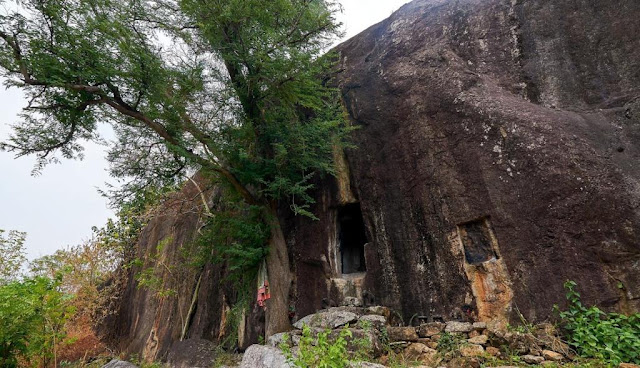
Kurathiyarai Vishnu Cave temple, Kanyakumari
Kurathiyarai Vishnu Cave Temple in Thovalai is an 8th-century rock-cut cave shrine housing a high-relief image of Lord Vishnu in standing posture with four hands holding a conch…
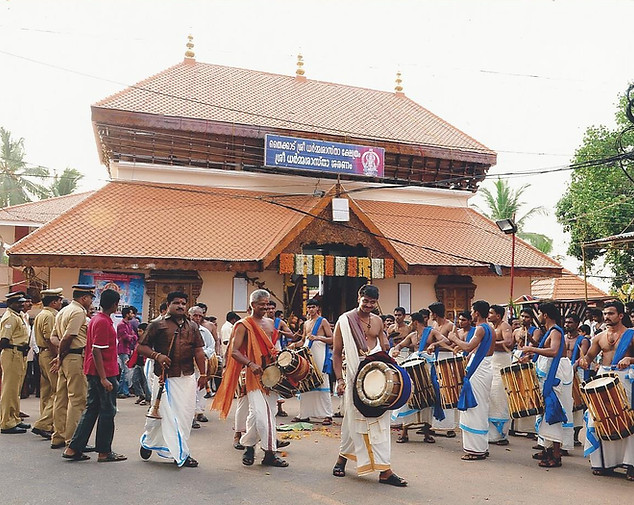
Agastheeswaram Agastheeswarar Temple
Agastheeswarar Temple in Pancheshti, Kanyakumari district, is an ancient Shiva temple over 1,000 years old, believed to be founded by Sage Agasthiyar who performed five sacred y…
Bharat Mata Temple, Kanyakumari
Bharat Mata Temple in Kanyakumari houses a 15-foot bronze idol of Bharat Mata and features the Ramayana Darshan exhibition with 108 painted panels depicting episodes from the Va…