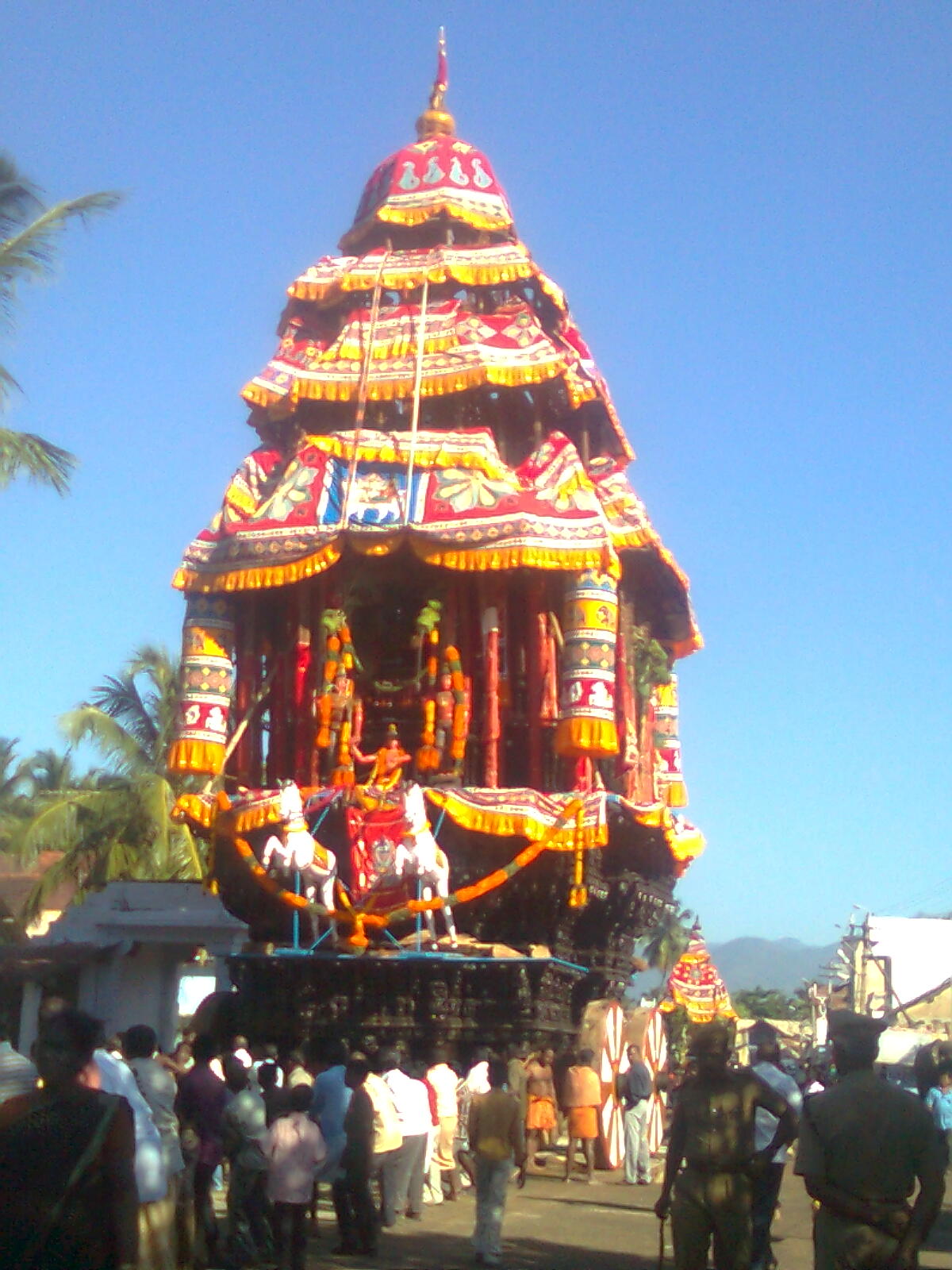
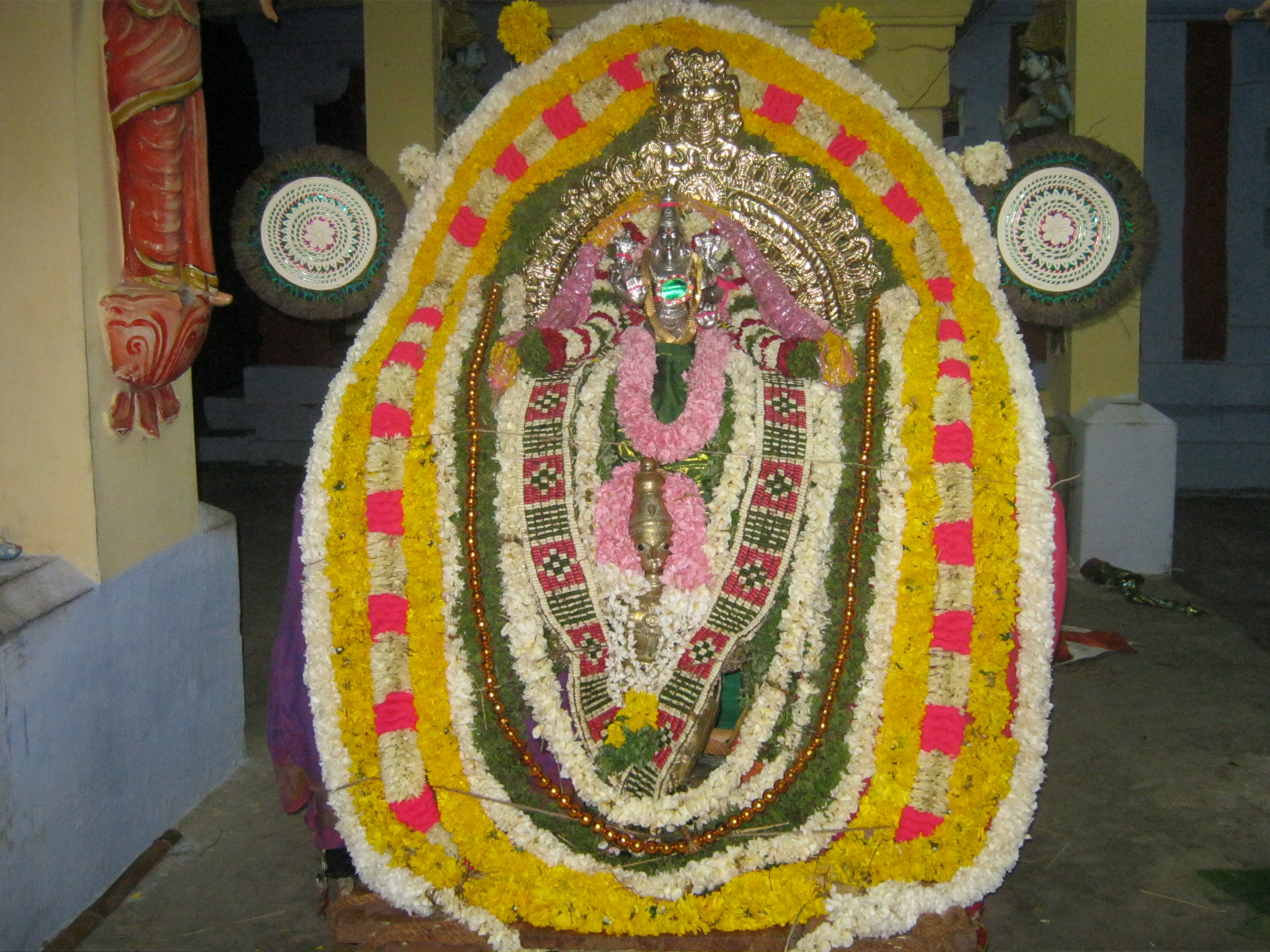
Bhoothalingaswamy Temple
About Bhoothalingaswamy Temple
The temple is distinguished by its ancient architectural features, which reflect the building traditions of South Indian temple construction. Visitors approaching the temple will encounter structures that speak to centuries of religious practice, though detailed architectural descriptions—such as the specific style period, dimensions of the sanctum, or notable sculptural elements—are not available from current sources. Those with particular interest in temple architecture may wish to observe the construction techniques and design elements in person.
Visiting the Temple
The temple is situated in Boothapandi village, accessible by road from Nagercoil. The coordinates 8.2631°N, 77.449024°E mark the temple's location for those using GPS navigation. Visitors should plan their journey accounting for the 7-kilometre distance from Nagercoil town.
As with most Hindu temples dedicated to Shiva, visitors are expected to observe standard practices: removing footwear before entering the sanctum, maintaining respectful behaviour within the temple grounds, and dressing modestly. Women may be subject to restrictions during menstruation, as is customary in many traditional Hindu temples. Specific information about the temple's daily opening hours, darshan timings, or seasonal variations is not available from current sources, so it is advisable to contact local authorities in Nagercoil or the temple directly before planning a visit.
Worship and Rituals
Shiva temples typically conduct daily rituals centred on the linga form, with worship occurring at set times throughout the day. Devotees traditionally offer prayers, flowers, and other offerings at the sanctum. The specific rituals performed at Bhoothalingaswamy Temple—such as abhisheka (ritual bathing of the linga), arati (ceremonial light offerings), or other sevas—are not detailed in available sources. Visitors wishing to participate in or observe particular rituals should seek current information from temple staff upon arrival.
Festivals and Observances
Details regarding specific festivals celebrated at this temple are not documented in the available sources. However, temples dedicated to Shiva across South India typically observe festivals such as Maha Shivaratri (the great night of Shiva) and Arudra Darshan. Local festivals particular to Boothapandi or this specific temple may exist but are not recorded here. Visitors interested in attending festival celebrations should inquire locally about the temple's annual calendar.
Practical Information for Visitors
The temple serves as headquarters for the Thovalai taluk administrative division, indicating its importance within the local community. The nearest significant town is Nagercoil, positioned on the western bank of the River Pazhaiyar. Accommodation and dining facilities in Nagercoil would serve as a base for temple visits. Current information regarding facilities at the temple itself—such as ablution areas, rest spaces, or prasad (blessed food) distribution—should be confirmed with local sources. Those planning a visit are encouraged to contact Nagercoil's local administration or nearby temples for up-to-date details on access, timings, and any special observances.
How to reach
You may also visit
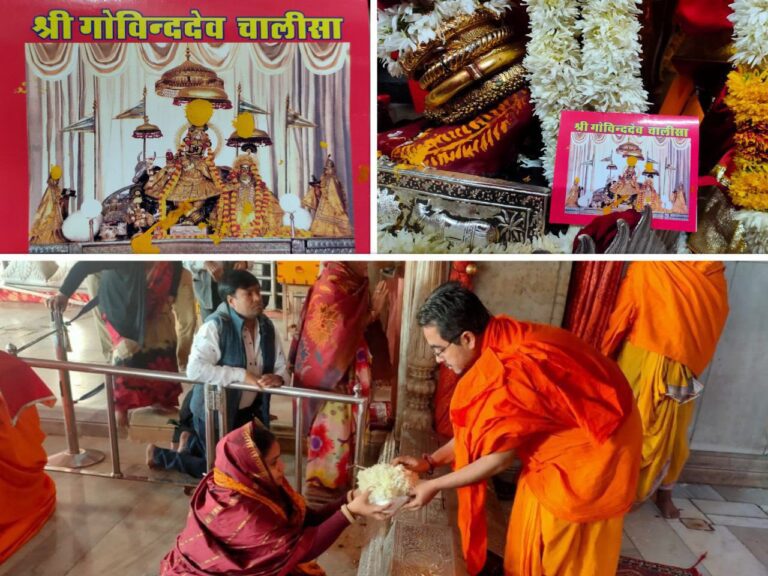
Kalyanji Temple
Kalyanji Temple in Jaipur's Chandpol Bazaar is approximately two centuries old and renowned for displaying the twenty-four avatars of Krishna, visible only twice yearly during Akha Teej and Patottsav festival.
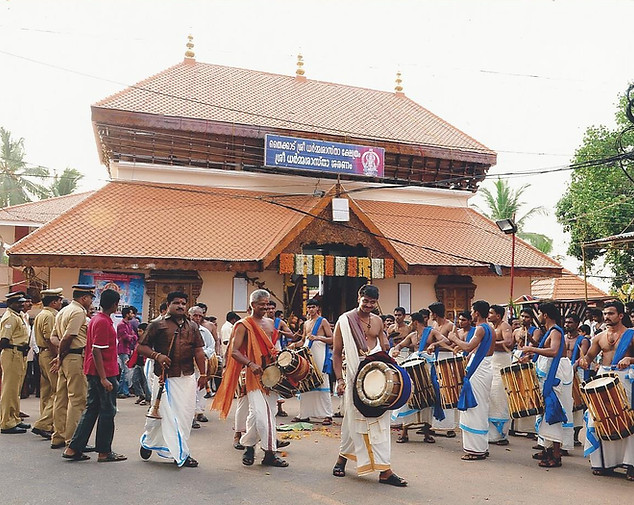
Sastha (Ayyappan) Temple
Sree Dharma Sastha Temple in Thycaud, Thiruvananthapuram, is a centuries-old shrine where the deity manifests as Dhanwanthari, the divine healer, holding the sacred blue lotus.
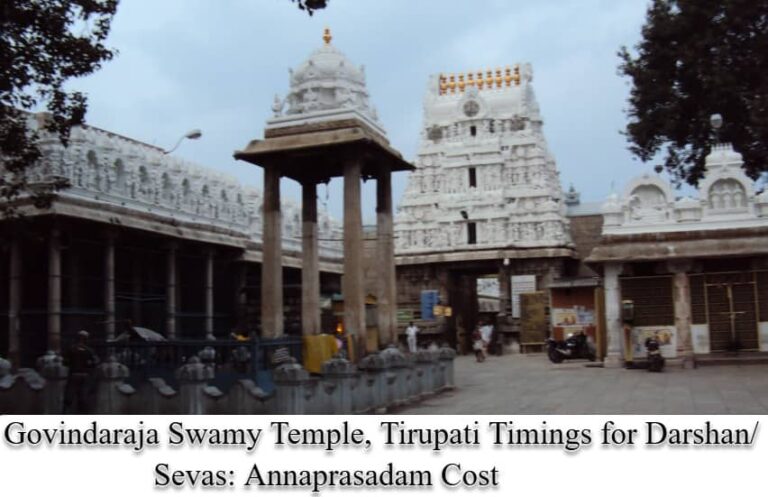
Govindarajaswamy Temple
Sri Govindarajaswamy Temple in Tirupati is an ancient Vaishnavaite shrine consecrated in 1130 AD by Saint Ramanuja, where the presiding deity rests in eternal Yoga Nidra on the serpent Adisesha.