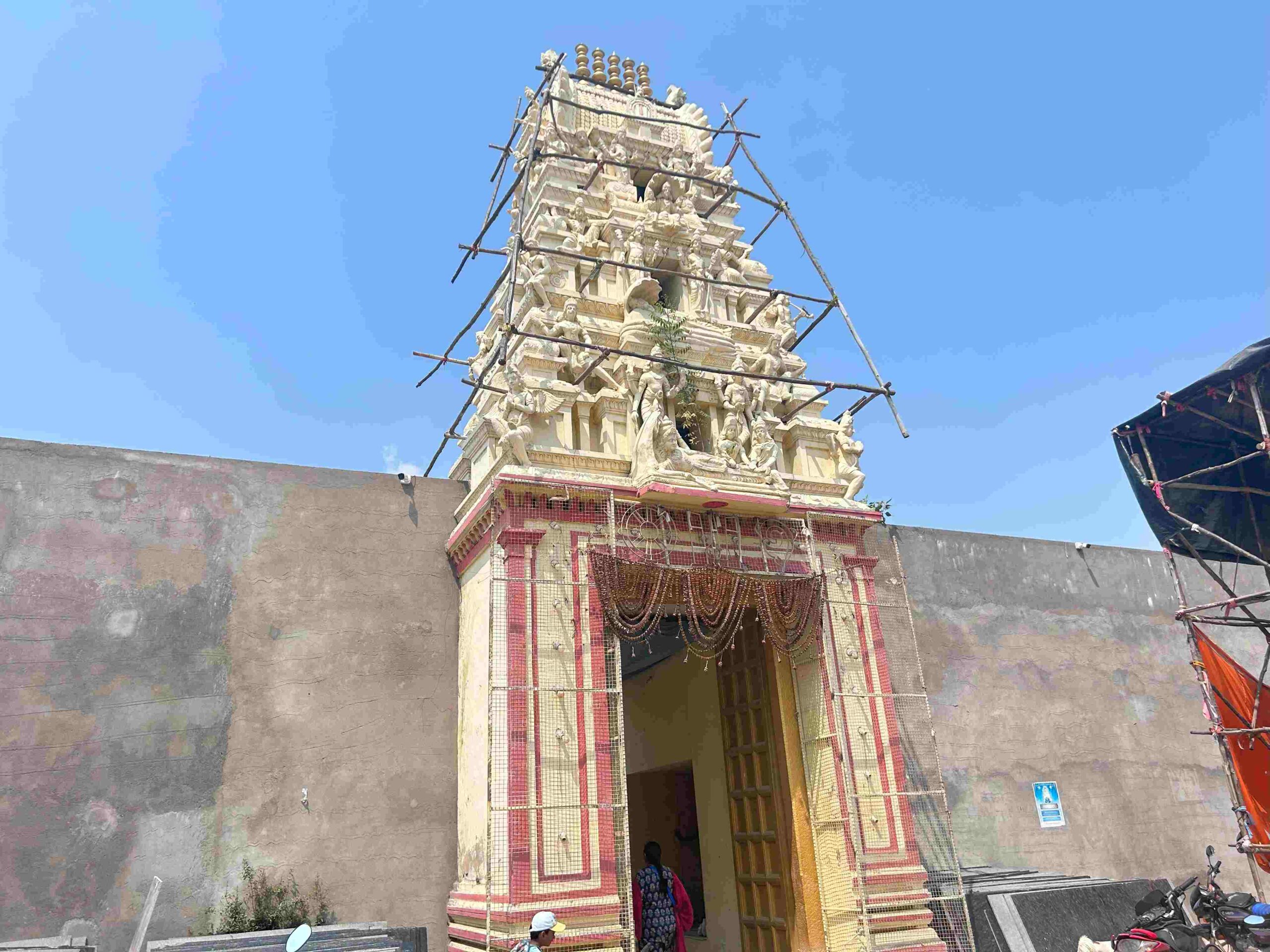
Sri Ketaki Sangameswara Swamy temple
About Sri Ketaki Sangameswara Swamy temple
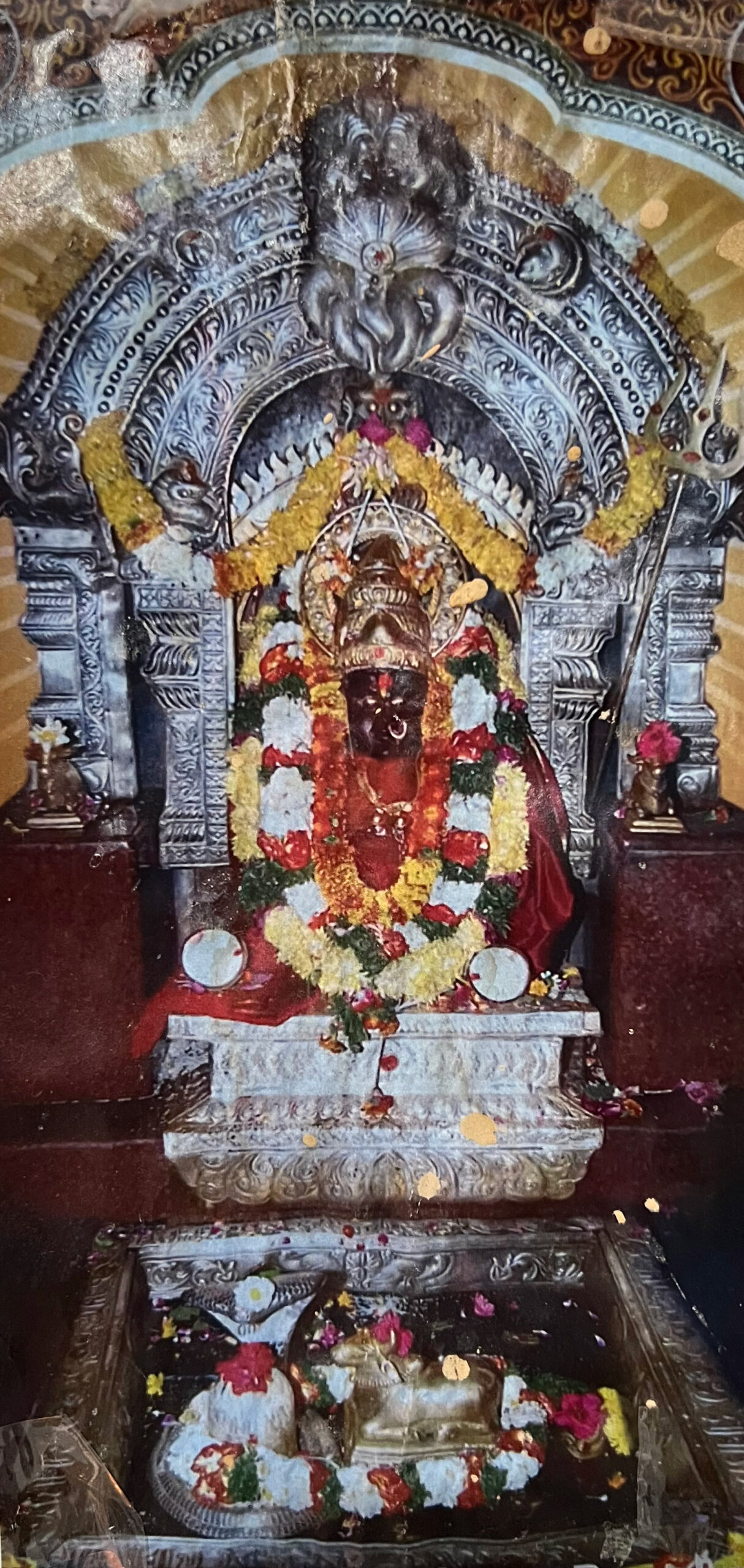
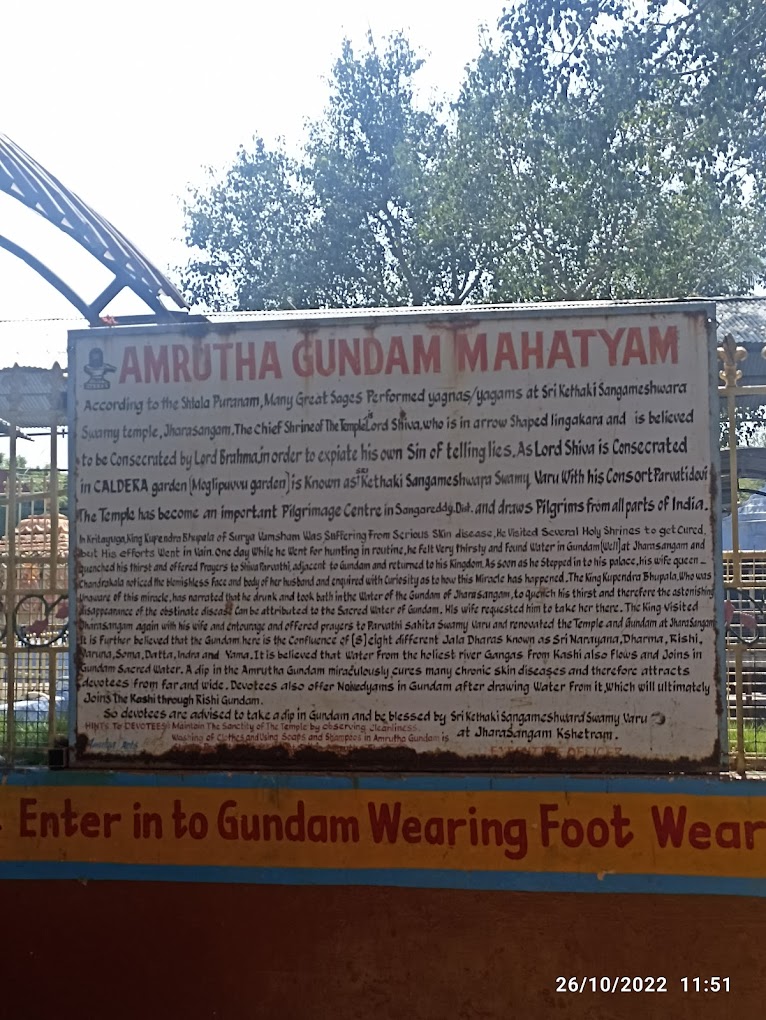
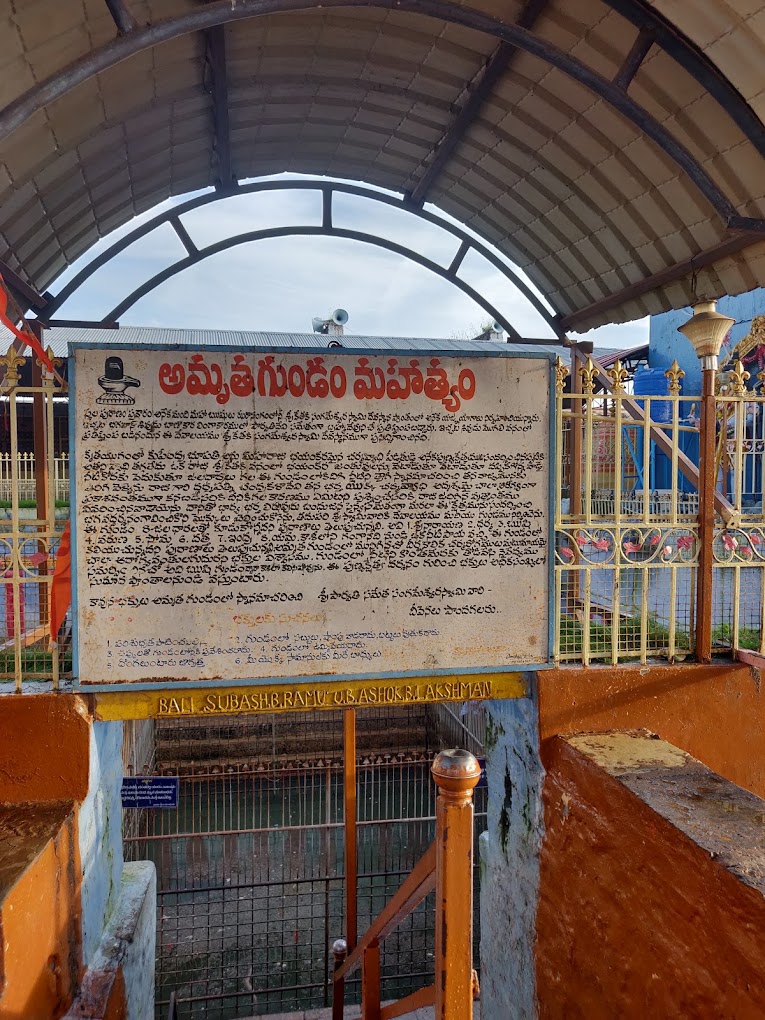
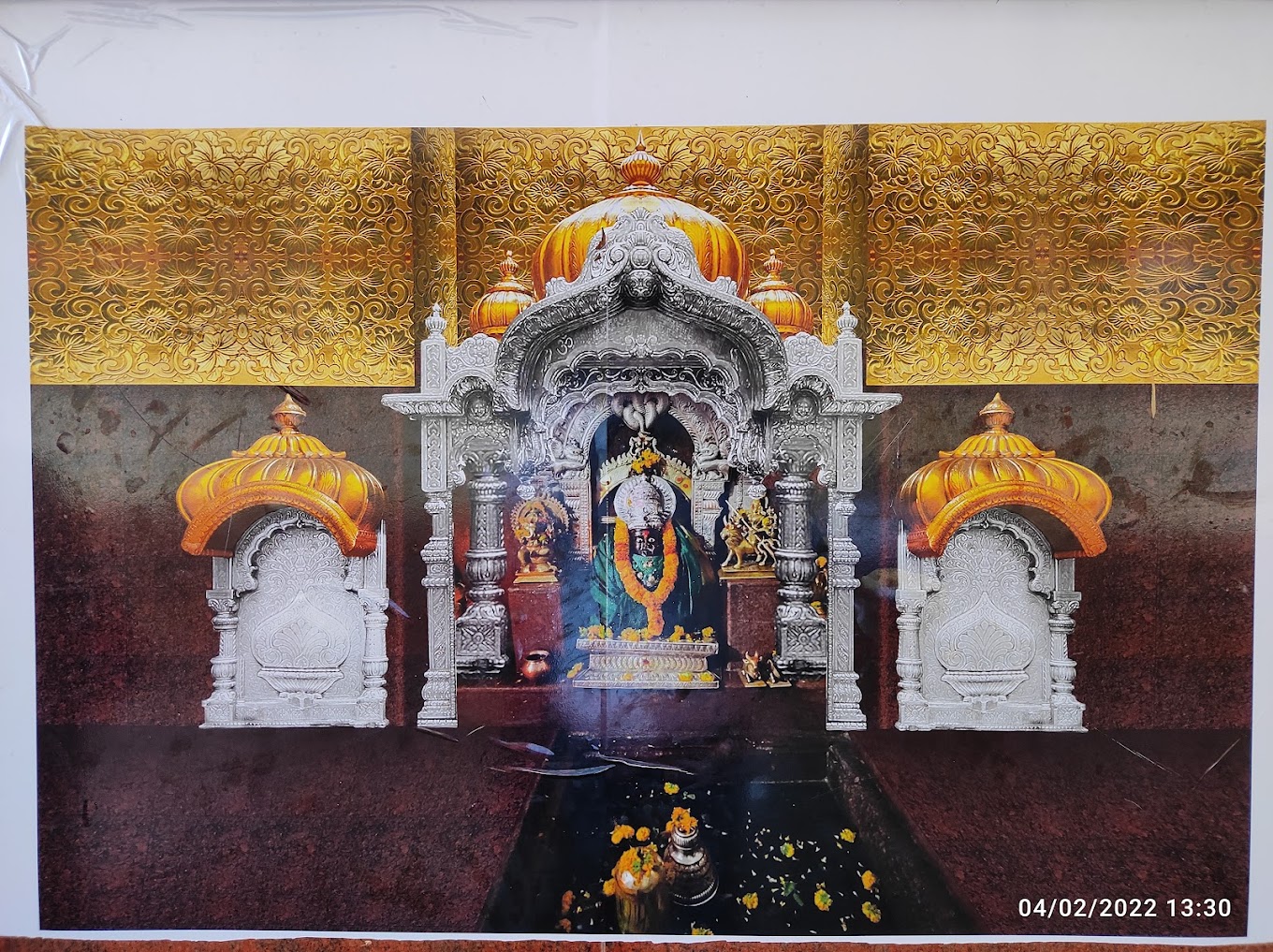
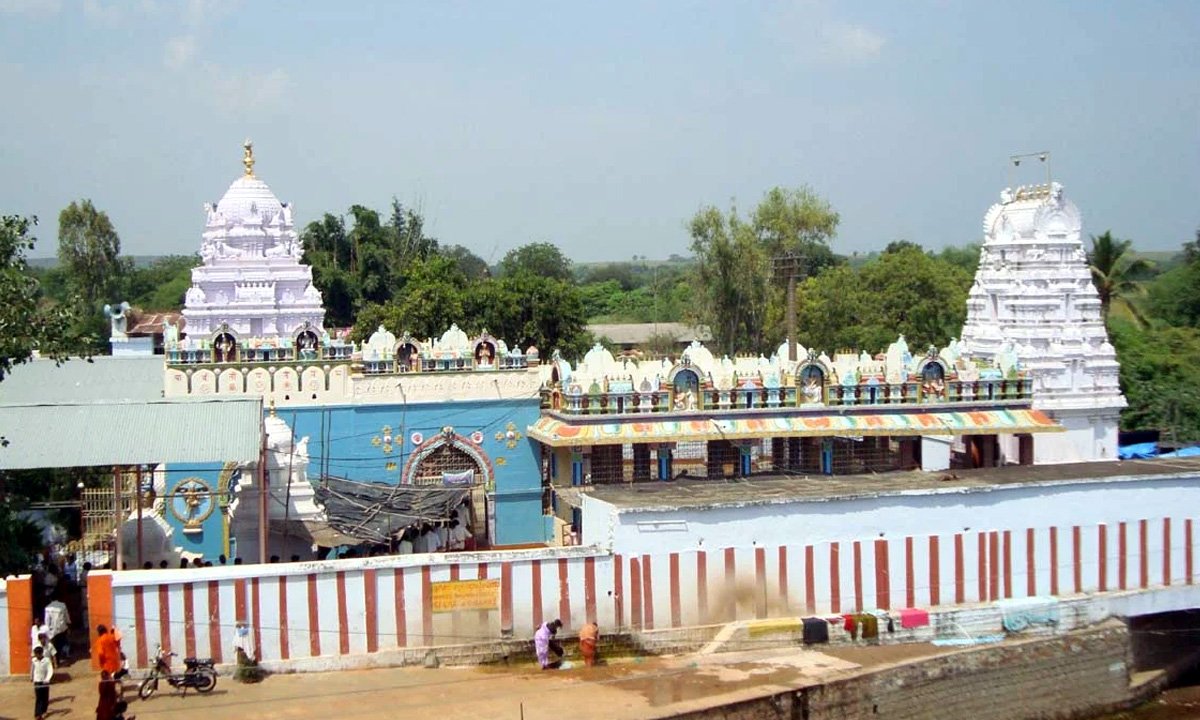
According to temple tradition, the shrine traces its establishment to the Krutha Yuga. The founding narrative centers on Raja Kupendra of the Surya Vamsha dynasty, who suffered from a severe skin disease that no physician could cure. While hunting in a forest, the king discovered Ketaki Vanam and bathed in a flowing stream there. His ailment was said to have been cured by these waters. That same night, Lord Shiva appeared to him in a dream, instructing him to build a temple at the site. The king constructed the shrine and formalized the stream into a sacred tank called the Pushkarini, which contains eight theerthas (sacred water sources) collectively known as Astha Theertha Amrutha Gundam.
The Pushkarini itself carries spiritual significance, known as Dakshina Kasi. Local tradition holds that a sage who lost his walking stick in the waters of Kasi (Varanasi) later discovered the same stick in the Amrita Gundam during a pilgrimage to Jharasangam, suggesting a mystical connection between the two waters. Temple sources also record that Lord Brahma visited this place for meditation after creating the world and himself consecrated the Shiva Lingam that remains the focus of worship.
Darshan and Daily Worship
The temple opens for darshan in two sessions: morning from 5:30 a.m. to 1:00 p.m., and evening from 4:00 p.m. to 9:00 p.m. Visitors should plan their visit within these windows. The distinctive practice here involves offering ketaki flowers and leaves to the Shiva Lingam—a ritual specific to this temple and central to its worship tradition. The sacred tank waters also feature in devotional practices, with the eight theerthas available for ritual use by pilgrims.
Auspicious Times and Observances
The temple witnesses heightened devotional activity during specific lunar phases and seasons. Amavasya nights (new moon) draw large numbers of worshippers, as do the festivals of Shivarathri, Karthika Masam, and Shravana Masam. The period from October to March offers the most pleasant weather for pilgrimage, with cooler temperatures suitable for travel and extended time at the shrine. Devotees from the surrounding states time their visits to coincide with these observances, making them optimal periods for experiencing the temple's spiritual atmosphere.
Visiting Information
The temple is located at coordinates 17.7638, 77.7123 in Jharasangam, Sangareddy District, Zahirabad, Telangana 502246. Visitors should dress modestly, as is customary at Hindu temples—men typically wear simple clothing, and women should wear dupatta or shawl to cover the shoulders. Footwear is generally removed before entering the inner sanctum. The temple maintains specific darshan hours, so plan arrival accordingly to avoid disappointment. While the sources do not detail facilities such as restrooms, parking, or accommodation, visitors should inquire locally or contact the temple in advance regarding amenities and any specific protocols for ritual participation, particularly if wishing to offer flowers or use the sacred waters.
Reaching the Temple
Jharasangam is situated in Sangareddy District near Zahirabad in Telangana. The village is accessible by road from major towns in the region. Visitors traveling from Hyderabad or other nearby cities should plan for local transport or hire arrangements to reach the temple, as it is located in a village setting rather than an urban center. The coordinates provided can assist with navigation using GPS-enabled devices or mapping applications.
How to reach
Temples near Sri Ketaki Sangameswara Swamy temple
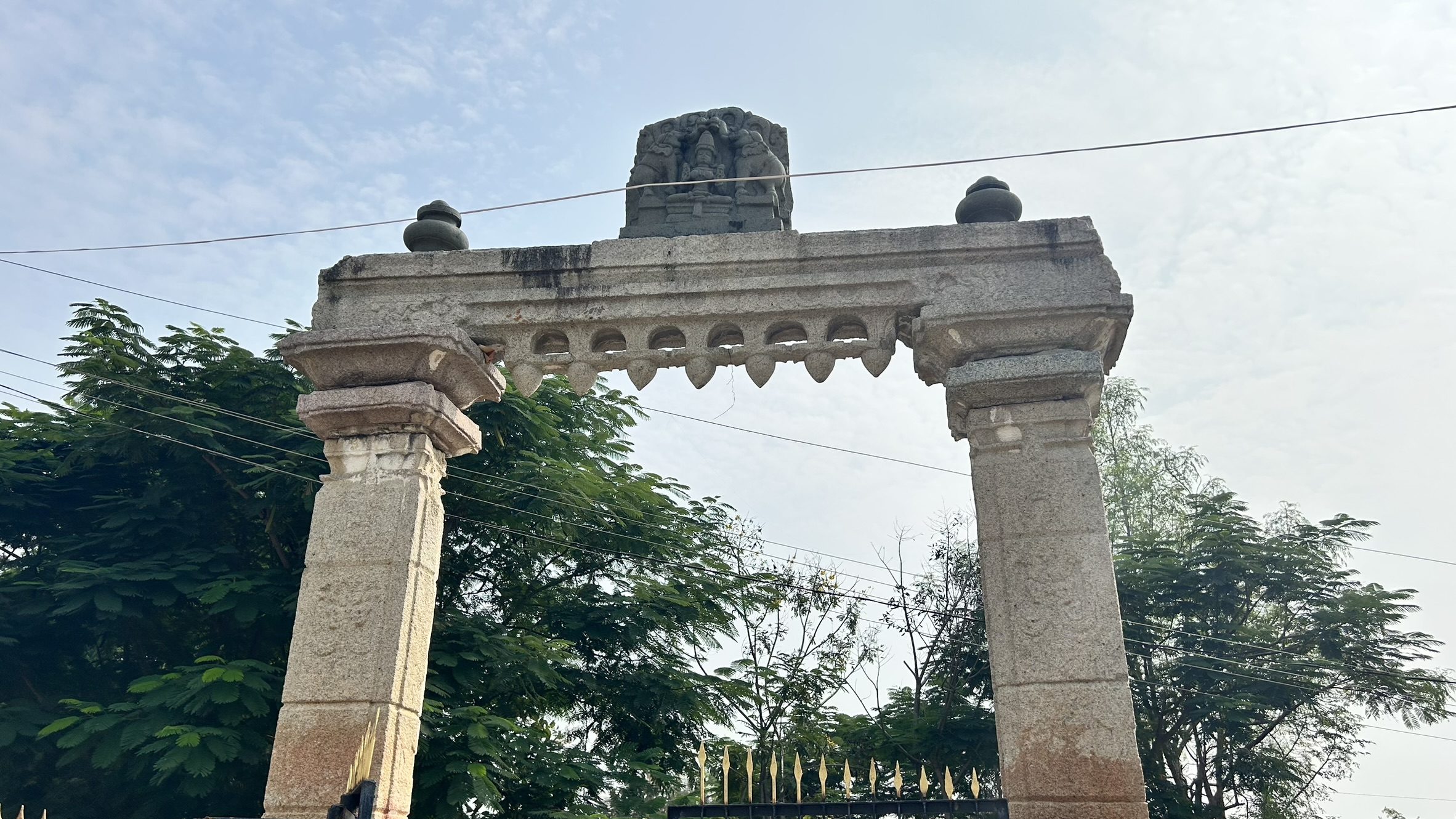
Ramalingeswara Temple, Nandikandi
Ramalingeswara Temple in Nandikandi is an 11th-century Shiva shrine built by the Kalyani Chalukyas, renowned for its distinctive star-shaped sanctum and intricate stone carvings.
Amareshwar Temple
Amareshwar Mahadev Temple in Amarkantak, Chhattisgarh, is a significant Shiva shrine housing an 11-foot Shivalingam weighing 51 tons and replicas of all 12 Jyotirlingas of India.
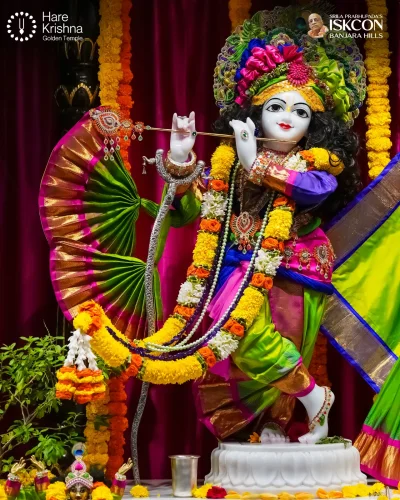
Hare Krishna Golden Temple
Hare Krishna Golden Temple in Hyderabad's Banjara Hills is Telangana's first golden temple, inaugurated in 2018. It serves as a major ISKCON worship center dedicated to Sri Sri…
nallapochamma temple
Shri Shri Nalla Pochamma Devalayam in Domalguda, Hyderabad, is a sacred shrine dedicated to the Divine Mother Nalla Pochamma, revered for protection, courage and compassion acro…
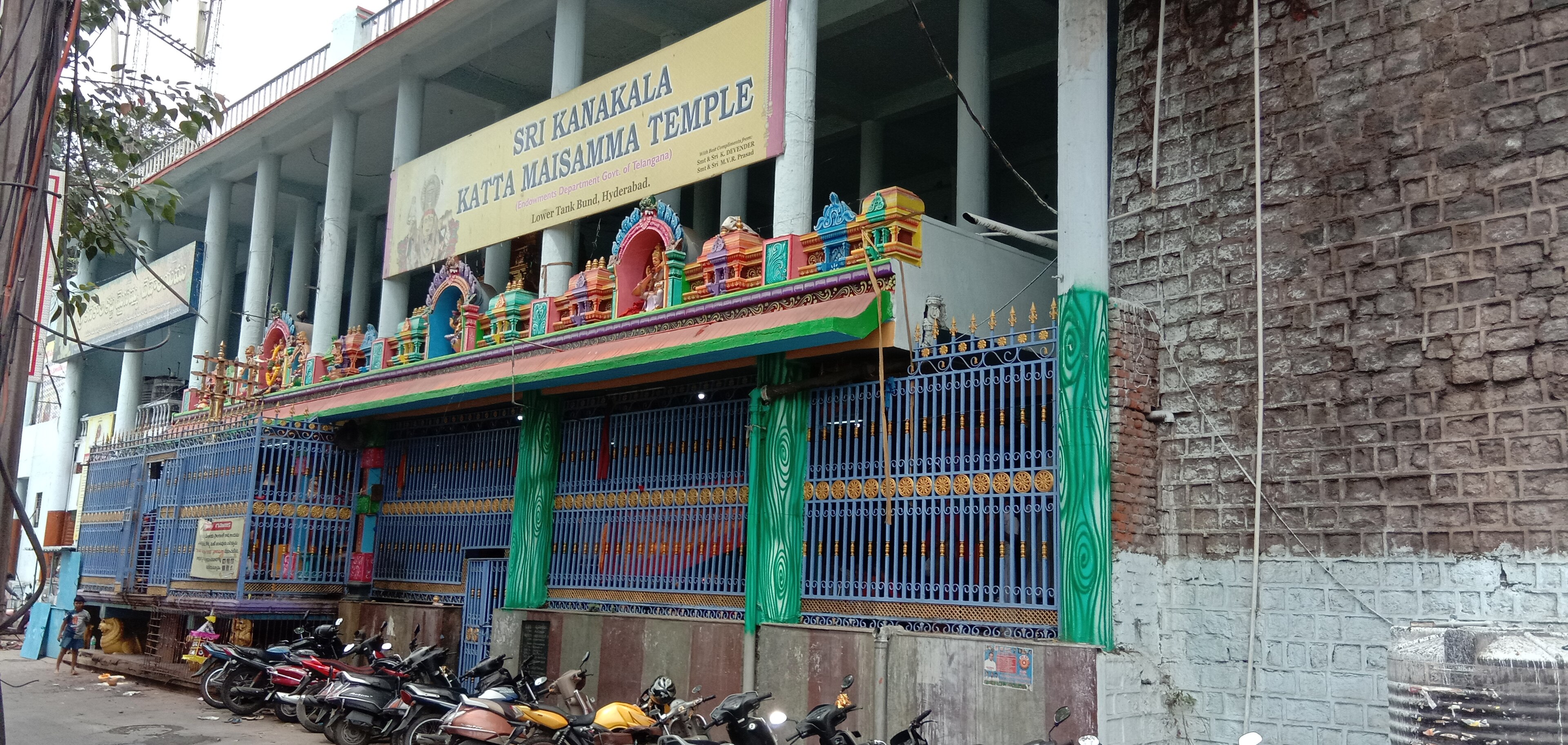
Maisamma Temple
Katta Maisamma Temple in Hyderabad is a Hindu shrine dedicated to the goddess Katta Maisamma, established around 1928 and located in the Begumpet area.
Ranganathaswamy Temple, Jiyaguda
A 400-year-old Vaishnavite shrine on the Musi River banks in Hyderabad dedicated to Lord Ranganatha, an incarnation of Vishnu, administered by the Telangana Endowments Department.