
Iswara temple in Jalasangvi
About Iswara temple in Jalasangvi
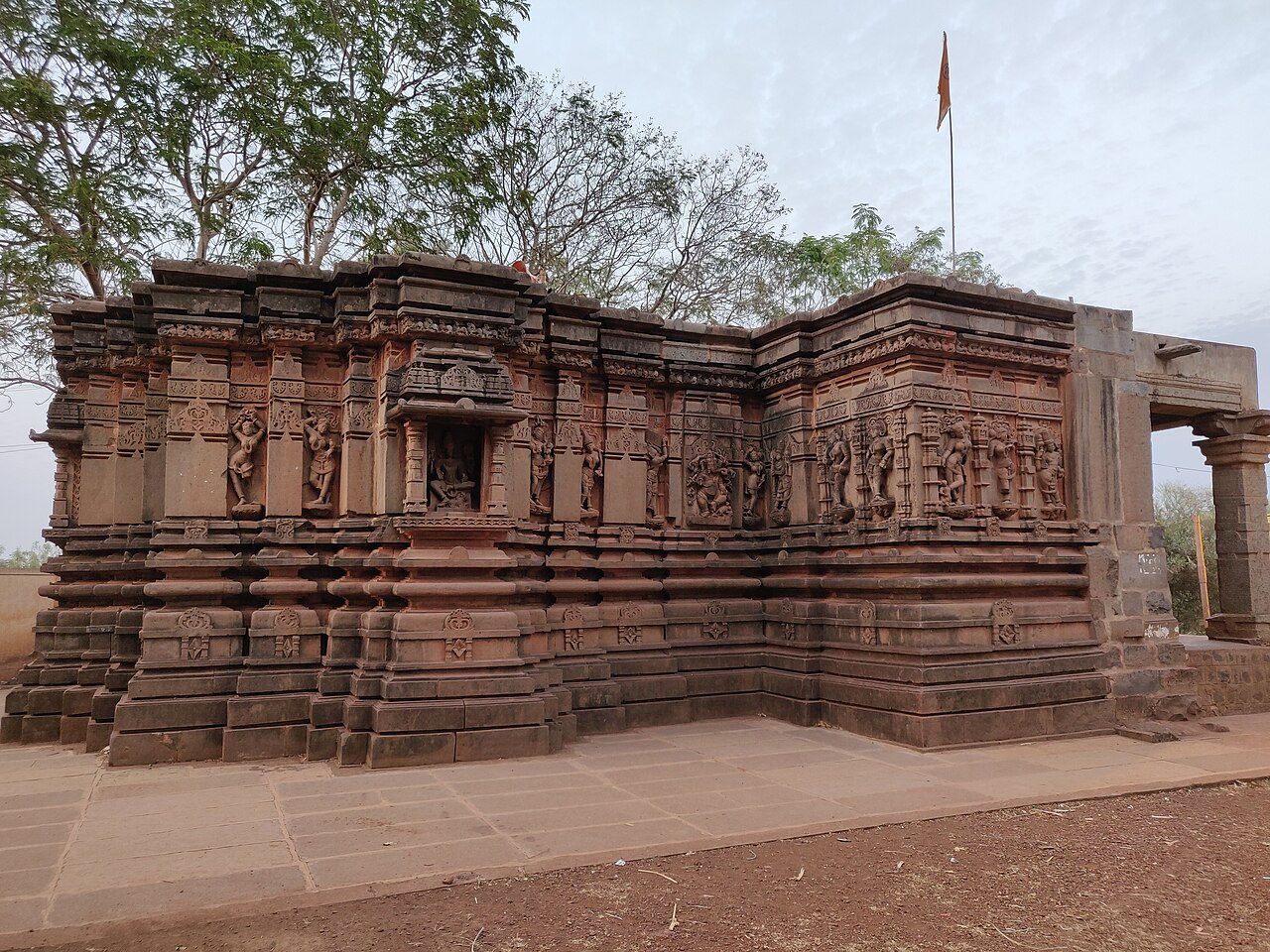
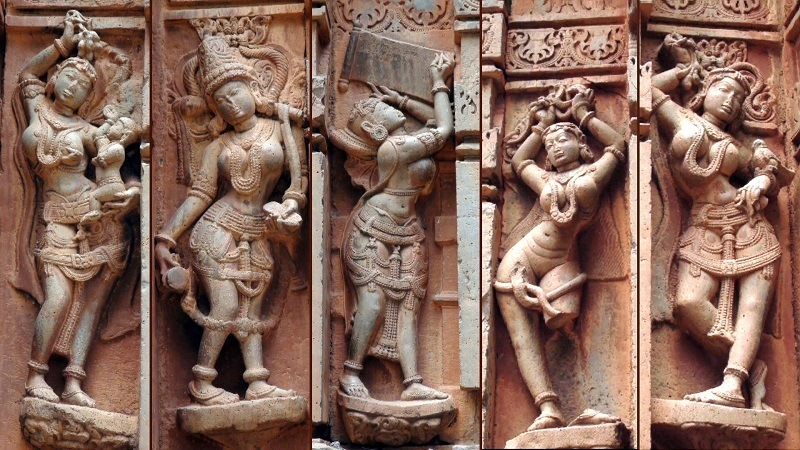
According to inscriptions discovered at the site, the temple was constructed during the reign of Vikramaditya VI of the Kalyana Chalukya dynasty in the 11th century. This period marked a significant phase of temple building across the Deccan, and Iswara temple exemplifies the Chalukyan architectural tradition of that era. The temple's sculptural programme includes Salabhanjika-style figures—celestial attendants—carved into the outer walls, demonstrating the refined artistic conventions of the period. The architectural style and decorative elements reflect the craftsmanship characteristic of Chalukyan temples, though the temple has undergone restoration work at various points in its history.
Visiting the Temple
Darshan timings for Iswara temple are not consistently published online, so visitors should contact the temple directly or check local sources before travelling, particularly if planning a visit on weekends or festival occasions. The temple is situated in a village setting, and visitors should allow time for navigation to the site. Standard temple etiquette applies: modest dress appropriate for a place of worship is expected, and footwear should be removed before entering the sanctum. Photography policies may vary, so it is courteous to ask before taking images. On busy days, queues for darshan or receipt of prasad (blessed food offerings) may form, so plan accordingly.
Reaching the Temple
Jalasangvi village is accessible by road from Humnabad Taluk. Visitors travelling by personal vehicle should use mapping applications to obtain turn-by-turn directions and parking information. The coordinates for the temple are 17.8312028°N, 77.1763750°E, which can be entered into navigation systems. Those unfamiliar with the area are advised to download offline maps or confirm routes before departure, as village roads may not always have clear signage.
Worship and Daily Practice
Shiva temples typically maintain daily worship routines centred on the principal deity in the sanctum. Devotees visit to offer prayers and receive darshan—the viewing of the deity as an act of worship. While specific details of daily rituals at Iswara temple are not documented in available sources, visitors should expect standard temple practices such as the ringing of bells, offerings of flowers and incense, and the distribution of prasad to worshippers. Those wishing to participate in specific rituals or ceremonies should inquire at the temple about availability and timing.
Planning Your Visit
Before travelling to Iswara temple, check current darshan hours by contacting the temple or consulting local Hindu calendar resources for the Bidar area. Festival dates and special observances vary according to the lunar calendar, so consulting a Panchang (Hindu almanac) for your travel dates is advisable. Bring water and sun protection, as the village setting offers limited facilities. Modest, comfortable clothing suitable for temple worship and the local climate is recommended. If you are new to the area, allow extra time for finding the temple and parking. Reporting any updates or corrections about the temple to local temple directories helps keep information accurate for future visitors.
How to reach


Temples near Iswara temple in Jalasangvi
Amareshwar Temple
Amareshwar Mahadev Temple in Amarkantak, Chhattisgarh, is a significant Shiva shrine housing an 11-foot Shivalingam weighing 51 tons and replicas of all 12 Jyotirlingas of India.
Sri Ketaki Sangameswara Swamy temple
Sri Ketaki Sangameswara Swamy Temple is an ancient Shiva shrine located in Jharasangam village, Medak district, where the lingam is believed to have been consecrated by Lord Bra…
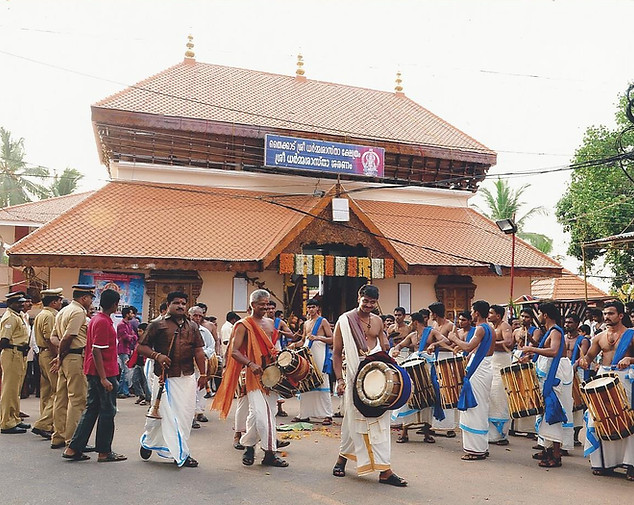
Siddheshwar & Ratneshwar Temple
An ancient Shiva temple in Solapur, Maharashtra, dedicated to the 12th-century saint and philosopher Siddharameshwara, who established 68 consecrated Shivalingas across the regi…

Sharana Basaveshwara Temple
Sharana Basaveshwara Temple in Kalaburagi is a significant pilgrimage centre dedicated to the Lingayat saint Sharana Basaveshwara, featuring a mixed architectural style with an…
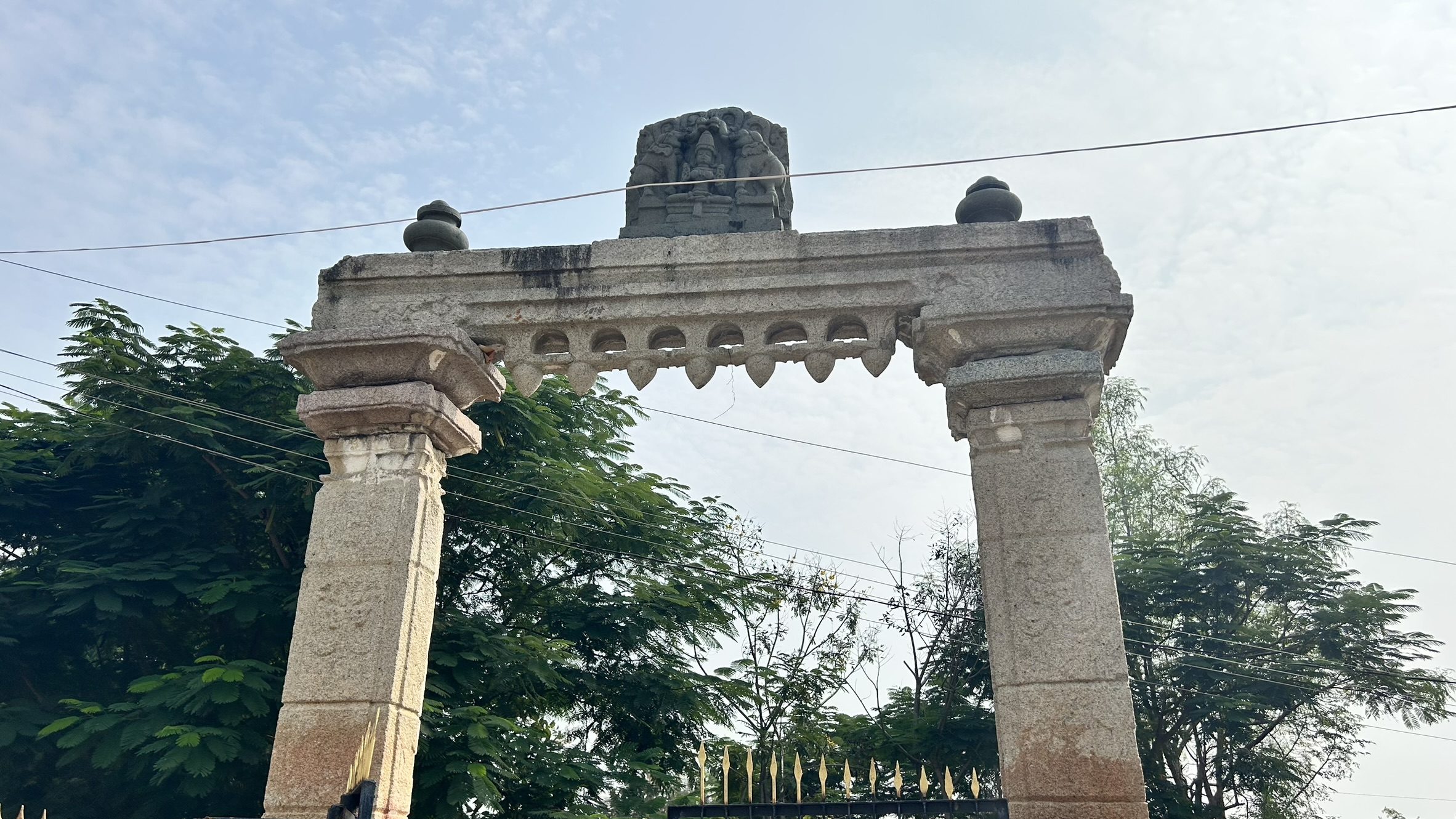
Ramalingeswara Temple, Nandikandi
Ramalingeswara Temple in Nandikandi is an 11th-century Shiva shrine built by the Kalyani Chalukyas, renowned for its distinctive star-shaped sanctum and intricate stone carvings.
Tulja Bhavani Temple
Tulja Bhavani Temple is a 12th-century Hindu shrine dedicated to Goddess Bhavani, revered as one of Maharashtra's three complete Shakti Pithas and the family deity of Chhatrapat…