Rasmancha of Radhaballabh temple
About Rasmancha of Radhaballabh temple
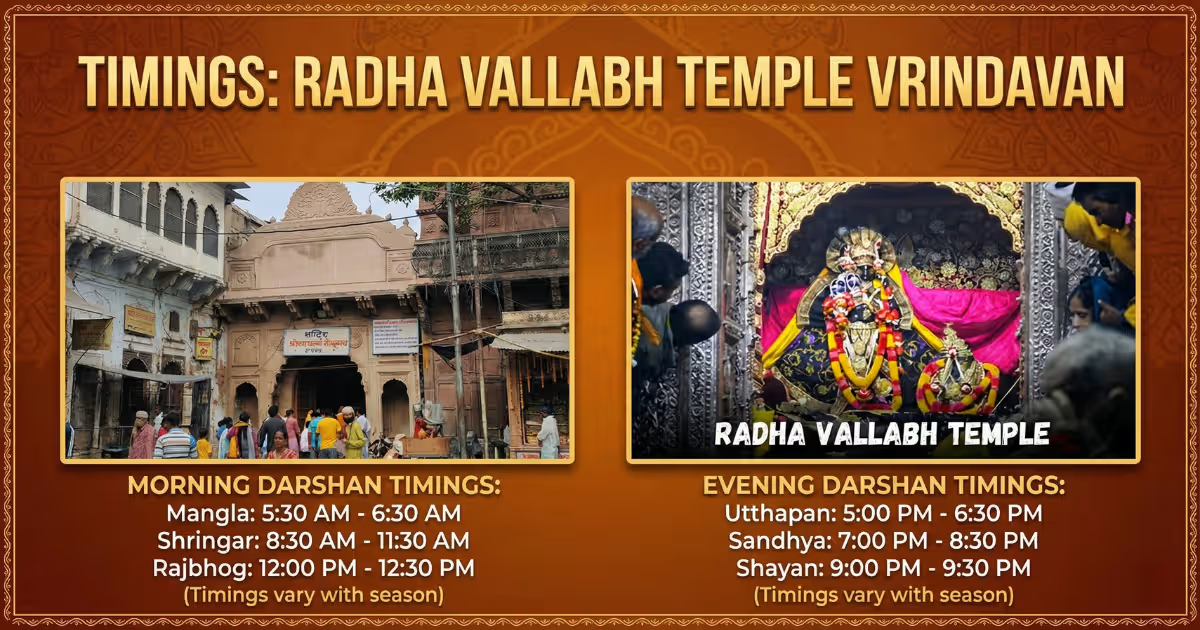
The temple opens for darshan twice daily, with timings that shift seasonally. During summer months, morning darshan runs from 8:00 AM to 12:00 PM, and evening darshan from 6:00 PM to 8:30 PM. In winter, the evening session begins earlier, from 5:00 PM to 7:30 PM. These timings may adjust on festival days or ekadashi (lunar observance days), so confirming locally before your visit is advisable.
The temple hosts samaj gayan—congregational singing—as part of its regular worship practice. This form of devotional music is integral to the Radha-Vallabh tradition's approach to connecting with the divine. Most visitors can complete their darshan and experience the temple's atmosphere in 30 to 45 minutes. Entry to the temple is free, making it accessible to all pilgrims and visitors.
Location and Access
Radha Vallabh Temple is situated on Radha Vallabh Marg in Vrindavan, Uttar Pradesh. The temple's location places it within Vrindavan's sacred geography, the town traditionally associated with Krishna's divine play. Vrindavan itself is well-connected by road to nearby cities; many pilgrims visit as part of broader Mathura-Vrindavan circuits that include other significant Krishna temples and sites.
What to Know Before Visiting
Entry to the temple is free, and the atmosphere is typically less crowded than some of Vrindavan's larger temples, making it a quieter space for personal devotion. Visitors should dress modestly, as is customary at Hindu temples; women often wear salwar kameez or sarees, while men typically wear simple clothing. Shoes are generally removed before entering the sanctum, following standard temple practice.
The temple's timings are designed around the rhythm of daily worship rather than extended visiting hours. Plan your visit within the designated darshan windows, and be aware that the temple may have specific protocols during festivals or special observances. It is respectful to observe silence or speak quietly within the temple premises and to avoid photography in the sanctum unless explicitly permitted.
The Significance of Radha's Crown
The most distinctive feature of worship at Radha Vallabh Temple is the presence of Radha's crown on the throne beside Krishna. This is not a substitute born of absence, but rather a deliberate theological statement: Radha's presence is understood as inseparable from Krishna, yet expressed through symbol rather than idol. For devotees of the Radha-Vallabh sampradaya, this arrangement encapsulates the tradition's understanding of divine love—that Radha and Krishna are eternally united, with her crown representing her sovereignty and her essential role in Krishna's divine nature.
This practice distinguishes the temple from many other Vrindavan shrines and offers visitors a window into the particular spiritual philosophy of Hit Harivansh Mahaprabhu's lineage.
Planning Your Visit
Vrindavan's climate is warm for much of the year, with summer temperatures rising significantly. The winter months (October to February) offer more comfortable conditions for temple visits. If you are combining this temple with others in Vrindavan, note that the temple's morning and evening darshan windows allow flexibility in structuring a day of worship.
Nearby accommodation and food options are available throughout Vrindavan, as the town is a major pilgrimage destination. Local guides or temple staff can provide current information about any special observances or changes to regular timings. Since the temple is an active place of worship for its community, visiting with respect for ongoing rituals and the devotional life of the temple ensures a meaningful experience for both visitors and worshippers.
How to reach
Temples near Rasmancha of Radhaballabh temple
Malleswara Shiva Temple
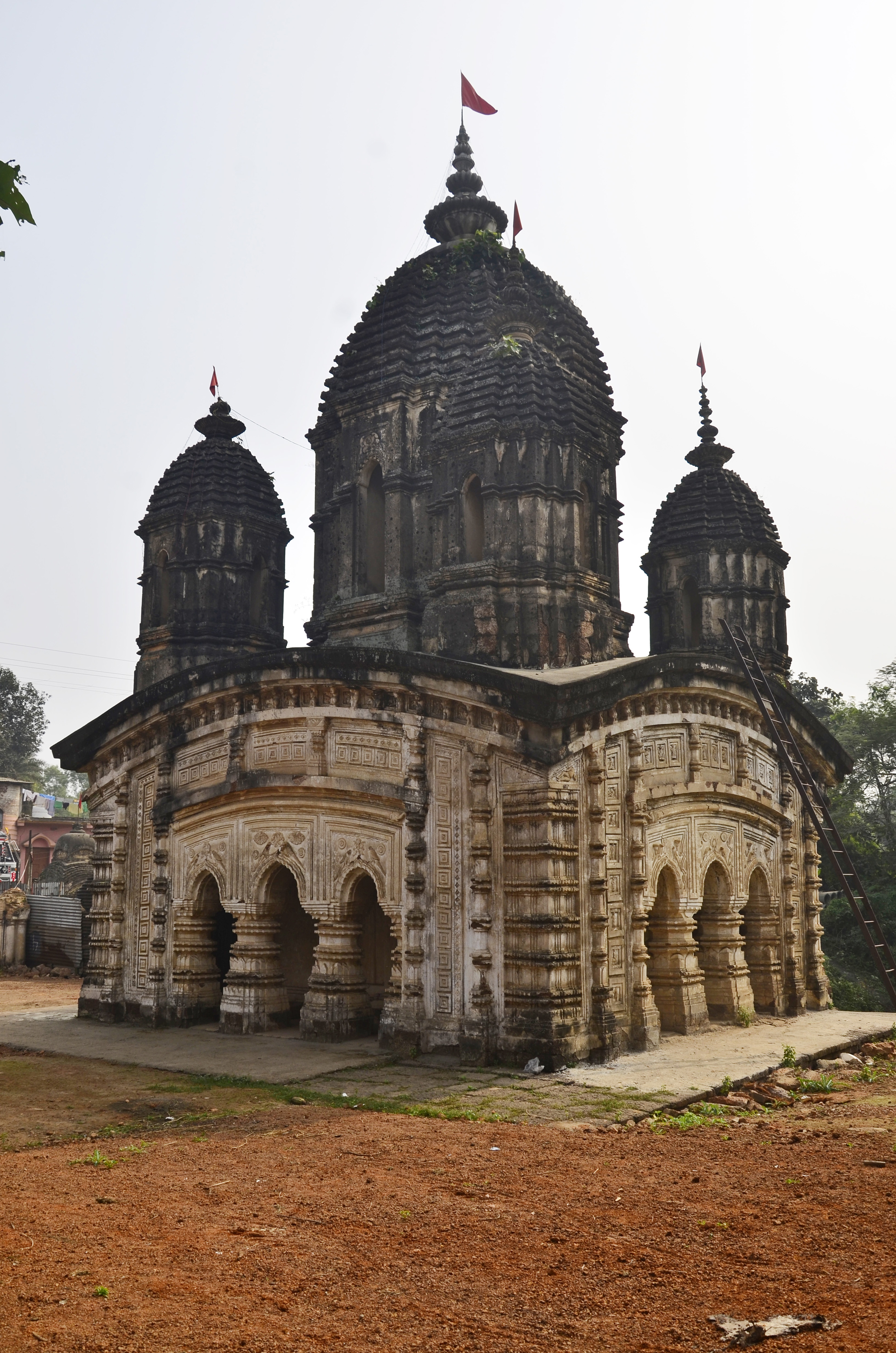
Malleswara Shiva Temple is an 18th-century pancha-ratna shrine dedicated to Lord Shiva, located in Chandrakona within West Bengal's Paschim Medinipur district.
Chandrakona Jorbangla Temple
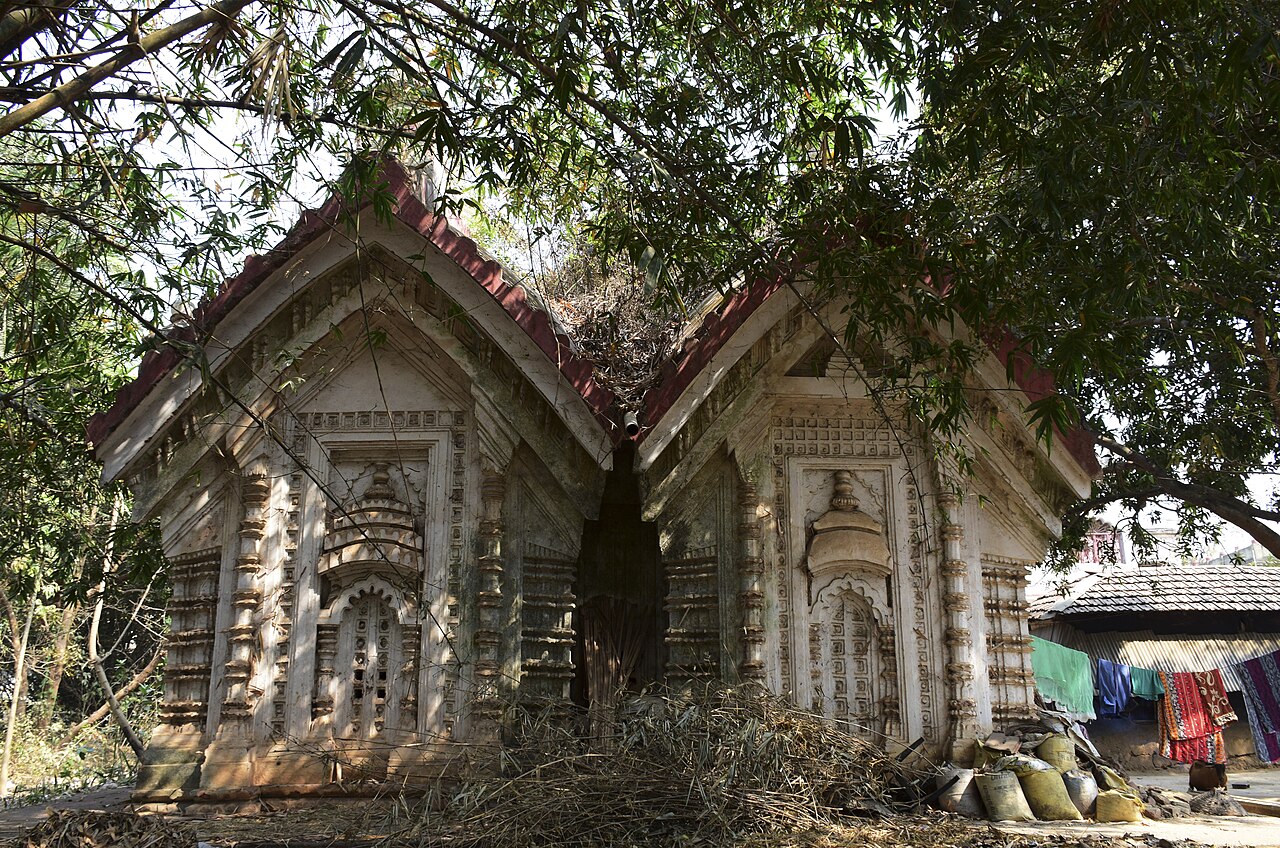
Chandrakona Jorbangla Temple is a 17th-century stone structure in West Bengal showcasing regional Bengal architectural traditions with intricate carved details.

Parvatinatha Temple
The Parvatinatha Temple is a distinctive seventeen-pinnacled structure erected during the 19th century in Chandrakona village, West Bengal, representing a notable example of reg…
Shantinath Shiva Temple
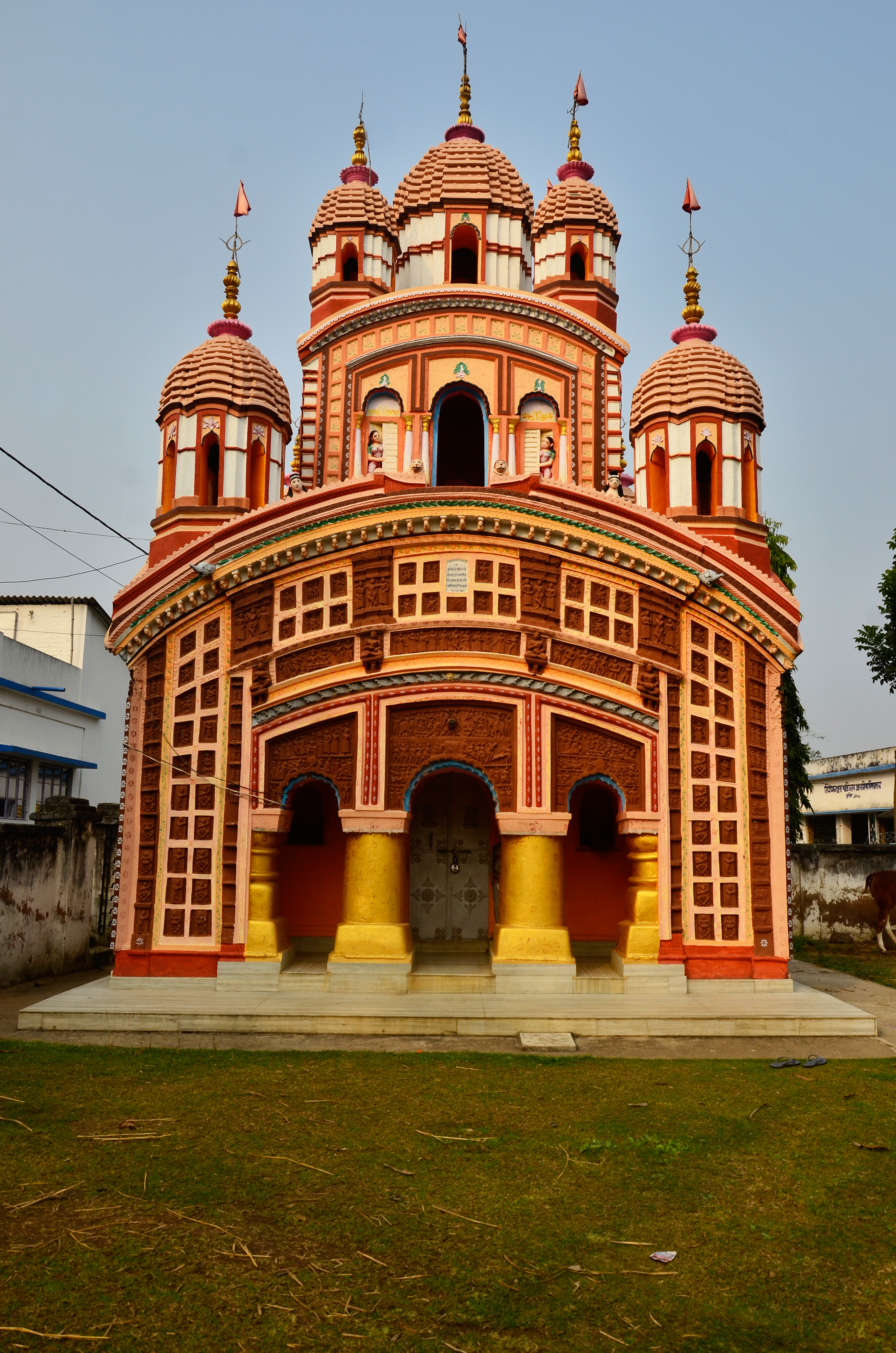
Shantinath Shiva Temple is a nava-ratna style shrine constructed in 1828 at Mitrasenpur in West Bengal's Paschim Medinipur district, featuring the distinctive nine-tower archite…
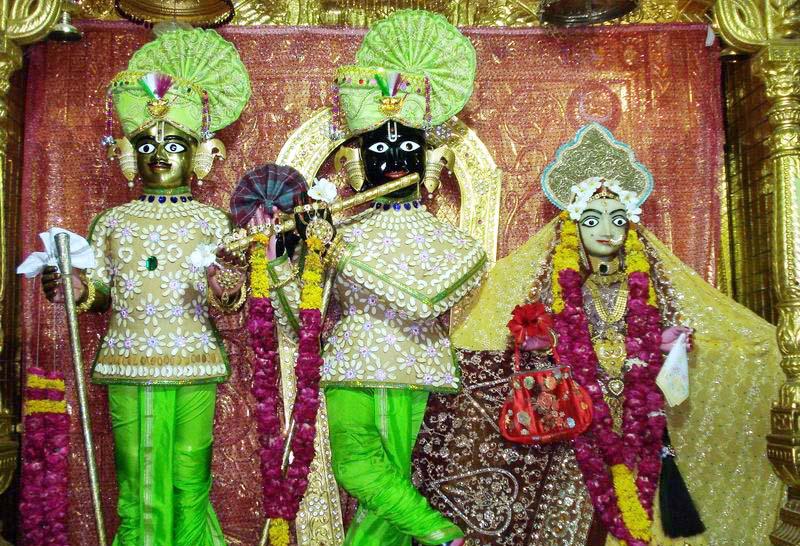
Rasmancha of Radhagobinda temple
The Rasmancha of Radha Gokulananda temple, established in the 16th century at Keshi Ghat in Vrindavan, is a Gaudiya Vaishnava shrine dedicated to Radha and Krishna with daily wo…
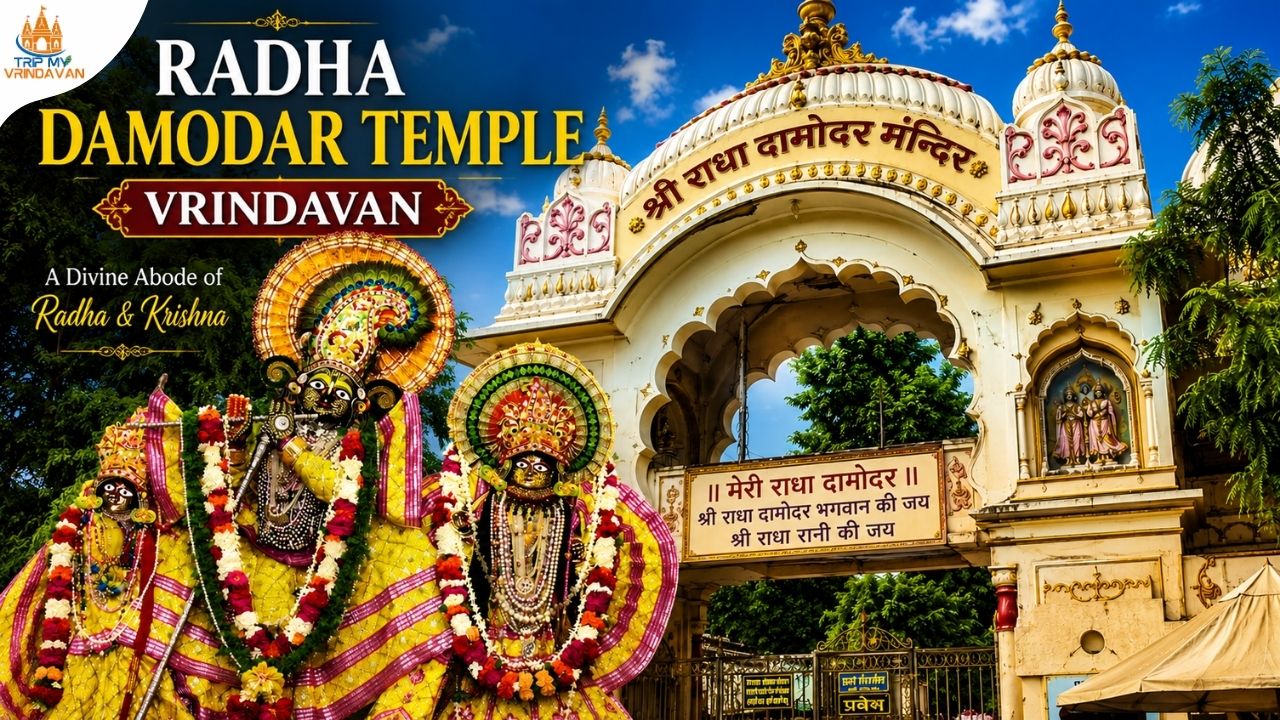
Rasmancha of Damodar
Radha Damodar Temple in Seva Kunj, Vrindavan, is a small but spiritually significant shrine dedicated to Radha Damodar (Krishna), deeply associated with the six Goswamis of Vrin…