Rasmancha of Damodar
About Rasmancha of Damodar
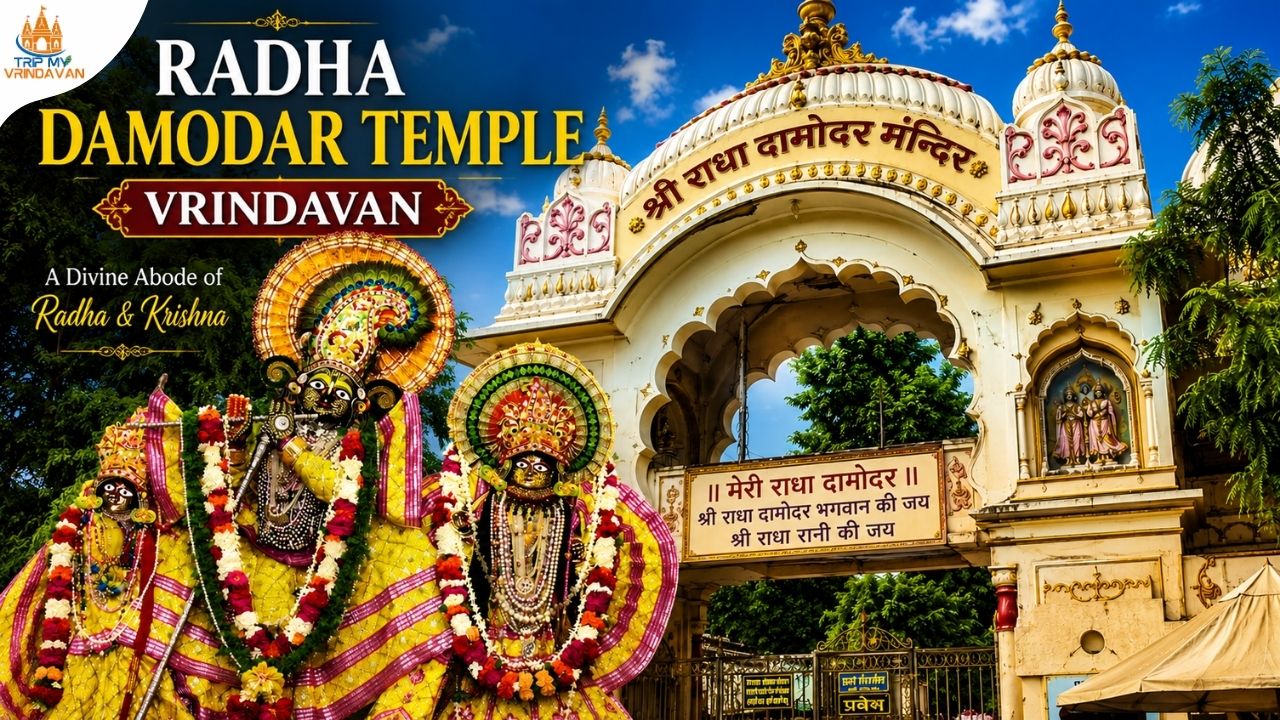
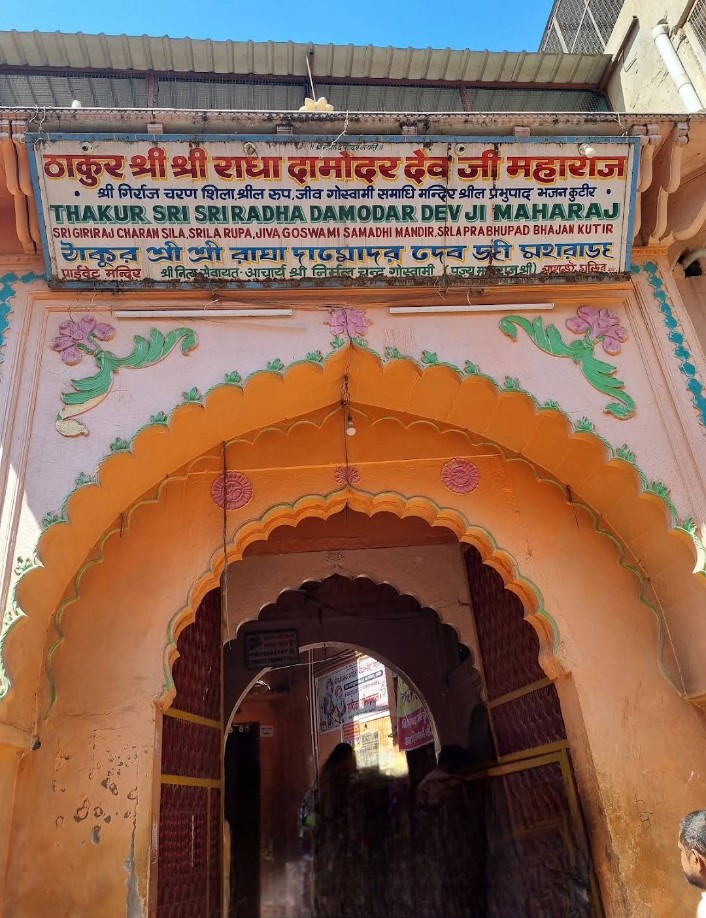
Among the temple's most revered possessions is the Govardhan Shila—a stone from Govardhan Hill bearing the lotus footprints of Krishna. Devotees circumambulate this stone as an act of worship and meditation. The presence of such an object transforms the temple into a focal point for pilgrimage, as it represents a direct physical connection to Krishna's presence in the landscape of Braj, the sacred region associated with Krishna's life.
The temple also preserves a small room where significant spiritual work took place, adding another layer of historical and devotional importance to the site. These material anchors—the stone, the room, the samadhis—give the temple a character distinct from many other places of worship: it functions simultaneously as a shrine, a historical site, and a centre of ongoing spiritual practice.
Daily Worship and Darshan
The temple's day begins early with the Mangala Aarti at 5:00 AM, a dawn ritual that marks the awakening of the deity. The temple itself opens at 4:30 AM to accommodate those arriving for this ceremony. Morning darshan runs from approximately 5:30 AM to 12:30 PM, followed by an afternoon closure lasting until 4:00 PM. Evening darshan resumes and continues until around 8:30 PM. These timings shift slightly with the seasons—winter schedules begin morning darshan at 6:00 AM and close the temple earlier in the evening.
Visitors typically spend about thirty minutes at the temple, though this varies depending on the depth of one's engagement with the space and the crowds present. The temple is generally quieter than many other Vrindavan sites, making it suitable for those seeking a more contemplative darshan experience. The best time for a peaceful visit falls between 5:30 AM and 8:00 AM, when crowds remain minimal and the atmosphere is particularly serene.
Visiting Information and Practicalities
Entry to Radha Damodar Temple is free. The temple is located at Seva Kunj in Vrindavan, Uttar Pradesh, and can be reached by local transport or on foot if staying nearby in the town. Visitors should be aware that the temple closes for several hours in the afternoon—between 12:30 PM and 4:00 PM—so planning around this break is essential.
Timings may shift on festival days and during special observances, particularly during Kartik Month (known as Damodar Maas), when the temple sees increased devotional activity. Visitors are advised to confirm current timings locally before arrival, as schedules can change. Standard temple etiquette applies: removing shoes before entering, dressing modestly, and maintaining a respectful demeanor within the sacred space. Temples of the Gaudiya Vaishnava tradition typically welcome visitors of all backgrounds, though the atmosphere is devotional rather than touristic.
Kartik Month and Festival Observances
Kartik Month, also called Damodar Maas, holds special significance at this temple and throughout Vrindavan. During this lunar month, devotional practices intensify and the temple becomes a focal point for pilgrims observing vows and engaging in heightened worship. The temple also observes other significant dates in the Krishna calendar, including Janmashtami (Krishna's birthday) and Radhashtami (Radha's birthday), when special ceremonies and altered darshan schedules take place.
These festival periods draw larger crowds and may involve extended rituals or modified timings. Visitors planning to attend during such occasions should inquire in advance about specific schedules and any particular practices or observances they may wish to participate in.
Reaching the Temple
Radha Damodar Temple is situated in Seva Kunj, a neighbourhood within Vrindavan. The town of Vrindavan is accessible by road from nearby Mathura, which has rail connections to major Indian cities. Local transport within Vrindavan—including auto-rickshaws and cycle-rickshaws—can bring visitors to the temple. Many pilgrims stay in guesthouses or dharamshalas (pilgrim lodges) within walking distance of the temple, allowing for early-morning visits to catch the Mangala Aarti and morning darshan.
How to reach
Temples near Rasmancha of Damodar
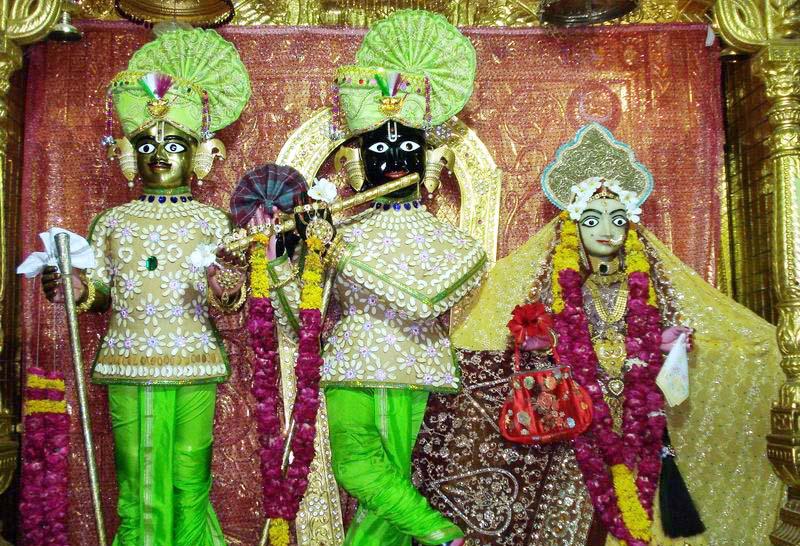
Rasmancha of Radhagobinda temple
The Rasmancha of Radha Gokulananda temple, established in the 16th century at Keshi Ghat in Vrindavan, is a Gaudiya Vaishnava shrine dedicated to Radha and Krishna with daily wo…

Parvatinatha Temple
The Parvatinatha Temple is a distinctive seventeen-pinnacled structure erected during the 19th century in Chandrakona village, West Bengal, representing a notable example of reg…
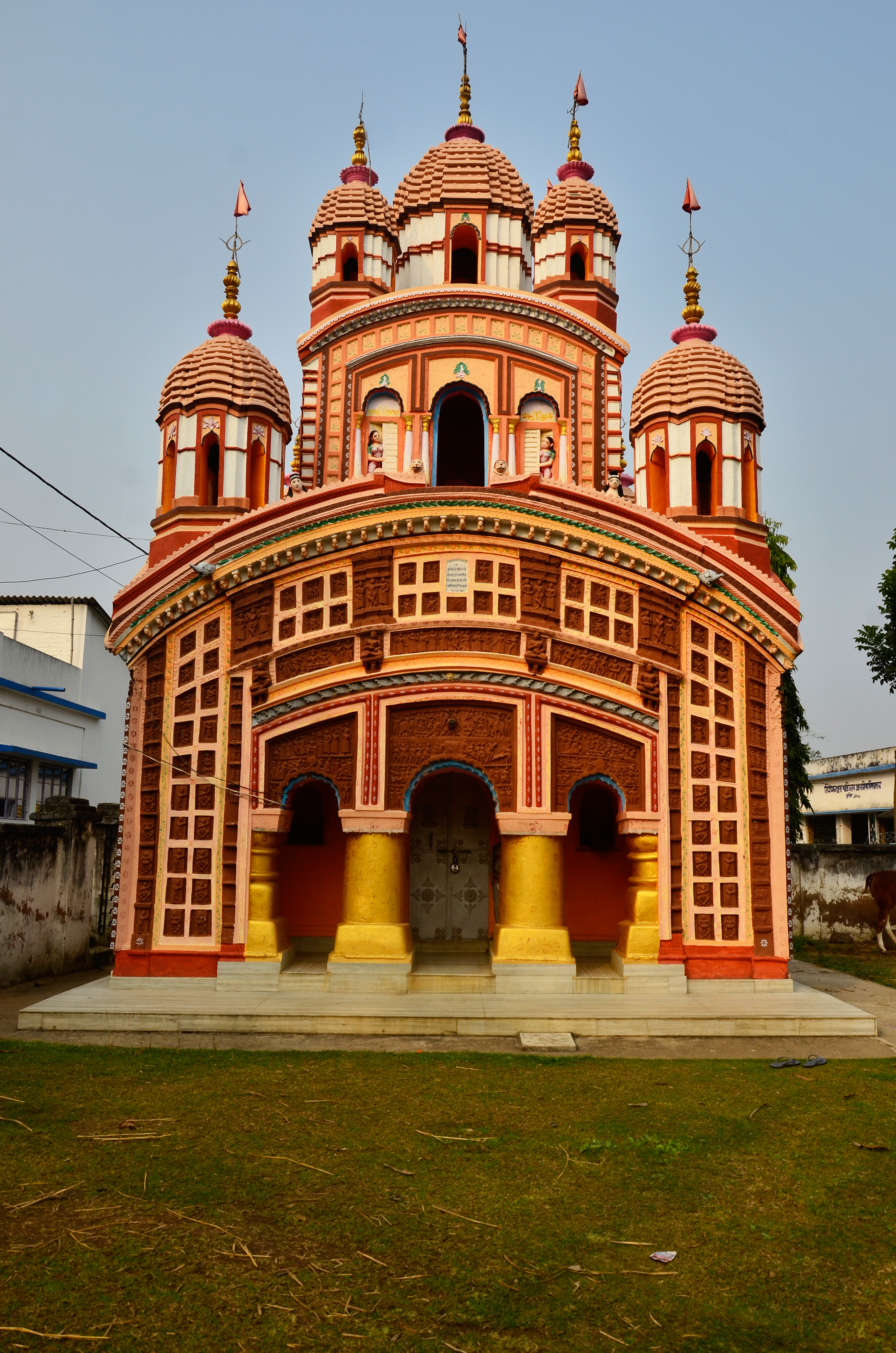
Shantinath Shiva Temple
Shantinath Shiva Temple is a nava-ratna style shrine constructed in 1828 at Mitrasenpur in West Bengal's Paschim Medinipur district, featuring the distinctive nine-tower archite…
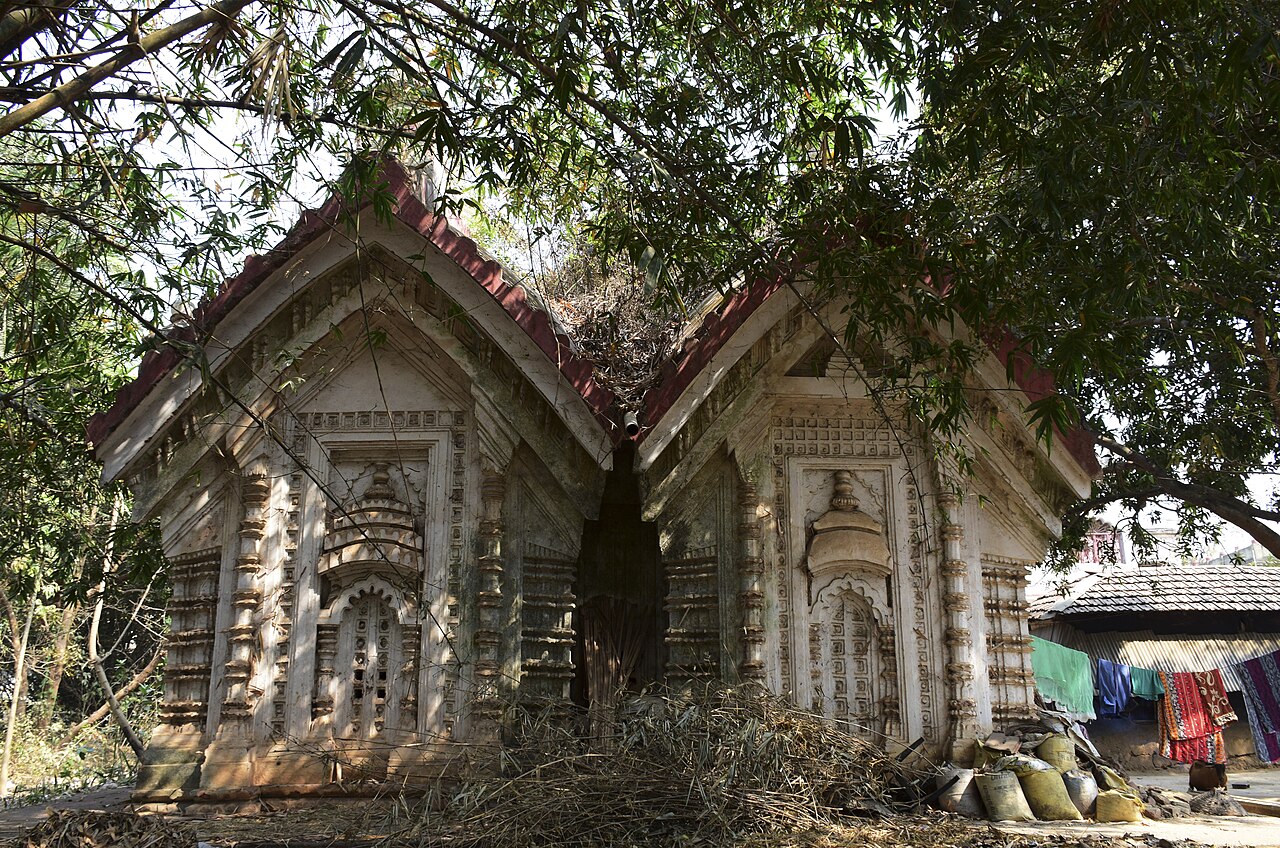
Chandrakona Jorbangla Temple
Chandrakona Jorbangla Temple is a 17th-century stone structure in West Bengal showcasing regional Bengal architectural traditions with intricate carved details.
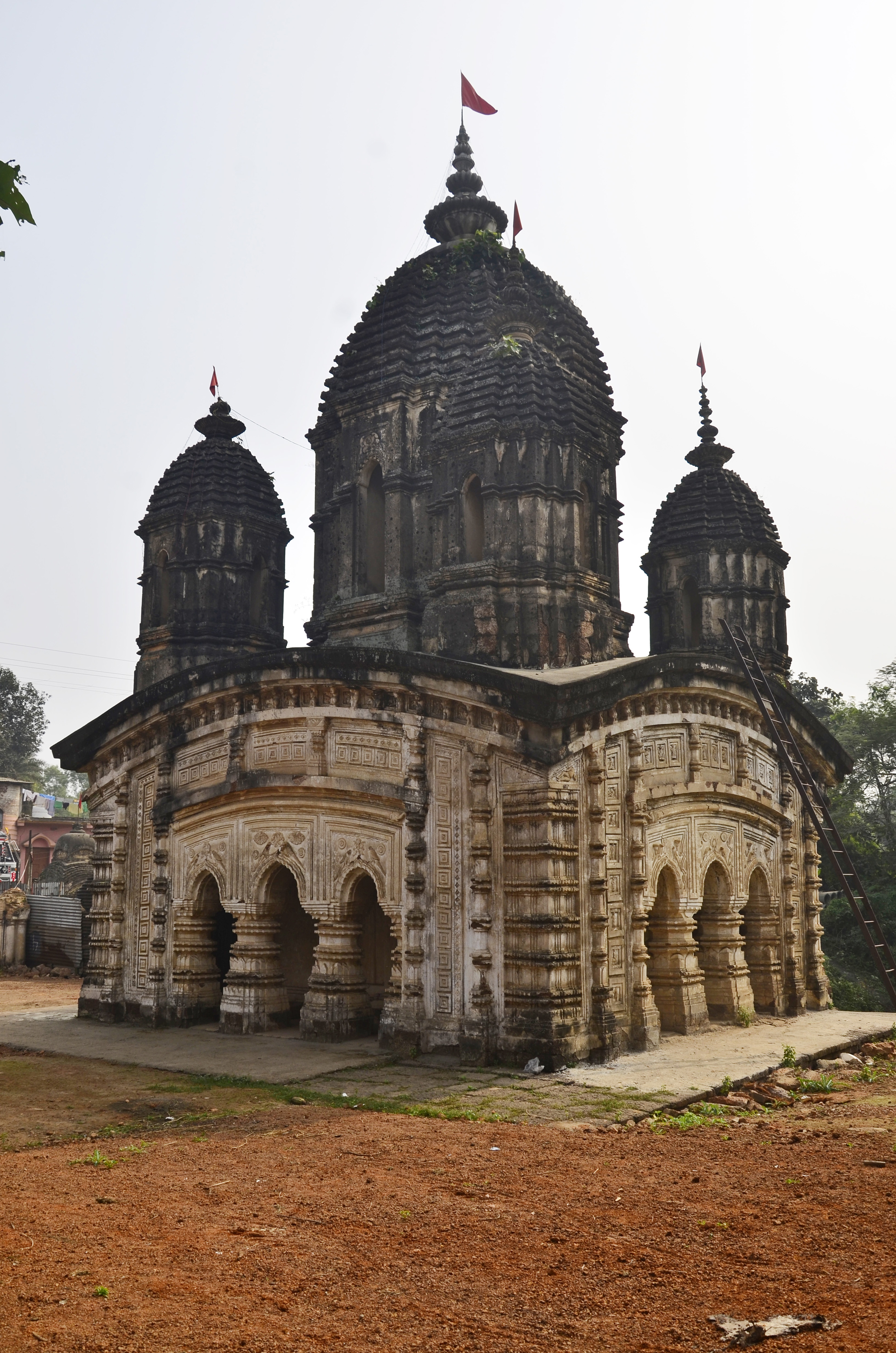
Malleswara Shiva Temple
Malleswara Shiva Temple is an 18th-century pancha-ratna shrine dedicated to Lord Shiva, located in Chandrakona within West Bengal's Paschim Medinipur district.
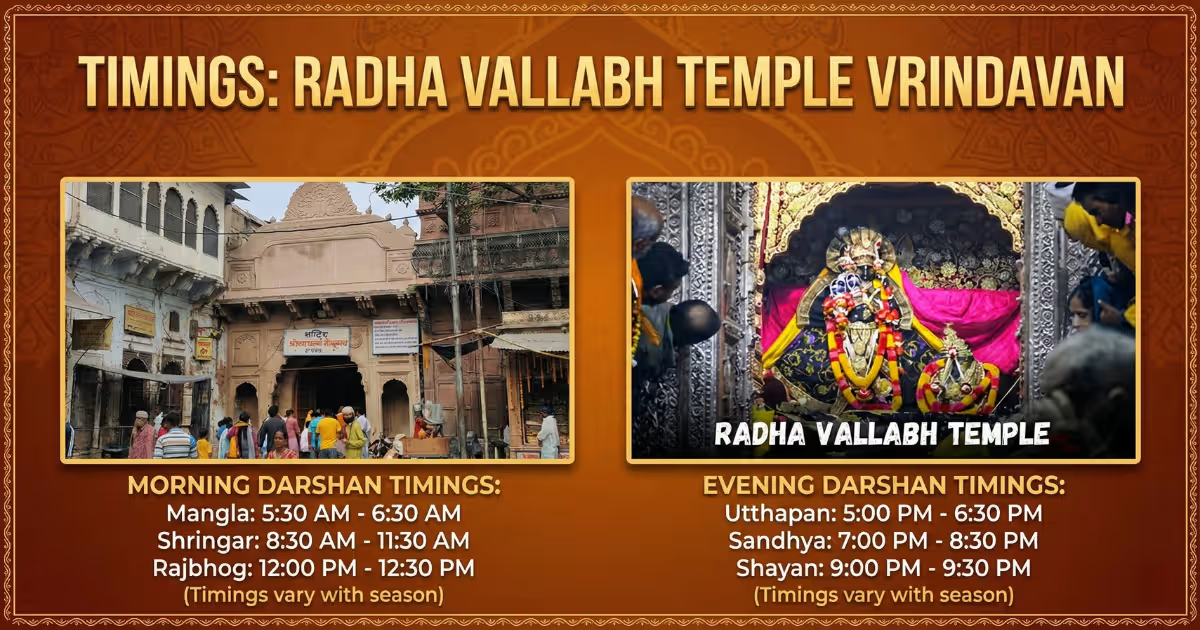
Rasmancha of Radhaballabh temple
Radha Vallabh Temple in Vrindavan is the seat of the Radha-Vallabh sampradaya, uniquely worshipping Krishna as Radha's beloved with her crown placed on the throne rather than a…