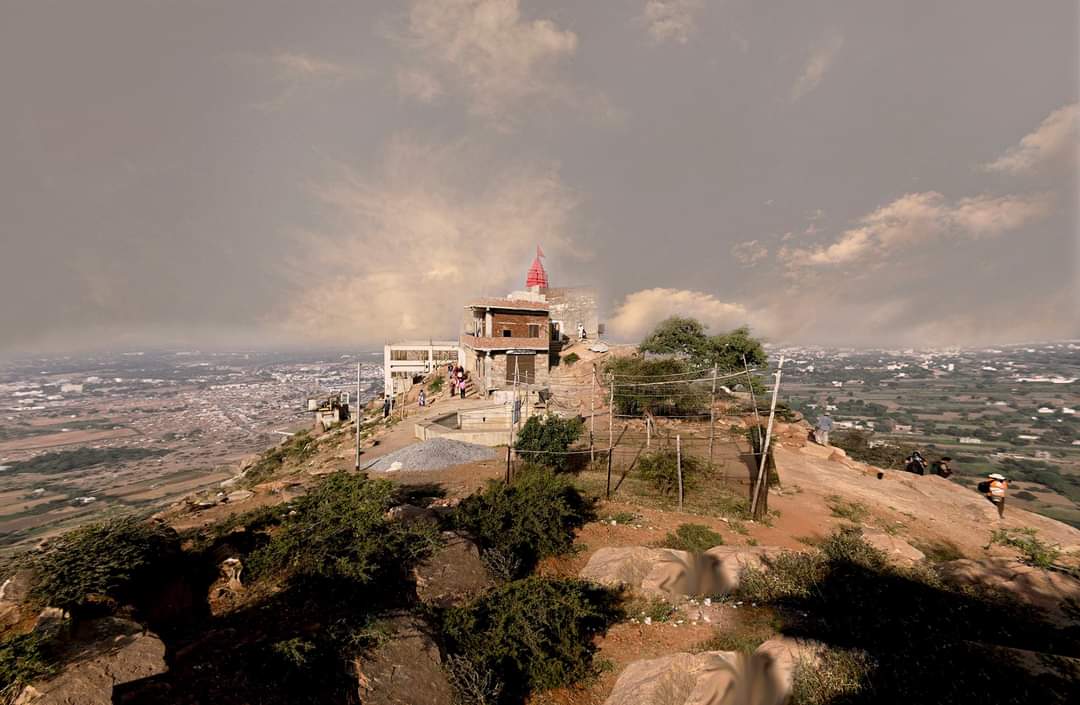
Savitri Mata Mandir
About Savitri Mata Mandir
The temple opens for darshan in two sessions: 05:00 to 12:00 in the morning, and 16:00 to 21:00 in the evening. Morning and evening aartis (ritual worship ceremonies) are performed, though specific timings for these are not detailed in available sources. Expect a darshan wait time of 15 to 30 minutes, particularly during peak visiting hours. Devotees typically offer prayers and flowers as part of standard temple worship. Puja services are available for those wishing to perform specific rituals or ceremonies connected with personal observances or astrological concerns; arranging these in advance is advisable.
Festivals and Observances
The temple is notably decorated and busy during major festivals. Kartik Purnima (typically in November) and Diwali are significant occasions at the shrine, drawing larger numbers of pilgrims. Timings may vary on festival days, so confirmation with the temple before travelling is recommended. Pushkar itself functions as a major pilgrimage centre throughout the year, and many visitors combine worship at Savitri Mata Mandir with visits to other sacred sites in the town.
Visiting Etiquette and Practicalities
Standard temple etiquette applies: remove shoes before entering the sanctum and dress modestly. As with many Hindu temples dedicated to goddesses, menstruating women may face restrictions from certain areas according to traditional practice. Photography policies vary; ask permission before photographing. The town of Pushkar offers basic accommodation and food options, though quality and availability vary. No parking is available at the temple itself. Visitors should confirm current opening hours before travelling, as seasonal variations may occur.
Best Times to Visit
October through March offers the most comfortable climate for visiting. Early morning or late afternoon visits allow you to avoid the intense midday heat of Rajasthan while also experiencing the temple during its primary darshan hours. The monsoon season, typically June through September, adds scenic beauty to the hilltop setting, though travel conditions may be affected. Quieter periods outside major festivals provide a more peaceful experience for those seeking a contemplative visit.
Getting There
Pushkar is accessible by road from major Rajasthan cities; Jaipur lies approximately 140 kilometres away and has the nearest major airport. From Jaipur airport, visitors can arrange onward transport by taxi or bus. Within Pushkar itself, the town is compact enough for foot travel once you arrive. Local auto-rickshaws and taxis can bring you to the base of Ratnagiri Hill. The temple's coordinates are 26.4860°N, 74.5461°E. For specific queries, the temple office can be contacted at +91 92203 52244.
How to reach
You may also visit
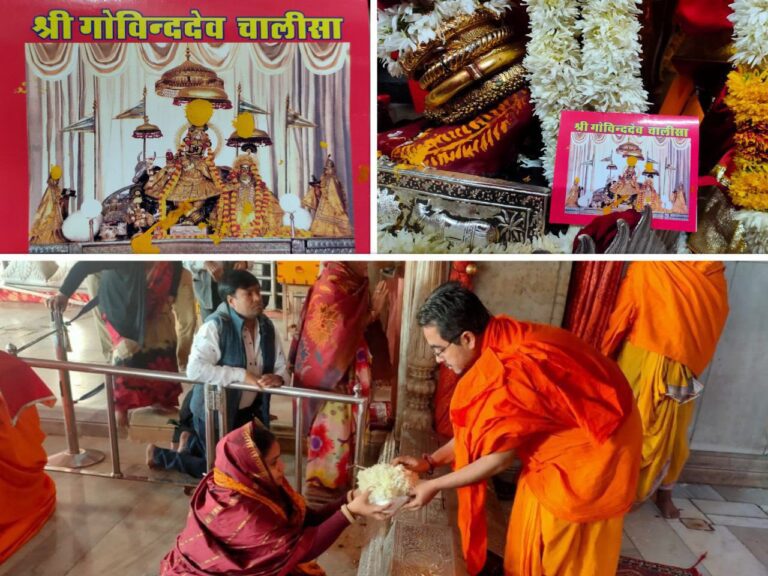
Kalyanji Temple
Kalyanji Temple in Jaipur's Chandpol Bazaar is approximately two centuries old and renowned for displaying the twenty-four avatars of Krishna, visible only twice yearly during Akha Teej and Patottsav festival.
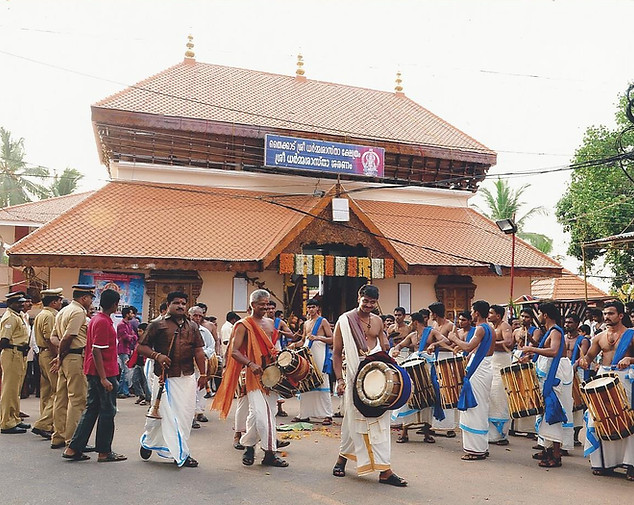
Sastha (Ayyappan) Temple
Sree Dharma Sastha Temple in Thycaud, Thiruvananthapuram, is a centuries-old shrine where the deity manifests as Dhanwanthari, the divine healer, holding the sacred blue lotus.
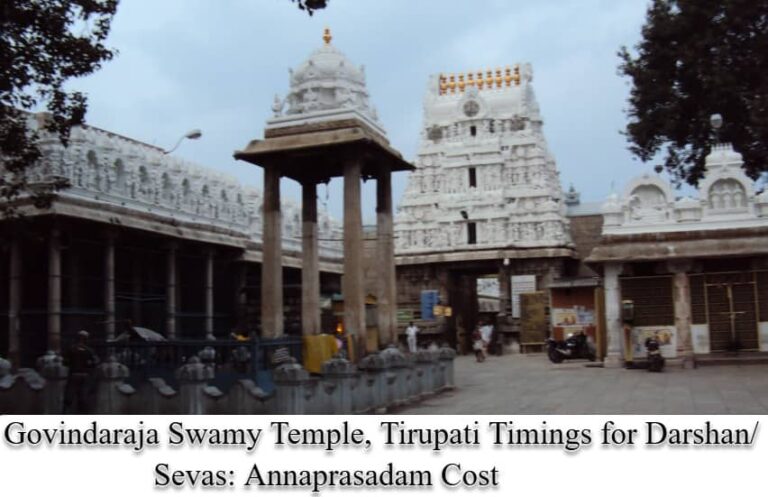
Govindarajaswamy Temple
Sri Govindarajaswamy Temple in Tirupati is an ancient Vaishnavaite shrine consecrated in 1130 AD by Saint Ramanuja, where the presiding deity rests in eternal Yoga Nidra on the serpent Adisesha.