
Savitri Temple
About Savitri Temple
The temple opens for darshan in two sessions: early morning from 05:00 to 12:00, and again in the late afternoon and evening from 16:00 to 21:00. Both morning and evening aartis (ritual worship ceremonies) are performed, though exact timings may vary with the seasons and festival calendar.
Visitors planning their trip should note that the best time to visit falls between October and March, when the climate is cooler and more comfortable for the journey up the hill. Early morning or late afternoon visits are recommended to avoid the intense midday heat. Those sensitive to temperature should plan accordingly, as the hilltop location offers little shade during peak hours.
Access and Practical Information
The temple sits at coordinates 26.4859821, 74.5460571 in the Ajmer district. Visitors can reach the shrine by climbing steps or, as an alternative, by ropeway. The step route requires physical exertion, so those with mobility concerns or health limitations should consider the ropeway option. Comfortable footwear is advisable for the climb.
Specific information about facilities, parking, prasad (blessed food offerings), or accommodation near the temple is not detailed in available sources. Visitors are advised to confirm current darshan timings and any seasonal variations before arrival, as temple schedules can shift with festivals and local observances.
Daily Rituals and Worship
The temple maintains a regular schedule of aartis—the ceremonial waving of lamps before the deity—at both dawn and dusk. These rituals form the backbone of daily worship at the shrine. The morning aarti marks the awakening of the goddess, while the evening aarti concludes the day's devotional cycle. Devotees often time their visits to coincide with these ceremonies, as aarti is considered an especially auspicious moment for darshan.
The temple's two-session darshan schedule accommodates both early risers and those who prefer evening visits, allowing flexibility for pilgrims with different routines and travel plans.
The Sacred Hilltop Setting
The placement of the temple atop Ratnagiri Hill distinguishes it within Pushkar's religious landscape. Hilltop temples in Hindu tradition often serve as points of spiritual elevation, where the ascent itself becomes part of the devotional journey. The elevated position offers views across Pushkar and its surroundings, creating a setting that combines physical exertion with contemplative space.
The climb—whether by foot or ropeway—represents a transition from the everyday world to the sacred precinct, a threshold that many pilgrims experience as spiritually meaningful.
Planning Your Visit
Devotees and travellers should arrive with realistic expectations about timing. The temple operates on a fixed schedule, but darshan times may shift slightly with seasons, festivals, or special observances. Confirming exact timings before departure is prudent. The October-to-March window offers the most comfortable visiting conditions, though the temple welcomes pilgrims year-round.
Modest dress is customary at Hindu temples, and visitors should be prepared to remove footwear before entering the inner sanctum. The hilltop location means exposure to sun and wind, so carrying water and sun protection is sensible. Those with questions about specific rituals, puja arrangements, or other details can seek guidance from temple staff upon arrival.
How to reach

Temples near Savitri Temple
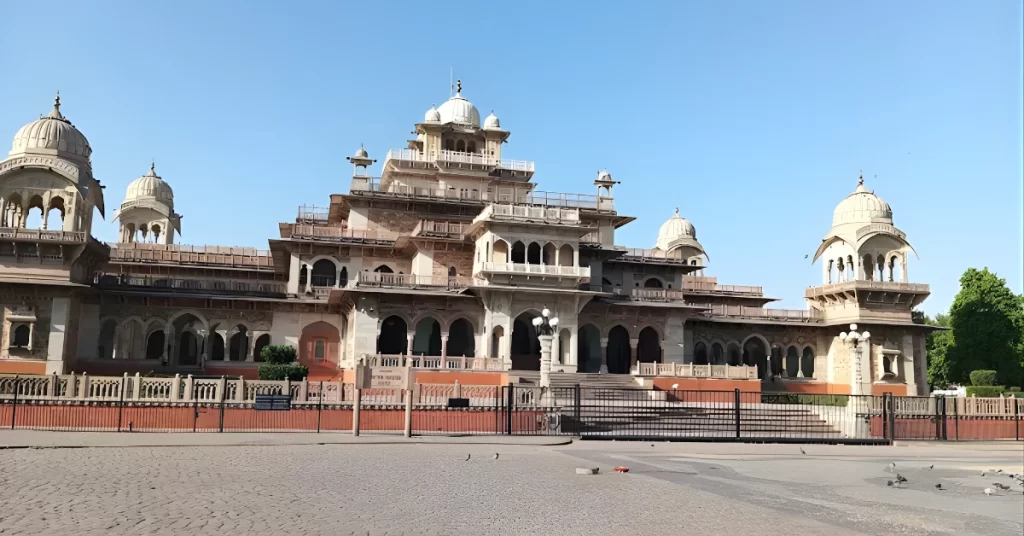
Brahma Temple, Pushkar
The Brahma Temple in Pushkar is one of the world's only major temples dedicated to Lord Brahma, the Hindu deity of creation, built in the 14th century and situated near the sacr…
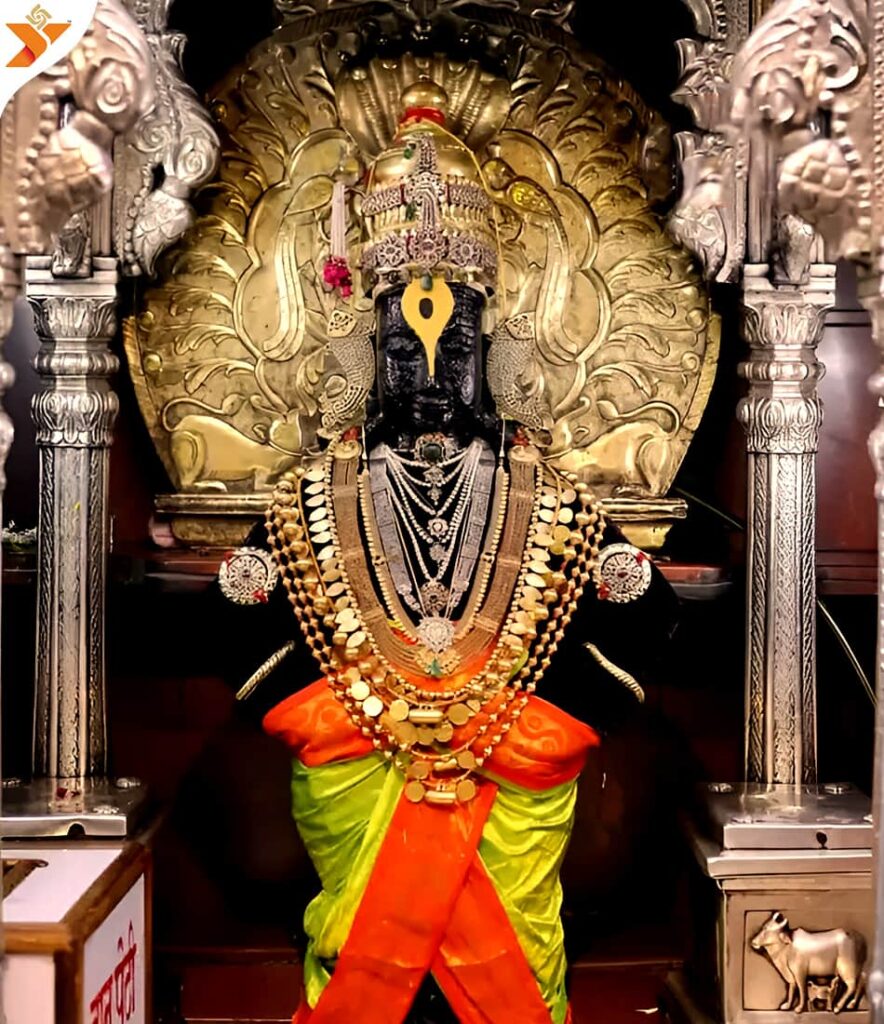
Varaha Temple
Varaha Temple in Pushkar is an ancient Vaishnava shrine dedicated to Varaha, the boar incarnation of Lord Vishnu, originally constructed in the 12th century and rebuilt in the 1…
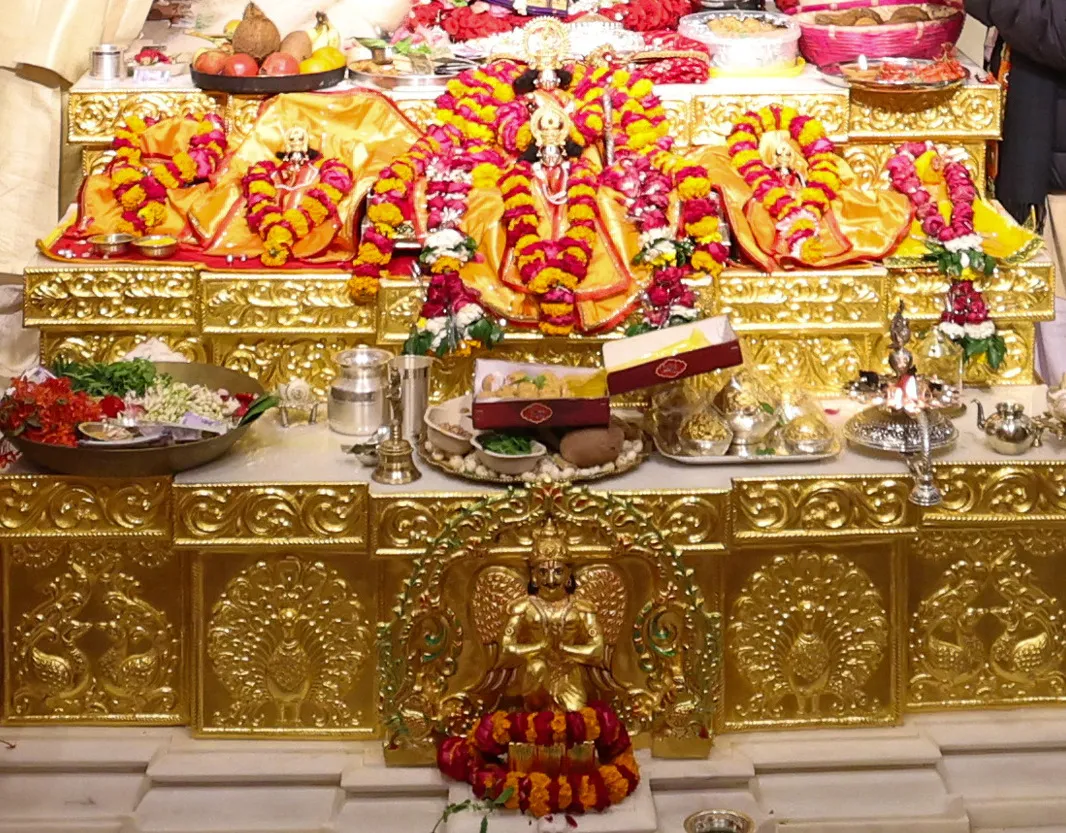
Shree Ram Mandir
Shri Ram Mandir in Ayodhya is a grand Hindu temple dedicated to Lord Ram (Ram Lalla), built at the site traditionally believed to be his birthplace. It stands as a symbol of fai…
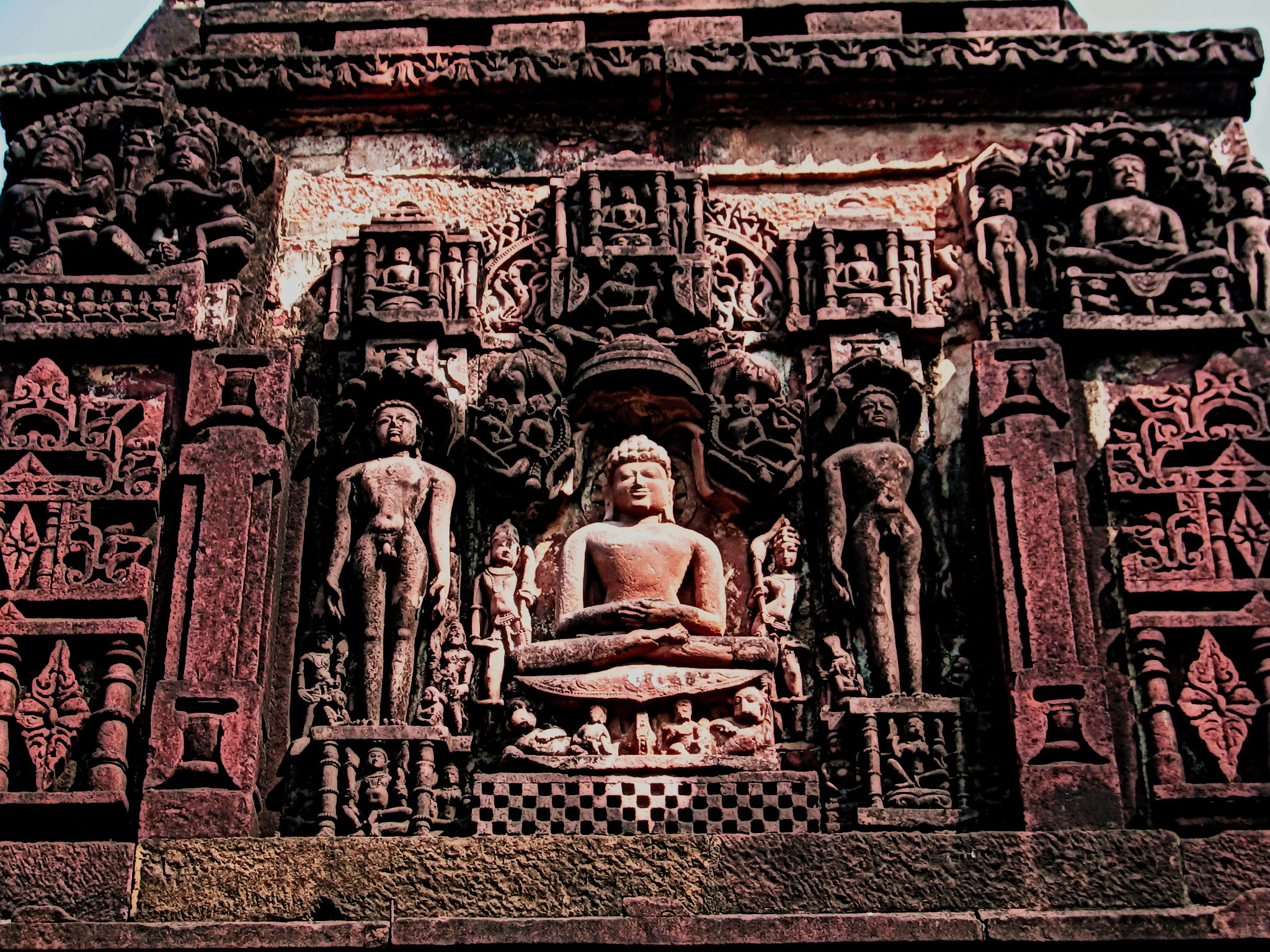
Jain Temple
A Jain temple (Derasar) located in Pushkar, Rajasthan, serving as a place of worship for followers of Jainism with morning and evening darshan hours.

Shri Kalyan Temple
Shri Diggi Kalyan Ji Temple is a Hindu shrine dedicated to Lord Vishnu situated in Diggi town within Malpura tehsil, Tonk district, Rajasthan.
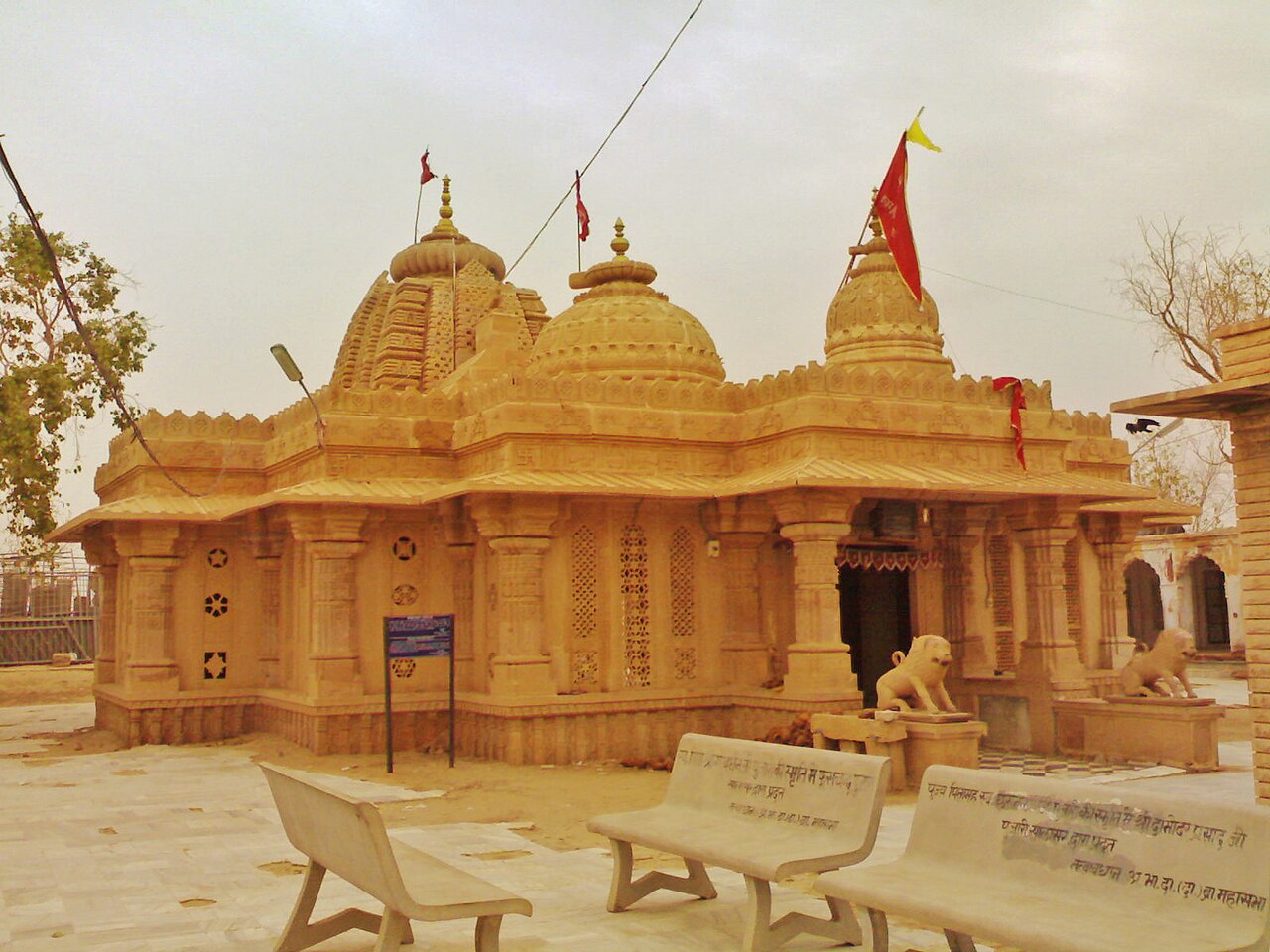
Dadhimati Mata Temple
Dadhimati Mata Temple is an ancient Hindu shrine dedicated to the goddess Dadhimati, situated between Goth and Manglod villages in Nagaur district, Rajasthan. Historical inscrip…